


Teabag Envelope Market Outlook
The teabag envelope market was valued at $958.60 million in 2025 and is projected to reach $1.49 billion by 2034, growing at a CAGR of 5.0% during the forecast period 2026-2034. This growth is driven by increasing consumer demand for convenient and sustainable packaging solutions in the tea industry. The rising popularity of premium and specialty teas has further fueled the demand for high-quality teabag envelopes that preserve flavor and aroma. Additionally, the shift towards eco-friendly packaging materials is encouraging manufacturers to innovate and offer biodegradable and recyclable options, which is expected to boost market growth significantly.
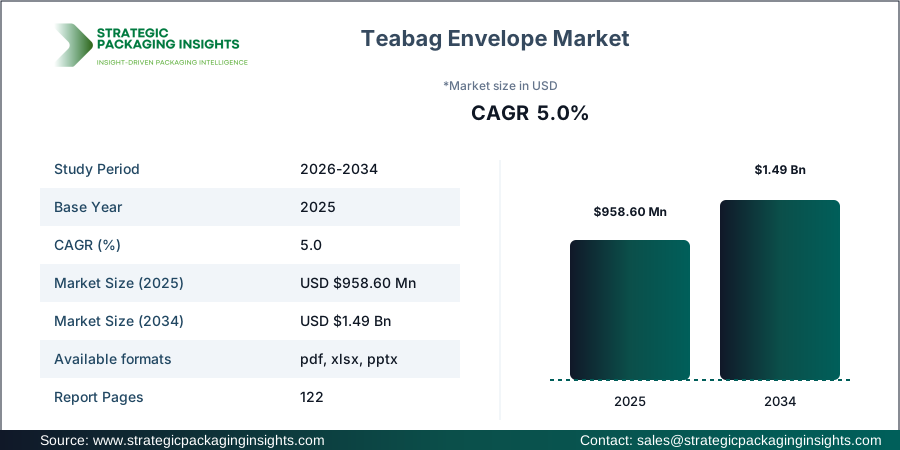
Despite the promising growth prospects, the teabag envelope market faces certain challenges. Regulatory constraints related to packaging materials and environmental concerns pose significant hurdles for manufacturers. The need to comply with stringent regulations regarding food safety and packaging waste management can increase production costs and limit market expansion. However, the growing awareness among consumers about sustainable packaging and the increasing adoption of green practices by companies present lucrative opportunities for market players to differentiate themselves and capture a larger market share.
Report Scope
| Attributes | Details |
| Report Title | Teabag Envelope Market Size, Future Growth and Forecast 2034 |
| Material Type | Paper Envelopes, Foil-Lined Envelopes, Barrier Paper Envelopes |
| Tea Type | Black Tea, Green Tea, Herbal Tea, Specialty Blends |
| Packaging Type | Single Envelopes, Retail Cartons, HoReCa Packs |
| End Use | Tea Brands, Hotels, Foodservice, Retailers |
| Region | Asia Pacific, North America, Latin America, Europe, Middle East & Africa |
| Base Year | 2025 |
| Historic Period | 2018-2024 |
| Forecast Period | 2026-2034 |
| Number of Pages | 122 |
| Customization Available | Yes* |
Opportunities & Threats
The teabag envelope market presents numerous opportunities for growth, particularly in the realm of sustainable packaging solutions. As consumers become more environmentally conscious, there is a rising demand for biodegradable and recyclable teabag envelopes. This trend is encouraging manufacturers to invest in research and development to create innovative packaging materials that meet these eco-friendly criteria. Additionally, the increasing popularity of specialty and premium teas offers opportunities for companies to develop high-quality envelopes that enhance the consumer experience by preserving the tea's flavor and aroma. The expansion of the tea market in emerging economies also presents a significant opportunity for growth, as rising disposable incomes and changing consumer preferences drive demand for convenient and premium tea products.
Another opportunity lies in the growing trend of personalized and customized packaging solutions. As consumers seek unique and personalized experiences, companies can capitalize on this trend by offering customizable teabag envelopes that cater to individual preferences. This not only enhances brand loyalty but also allows companies to differentiate themselves in a competitive market. Furthermore, the increasing adoption of digital printing technologies enables manufacturers to produce high-quality, customized packaging at a lower cost, making it a viable option for both small and large-scale tea producers.
However, the teabag envelope market also faces certain threats that could hinder its growth. One of the primary challenges is the fluctuating prices of raw materials, which can impact production costs and profit margins. Additionally, the increasing competition from alternative packaging solutions, such as loose leaf tea and tea pods, poses a threat to the traditional teabag envelope market. These alternatives offer convenience and a premium experience, which may attract consumers away from traditional teabag products. To mitigate these threats, companies need to focus on innovation and differentiation to maintain their competitive edge in the market.
Drivers & Challenges
The teabag envelope market is driven by several key factors, including the growing demand for convenient and sustainable packaging solutions. As consumers become more health-conscious and environmentally aware, there is an increasing preference for tea products that offer both convenience and sustainability. This has led to a surge in demand for teabag envelopes made from biodegradable and recyclable materials, which not only reduce environmental impact but also enhance the overall consumer experience. Additionally, the rising popularity of specialty and premium teas has further fueled the demand for high-quality teabag envelopes that preserve the flavor and aroma of the tea, providing a superior drinking experience.
Another significant driver of the teabag envelope market is the expansion of the tea market in emerging economies. As disposable incomes rise and consumer preferences shift towards premium and convenient tea products, there is a growing demand for teabag envelopes that cater to these preferences. This presents a lucrative opportunity for manufacturers to expand their market presence and capture a larger share of the growing tea market. Furthermore, the increasing adoption of digital printing technologies enables manufacturers to produce high-quality, customized packaging solutions at a lower cost, making it a viable option for both small and large-scale tea producers.
Despite the promising growth prospects, the teabag envelope market faces several challenges that could hinder its expansion. One of the primary challenges is the fluctuating prices of raw materials, which can impact production costs and profit margins. Additionally, the need to comply with stringent regulations regarding food safety and packaging waste management can increase production costs and limit market expansion. The increasing competition from alternative packaging solutions, such as loose leaf tea and tea pods, also poses a threat to the traditional teabag envelope market. These alternatives offer convenience and a premium experience, which may attract consumers away from traditional teabag products. To overcome these challenges, companies need to focus on innovation and differentiation to maintain their competitive edge in the market.
Market Share Analysis
The competitive landscape of the teabag envelope market is characterized by the presence of several key players who dominate the market with their extensive product offerings and strong distribution networks. Companies such as Ahlstrom, Glatfelter, and Twin Rivers Paper hold significant market shares due to their established reputation and commitment to innovation. These companies have invested heavily in research and development to create high-quality, sustainable packaging solutions that cater to the evolving needs of consumers. Their focus on eco-friendly materials and advanced manufacturing technologies has enabled them to maintain a competitive edge in the market.
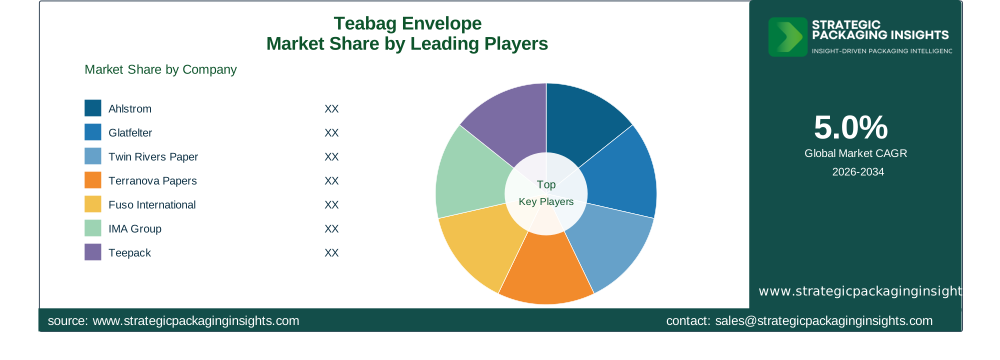
Other notable players in the market include Terranova Papers, Fuso International, and IMA Group, who have also made significant contributions to the growth of the teabag envelope market. These companies have leveraged their expertise in packaging solutions to develop innovative products that meet the demands of both consumers and regulatory bodies. Their strong focus on sustainability and customization has allowed them to capture a substantial share of the market, particularly in regions where environmental concerns are a top priority.
Teepack, Riensch & Held, and Pelipaper are also key players in the teabag envelope market, known for their high-quality products and commitment to customer satisfaction. These companies have established strong relationships with tea brands and retailers, enabling them to expand their market presence and increase their market share. Their focus on innovation and differentiation has allowed them to stay ahead of the competition and meet the evolving needs of consumers.
Hokuetsu Corporation is another major player in the market, known for its advanced manufacturing capabilities and commitment to sustainability. The company's focus on eco-friendly materials and innovative packaging solutions has enabled it to capture a significant share of the market, particularly in regions where environmental concerns are a top priority. Overall, the competitive landscape of the teabag envelope market is characterized by a strong focus on innovation, sustainability, and customer satisfaction, with key players leveraging their expertise and resources to maintain their competitive edge.
Key Highlights
- The teabag envelope market is projected to grow at a CAGR of 5.0% from 2026 to 2034.
- Increasing consumer demand for sustainable and eco-friendly packaging solutions is driving market growth.
- The rising popularity of specialty and premium teas is fueling demand for high-quality teabag envelopes.
- Emerging economies present significant growth opportunities due to rising disposable incomes and changing consumer preferences.
- Fluctuating raw material prices pose a challenge to market growth and profitability.
- Regulatory constraints related to packaging materials and environmental concerns are significant hurdles for manufacturers.
- Key players in the market include Ahlstrom, Glatfelter, Twin Rivers Paper, and Terranova Papers.
- Customization and personalization of packaging solutions are emerging trends in the market.
- Digital printing technologies enable cost-effective production of high-quality, customized packaging solutions.
- Competition from alternative packaging solutions, such as loose leaf tea and tea pods, poses a threat to the traditional teabag envelope market.
Top Countries Insights
In the teabag envelope market, the United States stands out as a key player, with a market size of approximately $300 million and a CAGR of 4%. The country's strong tea culture and increasing demand for premium and specialty teas drive the market. Additionally, the growing trend of sustainable packaging solutions aligns with consumer preferences, further boosting market growth. However, regulatory constraints related to packaging materials and environmental concerns pose challenges for manufacturers in the region.
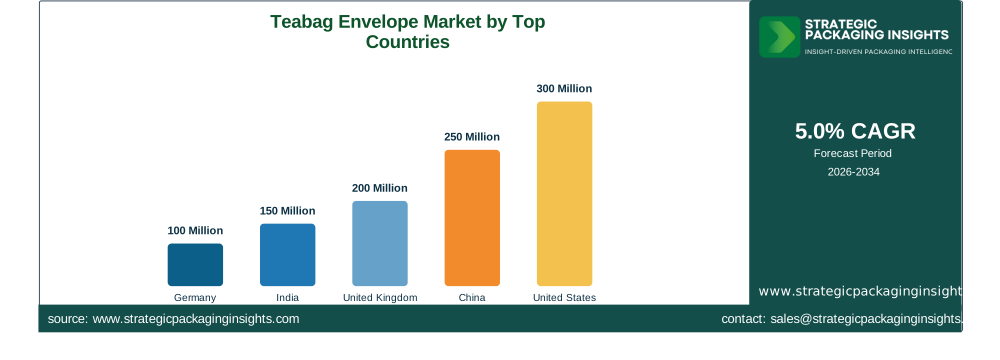
China, with its rich tea heritage, is another significant market for teabag envelopes, boasting a market size of around $250 million and a CAGR of 6%. The country's expanding middle class and rising disposable incomes contribute to the growing demand for convenient and premium tea products. The increasing adoption of eco-friendly packaging solutions also aligns with the government's focus on sustainability, driving market growth. However, competition from alternative packaging solutions, such as loose leaf tea, poses a threat to the traditional teabag envelope market.
In the United Kingdom, the teabag envelope market is valued at approximately $200 million, with a CAGR of 3%. The country's strong tea culture and increasing demand for specialty and premium teas drive the market. The growing trend of personalized and customized packaging solutions also presents opportunities for growth. However, fluctuating raw material prices and regulatory constraints related to packaging materials pose challenges for manufacturers in the region.
India, with its rich tea culture, is another significant market for teabag envelopes, with a market size of around $150 million and a CAGR of 7%. The country's expanding middle class and rising disposable incomes contribute to the growing demand for convenient and premium tea products. The increasing adoption of eco-friendly packaging solutions also aligns with the government's focus on sustainability, driving market growth. However, competition from alternative packaging solutions, such as loose leaf tea, poses a threat to the traditional teabag envelope market.
Germany, with its strong tea culture, is another key market for teabag envelopes, valued at approximately $100 million and a CAGR of 5%. The country's increasing demand for premium and specialty teas drives the market. The growing trend of sustainable packaging solutions also aligns with consumer preferences, further boosting market growth. However, regulatory constraints related to packaging materials and environmental concerns pose challenges for manufacturers in the region.
Teabag Envelope Market Segments Insights

Material Type Analysis
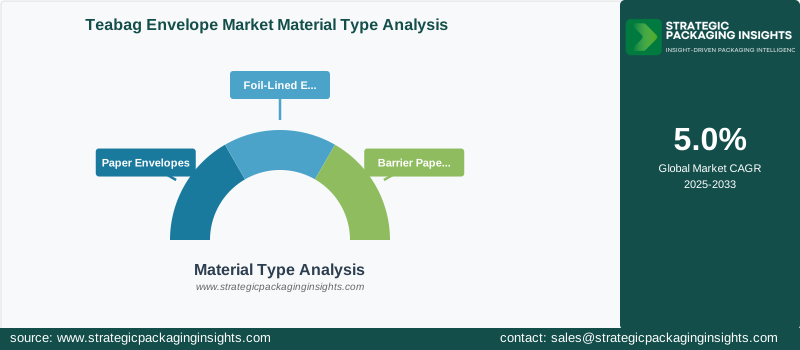
The material type segment of the teabag envelope market is crucial as it determines the quality and sustainability of the packaging. Paper envelopes are the most commonly used due to their cost-effectiveness and biodegradability. They are favored by manufacturers aiming to reduce environmental impact while maintaining product integrity. However, the demand for foil-lined envelopes is also rising, particularly for premium tea brands that require enhanced protection against moisture and light. Barrier paper envelopes are gaining traction as they offer a balance between sustainability and protection, making them ideal for specialty teas that require preservation of flavor and aroma.
Innovation in material technology is a key trend in this segment, with manufacturers investing in research and development to create advanced materials that meet consumer demands for sustainability and quality. The shift towards eco-friendly materials is driven by increasing consumer awareness and regulatory pressures to reduce packaging waste. As a result, companies are exploring biodegradable and recyclable options to cater to environmentally conscious consumers. The competition in this segment is intense, with key players focusing on product differentiation and innovation to capture a larger market share.
Tea Type Analysis
The tea type segment of the teabag envelope market is diverse, catering to a wide range of consumer preferences. Black tea remains the most popular choice, driving demand for standard teabag envelopes that offer convenience and affordability. However, the growing popularity of green tea and herbal tea is reshaping the market, with consumers seeking high-quality envelopes that preserve the delicate flavors and aromas of these teas. Specialty blends, which include exotic and premium teas, are also gaining traction, driving demand for customized and premium packaging solutions.
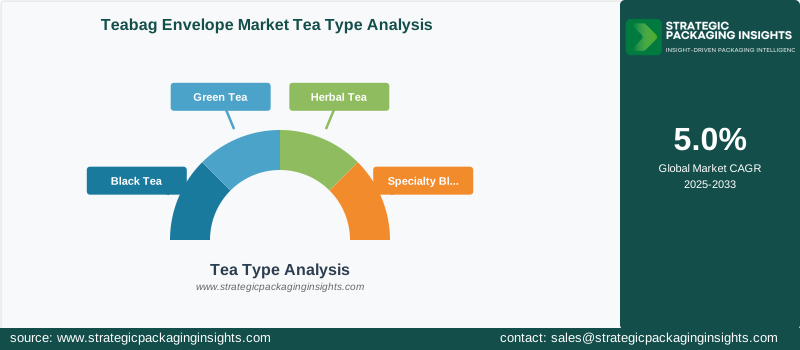
Consumer preferences are shifting towards healthier and more diverse tea options, which is reflected in the increasing demand for green and herbal teas. This trend is encouraging manufacturers to innovate and offer packaging solutions that cater to these preferences. The competition in this segment is fierce, with companies focusing on product differentiation and customization to capture a larger market share. The growing trend of personalized and customized packaging solutions presents opportunities for manufacturers to enhance brand loyalty and cater to individual consumer preferences.
Packaging Type Analysis
The packaging type segment of the teabag envelope market is characterized by a variety of options that cater to different consumer needs. Single envelopes are the most commonly used, offering convenience and portion control for individual consumers. Retail cartons are popular among tea brands and retailers, providing an attractive and practical packaging solution for bulk sales. HoReCa packs, which cater to the hospitality and foodservice industry, are gaining traction as they offer convenience and cost-effectiveness for large-scale operations.
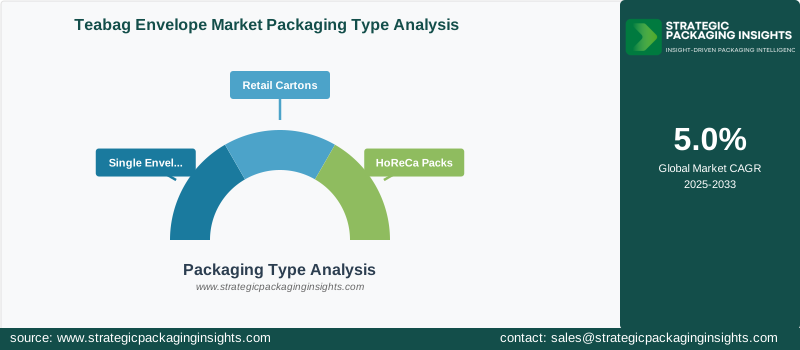
The demand for customized and personalized packaging solutions is a key trend in this segment, with consumers seeking unique and personalized experiences. This trend is encouraging manufacturers to invest in digital printing technologies that enable cost-effective production of high-quality, customized packaging solutions. The competition in this segment is intense, with companies focusing on innovation and differentiation to capture a larger market share. The growing trend of sustainable packaging solutions also presents opportunities for manufacturers to cater to environmentally conscious consumers.
End Use Analysis
The end-use segment of the teabag envelope market is diverse, catering to a wide range of consumers and industries. Tea brands are the primary consumers of teabag envelopes, driving demand for high-quality and customized packaging solutions that enhance brand image and consumer experience. Hotels and foodservice providers are also significant consumers, requiring convenient and cost-effective packaging solutions for large-scale operations. Retailers, who cater to individual consumers, demand attractive and practical packaging solutions that enhance product visibility and appeal.
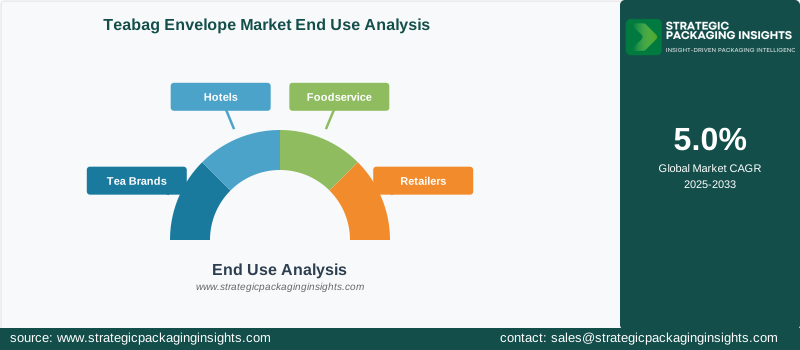
The growing trend of personalized and customized packaging solutions is a key trend in this segment, with consumers seeking unique and personalized experiences. This trend is encouraging manufacturers to invest in digital printing technologies that enable cost-effective production of high-quality, customized packaging solutions. The competition in this segment is intense, with companies focusing on innovation and differentiation to capture a larger market share. The growing trend of sustainable packaging solutions also presents opportunities for manufacturers to cater to environmentally conscious consumers.
Teabag Envelope Market Segments
The Teabag Envelope market has been segmented on the basis ofMaterial Type
- Paper Envelopes
- Foil-Lined Envelopes
- Barrier Paper Envelopes
Tea Type
- Black Tea
- Green Tea
- Herbal Tea
- Specialty Blends
Packaging Type
- Single Envelopes
- Retail Cartons
- HoReCa Packs
End Use
- Tea Brands
- Hotels
- Foodservice
- Retailers
Region
- Asia Pacific
- North America
- Latin America
- Europe
- Middle East & Africa




