


Tea Infuser Market Outlook
The tea infuser market was valued at $988.36 million in 2025 and is projected to reach $1.61 billion by 2034, growing at a CAGR of 5.6% during the forecast period 2026-2034. This growth is driven by the increasing popularity of tea as a preferred beverage worldwide, coupled with the rising trend of tea consumption for health benefits. The market is witnessing a surge in demand for innovative and aesthetically pleasing tea infusers that cater to the diverse preferences of consumers. Additionally, the growing awareness about the environmental impact of disposable tea bags is pushing consumers towards reusable tea infusers, further propelling market growth.
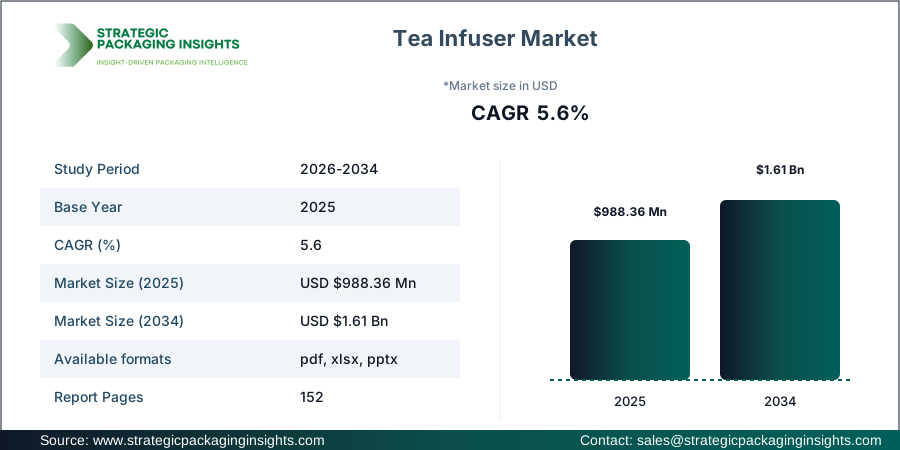
However, the market faces certain restraints, such as the availability of low-cost alternatives and the presence of counterfeit products that may hinder the growth potential. Regulatory challenges related to material safety and quality standards also pose a threat to market expansion. Despite these challenges, the tea infuser market holds significant growth potential, driven by the increasing adoption of premium and customized tea infusers, especially in developed regions. The market is also expected to benefit from the rising trend of gifting tea infuser sets, which is gaining popularity among consumers.
Report Scope
| Attributes | Details |
| Report Title | Tea Infuser Market Size, Future Growth and Forecast 2034 |
| By Product Type | Ball Infusers, Basket Infusers, Silicone Infusers, Stainless Steel Infusers |
| By Material Type | Steel, Silicone, Glass, Plastic |
| By Distribution Channel | Online, Specialty Stores, Supermarkets |
| By End Use | Households, Cafés, HoReCa |
| Region | Asia Pacific, North America, Latin America, Europe, Middle East & Africa |
| Base Year | 2025 |
| Historic Period | 2018-2024 |
| Forecast Period | 2026-2034 |
| Number of Pages | 152 |
| Customization Available | Yes* |
Opportunities & Threats
The tea infuser market presents numerous opportunities for growth, primarily driven by the increasing consumer preference for eco-friendly and sustainable products. As environmental concerns continue to rise, consumers are becoming more conscious of their purchasing decisions, leading to a growing demand for reusable and biodegradable tea infusers. This shift in consumer behavior presents a significant opportunity for manufacturers to innovate and introduce eco-friendly products that cater to this demand. Additionally, the growing trend of personalized and customized tea infusers offers a lucrative opportunity for market players to differentiate their products and capture a larger market share.
Another opportunity lies in the expansion of distribution channels, particularly online platforms, which have gained immense popularity in recent years. The convenience and accessibility offered by e-commerce platforms have made it easier for consumers to explore and purchase a wide range of tea infusers from the comfort of their homes. This trend is expected to continue, providing manufacturers with an opportunity to reach a broader audience and increase their sales. Furthermore, the growing popularity of tea culture and tea-related events presents an opportunity for market players to collaborate with tea brands and cafes to promote their products and enhance brand visibility.
Despite the promising opportunities, the tea infuser market faces certain threats that could impact its growth. One of the primary threats is the presence of counterfeit products in the market, which not only affects the sales of genuine products but also poses a risk to consumer safety. Additionally, the availability of low-cost alternatives, such as disposable tea bags, may deter consumers from investing in reusable tea infusers. To mitigate these threats, manufacturers need to focus on enhancing product quality and implementing effective marketing strategies to educate consumers about the benefits of using high-quality tea infusers.
Drivers & Challenges
The tea infuser market is driven by several factors, including the increasing popularity of tea as a healthy beverage choice. With the growing awareness of the health benefits associated with tea consumption, such as improved digestion, weight management, and antioxidant properties, more consumers are incorporating tea into their daily routines. This trend has led to a surge in demand for tea infusers, as they offer a convenient and efficient way to brew loose-leaf tea. Additionally, the rising trend of tea culture and the growing popularity of specialty teas have further fueled the demand for innovative and aesthetically pleasing tea infusers.
Another significant driver of the tea infuser market is the increasing consumer preference for sustainable and eco-friendly products. As environmental concerns continue to rise, consumers are becoming more conscious of their purchasing decisions, leading to a growing demand for reusable and biodegradable tea infusers. This shift in consumer behavior presents a significant opportunity for manufacturers to innovate and introduce eco-friendly products that cater to this demand. Furthermore, the expansion of distribution channels, particularly online platforms, has made it easier for consumers to access a wide range of tea infusers, further driving market growth.
Despite the positive drivers, the tea infuser market faces several challenges that could impact its growth. One of the primary challenges is the presence of counterfeit products in the market, which not only affects the sales of genuine products but also poses a risk to consumer safety. Additionally, the availability of low-cost alternatives, such as disposable tea bags, may deter consumers from investing in reusable tea infusers. To overcome these challenges, manufacturers need to focus on enhancing product quality and implementing effective marketing strategies to educate consumers about the benefits of using high-quality tea infusers.
Market Share Analysis
The tea infuser market is characterized by a competitive landscape with several key players vying for market share. Companies such as Finum, OXO, Adagio Teas, Teavana, HIC Harold Import, Tovolo, Norpro, FORLIFE, David’s Tea, and IKEA are some of the prominent players in the market. These companies are focusing on product innovation, quality enhancement, and strategic partnerships to strengthen their market position and expand their customer base. The competitive landscape is further intensified by the presence of numerous small and medium-sized enterprises that offer a wide range of tea infusers at competitive prices.
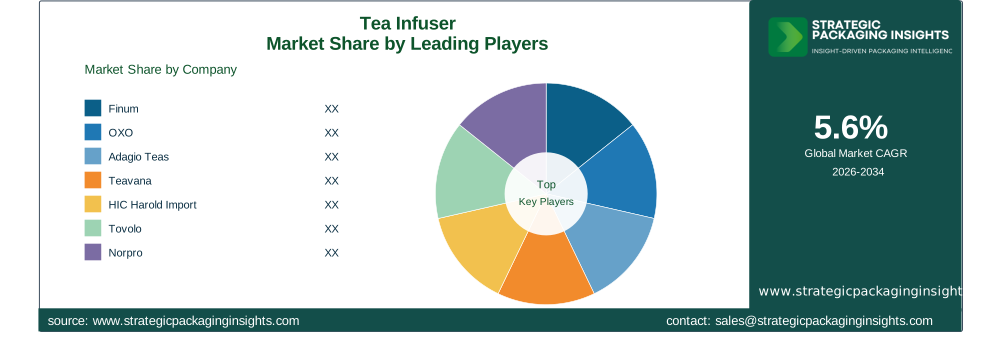
Finum, a leading player in the tea infuser market, is known for its high-quality and innovative products that cater to the diverse preferences of consumers. The company has a strong presence in both domestic and international markets, with a focus on expanding its product portfolio to include eco-friendly and sustainable options. OXO, another major player, is renowned for its user-friendly and aesthetically pleasing tea infusers that are designed to enhance the tea brewing experience. The company has a strong distribution network and a loyal customer base, which has helped it maintain a significant market share.
Adagio Teas and Teavana are also prominent players in the tea infuser market, known for their premium and customized tea infusers that cater to the growing demand for personalized products. These companies have a strong focus on product innovation and quality, which has helped them establish a loyal customer base and maintain a competitive edge in the market. HIC Harold Import and Tovolo are known for their affordable and durable tea infusers that cater to budget-conscious consumers. These companies have a strong presence in the domestic market and are focusing on expanding their reach to international markets.
Norpro, FORLIFE, David’s Tea, and IKEA are also key players in the tea infuser market, known for their diverse product offerings and strong brand presence. These companies are focusing on expanding their product portfolios to include eco-friendly and sustainable options, in line with the growing consumer preference for environmentally conscious products. The competitive landscape of the tea infuser market is expected to remain dynamic, with companies focusing on product innovation, quality enhancement, and strategic partnerships to strengthen their market position and capture a larger market share.
Key Highlights
- The tea infuser market is projected to grow at a CAGR of 5.6% from 2026 to 2034.
- Increasing consumer preference for eco-friendly and sustainable products is driving market growth.
- Online distribution channels are gaining popularity, providing manufacturers with a broader reach.
- Product innovation and customization are key trends in the tea infuser market.
- The presence of counterfeit products poses a threat to market growth.
- Key players in the market include Finum, OXO, Adagio Teas, and Teavana.
- The market is witnessing a surge in demand for premium and aesthetically pleasing tea infusers.
- Environmental concerns are driving the demand for reusable and biodegradable tea infusers.
- The growing popularity of tea culture and specialty teas is fueling market demand.
Top Countries Insights
In the tea infuser market, the United States stands out as a significant player, with a market size of approximately $300 million and a CAGR of 4%. The country's growth is driven by the increasing popularity of tea as a healthy beverage choice and the rising trend of tea culture. The presence of key market players and the growing demand for premium and customized tea infusers further contribute to the market's expansion. However, the market faces challenges such as the availability of low-cost alternatives and the presence of counterfeit products.
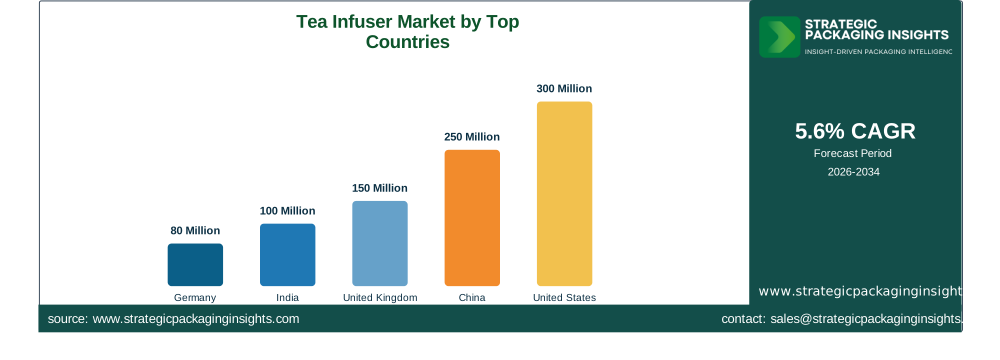
China, with a market size of around $250 million and a CAGR of 6%, is another key player in the tea infuser market. The country's growth is fueled by the rich tea culture and the increasing consumer preference for high-quality and aesthetically pleasing tea infusers. The growing awareness about the environmental impact of disposable tea bags is also driving the demand for reusable tea infusers. However, the market faces challenges such as regulatory issues related to material safety and quality standards.
In the United Kingdom, the tea infuser market is valued at approximately $150 million, with a CAGR of 5%. The country's growth is driven by the increasing popularity of specialty teas and the growing trend of tea-related events. The expansion of online distribution channels and the rising demand for eco-friendly and sustainable products further contribute to the market's growth. However, the market faces challenges such as the presence of counterfeit products and the availability of low-cost alternatives.
India, with a market size of around $100 million and a CAGR of 7%, is witnessing significant growth in the tea infuser market. The country's growth is driven by the increasing consumer preference for premium and customized tea infusers and the rising trend of gifting tea infuser sets. The growing awareness about the health benefits of tea consumption and the expansion of distribution channels further contribute to the market's growth. However, the market faces challenges such as regulatory issues and the presence of counterfeit products.
Germany, with a market size of approximately $80 million and a CAGR of 5%, is another key player in the tea infuser market. The country's growth is driven by the increasing popularity of tea as a healthy beverage choice and the growing demand for innovative and aesthetically pleasing tea infusers. The expansion of online distribution channels and the rising trend of tea culture further contribute to the market's growth. However, the market faces challenges such as the availability of low-cost alternatives and the presence of counterfeit products.
Tea Infuser Market Segments Insights

Product Type Analysis
The tea infuser market is segmented by product type into ball infusers, basket infusers, silicone infusers, and stainless steel infusers. Ball infusers are popular due to their simplicity and ease of use, making them a preferred choice for many consumers. Basket infusers, on the other hand, offer a larger space for tea leaves to expand, providing a richer flavor profile. Silicone infusers are gaining traction due to their flexibility and durability, while stainless steel infusers are favored for their longevity and resistance to rust. The demand for innovative and aesthetically pleasing designs is driving competition among manufacturers, leading to a diverse range of products available in the market.
Ball infusers, being one of the most traditional forms, continue to hold a significant share in the market. Their affordability and ease of use make them a popular choice among consumers who prefer a straightforward brewing process. Basket infusers, with their larger capacity, cater to tea enthusiasts who enjoy experimenting with different tea blends and flavors. Silicone infusers are particularly appealing to younger consumers who value modern design and functionality. Stainless steel infusers, known for their durability, are preferred by consumers looking for a long-lasting and reliable option. The competition among manufacturers is intense, with companies focusing on product innovation and quality enhancement to capture a larger market share.
Material Type Analysis
The tea infuser market is also segmented by material type into steel, silicone, glass, and plastic. Steel infusers are known for their durability and resistance to rust, making them a popular choice among consumers looking for a long-lasting option. Silicone infusers, on the other hand, are favored for their flexibility and ease of cleaning. Glass infusers offer a visually appealing option, allowing consumers to watch the tea brewing process, while plastic infusers are valued for their affordability and lightweight nature. The growing demand for eco-friendly and sustainable materials is driving manufacturers to explore innovative material options that cater to this trend.
Steel infusers, with their robust construction, continue to dominate the market, particularly among consumers who prioritize durability and longevity. Silicone infusers are gaining popularity due to their modern design and ease of use, appealing to younger consumers who value convenience and functionality. Glass infusers, with their aesthetic appeal, are favored by consumers who enjoy the visual aspect of tea brewing. Plastic infusers, while affordable, face challenges related to environmental concerns, prompting manufacturers to explore alternative materials that offer a more sustainable option. The competition among manufacturers is fierce, with companies focusing on material innovation and quality enhancement to meet the evolving consumer preferences.
Distribution Channel Analysis
The distribution channel segment of the tea infuser market includes online platforms, specialty stores, and supermarkets. Online platforms have gained immense popularity in recent years, providing consumers with a convenient and accessible way to explore and purchase a wide range of tea infusers. Specialty stores, known for their curated selection of high-quality products, cater to consumers looking for premium and customized options. Supermarkets, with their wide reach and diverse product offerings, provide consumers with easy access to a variety of tea infusers at competitive prices. The expansion of distribution channels is driving market growth, providing manufacturers with an opportunity to reach a broader audience.
Online platforms, with their convenience and accessibility, have become a preferred choice for many consumers, particularly during the COVID-19 pandemic when in-store shopping was limited. The ability to compare products and read reviews has further enhanced the appeal of online shopping. Specialty stores, with their focus on quality and customization, cater to consumers looking for unique and personalized tea infusers. Supermarkets, with their wide reach, provide consumers with easy access to a variety of products, making them a popular choice for budget-conscious consumers. The competition among distribution channels is intense, with companies focusing on enhancing their online presence and expanding their product offerings to capture a larger market share.
End Use Analysis
The end-use segment of the tea infuser market includes households, cafés, and HoReCa (Hotels, Restaurants, and Catering). Households represent the largest segment, driven by the increasing popularity of tea as a preferred beverage choice. The growing trend of tea culture and the rising demand for premium and customized tea infusers further contribute to the growth of this segment. Cafés, known for their focus on quality and innovation, cater to consumers looking for a unique and enjoyable tea experience. The HoReCa segment, with its focus on large-scale operations, represents a significant opportunity for market players to expand their reach and increase their sales.
Households, with their focus on convenience and affordability, continue to dominate the market, driven by the increasing popularity of tea as a healthy beverage choice. The growing trend of tea culture and the rising demand for premium and customized tea infusers further contribute to the growth of this segment. Cafés, with their focus on quality and innovation, cater to consumers looking for a unique and enjoyable tea experience. The HoReCa segment, with its focus on large-scale operations, represents a significant opportunity for market players to expand their reach and increase their sales. The competition among end-use segments is intense, with companies focusing on enhancing their product offerings and expanding their reach to capture a larger market share.
Tea Infuser Market Segments
The Tea Infuser market has been segmented on the basis ofBy Product Type
- Ball Infusers
- Basket Infusers
- Silicone Infusers
- Stainless Steel Infusers
By Material Type
- Steel
- Silicone
- Glass
- Plastic
By Distribution Channel
- Online
- Specialty Stores
- Supermarkets
By End Use
- Households
- Cafés
- HoReCa
Region
- Asia Pacific
- North America
- Latin America
- Europe
- Middle East & Africa




