


Table Tents Market Outlook
The Table Tents market size was valued at USD 150 million in 2025 and is anticipated to reach USD 204 million by 2034, growing at a CAGR of 3.50% during the forecast period according to Strategic Packaging Insights. Displays2go, a prominent player in the market, has been instrumental in driving growth through innovative designs and customizable options that cater to diverse consumer needs. The increasing demand for effective promotional tools in restaurants, cafes, and retail sectors is a significant driver for the market. As businesses seek to enhance customer engagement and brand visibility, the adoption of table tents as a cost-effective advertising medium is on the rise.
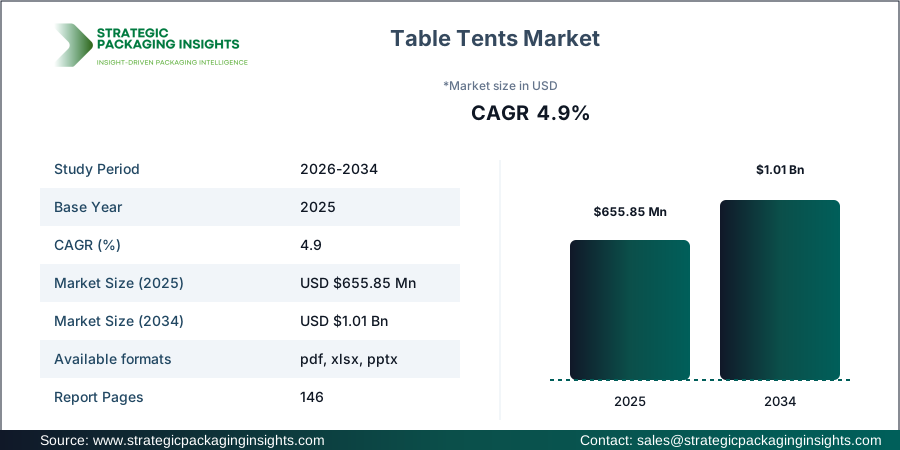
Another impactful market driver is the growing trend of personalization and customization in marketing materials. Vistaprint (Cimpress) has capitalized on this trend by offering tailored solutions that allow businesses to create unique table tents that align with their branding strategies. This shift towards personalized marketing is supported by the increasing availability of digital printing technologies, which enable high-quality, cost-effective production of customized table tents. Furthermore, the rise in the number of events and conferences globally is boosting the demand for table tents as they serve as effective tools for information dissemination and brand promotion.
Report Scope
| Attributes | Details |
| Report Title | Table Tents Market Size, Future Growth and Forecast 2034 |
| By Material | Paperboard / Cardstock, Acrylic / Plastic, Wood, Metal |
| By Shape | A-Frame / Tent Style, Four-Sided, Flat Upright Holders |
| By Printing | Digitally Printed, Offset Printed, Blank / Writable |
| By End Use | Restaurants & Cafes, Hotels & Hospitality, Retail Promotions, Events & Conferences, Corporate Offices |
| By Region | North America (U.S., Canada, Mexico), Europe (Germany, UK, France, Italy, Spain, Rest of Europe), Asia Pacific (China, India, Japan, South Korea, Australia, Rest of Asia Pacific), Latin America (Brazil, Argentina, Rest of Latin America), Middle East & Africa (GCC Countries, South Africa, Rest of MEA) |
| Base Year | 2025 |
| Historic Period | 2018-2024 |
| Forecast Period | 2026-2034 |
| Number of Pages | 189 |
| Customization Available | Yes* |
Sustainability & Circular Economy Analysis
Sustainability initiatives are significantly shaping the table tents market, with a strong emphasis on eco-friendly materials and waste reduction strategies. The use of recyclable materials such as paperboard and cardstock is becoming increasingly popular, as businesses aim to reduce their carbon footprint and align with consumer preferences for sustainable products. This shift is driving innovation in material sourcing and manufacturing processes, encouraging companies to adopt greener practices and invest in sustainable packaging solutions.
Moreover, the circular economy model is influencing packaging design and manufacturing decisions, with a focus on creating products that can be reused or recycled at the end of their lifecycle. Extended Producer Responsibility (EPR) regulations are prompting manufacturers to consider the environmental impact of their products, leading to the development of lightweight and reusable table tents. These trends are not only enhancing the market's competitiveness but also ensuring compliance with evolving packaging regulations and consumer expectations.
As sustainability becomes a key differentiator in the market, companies like Deflecto are investing in eco-friendly material innovations and waste reduction strategies to maintain their competitive edge. This focus on sustainability is also impacting supply chain strategies, as businesses seek to collaborate with suppliers and partners who share their commitment to environmental responsibility. By prioritizing sustainability, companies can enhance their brand reputation, attract environmentally conscious consumers, and secure long-term growth in the table tents market.
Packaging Value Chain & Supply Chain Analysis
The packaging value chain for table tents involves several key components, including raw material sourcing, manufacturing, and distribution. Raw materials such as paperboard, acrylic, and metal are sourced from suppliers who prioritize quality and sustainability. Packaging converters and manufacturers play a crucial role in transforming these materials into finished products, utilizing advanced machinery and production techniques to ensure efficiency and consistency.
Logistics and distribution channels are vital for delivering table tents to end-users, with a focus on optimizing transportation and inventory management to reduce costs and enhance supply chain resilience. Strategic partnerships with logistics providers and distributors enable companies to expand their reach and improve service delivery, ensuring timely and efficient distribution of products to retailers and brand owners.
Recycling networks are also an integral part of the supply chain, as they facilitate the collection and processing of used table tents for reuse or recycling. This not only supports sustainability goals but also enhances supply chain efficiency by reducing waste and minimizing environmental impact. By adopting a holistic approach to supply chain management, companies can improve their market performance and competitiveness, ensuring long-term success in the table tents market.
Opportunities & Threats
The table tents market presents numerous opportunities for growth, driven by the increasing demand for effective promotional tools across various industries. The rise in the number of restaurants, cafes, and retail outlets globally is creating a significant demand for table tents as businesses seek to enhance customer engagement and brand visibility. Additionally, the growing trend of personalization and customization in marketing materials offers opportunities for companies to differentiate themselves by providing tailored solutions that meet the unique needs of their clients.
Another opportunity lies in the expansion of the events and conferences sector, which is driving the demand for table tents as effective tools for information dissemination and brand promotion. As the number of events and conferences continues to grow, companies can capitalize on this trend by offering innovative and customizable table tents that cater to the specific requirements of event organizers and participants. Furthermore, the increasing adoption of digital printing technologies is enabling cost-effective production of high-quality, customized table tents, providing companies with a competitive advantage in the market.
However, the market also faces certain threats, including the potential impact of economic downturns on consumer spending and business investments. In times of economic uncertainty, businesses may reduce their marketing budgets, leading to a decline in demand for promotional materials such as table tents. Additionally, the increasing competition from digital marketing channels poses a threat to the traditional table tents market, as businesses may opt for online advertising solutions that offer greater reach and flexibility.
Drivers & Challenges
One of the primary drivers of the table tents market is the increasing demand for effective promotional tools in the hospitality and retail sectors. As businesses seek to enhance customer engagement and brand visibility, table tents offer a cost-effective solution for advertising and information dissemination. The rise in the number of restaurants, cafes, and retail outlets globally is further fueling this demand, creating significant growth opportunities for the market.
Another key driver is the growing trend of personalization and customization in marketing materials. Companies like Vistaprint (Cimpress) are capitalizing on this trend by offering tailored solutions that allow businesses to create unique table tents that align with their branding strategies. This shift towards personalized marketing is supported by the increasing availability of digital printing technologies, which enable high-quality, cost-effective production of customized table tents.
Despite these drivers, the market faces several challenges, including the potential impact of economic downturns on consumer spending and business investments. In times of economic uncertainty, businesses may reduce their marketing budgets, leading to a decline in demand for promotional materials such as table tents. Additionally, the increasing competition from digital marketing channels poses a challenge to the traditional table tents market, as businesses may opt for online advertising solutions that offer greater reach and flexibility.
Market Share Analysis
The table tents market is characterized by a competitive landscape with several key players vying for market share. Companies such as Displays2go, Vistaprint (Cimpress), and Deflecto are leading the market with their innovative product offerings and strong brand presence. These companies have established themselves as leaders in the market by focusing on product quality, customization options, and customer service.
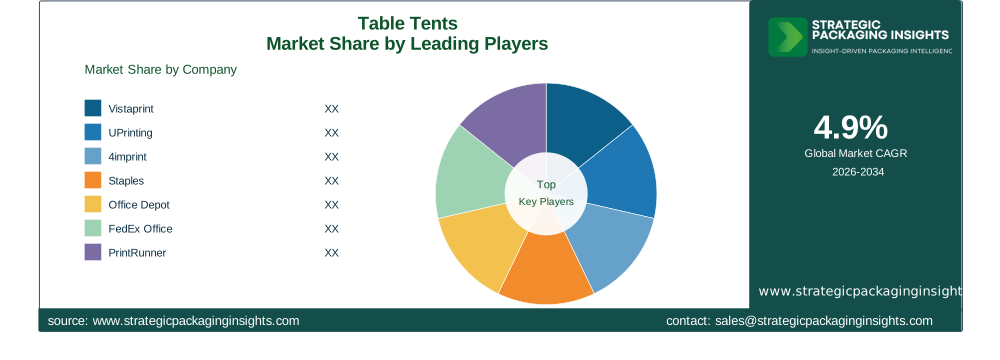
Displays2go is a prominent player in the market, known for its wide range of customizable table tents that cater to various industries and applications. The company's commitment to quality and innovation has helped it maintain a strong market position and attract a diverse customer base. Vistaprint (Cimpress) is another key player, offering personalized marketing solutions that enable businesses to create unique table tents that align with their branding strategies.
Deflecto is also a significant player in the market, known for its eco-friendly material innovations and waste reduction strategies. The company's focus on sustainability has helped it differentiate itself from competitors and attract environmentally conscious consumers. Other notable players in the market include Azar Displays, Smith Litho, Beemak, NahanCo, and MODA Displays, each of which has carved out a niche in the market through their unique product offerings and strategic partnerships.
These companies are continuously investing in research and development to enhance their product offerings and maintain their competitive edge. By focusing on innovation, sustainability, and customer satisfaction, they are well-positioned to capitalize on the growing demand for table tents and secure long-term growth in the market.
Key Highlights
- Market Size: USD 150 million in 2025, projected to reach USD 204 million by 2034.
- Growth Rate: CAGR of 3.50% during the forecast period.
- Leading Companies: Displays2go, Vistaprint (Cimpress), Deflecto, Azar Displays.
- Material Trends: Increasing use of recyclable materials like paperboard and cardstock.
- Customization Demand: Growing trend of personalized marketing solutions.
- Regional Growth: Significant growth opportunities in Asia Pacific and North America.
- Sustainability Focus: Emphasis on eco-friendly materials and waste reduction strategies.
Table Tents Market Segments Insights

By Material Analysis
The material segment of the table tents market is dominated by paperboard and cardstock, which are favored for their recyclability and cost-effectiveness. These materials are widely used in the production of table tents due to their lightweight nature and ease of customization. As sustainability becomes a key focus for businesses, the demand for eco-friendly materials like paperboard is expected to rise, driving growth in this segment. Acrylic and plastic materials are also popular, offering durability and a premium look, making them ideal for high-end applications in the hospitality and retail sectors.

Wood and metal table tents cater to niche markets, providing a unique aesthetic appeal that is often sought after in upscale restaurants and hotels. These materials offer a sense of luxury and sophistication, enhancing the overall dining experience for customers. As businesses continue to prioritize sustainability, the use of recycled and sustainably sourced wood is gaining traction, further boosting the growth of this segment. The increasing availability of innovative materials and manufacturing techniques is expected to drive further growth and diversification in the material segment of the table tents market.
By Shape Analysis
The shape segment of the table tents market is characterized by a variety of designs, each catering to different applications and consumer preferences. A-Frame or tent-style table tents are the most popular, offering versatility and ease of use in various settings. These designs are particularly favored in restaurants and cafes, where they serve as effective tools for menu display and promotional messaging. The four-sided table tents provide additional space for information and branding, making them ideal for events and conferences where multiple messages need to be conveyed.

Flat upright holders are gaining popularity in corporate offices and retail promotions, offering a sleek and modern look that complements contemporary interior designs. These holders are often used to display important information or promotional offers, enhancing customer engagement and brand visibility. As businesses continue to explore new ways to capture consumer attention, the demand for innovative and customizable table tent shapes is expected to grow, driving further diversification in this segment.
By Printing Analysis
The printing segment of the table tents market is driven by the increasing demand for high-quality, customized marketing materials. Digitally printed table tents are gaining popularity due to their ability to produce vibrant colors and intricate designs at a lower cost compared to traditional printing methods. This technology enables businesses to create personalized table tents that align with their branding strategies, enhancing customer engagement and brand recognition.

Offset printing remains a popular choice for large-scale production, offering high-quality results and cost-effectiveness for bulk orders. Blank or writable table tents cater to businesses that require flexibility in their messaging, allowing them to update information as needed. As digital printing technologies continue to advance, the demand for customized and high-quality table tents is expected to rise, driving growth in the printing segment of the market.
By End Use Analysis
The end-use segment of the table tents market is dominated by the hospitality and retail sectors, where table tents serve as effective tools for advertising and information dissemination. Restaurants and cafes are the largest consumers of table tents, using them to display menus, promotions, and special offers to enhance customer engagement and drive sales. The hotels and hospitality sector also relies heavily on table tents for branding and promotional purposes, using them to convey important information to guests and enhance the overall guest experience.

Retail promotions and events and conferences are other significant end-use segments, where table tents are used to capture consumer attention and convey key messages. Corporate offices are increasingly adopting table tents for internal communications and branding purposes, using them to display important information and enhance employee engagement. As businesses continue to seek cost-effective and versatile marketing solutions, the demand for table tents in these end-use segments is expected to grow, driving further expansion of the market.
Table Tents Market Segments
The Table Tents market has been segmented on the basis ofBy Material
- Paperboard / Cardstock
- Acrylic / Plastic
- Wood
- Metal
By Shape
- A-Frame / Tent Style
- Four-Sided
- Flat Upright Holders
By Printing
- Digitally Printed
- Offset Printed
- Blank / Writable
By End Use
- Restaurants & Cafes
- Hotels & Hospitality
- Retail Promotions
- Events & Conferences
- Corporate Offices
By Region
- North America (U.S., Canada, Mexico)
- Europe (Germany, UK, France, Italy, Spain, Rest of Europe)
- Asia Pacific (China, India, Japan, South Korea, Australia, Rest of Asia Pacific)
- Latin America (Brazil, Argentina, Rest of Latin America)
- Middle East & Africa (GCC Countries, South Africa, Rest of MEA)




