


Syringe Labels Market Outlook
The syringe labels market was valued at $771.66 million in 2025 and is projected to reach $1.37 billion by 2034, growing at a CAGR of 6.6% during the forecast period 2026-2034. This market is driven by the increasing demand for accurate and reliable labeling solutions in the healthcare sector. The rise in the number of vaccinations and medications requiring precise labeling has significantly contributed to the market's growth. Additionally, the growing emphasis on patient safety and regulatory compliance in the pharmaceutical industry has further propelled the demand for advanced syringe labeling solutions. The market is also witnessing innovations in label materials and printing technologies, which are enhancing the durability and readability of syringe labels.
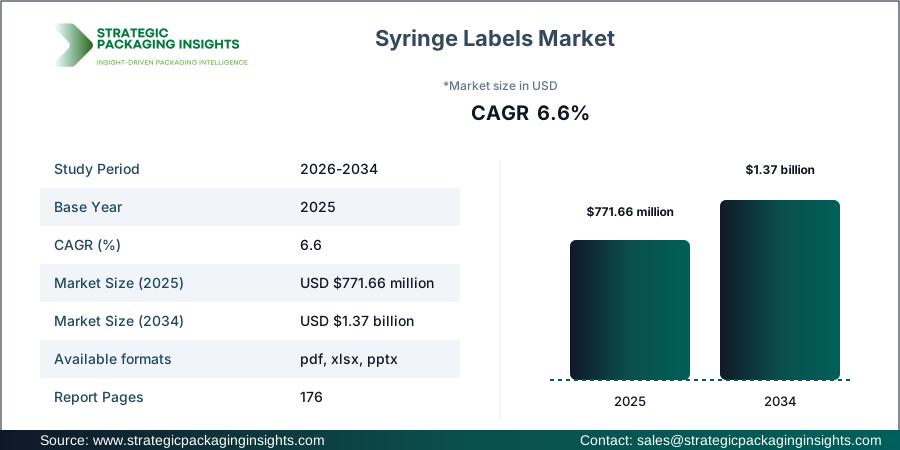
However, the market faces certain restraints, including the high cost of advanced labeling technologies and stringent regulatory requirements. These factors can pose challenges to market growth, particularly for small and medium-sized enterprises. Despite these challenges, the market holds significant growth potential due to the increasing adoption of smart labeling solutions and the expansion of healthcare infrastructure in emerging economies. The integration of digital technologies in labeling processes is expected to create new opportunities for market players, enabling them to offer more efficient and cost-effective solutions.
Report Scope
| Attributes | Details |
| Report Title | Syringe Labels Market Size, Future Growth and Forecast 2034 |
| Label Type | Pre-Printed Labels, Blank Labels, Color-Coded Labels, Tamper-Evident Labels |
| Material Type | Paper, Polypropylene, Polyester, Cryogenic Materials |
| Application | Medication Labeling, Vaccine Labeling, Clinical Trial Labeling, Hospital Use |
| End Use | Hospitals, Pharmaceutical Companies, Diagnostic Labs, Clinics |
| Region | Asia Pacific, North America, Latin America, Europe, Middle East & Africa |
| Base Year | 2025 |
| Historic Period | 2018-2024 |
| Forecast Period | 2026-2034 |
| Number of Pages | 176 |
| Customization Available | Yes* |
Opportunities & Threats
The syringe labels market presents numerous opportunities, particularly with the growing trend of personalized medicine and the increasing demand for customized labeling solutions. As healthcare providers and pharmaceutical companies strive to enhance patient care and safety, there is a rising need for labels that can provide detailed information about the medication, dosage, and administration instructions. This trend is driving the demand for advanced labeling technologies that can accommodate variable data printing and serialization. Moreover, the increasing focus on sustainability and eco-friendly packaging solutions is encouraging manufacturers to develop labels made from recyclable and biodegradable materials, opening new avenues for growth in the market.
Another significant opportunity lies in the expansion of healthcare services in developing regions. As countries in Asia Pacific, Latin America, and Africa continue to invest in healthcare infrastructure, the demand for medical supplies, including syringe labels, is expected to rise. This expansion provides a lucrative market for syringe label manufacturers to tap into. Additionally, the growing prevalence of chronic diseases and the subsequent increase in medication usage are further fueling the demand for reliable labeling solutions, creating a favorable environment for market growth.
Despite these opportunities, the syringe labels market faces certain threats, primarily from the stringent regulatory landscape governing medical labeling. Compliance with international standards and regulations can be challenging for manufacturers, particularly those operating in multiple regions. The need to adhere to different labeling requirements across countries can increase operational costs and complexity. Furthermore, the risk of counterfeit products and labeling errors poses a significant threat to patient safety and brand reputation, necessitating the implementation of robust quality control measures and anti-counterfeiting technologies.
Drivers & Challenges
The primary drivers of the syringe labels market include the increasing demand for accurate and reliable labeling solutions in the healthcare sector. The rise in the number of vaccinations and medications requiring precise labeling has significantly contributed to the market's growth. Additionally, the growing emphasis on patient safety and regulatory compliance in the pharmaceutical industry has further propelled the demand for advanced syringe labeling solutions. The market is also witnessing innovations in label materials and printing technologies, which are enhancing the durability and readability of syringe labels.
Another key driver is the increasing adoption of smart labeling solutions, which offer enhanced functionality and efficiency. Smart labels, equipped with features such as RFID and QR codes, enable better tracking and management of medical supplies, improving inventory control and reducing the risk of errors. The integration of digital technologies in labeling processes is expected to create new opportunities for market players, enabling them to offer more efficient and cost-effective solutions. Furthermore, the expansion of healthcare infrastructure in emerging economies is driving the demand for medical supplies, including syringe labels, providing a lucrative market for manufacturers.
However, the market faces several challenges, including the high cost of advanced labeling technologies and stringent regulatory requirements. These factors can pose challenges to market growth, particularly for small and medium-sized enterprises. Compliance with international standards and regulations can be challenging for manufacturers, particularly those operating in multiple regions. The need to adhere to different labeling requirements across countries can increase operational costs and complexity. Additionally, the risk of counterfeit products and labeling errors poses a significant threat to patient safety and brand reputation, necessitating the implementation of robust quality control measures and anti-counterfeiting technologies.
Market Share Analysis
The syringe labels market is characterized by a competitive landscape with several key players vying for market share. Companies such as Avery Dennison, CCL Industries, Schreiner MediPharm, UPM Raflatac, 3M, Brady Corporation, Weber Packaging, Resource Label Group, HERMA, and SATO are prominent players in this market. These companies are focusing on product innovation, strategic partnerships, and mergers and acquisitions to strengthen their market position and expand their product offerings.
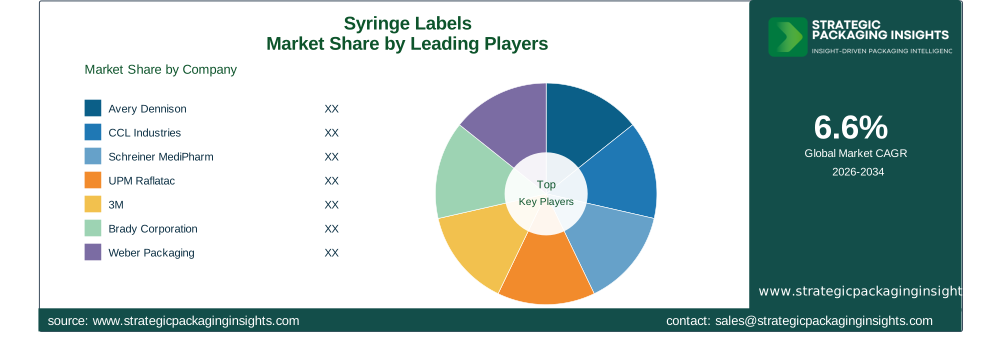
Avery Dennison holds a significant share in the syringe labels market, leveraging its expertise in adhesive technologies and sustainable labeling solutions. The company is known for its innovative products that cater to the specific needs of the healthcare sector. CCL Industries, another major player, offers a wide range of labeling solutions, including tamper-evident and smart labels, which are gaining traction in the market. Schreiner MediPharm is recognized for its specialized labeling solutions for the pharmaceutical industry, focusing on safety and compliance.
UPM Raflatac is a key player in the market, known for its sustainable labeling solutions and commitment to environmental responsibility. The company offers a comprehensive range of products designed to meet the stringent requirements of the healthcare sector. 3M, with its extensive portfolio of adhesive and labeling solutions, is a prominent player in the market, providing innovative products that enhance the safety and efficiency of medical labeling processes.
Brady Corporation, Weber Packaging, Resource Label Group, HERMA, and SATO are also significant players in the syringe labels market, each offering unique solutions tailored to the needs of the healthcare industry. These companies are investing in research and development to introduce new products and technologies that address the evolving demands of the market. The competitive landscape is further intensified by the presence of regional players who are expanding their market presence through strategic collaborations and partnerships.
Key Highlights
- The syringe labels market is projected to grow at a CAGR of 6.6% from 2026 to 2034.
- Increasing demand for accurate and reliable labeling solutions in the healthcare sector is driving market growth.
- Innovations in label materials and printing technologies are enhancing the durability and readability of syringe labels.
- Smart labeling solutions with features like RFID and QR codes are gaining traction in the market.
- Stringent regulatory requirements pose challenges to market growth, particularly for small and medium-sized enterprises.
- The expansion of healthcare infrastructure in emerging economies presents significant growth opportunities.
- Key players in the market include Avery Dennison, CCL Industries, Schreiner MediPharm, UPM Raflatac, and 3M.
Top Countries Insights
In the syringe labels market, the United States holds a significant share, driven by the advanced healthcare infrastructure and stringent regulatory requirements for medical labeling. The market in the U.S. is valued at approximately $300 million, with a CAGR of 5%. The demand for reliable and compliant labeling solutions is a key growth driver, supported by the presence of major pharmaceutical companies and healthcare providers.
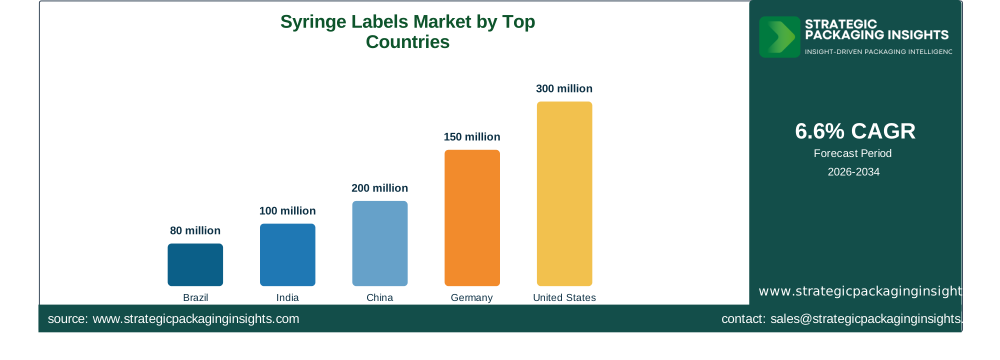
Germany is another prominent market for syringe labels, with a market size of around $150 million and a CAGR of 4%. The country's strong focus on healthcare quality and safety standards drives the demand for advanced labeling solutions. Additionally, the presence of leading pharmaceutical companies and a well-established healthcare system contribute to market growth.
China is experiencing rapid growth in the syringe labels market, with a market size of approximately $200 million and a CAGR of 8%. The expansion of healthcare services and increasing investments in medical infrastructure are key growth drivers. The government's focus on improving healthcare access and quality further supports market expansion.
India is emerging as a lucrative market for syringe labels, with a market size of around $100 million and a CAGR of 10%. The growing prevalence of chronic diseases and the increasing demand for medical supplies are driving market growth. The government's initiatives to enhance healthcare infrastructure and promote domestic manufacturing also contribute to market expansion.
Brazil is a significant market in Latin America, with a market size of approximately $80 million and a CAGR of 6%. The country's expanding healthcare sector and increasing demand for medical supplies are key growth drivers. The government's efforts to improve healthcare access and quality further support market growth.
Syringe Labels Market Segments Insights

Label Type Analysis
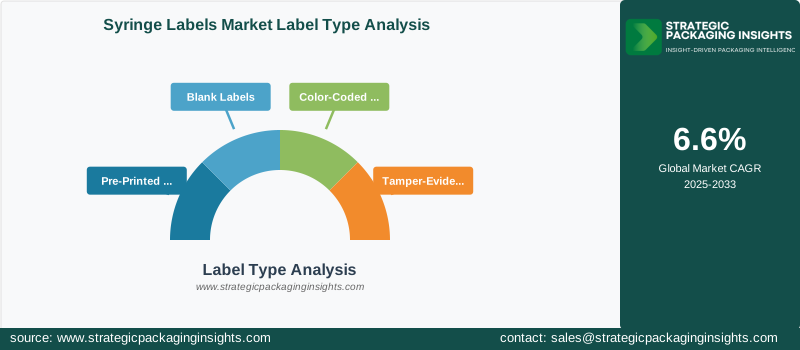
The syringe labels market is segmented by label type into pre-printed labels, blank labels, color-coded labels, and tamper-evident labels. Pre-printed labels are widely used due to their convenience and ability to provide essential information such as dosage and administration instructions. These labels are particularly popular in hospital settings where quick and accurate labeling is crucial. Blank labels, on the other hand, offer flexibility for customization and are often used in clinical trials and research settings where variable data printing is required. Color-coded labels are gaining traction for their ability to enhance visual identification and reduce the risk of medication errors. Tamper-evident labels are increasingly being adopted to ensure the integrity and safety of medical products, particularly in the pharmaceutical industry.
The demand for tamper-evident labels is driven by the growing emphasis on patient safety and regulatory compliance. These labels provide an additional layer of security by indicating any unauthorized access or tampering with the product. The increasing prevalence of counterfeit products in the healthcare sector further underscores the importance of tamper-evident labeling solutions. As regulatory bodies continue to tighten their requirements for medical labeling, the demand for advanced label types that ensure compliance and safety is expected to rise.
Material Type Analysis
The syringe labels market is segmented by material type into paper, polypropylene, polyester, and cryogenic materials. Paper labels are commonly used due to their cost-effectiveness and ease of printing. However, they may not be suitable for all applications, particularly those requiring durability and resistance to moisture and chemicals. Polypropylene and polyester labels are preferred for their durability and resistance to harsh environmental conditions. These materials are ideal for applications where labels need to withstand exposure to moisture, chemicals, and temperature variations.
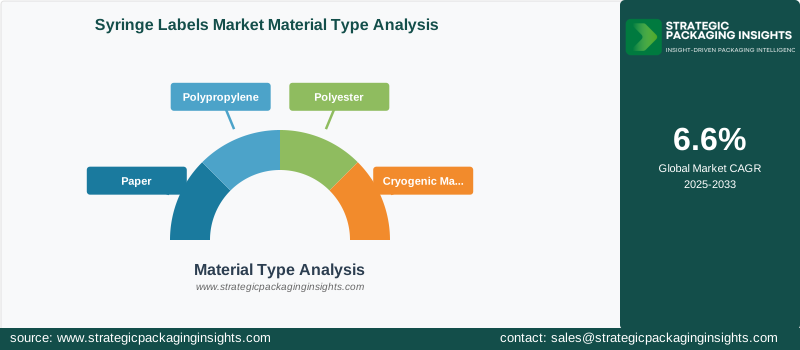
Cryogenic materials are gaining popularity in the syringe labels market, particularly for applications involving the storage and transportation of biological samples and vaccines at extremely low temperatures. These materials are designed to maintain their integrity and adhesion even in cryogenic conditions, ensuring the reliability and safety of labeled products. The increasing demand for vaccines and biologics, driven by the COVID-19 pandemic and ongoing research in biotechnology, is expected to boost the demand for cryogenic labeling solutions.
Application Analysis
The syringe labels market is segmented by application into medication labeling, vaccine labeling, clinical trial labeling, and hospital use. Medication labeling is the largest segment, driven by the increasing demand for accurate and reliable labeling solutions in the pharmaceutical industry. The rise in the number of medications and the need for precise dosage and administration instructions are key factors driving the demand for medication labeling solutions.
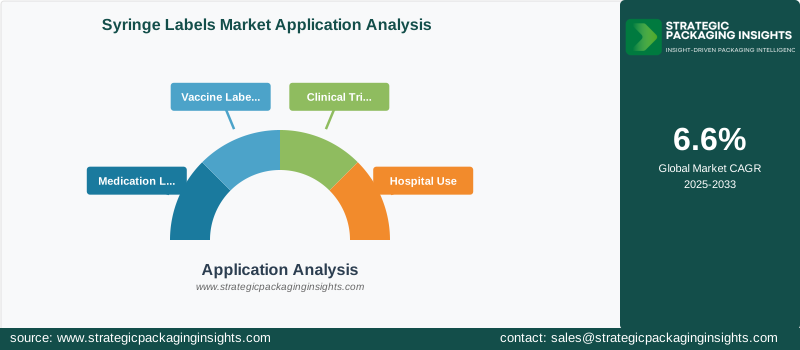
Vaccine labeling is another significant segment, particularly in light of the COVID-19 pandemic and the global vaccination efforts. The need for accurate and compliant labeling of vaccines is critical to ensure their safety and efficacy. Clinical trial labeling is gaining importance as the number of clinical trials continues to rise, necessitating the use of labels that can accommodate variable data printing and serialization. Hospital use is a growing segment, driven by the increasing demand for medical supplies and the need for efficient inventory management and patient safety.
End Use Analysis
The syringe labels market is segmented by end use into hospitals, pharmaceutical companies, diagnostic labs, and clinics. Hospitals are the largest end-use segment, driven by the increasing demand for medical supplies and the need for accurate and reliable labeling solutions. The growing emphasis on patient safety and regulatory compliance in hospital settings is a key factor driving the demand for syringe labels.
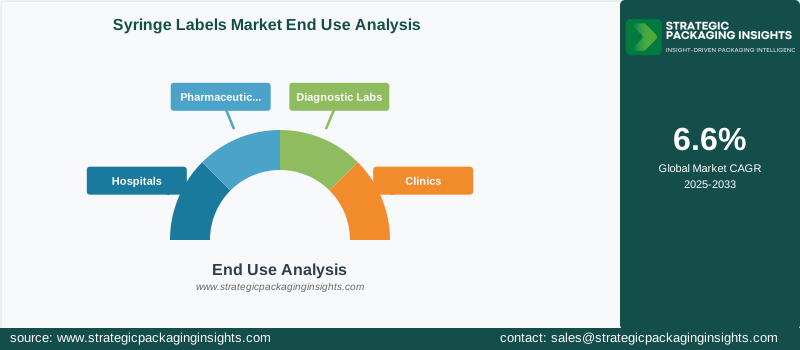
Pharmaceutical companies are another significant end-use segment, driven by the need for compliant and secure labeling solutions for medications and vaccines. The increasing prevalence of chronic diseases and the subsequent rise in medication usage are key factors driving the demand for syringe labels in this segment. Diagnostic labs and clinics are also important end-use segments, driven by the need for efficient inventory management and accurate labeling of medical supplies.
Syringe Labels Market Segments
The Syringe Labels market has been segmented on the basis ofLabel Type
- Pre-Printed Labels
- Blank Labels
- Color-Coded Labels
- Tamper-Evident Labels
Material Type
- Paper
- Polypropylene
- Polyester
- Cryogenic Materials
Application
- Medication Labeling
- Vaccine Labeling
- Clinical Trial Labeling
- Hospital Use
End Use
- Hospitals
- Pharmaceutical Companies
- Diagnostic Labs
- Clinics
Region
- Asia Pacific
- North America
- Latin America
- Europe
- Middle East & Africa




