


Sustainable Pharmaceutical Packaging Market Outlook
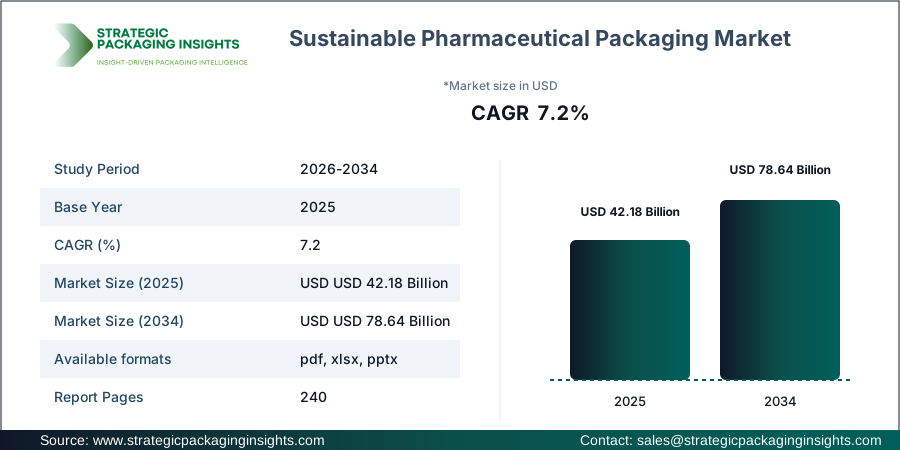
The Sustainable Pharmaceutical Packaging market size was valued at USD 42.18 Billion in 2025 and is anticipated to reach USD 78.64 Billion by 2034, growing at a CAGR of 7.2% during the forecast period according to Strategic Packaging Insights. This growth is driven by increasing demand for eco-friendly packaging solutions in the pharmaceutical industry, as companies like Amcor plc and Gerresheimer AG lead the charge in developing sustainable packaging options. The shift towards sustainability is not only a response to consumer demand but also a strategic move to comply with stringent environmental regulations and reduce carbon footprints.
One of the most impactful drivers of this market is the growing emphasis on reducing environmental impact through sustainable practices. Governments worldwide are implementing regulations that encourage the use of recyclable and biodegradable materials in packaging. For instance, the European Union's directives on reducing plastic waste have significantly influenced packaging strategies. Companies like SCHOTT Pharma and AptarGroup are investing heavily in research and development to create innovative packaging solutions that meet these regulatory requirements while maintaining product integrity and safety. This regulatory push, combined with consumer preference for sustainable products, is expected to propel the market forward.
Report Scope
| Attributes | Details |
| Report Title | Sustainable Pharmaceutical Packaging Market Size, Future Growth and Forecast 2034 |
| By Material | Paper & Paperboard, Recycled Plastics, Glass, Aluminum, Bio-Based Polymers |
| By Packaging Type | Blister Packs, Bottles, Vials & Ampoules, Pouches, Cartons, Pre-Filled Syringe Packaging |
| By Application | Prescription Drugs, Over-the-Counter (OTC) Medicines, Biologics, Vaccines, Medical Devices |
| By End User | Pharmaceutical Manufacturers, Biotechnology Companies, Contract Packaging Organizations, Hospitals, Retail Pharmacies |
| Region | Asia Pacific, North America, Latin America, Europe, Middle East & Africa |
| Base Year | 2025 |
| Historic Period | 2018-2024 |
| Forecast Period | 2026-2034 |
| Number of Pages | 240 |
| Customization Available | Yes* |
Sustainability & Circular Economy Analysis
Sustainability initiatives and circular economy practices are reshaping the pharmaceutical packaging market. Companies are increasingly adopting recyclable materials and reusable packaging to minimize waste and reduce their carbon footprint. For instance, the use of lightweight packaging not only decreases material usage but also lowers transportation emissions, aligning with global ESG initiatives. This shift is driven by consumer preferences for eco-friendly products and stringent packaging regulations that mandate sustainable practices.
Eco-friendly material innovation is at the forefront of this transformation, with companies investing in bio-based polymers and other sustainable materials. These innovations are influencing packaging design and manufacturing processes, leading to more efficient and environmentally friendly production methods. As a result, companies are making strategic investment decisions to enhance their supply chain strategies and ensure regulatory compliance, thereby maintaining long-term market competitiveness.
Extended Producer Responsibility (EPR) is another critical factor driving sustainability in pharmaceutical packaging. This approach holds manufacturers accountable for the entire lifecycle of their products, encouraging them to design packaging that is easier to recycle and dispose of. By adopting waste reduction strategies and focusing on carbon footprint reduction, companies can not only meet regulatory requirements but also appeal to environmentally conscious consumers. This trend is expected to continue shaping the market, influencing investment and operational decisions across the value chain.
Packaging Value Chain & Supply Chain Analysis
The packaging value chain in the pharmaceutical industry is complex, involving multiple stakeholders from raw material sourcing to recycling networks. Efficient supply chain management is crucial for maintaining competitiveness in this market. Companies like Berry Global and West Pharmaceutical Services are focusing on optimizing their procurement strategies and inventory management to ensure a steady supply of raw materials and minimize production disruptions.
Strategic partnerships and collaborations are playing a significant role in enhancing supply chain resilience. By partnering with local suppliers and logistics providers, companies can reduce their reliance on global sourcing and mitigate risks associated with transportation and raw material availability. This localization strategy not only improves supply chain efficiency but also aligns with sustainability goals by reducing transportation emissions.
Recycling networks are becoming increasingly important in the packaging value chain, as companies strive to close the loop and create a circular economy. By investing in recycling infrastructure and collaborating with stakeholders across the value chain, companies can enhance their sustainability credentials and meet regulatory requirements. This focus on recycling and waste reduction is expected to drive innovation and competitiveness in the pharmaceutical packaging market.
Opportunities & Threats
The Sustainable Pharmaceutical Packaging market presents numerous opportunities for growth and innovation. One significant opportunity lies in the development of bio-based polymers and other eco-friendly materials. As consumer demand for sustainable products increases, companies that invest in research and development to create innovative packaging solutions will likely gain a competitive edge. Additionally, the growing trend of personalized medicine offers opportunities for customized packaging solutions that cater to specific patient needs, further driving market growth.
Another opportunity is the expansion of the market in emerging economies. As healthcare infrastructure improves in regions like Asia Pacific and Latin America, the demand for pharmaceutical products and, consequently, sustainable packaging solutions is expected to rise. Companies that establish a strong presence in these regions can capitalize on the growing market potential and expand their customer base. Furthermore, advancements in digital technologies, such as smart packaging, offer opportunities for companies to enhance product safety and traceability, adding value to their offerings.
Despite these opportunities, the market faces several threats that could hinder growth. One major challenge is the high cost of sustainable materials and technologies, which can impact profitability and limit adoption among smaller companies. Additionally, regulatory compliance can be complex and costly, particularly for companies operating in multiple regions with varying standards. The ongoing global supply chain disruptions and raw material shortages also pose significant threats, potentially leading to increased costs and production delays.
Drivers & Challenges
The primary drivers of the Sustainable Pharmaceutical Packaging market include increasing environmental awareness and regulatory pressures. As consumers become more conscious of the environmental impact of packaging, there is a growing demand for sustainable solutions. Companies like WestRock and Sonoco Products Company are responding by developing innovative packaging options that reduce waste and carbon emissions. Regulatory bodies worldwide are also enforcing stricter guidelines on packaging materials, pushing companies to adopt sustainable practices.
Technological advancements are another key driver, enabling companies to create more efficient and eco-friendly packaging solutions. Innovations in materials science, such as the development of bio-based polymers, are allowing companies to produce packaging that is both sustainable and functional. Additionally, the rise of digital technologies, such as smart packaging, is enhancing product safety and traceability, further driving market growth. These advancements are helping companies meet consumer demands and regulatory requirements while maintaining competitiveness.
However, the market also faces several challenges that could impede growth. One significant challenge is the high cost of sustainable materials and technologies, which can be a barrier to adoption for smaller companies. Additionally, the complexity of regulatory compliance across different regions can be daunting, requiring significant resources and expertise. The ongoing global supply chain disruptions and raw material shortages also pose challenges, potentially leading to increased costs and production delays. Companies must navigate these challenges carefully to succeed in the competitive landscape.
Market Share Analysis
The competitive landscape of the Sustainable Pharmaceutical Packaging market is characterized by the presence of several key players, each striving to gain a larger market share through innovation and strategic partnerships. Companies like Amcor plc and Gerresheimer AG are leading the market with their extensive product portfolios and strong focus on sustainability. These companies are investing heavily in research and development to create innovative packaging solutions that meet the evolving needs of the pharmaceutical industry.
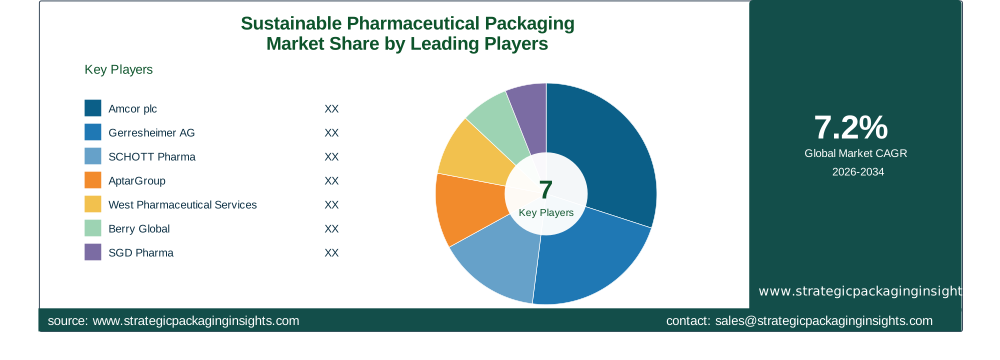
Amcor plc, for instance, is known for its commitment to sustainability and has developed a range of eco-friendly packaging solutions that reduce environmental impact. Similarly, Gerresheimer AG is focusing on developing sustainable packaging options for biologics and other sensitive pharmaceutical products. These companies are leveraging their expertise and resources to maintain a competitive edge in the market.
Other notable players in the market include SCHOTT Pharma, AptarGroup, and West Pharmaceutical Services. SCHOTT Pharma is renowned for its high-quality glass packaging solutions, which are essential for maintaining the integrity of pharmaceutical products. AptarGroup, on the other hand, is a leader in dispensing systems and is continuously innovating to create more sustainable packaging options. West Pharmaceutical Services is also making significant strides in sustainability, with a focus on reducing waste and improving product safety.
Berry Global and SGD Pharma are also key players in the market, with a strong emphasis on sustainability and innovation. Berry Global is known for its extensive range of sustainable packaging solutions, while SGD Pharma specializes in glass packaging for the pharmaceutical industry. These companies are investing in new technologies and materials to enhance their product offerings and meet the growing demand for sustainable packaging solutions.
Key Highlights
- Market Size: The Sustainable Pharmaceutical Packaging market was valued at USD 42.18 Billion in 2025 and is projected to reach USD 78.64 Billion by 2034.
- Growth Rate: The market is expected to grow at a CAGR of 7.2% during the forecast period.
- Leading Companies: Key players include Amcor plc, Gerresheimer AG, SCHOTT Pharma, and AptarGroup.
- Material Innovation: Bio-based polymers and recycled plastics are gaining traction as sustainable materials.
- Regional Growth: Asia Pacific is expected to witness significant growth due to increasing healthcare infrastructure.
- Regulatory Influence: Stringent packaging regulations are driving the adoption of sustainable practices.
- Technological Advancements: Smart packaging and digital technologies are enhancing product safety and traceability.
Sustainable Pharmaceutical Packaging Market Segments Insights

By Material Analysis
The material segment of the Sustainable Pharmaceutical Packaging market is witnessing significant growth, driven by the increasing demand for eco-friendly materials. Paper & paperboard and recycled plastics are among the most popular materials, as they offer a sustainable alternative to traditional packaging options. Companies are investing in research and development to create innovative materials that reduce environmental impact while maintaining product integrity. Bio-based polymers are also gaining traction, as they offer a biodegradable and renewable option for pharmaceutical packaging.
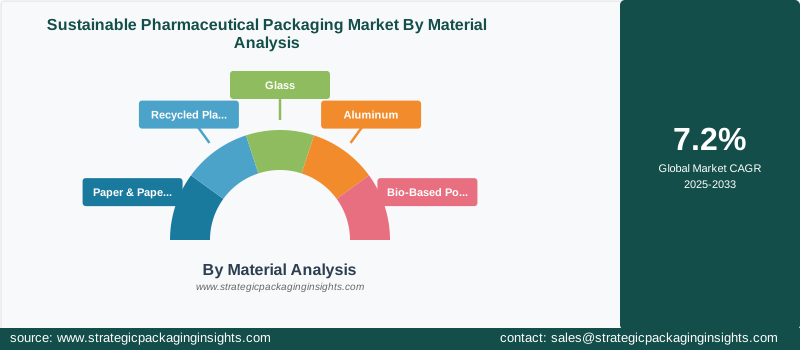
Glass and aluminum are also important materials in the market, particularly for packaging sensitive pharmaceutical products. Glass is known for its excellent barrier properties and is widely used for packaging biologics and vaccines. Aluminum, on the other hand, is lightweight and recyclable, making it an attractive option for sustainable packaging. Companies are focusing on developing new technologies and processes to enhance the sustainability of these materials and meet the growing demand for eco-friendly packaging solutions.
By Packaging Type Analysis
The packaging type segment of the Sustainable Pharmaceutical Packaging market is characterized by a wide range of options, each catering to specific pharmaceutical products. Blister packs and bottles are among the most commonly used packaging types, as they offer excellent protection and convenience for consumers. Companies are innovating to create more sustainable versions of these packaging types, using materials like recycled plastics and bio-based polymers.
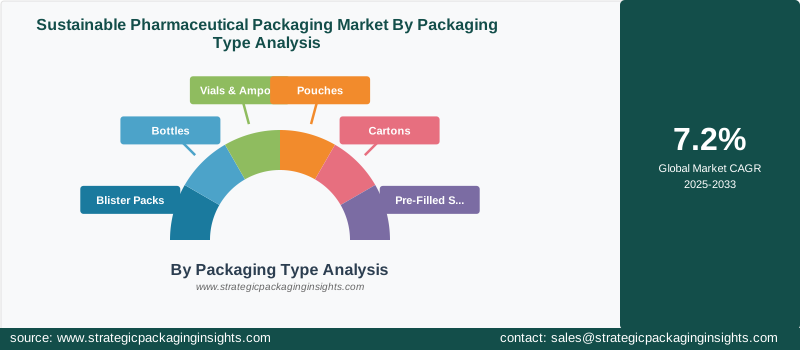
Vials & ampoules and pre-filled syringe packaging are also important segments, particularly for packaging biologics and vaccines. These packaging types require high-quality materials and precise manufacturing processes to ensure product safety and efficacy. Companies are investing in advanced technologies to enhance the sustainability of these packaging types and meet the stringent regulatory requirements of the pharmaceutical industry.
By Application Analysis
The application segment of the Sustainable Pharmaceutical Packaging market is driven by the increasing demand for prescription drugs and over-the-counter (OTC) medicines. As the global population continues to grow and age, the demand for pharmaceutical products is expected to rise, driving the need for sustainable packaging solutions. Companies are focusing on developing packaging options that cater to the specific needs of different pharmaceutical products, ensuring product safety and efficacy.
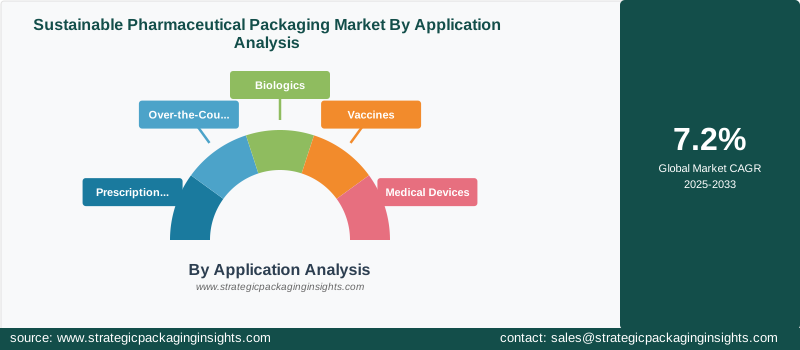
Biologics and vaccines are also important applications in the market, as they require specialized packaging to maintain product integrity. Companies are investing in research and development to create innovative packaging solutions that meet the unique requirements of these products. Medical devices are another key application, with companies focusing on developing packaging options that enhance product safety and usability.
By End User Analysis
The end user segment of the Sustainable Pharmaceutical Packaging market is driven by the increasing demand from pharmaceutical manufacturers and biotechnology companies. These companies are focusing on adopting sustainable packaging solutions to meet regulatory requirements and consumer preferences. Contract packaging organizations are also important end users, as they provide packaging services to pharmaceutical companies and are increasingly adopting sustainable practices.
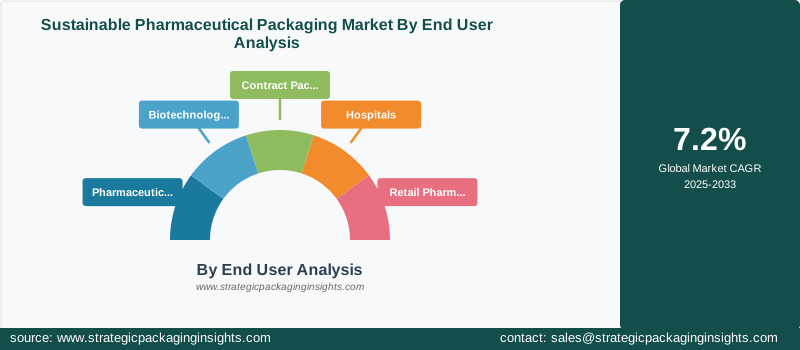
Hospitals and retail pharmacies are also key end users, as they require packaging solutions that ensure product safety and convenience for consumers. Companies are focusing on developing packaging options that cater to the specific needs of these end users, ensuring product safety and efficacy. The growing demand for sustainable packaging solutions from these end users is expected to drive market growth in the coming years.
Sustainable Pharmaceutical Packaging Market Segments
The Sustainable Pharmaceutical Packaging market has been segmented on the basis ofBy Material
- Paper & Paperboard
- Recycled Plastics
- Glass
- Aluminum
- Bio-Based Polymers
By Packaging Type
- Blister Packs
- Bottles
- Vials & Ampoules
- Pouches
- Cartons
- Pre-Filled Syringe Packaging
By Application
- Prescription Drugs
- Over-the-Counter (OTC) Medicines
- Biologics
- Vaccines
- Medical Devices
By End User
- Pharmaceutical Manufacturers
- Biotechnology Companies
- Contract Packaging Organizations
- Hospitals
- Retail Pharmacies
Region
- Asia Pacific
- North America
- Latin America
- Europe
- Middle East & Africa




