


Stirrer Market Outlook
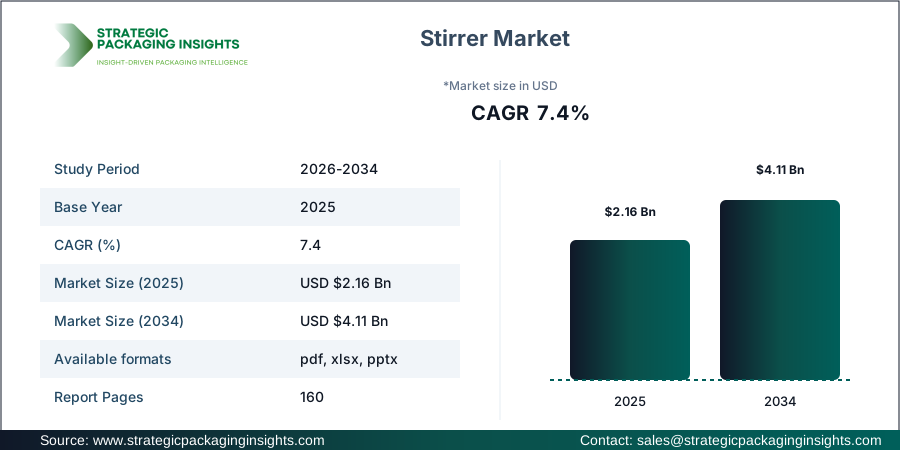
The stirrer market was valued at $2.16 billion in 2025 and is projected to reach $4.11 billion by 2034, growing at a CAGR of 7.4% during the forecast period 2026-2034. This growth is driven by increasing demand in the foodservice industry, particularly in cafes and restaurants, where stirrers are essential for serving beverages like coffee and tea. The shift towards eco-friendly and biodegradable materials is also propelling market expansion, as consumers and businesses alike seek sustainable alternatives to traditional plastic stirrers. The market is further bolstered by innovations in material technology, allowing for the production of stirrers that are both functional and environmentally friendly.
Despite the promising growth trajectory, the stirrer market faces challenges such as stringent environmental regulations and the fluctuating costs of raw materials. Regulatory bodies across various regions are imposing bans on single-use plastics, which affects the production and distribution of plastic stirrers. However, this also presents an opportunity for manufacturers to innovate and develop biodegradable and compostable alternatives. The market's potential is further enhanced by the growing trend of customization, where businesses seek branded stirrers to enhance their customer experience. As the market evolves, companies are focusing on expanding their product lines to include a variety of materials and designs to cater to diverse consumer preferences.
Report Scope
| Attributes | Details |
| Report Title | Stirrer Market Size, Future Growth and Forecast 2034 |
| By Product Type | Wooden Stirrers, Plastic Stirrers, Paper Stirrers |
| By Application | Coffee, Tea, Beverages, Foodservice |
| By Material Type | Wood, Plastic, Paper, Bio-based Material |
| By End Use | Cafes, Restaurants, Institutions, Airlines |
| Region | Asia Pacific, North America, Latin America, Europe, Middle East & Africa |
| Base Year | 2025 |
| Historic Period | 2018-2024 |
| Forecast Period | 2026-2034 |
| Number of Pages | 160 |
| Customization Available | Yes* |
Opportunities & Threats
The stirrer market presents significant opportunities, particularly in the realm of sustainable and eco-friendly products. As environmental awareness increases globally, there is a growing demand for biodegradable and compostable stirrers. This shift is driven by both consumer preferences and regulatory mandates aimed at reducing plastic waste. Companies that invest in research and development to create innovative, sustainable stirrers are likely to gain a competitive edge. Additionally, the rise of the foodservice industry, especially in emerging markets, offers a lucrative opportunity for market expansion. As more cafes and restaurants open, the demand for stirrers is expected to rise, providing a steady growth avenue for manufacturers.
Another opportunity lies in the customization of stirrers. Businesses are increasingly looking to enhance their brand identity through personalized products, including stirrers. This trend is particularly prevalent in the hospitality sector, where customer experience is paramount. By offering customized stirrers, companies can cater to specific client needs and preferences, thereby strengthening customer loyalty and expanding their market reach. Furthermore, advancements in material technology present opportunities for the development of stirrers that are not only eco-friendly but also more durable and aesthetically pleasing.
However, the market is not without its threats. One of the primary challenges is the stringent regulations surrounding single-use plastics. Many countries are implementing bans or restrictions on plastic products, which directly impacts the production and sale of plastic stirrers. This regulatory environment necessitates a shift towards alternative materials, which may involve higher production costs. Additionally, the volatility in raw material prices can pose a threat to market stability. Manufacturers must navigate these challenges by adopting cost-effective production methods and exploring alternative materials to maintain profitability.
Drivers & Challenges
The stirrer market is driven by several key factors, including the booming foodservice industry and the increasing consumer preference for convenience. As the number of cafes, restaurants, and quick-service outlets continues to rise, so does the demand for stirrers. These establishments rely on stirrers for serving a variety of beverages, making them an essential component of their operations. Additionally, the growing trend of on-the-go consumption has further fueled the demand for disposable stirrers, as consumers seek quick and convenient solutions for their beverage needs.
Another significant driver is the shift towards sustainable and eco-friendly products. With increasing environmental awareness, both consumers and businesses are seeking alternatives to traditional plastic stirrers. This has led to a surge in demand for biodegradable and compostable stirrers made from materials such as wood, paper, and bio-based materials. Companies that can offer sustainable solutions are likely to capture a larger market share, as they align with the values of environmentally conscious consumers. Furthermore, technological advancements in material science are enabling the production of stirrers that are not only eco-friendly but also durable and aesthetically appealing.
Despite these drivers, the stirrer market faces several challenges. One of the primary challenges is the regulatory landscape surrounding single-use plastics. Many regions are implementing bans or restrictions on plastic products, which directly impacts the production and sale of plastic stirrers. This regulatory environment necessitates a shift towards alternative materials, which may involve higher production costs. Additionally, the volatility in raw material prices can pose a threat to market stability. Manufacturers must navigate these challenges by adopting cost-effective production methods and exploring alternative materials to maintain profitability.
Market Share Analysis
The competitive landscape of the stirrer market is characterized by the presence of several key players who dominate the market with their extensive product offerings and strong distribution networks. Companies such as Huhtamaki, Dart Container, and Georgia-Pacific hold significant market shares due to their established brand presence and ability to cater to a wide range of customer needs. These companies have invested heavily in research and development to innovate and expand their product lines, particularly in the realm of sustainable and eco-friendly stirrers.

Huhtamaki, a leading player in the market, is known for its commitment to sustainability and innovation. The company offers a wide range of stirrers made from renewable materials, catering to the growing demand for eco-friendly products. Dart Container, another major player, has a strong presence in the North American market and is known for its high-quality plastic stirrers. The company has been focusing on expanding its product portfolio to include biodegradable options, in response to the increasing regulatory pressure on single-use plastics.
Georgia-Pacific, a well-established name in the industry, offers a diverse range of stirrers made from various materials, including wood and paper. The company's strong distribution network and focus on customer satisfaction have helped it maintain a significant market share. Hoffmaster and Eco-Products are also key players in the market, known for their innovative and sustainable product offerings. These companies have been at the forefront of the shift towards eco-friendly stirrers, leveraging their expertise in material science to develop products that meet the needs of environmentally conscious consumers.
Other notable companies in the market include Vegware, PacknWood, BioPak, Genpak, and Sabert. These companies have carved out niches for themselves by focusing on specific segments of the market, such as bio-based stirrers or customized solutions. Their ability to adapt to changing market dynamics and consumer preferences has enabled them to maintain a competitive edge. Overall, the stirrer market is characterized by intense competition, with companies vying for market share through innovation, sustainability, and customer-centric strategies.
Key Highlights
- The stirrer market is projected to grow from $2.16 billion in 2025 to $4.11 billion by 2034, at a CAGR of 7.4%.
- Increasing demand for eco-friendly and biodegradable stirrers is driving market growth.
- Customization of stirrers is a growing trend, particularly in the hospitality sector.
- Stringent regulations on single-use plastics are pushing manufacturers towards sustainable alternatives.
- Technological advancements in material science are enabling the production of durable and aesthetically pleasing stirrers.
- The foodservice industry, particularly cafes and restaurants, is a major driver of market demand.
- Key players in the market include Huhtamaki, Dart Container, and Georgia-Pacific.
- Emerging markets present significant growth opportunities for stirrer manufacturers.
- Volatility in raw material prices poses a challenge to market stability.
- Companies are focusing on expanding their product lines to include a variety of materials and designs.
Top Countries Insights
In the stirrer market, the United States stands out as a key player, with a market size of approximately $1.2 billion and a CAGR of 5%. The country's robust foodservice industry, coupled with a strong emphasis on sustainability, drives demand for eco-friendly stirrers. Regulatory measures aimed at reducing plastic waste further bolster the market, encouraging manufacturers to innovate and offer biodegradable alternatives. The presence of major companies like Dart Container and Georgia-Pacific also contributes to the market's growth, as they continue to expand their product offerings and distribution networks.

China, with a market size of $800 million and a CAGR of 8%, is another significant player in the stirrer market. The country's rapidly growing foodservice industry, driven by urbanization and changing consumer lifestyles, fuels demand for stirrers. Additionally, government initiatives promoting environmental sustainability are encouraging the adoption of biodegradable and compostable stirrers. Chinese manufacturers are increasingly focusing on developing innovative products to cater to the diverse needs of the domestic market, as well as expanding their presence in international markets.
Germany, with a market size of $600 million and a CAGR of 6%, is a key market in Europe. The country's strong emphasis on environmental sustainability and stringent regulations on single-use plastics drive demand for eco-friendly stirrers. German consumers are increasingly seeking sustainable alternatives, prompting manufacturers to innovate and offer products made from renewable materials. The presence of established companies like Huhtamaki and Hoffmaster further strengthens the market, as they continue to invest in research and development to meet the evolving needs of consumers.
India, with a market size of $500 million and a CAGR of 9%, presents significant growth opportunities for the stirrer market. The country's burgeoning foodservice industry, driven by a growing middle class and increasing disposable incomes, fuels demand for stirrers. Additionally, government initiatives promoting sustainability and reducing plastic waste are encouraging the adoption of biodegradable stirrers. Indian manufacturers are focusing on developing cost-effective and innovative products to cater to the domestic market, as well as exploring opportunities for export.
Brazil, with a market size of $400 million and a CAGR of 7%, is a key market in Latin America. The country's growing foodservice industry, coupled with increasing consumer awareness of environmental issues, drives demand for eco-friendly stirrers. Brazilian manufacturers are increasingly focusing on developing sustainable products to meet the needs of environmentally conscious consumers. The presence of established companies like BioPak and Vegware further strengthens the market, as they continue to expand their product offerings and distribution networks.
Stirrer Market Segments Insights

Product Type Analysis
The stirrer market is segmented by product type into wooden stirrers, plastic stirrers, and paper stirrers. Wooden stirrers are gaining popularity due to their eco-friendly nature and biodegradability. They are widely used in cafes and restaurants, where sustainability is a key concern. The demand for wooden stirrers is further driven by the increasing regulatory pressure on single-use plastics, prompting businesses to seek sustainable alternatives. Plastic stirrers, while still prevalent, are facing declining demand due to environmental concerns and regulatory restrictions. However, they remain popular in certain segments due to their cost-effectiveness and durability. Paper stirrers are emerging as a viable alternative, offering a balance between sustainability and functionality. They are increasingly being adopted by businesses looking to enhance their eco-friendly credentials.
The market for bio-based stirrers is also witnessing significant growth, driven by advancements in material technology and increasing consumer awareness of environmental issues. Bio-based stirrers, made from renewable resources, offer a sustainable alternative to traditional plastic stirrers. They are gaining traction in the market as businesses seek to align with consumer preferences for eco-friendly products. The growing trend of customization is also influencing the product type segment, with businesses seeking branded stirrers to enhance their customer experience. Overall, the product type segment is characterized by a shift towards sustainable and innovative solutions, driven by regulatory pressures and changing consumer preferences.
Application Analysis
The application segment of the stirrer market includes coffee, tea, beverages, and foodservice. The coffee segment is a major driver of market demand, as stirrers are essential for serving coffee in cafes and restaurants. The increasing popularity of specialty coffee and the rise of coffee culture are further fueling demand for stirrers in this segment. The tea segment is also witnessing growth, driven by the increasing consumption of tea in both traditional and modern settings. As consumers seek convenient and quick solutions for their beverage needs, the demand for disposable stirrers is expected to rise.
The beverages segment, which includes a wide range of non-alcoholic drinks, is another key driver of market demand. As the consumption of beverages continues to rise, particularly in on-the-go settings, the demand for stirrers is expected to increase. The foodservice segment, which encompasses a variety of establishments such as cafes, restaurants, and quick-service outlets, is a major contributor to market growth. These establishments rely on stirrers for serving a variety of beverages, making them an essential component of their operations. Overall, the application segment is characterized by a strong demand for stirrers across various settings, driven by the growing foodservice industry and changing consumer preferences.
Material Type Analysis
The material type segment of the stirrer market includes wood, plastic, paper, and bio-based materials. Wood stirrers are gaining popularity due to their eco-friendly nature and biodegradability. They are widely used in cafes and restaurants, where sustainability is a key concern. The demand for wood stirrers is further driven by the increasing regulatory pressure on single-use plastics, prompting businesses to seek sustainable alternatives. Plastic stirrers, while still prevalent, are facing declining demand due to environmental concerns and regulatory restrictions. However, they remain popular in certain segments due to their cost-effectiveness and durability.
Paper stirrers are emerging as a viable alternative, offering a balance between sustainability and functionality. They are increasingly being adopted by businesses looking to enhance their eco-friendly credentials. The market for bio-based stirrers is also witnessing significant growth, driven by advancements in material technology and increasing consumer awareness of environmental issues. Bio-based stirrers, made from renewable resources, offer a sustainable alternative to traditional plastic stirrers. They are gaining traction in the market as businesses seek to align with consumer preferences for eco-friendly products. Overall, the material type segment is characterized by a shift towards sustainable and innovative solutions, driven by regulatory pressures and changing consumer preferences.
End Use Analysis
The end use segment of the stirrer market includes cafes, restaurants, institutions, and airlines. Cafes and restaurants are major drivers of market demand, as stirrers are essential for serving beverages in these establishments. The increasing popularity of specialty coffee and the rise of coffee culture are further fueling demand for stirrers in this segment. Institutions, such as schools and hospitals, also contribute to market growth, as they require stirrers for serving beverages in their cafeterias and dining facilities.
The airline industry is another key end use segment, as stirrers are used for serving beverages on flights. The growing number of air travelers and the increasing focus on enhancing the in-flight experience are driving demand for stirrers in this segment. Overall, the end use segment is characterized by a strong demand for stirrers across various settings, driven by the growing foodservice industry and changing consumer preferences. As businesses seek to enhance their customer experience and align with sustainability goals, the demand for eco-friendly and innovative stirrers is expected to rise.
Stirrer Market Segments
The Stirrer market has been segmented on the basis ofBy Product Type
- Wooden Stirrers
- Plastic Stirrers
- Paper Stirrers
By Application
- Coffee
- Tea
- Beverages
- Foodservice
By Material Type
- Wood
- Plastic
- Paper
- Bio-based Material
By End Use
- Cafes
- Restaurants
- Institutions
- Airlines
Region
- Asia Pacific
- North America
- Latin America
- Europe
- Middle East & Africa




