


Stick Packaging Market Outlook
The stick packaging market was valued at $614.25 million in 2025 and is projected to reach $1.21 billion by 2034, growing at a CAGR of 7.8% during the forecast period 2026-2034. This growth trajectory is driven by the increasing demand for convenient and portable packaging solutions across various industries. Stick packaging, known for its compact and user-friendly design, is gaining traction in sectors such as food, pharmaceuticals, and personal care. The rising consumer preference for single-serve and on-the-go products is further propelling the market. Additionally, advancements in packaging materials and technologies are enhancing the functionality and appeal of stick packaging, making it a preferred choice for manufacturers and consumers alike.
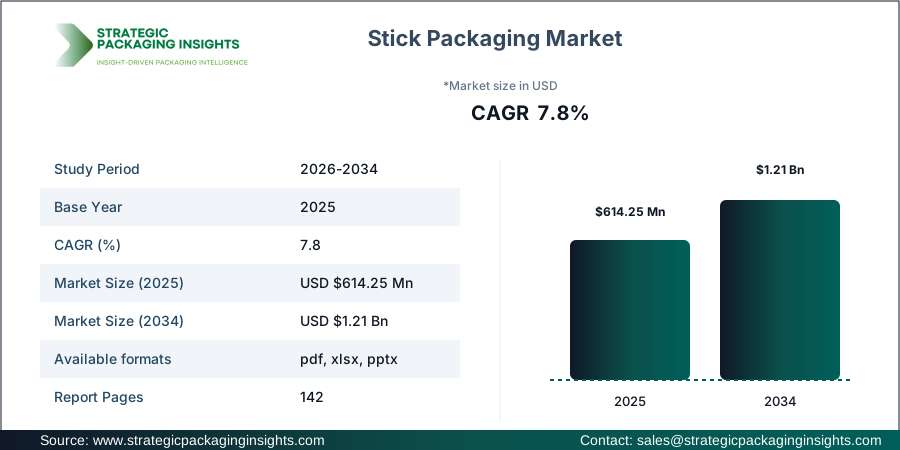
Despite the promising growth prospects, the stick packaging market faces certain challenges. Regulatory constraints related to packaging materials and environmental concerns regarding plastic usage are significant restraining factors. However, the market holds substantial growth potential, driven by the increasing adoption of sustainable and eco-friendly packaging solutions. Companies are investing in research and development to create biodegradable and recyclable stick packaging options, aligning with the global shift towards sustainability. Moreover, the expanding e-commerce sector and the growing trend of personalized packaging are expected to create new opportunities for market players, enabling them to cater to diverse consumer preferences and enhance their market presence.
Report Scope
| Attributes | Details |
| Report Title | Stick Packaging Market Size, Future Growth and Forecast 2034 |
| By Material Type | Plastic Laminates, Foil Laminates, Paper-Based Laminates |
| By Application | Powders, Liquids, Nutraceuticals, Condiments |
| By Pack Type | Single-Lane, Multi-Lane, Easy-Tear |
| By End Use | Food, Pharma, Personal Care, Contract Packers |
| Region | Asia Pacific, North America, Latin America, Europe, Middle East & Africa |
| Base Year | 2025 |
| Historic Period | 2018-2024 |
| Forecast Period | 2026-2034 |
| Number of Pages | 142 |
| Customization Available | Yes* |
Opportunities & Threats
The stick packaging market presents numerous opportunities for growth, primarily driven by the increasing demand for convenient and portable packaging solutions. As consumers continue to lead fast-paced lifestyles, the need for single-serve and on-the-go products is on the rise. This trend is particularly evident in the food and beverage industry, where stick packaging is being widely adopted for products such as coffee, sugar, and condiments. Additionally, the pharmaceutical sector is witnessing a surge in demand for stick packaging, as it offers precise dosing and easy administration of medications. The growing popularity of nutraceuticals and dietary supplements further contributes to the market's expansion, as stick packaging provides a convenient and hygienic way to consume these products.
Another significant opportunity lies in the development of sustainable and eco-friendly stick packaging solutions. With increasing environmental awareness and stringent regulations on plastic usage, companies are focusing on creating biodegradable and recyclable packaging options. This shift towards sustainability not only addresses environmental concerns but also enhances brand image and consumer loyalty. Furthermore, the rise of e-commerce and online retailing presents a lucrative opportunity for stick packaging manufacturers. As more consumers turn to online shopping, the demand for secure and efficient packaging solutions is growing, driving the adoption of stick packaging in the e-commerce sector.
However, the stick packaging market is not without its challenges. One of the primary threats is the regulatory landscape surrounding packaging materials. Governments worldwide are implementing stringent regulations to reduce plastic waste and promote sustainable packaging practices. These regulations can pose challenges for manufacturers, as they may require significant investments in research and development to comply with new standards. Additionally, the high cost of raw materials and the complexity of the packaging process can hinder market growth. Companies need to balance cost-effectiveness with quality and sustainability to remain competitive in the market.
Drivers & Challenges
The stick packaging market is driven by several key factors, including the increasing demand for convenient and portable packaging solutions. As consumers continue to lead busy lifestyles, the need for single-serve and on-the-go products is on the rise. Stick packaging offers a compact and user-friendly design, making it an ideal choice for various industries, including food, pharmaceuticals, and personal care. The growing popularity of nutraceuticals and dietary supplements further contributes to the market's expansion, as stick packaging provides a convenient and hygienic way to consume these products. Additionally, advancements in packaging materials and technologies are enhancing the functionality and appeal of stick packaging, making it a preferred choice for manufacturers and consumers alike.
Another significant driver of the stick packaging market is the increasing focus on sustainability and eco-friendly packaging solutions. With growing environmental awareness and stringent regulations on plastic usage, companies are investing in research and development to create biodegradable and recyclable packaging options. This shift towards sustainability not only addresses environmental concerns but also enhances brand image and consumer loyalty. Furthermore, the rise of e-commerce and online retailing presents a lucrative opportunity for stick packaging manufacturers. As more consumers turn to online shopping, the demand for secure and efficient packaging solutions is growing, driving the adoption of stick packaging in the e-commerce sector.
Despite the promising growth prospects, the stick packaging market faces certain challenges. One of the primary challenges is the regulatory landscape surrounding packaging materials. Governments worldwide are implementing stringent regulations to reduce plastic waste and promote sustainable packaging practices. These regulations can pose challenges for manufacturers, as they may require significant investments in research and development to comply with new standards. Additionally, the high cost of raw materials and the complexity of the packaging process can hinder market growth. Companies need to balance cost-effectiveness with quality and sustainability to remain competitive in the market.
Market Share Analysis
The stick packaging market is characterized by a competitive landscape with several key players vying for market share. Companies such as Amcor, Mondi, Huhtamaki, Constantia Flexibles, UFlex, ProAmpac, Syntegon, IMA Group, Mespack, and Universal Pack are prominent players in the market. These companies are focusing on strategic initiatives such as mergers and acquisitions, partnerships, and product innovations to strengthen their market position and expand their product offerings. The competitive landscape is further intensified by the presence of regional and local players who cater to specific markets and customer preferences.
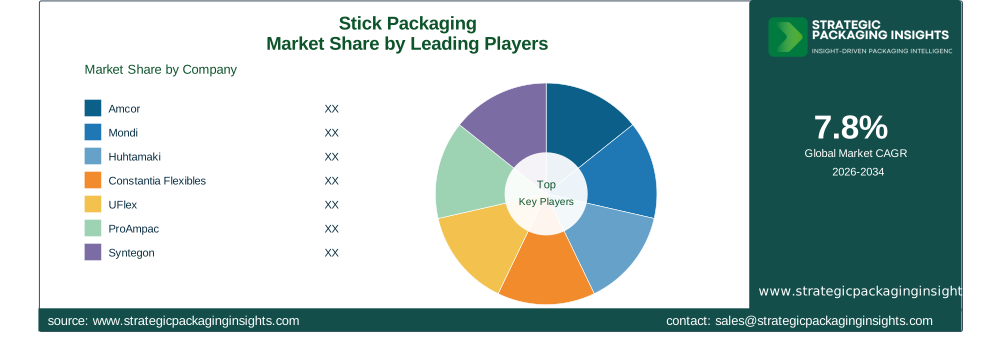
Amcor, a leading player in the stick packaging market, holds a significant market share due to its extensive product portfolio and strong global presence. The company is known for its innovative packaging solutions and commitment to sustainability, which has helped it maintain a competitive edge in the market. Similarly, Mondi is another key player that has established itself as a leader in the packaging industry. The company's focus on sustainable packaging solutions and its strong customer base have contributed to its success in the stick packaging market.
Huhtamaki, a global packaging company, is also a major player in the stick packaging market. The company's focus on innovation and customer-centric solutions has helped it capture a significant market share. Constantia Flexibles, known for its flexible packaging solutions, is another key player that has made a mark in the stick packaging market. The company's emphasis on sustainability and its diverse product offerings have contributed to its growth and success in the market.
Other notable players in the stick packaging market include UFlex, ProAmpac, Syntegon, IMA Group, Mespack, and Universal Pack. These companies are actively investing in research and development to create innovative and sustainable packaging solutions. Their strategic initiatives and focus on customer satisfaction have helped them maintain a strong presence in the market. Overall, the stick packaging market is highly competitive, with companies striving to differentiate themselves through innovation, sustainability, and customer-centric solutions.
Key Highlights
- The stick packaging market is projected to grow at a CAGR of 7.8% from 2026 to 2034.
- Increasing demand for convenient and portable packaging solutions is driving market growth.
- Advancements in packaging materials and technologies are enhancing the functionality of stick packaging.
- The rise of e-commerce and online retailing presents a lucrative opportunity for stick packaging manufacturers.
- Companies are focusing on developing sustainable and eco-friendly packaging solutions.
- Regulatory constraints related to packaging materials pose challenges for market players.
- Key players in the market include Amcor, Mondi, Huhtamaki, Constantia Flexibles, and UFlex.
- The food and pharmaceutical sectors are major end-users of stick packaging.
- Stick packaging offers a compact and user-friendly design, making it a preferred choice for consumers.
- The market is characterized by intense competition and strategic initiatives by key players.
Top Countries Insights
In the stick packaging market, the United States stands out as a key player, with a market size of approximately $250 million and a CAGR of 6%. The country's robust food and beverage industry, coupled with the increasing demand for convenient packaging solutions, drives market growth. Additionally, the presence of major packaging companies and technological advancements in packaging materials contribute to the market's expansion. However, regulatory constraints related to plastic usage and environmental concerns pose challenges for market players.
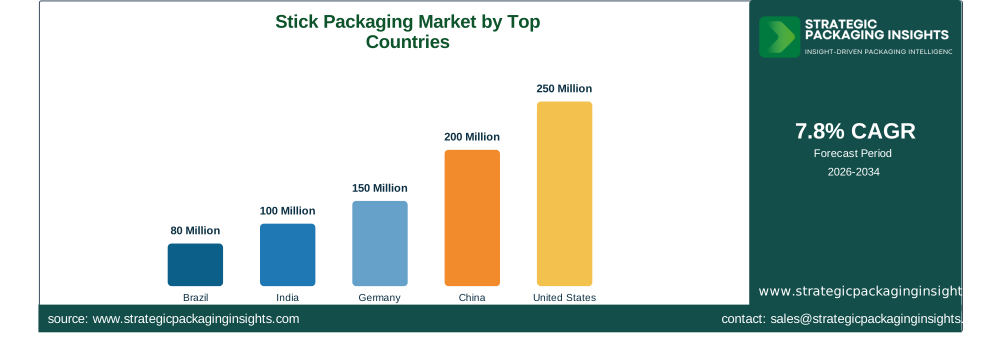
China is another significant market for stick packaging, with a market size of around $200 million and a CAGR of 8%. The country's growing population and rising disposable income levels are driving the demand for single-serve and on-the-go products. The expanding e-commerce sector and the increasing focus on sustainable packaging solutions further contribute to market growth. However, the high cost of raw materials and the complexity of the packaging process can hinder market expansion.
Germany, with a market size of approximately $150 million and a CAGR of 5%, is a key player in the European stick packaging market. The country's strong manufacturing sector and the increasing demand for convenient packaging solutions drive market growth. Additionally, the focus on sustainability and eco-friendly packaging options aligns with the country's stringent environmental regulations, further boosting market expansion.
India, with a market size of around $100 million and a CAGR of 9%, is an emerging market for stick packaging. The country's growing middle-class population and the increasing demand for packaged food and beverages drive market growth. The rise of e-commerce and online retailing presents a lucrative opportunity for stick packaging manufacturers. However, regulatory constraints and the high cost of raw materials pose challenges for market players.
Brazil, with a market size of approximately $80 million and a CAGR of 7%, is a key player in the Latin American stick packaging market. The country's expanding food and beverage industry and the increasing demand for convenient packaging solutions drive market growth. Additionally, the focus on sustainable packaging options and the growing popularity of nutraceuticals and dietary supplements contribute to market expansion. However, economic instability and regulatory constraints can hinder market growth.
Stick Packaging Market Segments Insights

Material Type Analysis
The stick packaging market is segmented by material type into plastic laminates, foil laminates, and paper-based laminates. Plastic laminates dominate the market due to their durability, flexibility, and cost-effectiveness. They are widely used in the food and pharmaceutical industries for packaging products such as powders, liquids, and nutraceuticals. However, the increasing environmental concerns and regulatory constraints on plastic usage are driving the demand for alternative materials. Foil laminates, known for their excellent barrier properties, are gaining popularity in the pharmaceutical sector for packaging sensitive products. Paper-based laminates, on the other hand, are emerging as a sustainable alternative, aligning with the global shift towards eco-friendly packaging solutions.
The demand for sustainable packaging materials is driving innovation in the stick packaging market. Companies are investing in research and development to create biodegradable and recyclable laminates that meet regulatory standards and consumer preferences. The growing focus on sustainability is expected to boost the adoption of paper-based laminates, as they offer a renewable and environmentally friendly packaging solution. Additionally, advancements in material technologies are enhancing the functionality and appeal of stick packaging, making it a preferred choice for manufacturers and consumers alike.
Application Analysis
The stick packaging market is segmented by application into powders, liquids, nutraceuticals, and condiments. The powders segment holds a significant market share, driven by the increasing demand for single-serve and on-the-go products in the food and beverage industry. Stick packaging offers a convenient and hygienic way to package and consume powdered products such as coffee, sugar, and protein supplements. The liquids segment is also witnessing growth, particularly in the pharmaceutical sector, where stick packaging provides precise dosing and easy administration of medications.
The nutraceuticals segment is experiencing rapid growth, driven by the increasing consumer focus on health and wellness. Stick packaging offers a convenient and portable solution for consuming dietary supplements and functional foods. The condiments segment is also gaining traction, as stick packaging provides a convenient way to package and dispense sauces, dressings, and seasonings. The growing popularity of stick packaging across various applications is driving market growth, as it offers a compact and user-friendly design that meets consumer preferences for convenience and portability.
Pack Type Analysis
The stick packaging market is segmented by pack type into single-lane, multi-lane, and easy-tear. Single-lane stick packaging is widely used in the food and pharmaceutical industries for packaging products such as powders, liquids, and nutraceuticals. It offers a compact and user-friendly design, making it a preferred choice for manufacturers and consumers alike. Multi-lane stick packaging, on the other hand, is gaining popularity in the food industry for packaging products such as condiments and sauces. It offers increased production efficiency and cost-effectiveness, making it an attractive option for manufacturers.
Easy-tear stick packaging is emerging as a popular choice for consumers, as it offers a convenient and hassle-free way to open and consume packaged products. The growing demand for convenient and portable packaging solutions is driving the adoption of easy-tear stick packaging across various industries. Additionally, advancements in packaging technologies are enhancing the functionality and appeal of stick packaging, making it a preferred choice for manufacturers and consumers alike. The increasing focus on sustainability and eco-friendly packaging solutions is also driving innovation in the stick packaging market, as companies strive to create packaging options that meet regulatory standards and consumer preferences.
End Use Analysis
The stick packaging market is segmented by end use into food, pharma, personal care, and contract packers. The food industry holds a significant market share, driven by the increasing demand for single-serve and on-the-go products. Stick packaging offers a convenient and hygienic way to package and consume food products such as coffee, sugar, and condiments. The pharmaceutical sector is also witnessing growth, as stick packaging provides precise dosing and easy administration of medications.
The personal care industry is experiencing rapid growth, driven by the increasing consumer focus on health and wellness. Stick packaging offers a convenient and portable solution for packaging personal care products such as lotions, creams, and gels. The contract packers segment is also gaining traction, as stick packaging provides a cost-effective and efficient way to package and distribute products. The growing popularity of stick packaging across various end-use industries is driving market growth, as it offers a compact and user-friendly design that meets consumer preferences for convenience and portability.
Stick Packaging Market Segments
The Stick Packaging market has been segmented on the basis ofBy Material Type
- Plastic Laminates
- Foil Laminates
- Paper-Based Laminates
By Application
- Powders
- Liquids
- Nutraceuticals
- Condiments
By Pack Type
- Single-Lane
- Multi-Lane
- Easy-Tear
By End Use
- Food
- Pharma
- Personal Care
- Contract Packers
Region
- Asia Pacific
- North America
- Latin America
- Europe
- Middle East & Africa




