


Sterilization Tunnel Market Outlook
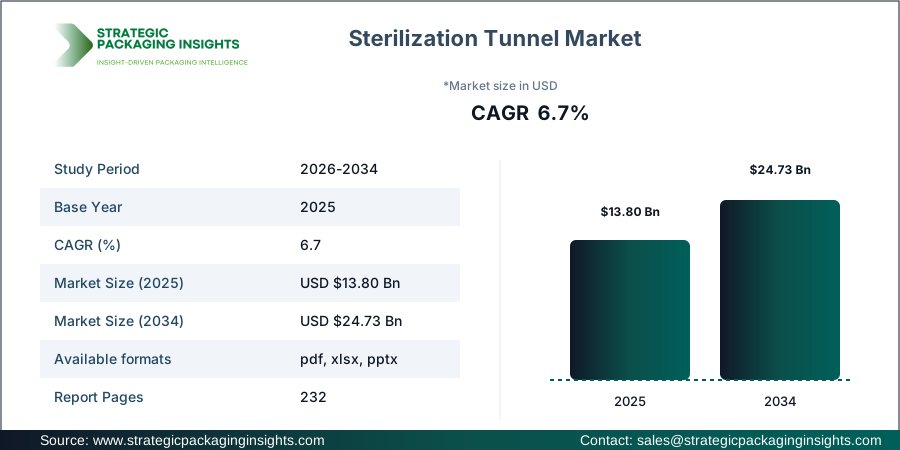
The Sterilization Tunnel market size was valued at USD 13.80 billion in 2025 and is anticipated to reach USD 24.73 billion by 2034, growing at a CAGR of 6.7% during the forecast period according to Strategic Packaging Insights. The market is witnessing significant growth due to the increasing demand for sterilization solutions in the pharmaceutical and biotechnology sectors. Companies like Syntegon and IMA Group are at the forefront, driving innovation and efficiency in sterilization processes. The growing need for sterile packaging in healthcare and the rising prevalence of infectious diseases are key factors propelling market expansion.
One of the most impactful drivers of the Sterilization Tunnel market is the stringent regulatory requirements for sterilization in pharmaceutical manufacturing. Governments worldwide are enforcing strict guidelines to ensure the safety and efficacy of pharmaceutical products, which in turn is boosting the demand for advanced sterilization technologies. For instance, the U.S. Food and Drug Administration (FDA) and the European Medicines Agency (EMA) have set rigorous standards for sterilization processes, compelling manufacturers to adopt state-of-the-art sterilization tunnels. This regulatory push is expected to sustain market growth, with companies like Marchesini Group and Steriline leading the charge in compliance and innovation.
Report Scope
| Attributes | Details |
| Report Title | Sterilization Tunnel Market Size, Future Growth and Forecast 2034 |
| Technology | Dry Heat Tunnel, UV Sterilization Tunnel, Depyrogenation Tunnel |
| Application | Vials, Ampoules, Syringes, Bottles |
| End Use | Pharmaceuticals, Biotechnology, Hospitals, Laboratories |
| Automation Level | Semi-Automatic, Automatic, Integrated Line |
| Region | Asia Pacific, North America, Latin America, Europe, Middle East & Africa |
| Base Year | 2025 |
| Historic Period | 2018-2024 |
| Forecast Period | 2026-2034 |
| Number of Pages | 232 |
| Customization Available | Yes* |
Sustainability & Circular Economy Analysis
Sustainability initiatives are increasingly shaping the Sterilization Tunnel market, as companies strive to reduce their environmental impact. The adoption of recyclable materials and eco-friendly innovations in sterilization processes is becoming a priority. For instance, the use of energy-efficient technologies in sterilization tunnels is helping reduce carbon footprints, aligning with global sustainability goals. Companies are also exploring lightweight packaging solutions to minimize waste and enhance recyclability, which is crucial for meeting consumer sustainability preferences and regulatory requirements.
The circular economy is influencing investment decisions and supply chain strategies within the sterilization tunnel market. Manufacturers are focusing on waste reduction strategies and extended producer responsibility (EPR) to enhance their market competitiveness. By integrating ESG initiatives into their operations, companies are not only improving their environmental credentials but also gaining a competitive edge. This shift towards sustainable practices is driving innovation in packaging design and manufacturing, with a focus on long-term market viability and regulatory compliance.
As sustainability trends continue to evolve, they are expected to have a profound impact on the sterilization tunnel market. Companies are investing in research and development to create eco-friendly materials and processes that meet stringent regulatory standards. This focus on sustainability is also influencing consumer preferences, with an increasing demand for products that are both effective and environmentally responsible. As a result, the market is witnessing a shift towards more sustainable and circular business models, which are essential for maintaining competitiveness in the long run.
Packaging Value Chain & Supply Chain Analysis
The packaging value chain in the Sterilization Tunnel market is complex, involving multiple stakeholders from raw material sourcing to end-user delivery. Raw material availability is a critical factor influencing the efficiency of the supply chain. Packaging converters and manufacturers play a pivotal role in transforming raw materials into sterilization tunnels, ensuring that they meet the required standards for safety and efficacy. Companies like OPTIMA Packaging and Fedegari are key players in this space, leveraging advanced technologies to enhance production capabilities and streamline operations.
Logistics and distribution channels are integral components of the sterilization tunnel supply chain. Efficient transportation and inventory management are essential for maintaining supply chain resilience and meeting market demand. Strategic partnerships between manufacturers, logistics providers, and retailers are crucial for optimizing distribution networks and ensuring timely delivery of products. Companies are increasingly focusing on localization and global sourcing strategies to mitigate risks associated with supply chain disruptions and enhance their competitive position.
Recycling networks and procurement strategies are also vital aspects of the sterilization tunnel supply chain. Companies are adopting sustainable procurement practices to source eco-friendly materials and reduce their environmental impact. By integrating recycling initiatives into their operations, manufacturers are not only minimizing waste but also enhancing their sustainability credentials. This holistic approach to supply chain management is essential for maintaining market competitiveness and meeting the evolving demands of consumers and regulators.
Opportunities & Threats
The Sterilization Tunnel market presents numerous opportunities for growth, driven by advancements in technology and increasing demand for sterile packaging solutions. The rise of biotechnology and pharmaceutical industries is creating a significant demand for sterilization tunnels, particularly in emerging markets. Companies like Bausch+Ströbel and Romaco are capitalizing on this trend by expanding their product portfolios and enhancing their technological capabilities. Additionally, the growing focus on healthcare infrastructure development in regions like Asia Pacific and Latin America is expected to provide lucrative opportunities for market expansion.
Another opportunity lies in the integration of automation and digital technologies in sterilization processes. The adoption of Industry 4.0 technologies, such as IoT and AI, is enabling manufacturers to enhance operational efficiency and reduce costs. Companies are investing in automated sterilization tunnels to improve process control and ensure compliance with stringent regulatory standards. This trend is expected to drive market growth, with players like Tofflon and Truking leading the way in innovation and technological advancement.
Despite the promising opportunities, the Sterilization Tunnel market faces several threats, including regulatory challenges and high initial investment costs. Compliance with stringent regulatory standards can be a significant barrier for new entrants, limiting market competition. Additionally, the high cost of advanced sterilization technologies may deter small and medium-sized enterprises from adopting these solutions. Companies must navigate these challenges by investing in research and development to create cost-effective and compliant sterilization solutions.
Drivers & Challenges
The primary driver of the Sterilization Tunnel market is the increasing demand for sterile packaging solutions in the pharmaceutical and biotechnology sectors. The rising prevalence of infectious diseases and the need for safe and effective drug delivery systems are fueling this demand. Companies like Syntegon and IMA Group are at the forefront of this trend, developing innovative sterilization technologies that meet the evolving needs of the healthcare industry. Additionally, the growing focus on patient safety and regulatory compliance is driving the adoption of advanced sterilization tunnels.
Technological advancements are also playing a crucial role in driving market growth. The integration of automation and digital technologies in sterilization processes is enhancing operational efficiency and reducing costs. Companies are investing in research and development to create cutting-edge sterilization solutions that offer improved process control and compliance with regulatory standards. This trend is expected to continue, with players like Marchesini Group and Steriline leading the way in innovation and technological advancement.
However, the Sterilization Tunnel market faces several challenges, including regulatory hurdles and high initial investment costs. Compliance with stringent regulatory standards can be a significant barrier for new entrants, limiting market competition. Additionally, the high cost of advanced sterilization technologies may deter small and medium-sized enterprises from adopting these solutions. Companies must navigate these challenges by investing in research and development to create cost-effective and compliant sterilization solutions.
Market Share Analysis
The Sterilization Tunnel market is characterized by a competitive landscape with several key players vying for market share. Companies like Syntegon, IMA Group, and Marchesini Group are leading the market, leveraging their technological expertise and extensive product portfolios to maintain a competitive edge. These companies are investing heavily in research and development to create innovative sterilization solutions that meet the evolving needs of the healthcare industry. Their strong market presence and strategic partnerships with key stakeholders are driving their market dominance.
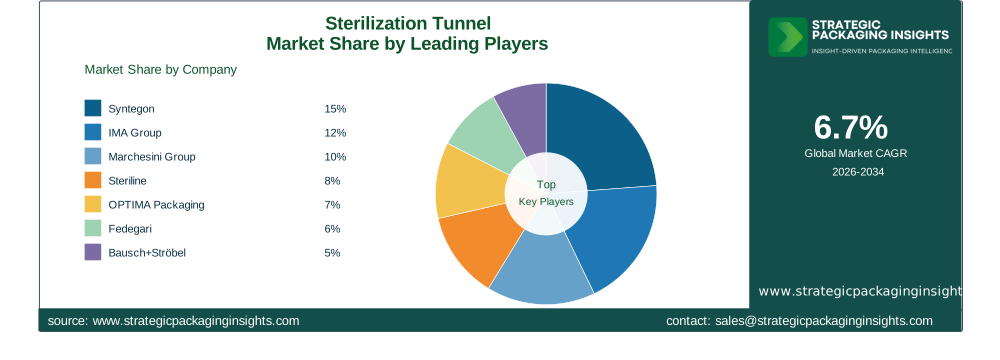
Other notable players in the market include Steriline, OPTIMA Packaging, and Fedegari, who are focusing on expanding their product offerings and enhancing their technological capabilities. These companies are adopting advanced manufacturing processes and integrating automation technologies to improve operational efficiency and reduce costs. Their commitment to innovation and quality is enabling them to capture a significant share of the market and strengthen their competitive position.
Bausch+Ströbel and Romaco are also key players in the Sterilization Tunnel market, known for their cutting-edge technologies and comprehensive product portfolios. These companies are focusing on expanding their global presence and establishing strategic partnerships to enhance their market reach. Their emphasis on customer satisfaction and regulatory compliance is driving their market success and enabling them to capture a substantial share of the market.
Tofflon and Truking are emerging players in the market, gaining traction with their innovative sterilization solutions and strong focus on research and development. These companies are investing in advanced technologies and expanding their product offerings to meet the growing demand for sterilization tunnels. Their strategic initiatives and commitment to quality are positioning them as key contenders in the market, with the potential to capture a significant share of the market in the coming years.
Key Highlights
- Market Size: USD 13.80 billion in 2025, projected to reach USD 24.73 billion by 2034.
- Growth Rate: Expected CAGR of 6.7% during the forecast period.
- Leading Companies: Syntegon, IMA Group, Marchesini Group, Steriline, OPTIMA Packaging.
- Technology Segments: Dry Heat Tunnel, UV Sterilization Tunnel, Depyrogenation Tunnel.
- Application Segments: Vials, Ampoules, Syringes, Bottles.
- End Use Segments: Pharmaceuticals, Biotechnology, Hospitals, Laboratories.
- Regional Growth: Significant growth expected in Asia Pacific and North America.
Sterilization Tunnel Market Segments Insights

Technology Analysis
The technology segment of the Sterilization Tunnel market is witnessing significant advancements, driven by the increasing demand for efficient and reliable sterilization solutions. The Dry Heat Tunnel technology is gaining traction due to its ability to effectively sterilize heat-resistant materials without the use of chemicals. Companies like Syntegon and IMA Group are leading the way in developing innovative dry heat sterilization solutions that offer enhanced safety and efficacy. The UV Sterilization Tunnel technology is also gaining popularity, particularly in applications where chemical-free sterilization is required. This technology is being adopted by companies like Marchesini Group and Steriline, who are focusing on enhancing their product offerings to meet the evolving needs of the market.
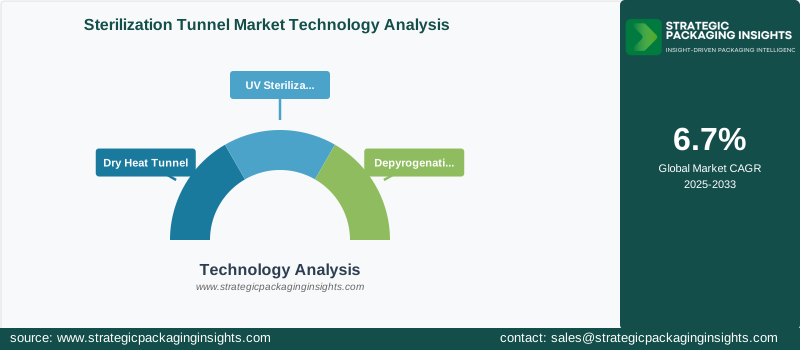
The Depyrogenation Tunnel technology is another key segment, particularly in the pharmaceutical industry where the removal of pyrogens is critical. Companies like OPTIMA Packaging and Fedegari are investing in research and development to create advanced depyrogenation solutions that offer improved process control and compliance with regulatory standards. The integration of automation and digital technologies in sterilization processes is further driving the growth of this segment, enabling manufacturers to enhance operational efficiency and reduce costs.
Application Analysis
The application segment of the Sterilization Tunnel market is diverse, with vials, ampoules, syringes, and bottles being the primary focus areas. The demand for sterilization solutions in the pharmaceutical industry is driving the growth of this segment, with companies like Bausch+Ströbel and Romaco leading the way in developing innovative solutions for these applications. The increasing prevalence of infectious diseases and the need for safe and effective drug delivery systems are fueling the demand for sterilized vials and ampoules. Companies are investing in advanced sterilization technologies to meet the stringent regulatory requirements and ensure the safety and efficacy of their products.
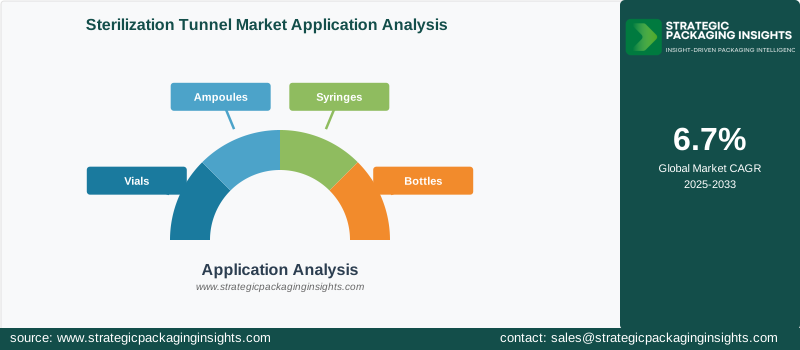
Syringes and bottles are also key application areas, with the growing demand for pre-filled syringes and sterile packaging solutions driving market growth. Companies like Tofflon and Truking are focusing on expanding their product offerings and enhancing their technological capabilities to meet the evolving needs of the market. The integration of automation and digital technologies in sterilization processes is enabling manufacturers to improve process control and reduce costs, further driving the growth of this segment.
End Use Analysis
The end-use segment of the Sterilization Tunnel market is dominated by the pharmaceuticals and biotechnology industries, which are the primary drivers of demand for sterilization solutions. The increasing focus on patient safety and regulatory compliance is driving the adoption of advanced sterilization technologies in these industries. Companies like Syntegon and IMA Group are at the forefront of this trend, developing innovative solutions that meet the evolving needs of the healthcare industry. The growing demand for sterile packaging solutions in hospitals and laboratories is also contributing to the growth of this segment, with companies like Marchesini Group and Steriline leading the way in innovation and technological advancement.
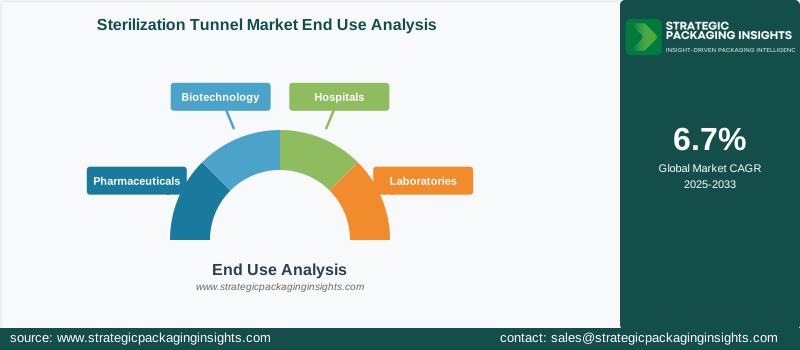
The biotechnology industry is witnessing significant growth, driven by advancements in research and development and the increasing demand for biopharmaceuticals. Companies are investing in advanced sterilization technologies to ensure the safety and efficacy of their products, with a focus on compliance with stringent regulatory standards. The integration of automation and digital technologies in sterilization processes is enabling manufacturers to enhance operational efficiency and reduce costs, further driving the growth of this segment.
Automation Level Analysis
The automation level segment of the Sterilization Tunnel market is witnessing significant advancements, driven by the increasing demand for efficient and reliable sterilization solutions. The semi-automatic and automatic segments are gaining traction due to their ability to enhance operational efficiency and reduce costs. Companies like OPTIMA Packaging and Fedegari are leading the way in developing innovative automation solutions that offer improved process control and compliance with regulatory standards. The integrated line segment is also gaining popularity, particularly in applications where seamless integration of sterilization processes is required. This segment is being adopted by companies like Bausch+Ströbel and Romaco, who are focusing on enhancing their product offerings to meet the evolving needs of the market.
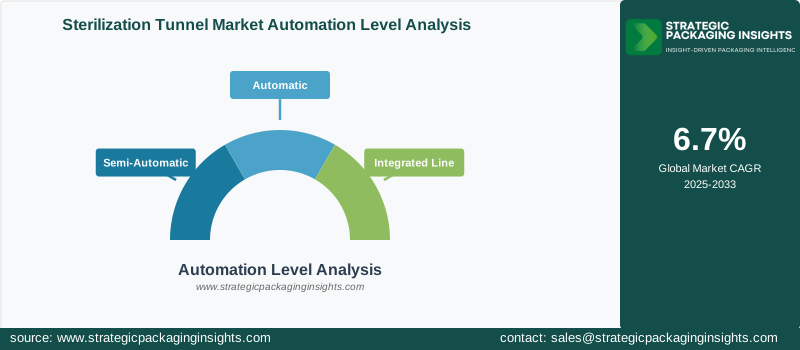
The integration of automation and digital technologies in sterilization processes is further driving the growth of this segment, enabling manufacturers to enhance operational efficiency and reduce costs. Companies are investing in research and development to create cutting-edge automation solutions that offer improved process control and compliance with regulatory standards. This trend is expected to continue, with players like Tofflon and Truking leading the way in innovation and technological advancement.
Sterilization Tunnel Market Segments
The Sterilization Tunnel market has been segmented on the basis ofTechnology
- Dry Heat Tunnel
- UV Sterilization Tunnel
- Depyrogenation Tunnel
Application
- Vials
- Ampoules
- Syringes
- Bottles
End Use
- Pharmaceuticals
- Biotechnology
- Hospitals
- Laboratories
Automation Level
- Semi-Automatic
- Automatic
- Integrated Line
Region
- Asia Pacific
- North America
- Latin America
- Europe
- Middle East & Africa




