


Stainless Steel Water Bottles Market Outlook
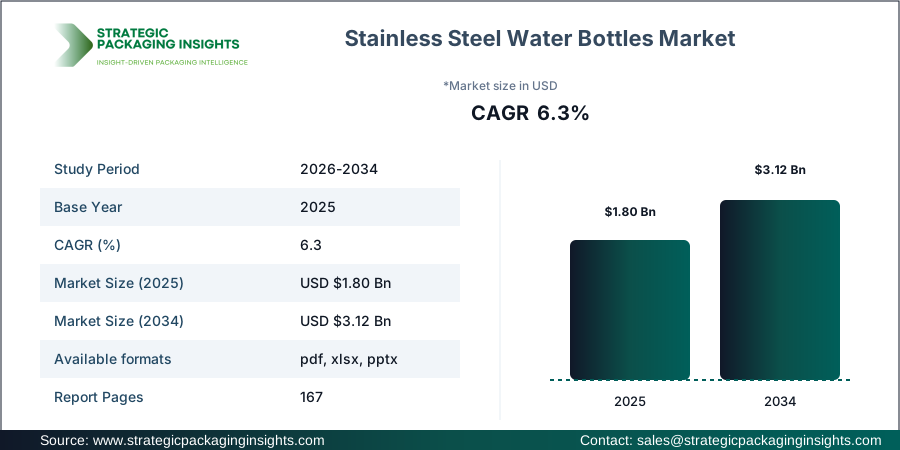
The stainless steel water bottles market was valued at $1.80 billion in 2025 and is projected to reach $3.12 billion by 2034, growing at a CAGR of 6.3% during the forecast period 2026-2034. This growth is driven by increasing consumer awareness about health and environmental sustainability, as stainless steel bottles are seen as a safer and more eco-friendly alternative to plastic bottles. The market is also benefiting from the rising trend of outdoor activities and sports, where durable and insulated water bottles are in high demand. Additionally, the growing urban population and changing lifestyle preferences are contributing to the increased adoption of stainless steel water bottles, as they offer both functionality and style.
Despite the promising growth prospects, the market faces certain restraints. The high cost of stainless steel water bottles compared to plastic alternatives can be a deterrent for price-sensitive consumers. Moreover, the presence of counterfeit products in the market poses a challenge to genuine manufacturers, affecting their brand reputation and sales. However, the market holds significant growth potential due to the increasing focus on reducing plastic waste and the introduction of innovative products with advanced features such as temperature retention and ergonomic designs. Regulatory support for sustainable products and initiatives to reduce single-use plastics are also expected to bolster market growth in the coming years.
Report Scope
| Attributes | Details |
| Report Title | Stainless Steel Water Bottles Market Size, Future Growth and Forecast 2034 |
| Product Type | Single-Wall Bottles, Double-Wall Bottles, Vacuum-Insulated Bottles |
| Capacity | Below 500 ml, 500–1000 ml, Above 1000 ml |
| Distribution Channel | Online, Supermarkets, Specialty Stores, Brand Stores |
| End User | Households, Sports Users, Outdoor Users, Office Users |
| Region | Asia Pacific, North America, Latin America, Europe, Middle East & Africa |
| Base Year | 2025 |
| Historic Period | 2018-2024 |
| Forecast Period | 2026-2034 |
| Number of Pages | 167 |
| Customization Available | Yes* |
Opportunities & Threats
The stainless steel water bottles market presents numerous opportunities for growth, primarily driven by the increasing consumer shift towards sustainable and eco-friendly products. As environmental concerns continue to rise, consumers are actively seeking alternatives to single-use plastics, creating a substantial demand for reusable water bottles. This trend is further supported by government regulations and initiatives aimed at reducing plastic waste, providing a favorable environment for market expansion. Additionally, the growing popularity of outdoor activities and sports is driving the demand for durable and insulated water bottles, offering manufacturers an opportunity to innovate and cater to specific consumer needs.
Another significant opportunity lies in the expansion of distribution channels, particularly online platforms. With the increasing penetration of e-commerce, consumers have greater access to a wide range of products, including stainless steel water bottles. This shift in consumer purchasing behavior presents an opportunity for manufacturers to reach a broader audience and enhance their market presence. Furthermore, the introduction of customizable and aesthetically appealing designs is attracting a diverse consumer base, including fashion-conscious individuals and corporate clients seeking branded merchandise.
However, the market is not without its threats. The high cost of stainless steel water bottles compared to plastic alternatives remains a significant challenge, particularly in price-sensitive markets. Additionally, the presence of counterfeit products poses a threat to genuine manufacturers, affecting their brand reputation and sales. To mitigate these threats, companies need to focus on product differentiation, quality assurance, and effective marketing strategies to build consumer trust and loyalty.
Drivers & Challenges
The stainless steel water bottles market is primarily driven by the increasing consumer awareness about health and environmental sustainability. As consumers become more conscious of the harmful effects of plastic on health and the environment, there is a growing preference for stainless steel bottles, which are perceived as a safer and more eco-friendly alternative. This shift in consumer behavior is further supported by government regulations and initiatives aimed at reducing plastic waste, providing a favorable environment for market growth. Additionally, the rising trend of outdoor activities and sports is driving the demand for durable and insulated water bottles, offering manufacturers an opportunity to innovate and cater to specific consumer needs.
Another key driver is the growing urban population and changing lifestyle preferences, which are contributing to the increased adoption of stainless steel water bottles. As urbanization continues to rise, consumers are seeking convenient and stylish products that align with their fast-paced lifestyles. Stainless steel water bottles, with their functionality and aesthetic appeal, are well-positioned to meet these demands. Furthermore, the expansion of distribution channels, particularly online platforms, is enhancing consumer access to a wide range of products, further driving market growth.
Despite the promising growth prospects, the market faces certain challenges. The high cost of stainless steel water bottles compared to plastic alternatives can be a deterrent for price-sensitive consumers. Additionally, the presence of counterfeit products in the market poses a challenge to genuine manufacturers, affecting their brand reputation and sales. To overcome these challenges, companies need to focus on product differentiation, quality assurance, and effective marketing strategies to build consumer trust and loyalty. Moreover, continuous innovation and the introduction of advanced features such as temperature retention and ergonomic designs can help manufacturers maintain a competitive edge in the market.
Market Share Analysis
The stainless steel water bottles market is characterized by a competitive landscape with several key players vying for market share. Leading companies such as Hydro Flask, YETI, Stanley, Klean Kanteen, and Thermos dominate the market, leveraging their strong brand presence and extensive distribution networks. These companies are known for their high-quality products and innovative designs, which have helped them establish a loyal customer base. Additionally, they are actively investing in research and development to introduce new products with advanced features, further strengthening their market position.
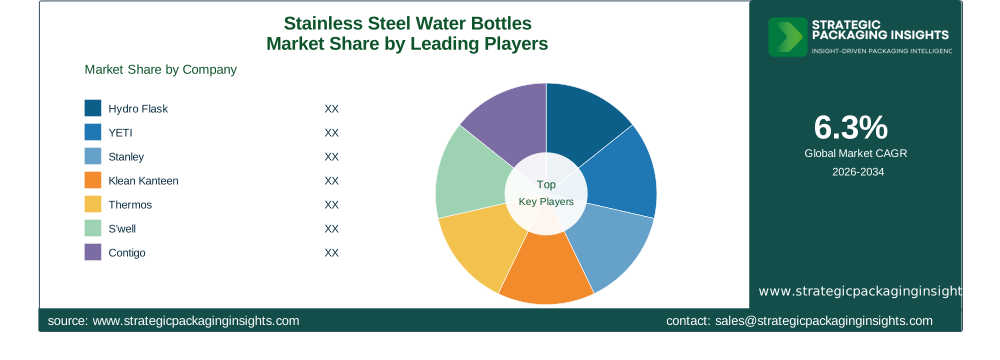
Hydro Flask, a prominent player in the market, is renowned for its durable and insulated water bottles that cater to outdoor enthusiasts and sports users. The company's focus on sustainability and eco-friendly practices has resonated well with environmentally conscious consumers, contributing to its strong market presence. Similarly, YETI is known for its rugged and high-performance products, appealing to adventure seekers and outdoor enthusiasts. The company's commitment to quality and innovation has helped it maintain a competitive edge in the market.
Stanley, another key player, has a long-standing reputation for producing durable and reliable products. The company's stainless steel water bottles are popular among consumers seeking high-quality and long-lasting solutions. Klean Kanteen, on the other hand, is recognized for its commitment to sustainability and social responsibility. The company's focus on producing eco-friendly products has garnered a loyal customer base, particularly among environmentally conscious consumers.
Thermos, a well-established brand, offers a wide range of stainless steel water bottles with advanced features such as temperature retention and ergonomic designs. The company's strong distribution network and brand recognition have contributed to its significant market share. Other notable players in the market include S’well, Contigo, CamelBak, Takeya, and Tupperware, each offering unique products and catering to different consumer segments. These companies are continuously innovating and expanding their product portfolios to meet the evolving consumer demands and maintain their competitive positions in the market.
Key Highlights
- The stainless steel water bottles market is projected to grow at a CAGR of 6.3% from 2026 to 2034.
- Increasing consumer awareness about health and environmental sustainability is driving market growth.
- Government regulations and initiatives to reduce plastic waste are providing a favorable environment for market expansion.
- The growing popularity of outdoor activities and sports is boosting the demand for durable and insulated water bottles.
- Online platforms are emerging as a significant distribution channel, enhancing consumer access to a wide range of products.
- High cost compared to plastic alternatives remains a challenge for market growth.
- Counterfeit products pose a threat to genuine manufacturers, affecting brand reputation and sales.
- Leading companies such as Hydro Flask, YETI, Stanley, and Klean Kanteen dominate the market with their strong brand presence and innovative products.
- Continuous innovation and the introduction of advanced features are key strategies for maintaining a competitive edge.
Top Countries Insights
In the stainless steel water bottles market, the United States holds a significant share, driven by the increasing consumer awareness about health and environmental sustainability. The market in the U.S. is valued at approximately $0.75 billion, with a CAGR of 5%. The presence of leading companies such as Hydro Flask and YETI, along with a strong distribution network, contributes to the market's growth. Additionally, government initiatives to reduce plastic waste and promote sustainable products are further supporting market expansion.
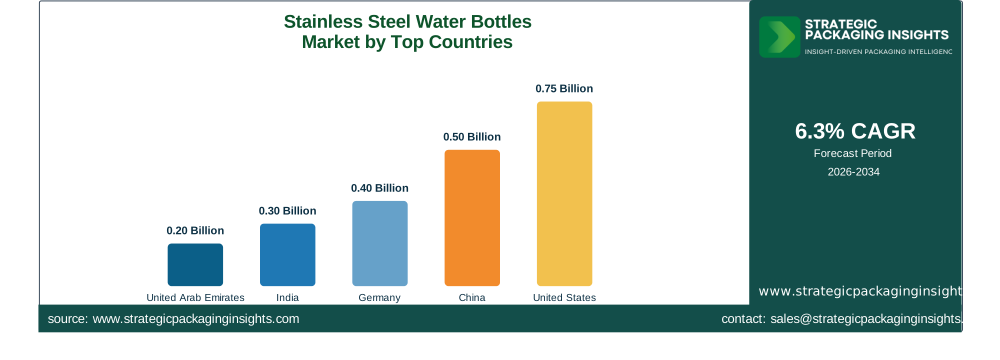
China is another key market for stainless steel water bottles, with a market size of around $0.50 billion and a CAGR of 8%. The growing urban population and changing lifestyle preferences are driving the demand for convenient and stylish products. Moreover, the increasing focus on reducing plastic waste and the introduction of innovative products with advanced features are contributing to market growth. The presence of local manufacturers offering affordable products is also boosting market expansion.
In Europe, Germany is a prominent market for stainless steel water bottles, with a market size of approximately $0.40 billion and a CAGR of 6%. The rising trend of outdoor activities and sports is driving the demand for durable and insulated water bottles. Additionally, the growing consumer preference for eco-friendly products and government regulations to reduce plastic waste are supporting market growth. The presence of established brands such as Thermos and Klean Kanteen further enhances the market's potential.
India is emerging as a lucrative market for stainless steel water bottles, with a market size of around $0.30 billion and a CAGR of 10%. The increasing consumer awareness about health and environmental sustainability is driving market growth. Additionally, the expanding middle-class population and rising disposable incomes are contributing to the increased adoption of stainless steel water bottles. The presence of local manufacturers offering affordable products is also boosting market expansion.
In the Middle East & Africa, the United Arab Emirates is a key market for stainless steel water bottles, with a market size of approximately $0.20 billion and a CAGR of 7%. The growing popularity of outdoor activities and sports is driving the demand for durable and insulated water bottles. Additionally, the increasing focus on reducing plastic waste and the introduction of innovative products with advanced features are contributing to market growth. The presence of international brands and a strong distribution network further enhances the market's potential.
Stainless Steel Water Bottles Market Segments Insights

Product Type Analysis
The stainless steel water bottles market is segmented by product type into single-wall bottles, double-wall bottles, and vacuum-insulated bottles. Single-wall bottles are popular for their lightweight and cost-effectiveness, making them a preferred choice for everyday use. However, double-wall and vacuum-insulated bottles are gaining traction due to their superior insulation properties, which keep beverages hot or cold for extended periods. This segment is driven by the increasing demand for high-performance products, particularly among outdoor enthusiasts and sports users. Manufacturers are focusing on innovation and product differentiation to cater to diverse consumer preferences and maintain a competitive edge in the market.
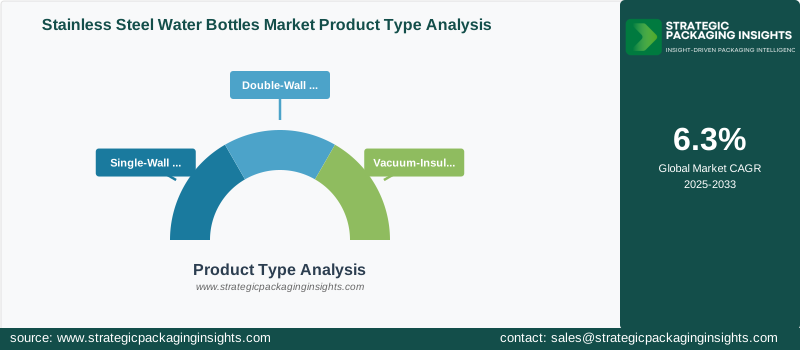
Vacuum-insulated bottles, in particular, are witnessing significant growth due to their ability to maintain the temperature of beverages for longer durations. This feature is highly valued by consumers who engage in outdoor activities or require temperature-controlled beverages throughout the day. The introduction of advanced features such as leak-proof designs and ergonomic shapes is further enhancing the appeal of vacuum-insulated bottles. As consumers continue to prioritize functionality and convenience, this segment is expected to witness robust growth during the forecast period.
Capacity Analysis
The market is also segmented by capacity into below 500 ml, 500-1000 ml, and above 1000 ml. The 500-1000 ml segment holds a significant share of the market, as it offers a convenient size for daily use and is suitable for a wide range of consumers, including office users and sports enthusiasts. This segment is driven by the increasing demand for versatile and portable water bottles that cater to various lifestyle needs. Manufacturers are focusing on offering a diverse range of sizes and designs to appeal to different consumer segments and enhance their market presence.
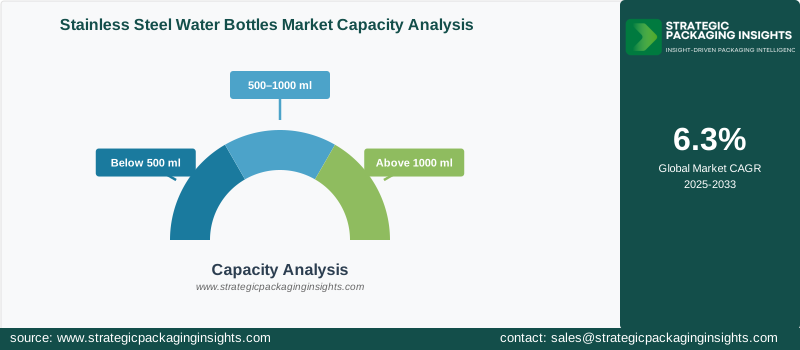
The above 1000 ml segment is gaining popularity among consumers who require larger capacity bottles for extended outdoor activities or travel. This segment is driven by the growing trend of adventure sports and outdoor recreation, where consumers seek durable and high-capacity water bottles. The introduction of innovative designs and features such as easy-to-carry handles and wide-mouth openings is further boosting the demand for large-capacity bottles. As consumers continue to engage in outdoor activities and prioritize hydration, this segment is expected to witness substantial growth.
Distribution Channel Analysis
By distribution channel, the market is segmented into online, supermarkets, specialty stores, and brand stores. Online platforms are emerging as a significant distribution channel, driven by the increasing penetration of e-commerce and the convenience of online shopping. Consumers have greater access to a wide range of products, including stainless steel water bottles, through online platforms, which is enhancing market growth. Manufacturers are leveraging online channels to reach a broader audience and offer exclusive deals and promotions to attract consumers.
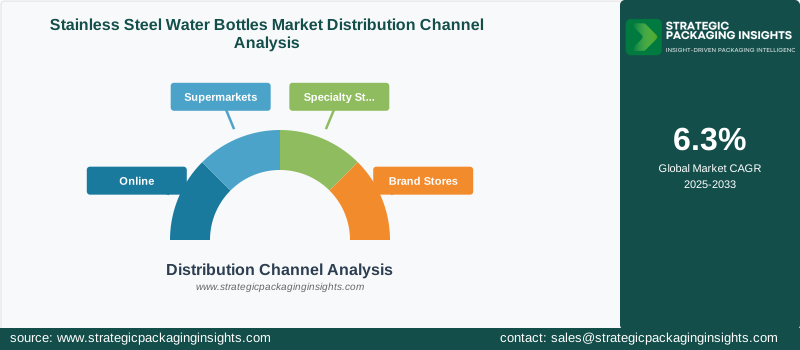
Supermarkets and specialty stores continue to play a crucial role in the distribution of stainless steel water bottles, offering consumers the opportunity to physically examine products before purchase. These channels are popular among consumers who prefer in-store shopping experiences and value the ability to compare different products. Brand stores, on the other hand, provide a platform for manufacturers to showcase their products and build brand loyalty. As consumer preferences continue to evolve, manufacturers are adopting a multi-channel distribution strategy to maximize their market reach and cater to diverse consumer needs.
End User Analysis
The market is segmented by end user into households, sports users, outdoor users, and office users. Households represent a significant segment, driven by the increasing consumer awareness about health and environmental sustainability. Stainless steel water bottles are perceived as a safer and more eco-friendly alternative to plastic bottles, making them a preferred choice for households. This segment is further supported by the growing trend of home-based fitness activities, where consumers seek durable and reusable water bottles.
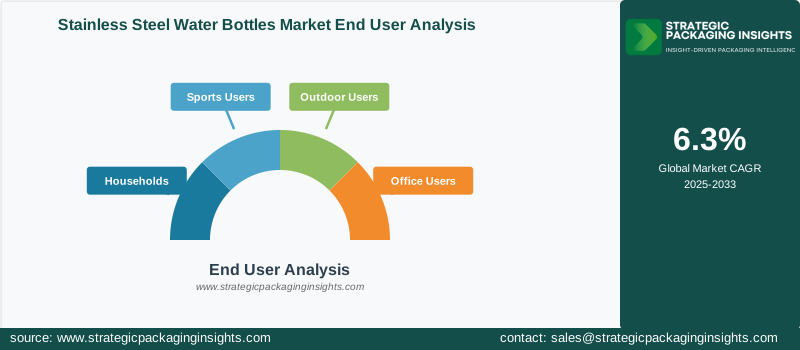
Sports users and outdoor users are key segments driving the demand for high-performance and insulated water bottles. These consumers prioritize functionality and durability, seeking products that can withstand rigorous activities and maintain the temperature of beverages. Manufacturers are focusing on innovation and product differentiation to cater to the specific needs of these segments and enhance their market presence. Office users, on the other hand, seek convenient and stylish water bottles that align with their professional lifestyles. As consumers continue to prioritize health and sustainability, the demand for stainless steel water bottles across different end-user segments is expected to grow significantly.
Stainless Steel Water Bottles Market Segments
The Stainless Steel Water Bottles market has been segmented on the basis ofProduct Type
- Single-Wall Bottles
- Double-Wall Bottles
- Vacuum-Insulated Bottles
Capacity
- Below 500 ml
- 500–1000 ml
- Above 1000 ml
Distribution Channel
- Online
- Supermarkets
- Specialty Stores
- Brand Stores
End User
- Households
- Sports Users
- Outdoor Users
- Office Users
Region
- Asia Pacific
- North America
- Latin America
- Europe
- Middle East & Africa




