


Soft Touch Lamination Film Market Outlook
The Soft Touch Lamination Film market was valued at $1.63 billion in 2025 and is projected to reach $2.24 billion by 2034, growing at a CAGR of 3.6% during the forecast period 2026-2034. This market is witnessing a steady growth trajectory driven by the increasing demand for premium packaging solutions across various industries. The aesthetic appeal and tactile experience offered by soft touch lamination films make them a preferred choice for luxury packaging, thereby boosting their adoption. Additionally, the growing trend of e-commerce and online retailing has further fueled the demand for high-quality packaging materials, including soft touch lamination films, to enhance product presentation and consumer experience.
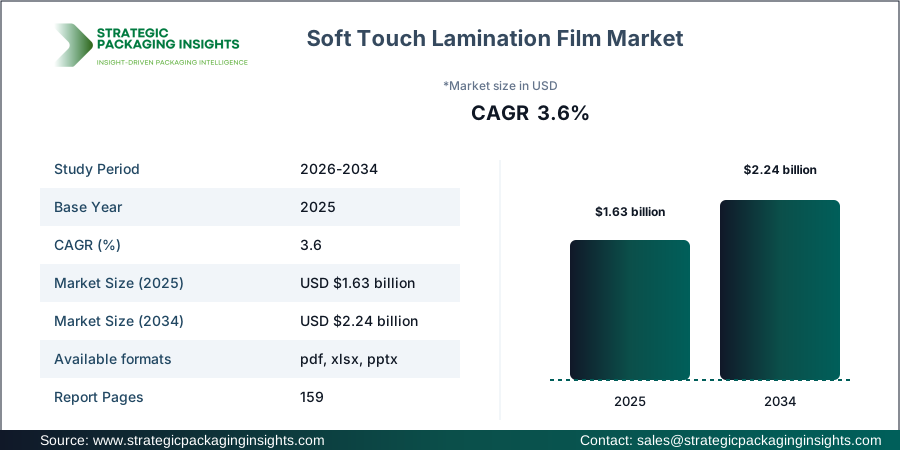
Despite the promising growth prospects, the market faces certain challenges that could hinder its expansion. The high cost of raw materials and production processes associated with soft touch lamination films is a significant restraint. Moreover, stringent environmental regulations regarding the use of plastic-based materials pose a challenge to market players. However, the development of eco-friendly and biodegradable lamination films presents a lucrative opportunity for manufacturers to overcome these challenges and tap into the growing demand for sustainable packaging solutions. The market also holds potential for growth through technological advancements and innovations in film manufacturing processes, which can lead to cost reductions and improved product performance.
Report Scope
| Attributes | Details |
| Report Title | Soft Touch Lamination Film Market Size, Future Growth and Forecast 2034 |
| By Material Type | BOPP Soft Touch Film, PET Soft Touch Film, Nylon Soft Touch Film |
| By Application | Luxury Packaging, Books, Labels, Cosmetics |
| By Finish Type | Matte, Velvet, Anti-Scratch |
| By End Use | Printers, Packaging Converters, Luxury Brands |
| Region | Asia Pacific, North America, Latin America, Europe, Middle East & Africa |
| Base Year | 2025 |
| Historic Period | 2018-2024 |
| Forecast Period | 2026-2034 |
| Number of Pages | 159 |
| Customization Available | Yes* |
Opportunities & Threats
The Soft Touch Lamination Film market presents numerous opportunities for growth, primarily driven by the increasing demand for luxury and premium packaging solutions. As consumers become more discerning and brand-conscious, the need for packaging that not only protects but also enhances the perceived value of products is on the rise. This trend is particularly evident in the cosmetics and personal care industries, where packaging plays a crucial role in influencing purchasing decisions. Additionally, the rise of e-commerce and online retailing has created a demand for packaging materials that can withstand the rigors of shipping while maintaining an attractive appearance. Soft touch lamination films, with their unique tactile properties and visual appeal, are well-positioned to capitalize on these trends.
Another significant opportunity lies in the development of eco-friendly and sustainable lamination films. With increasing awareness of environmental issues and the push for sustainable practices, there is a growing demand for packaging materials that are not only functional but also environmentally friendly. Manufacturers who can innovate and offer biodegradable or recyclable soft touch lamination films stand to gain a competitive edge in the market. Furthermore, advancements in film manufacturing technologies, such as the use of bio-based materials and improved production processes, can lead to cost reductions and enhanced product performance, further driving market growth.
However, the market is not without its threats. The high cost of raw materials and production processes associated with soft touch lamination films can be a significant barrier to entry for new players. Additionally, the market is subject to stringent environmental regulations regarding the use of plastic-based materials, which can pose challenges for manufacturers. Companies must navigate these regulatory hurdles and invest in research and development to create sustainable solutions that comply with environmental standards. Moreover, the competitive landscape is intense, with numerous players vying for market share, which can lead to price wars and margin pressures.
Drivers & Challenges
The primary driver of the Soft Touch Lamination Film market is the increasing demand for premium and luxury packaging solutions. As consumer preferences shift towards high-quality, aesthetically pleasing packaging, industries such as cosmetics, personal care, and luxury goods are increasingly adopting soft touch lamination films to enhance their product offerings. The tactile experience and visual appeal provided by these films make them an ideal choice for brands looking to differentiate themselves in a competitive market. Additionally, the rise of e-commerce and online retailing has further fueled the demand for durable and attractive packaging materials, as companies seek to enhance the unboxing experience for consumers.
Technological advancements and innovations in film manufacturing processes are also driving market growth. The development of new materials and production techniques has led to the creation of soft touch lamination films that offer improved performance and cost-effectiveness. For instance, the use of bio-based materials and advanced coating technologies can enhance the durability and sustainability of these films, making them more appealing to environmentally conscious consumers. Furthermore, the ability to customize films with various finishes, such as matte, velvet, and anti-scratch, allows manufacturers to cater to diverse customer preferences and expand their market reach.
Despite these drivers, the market faces several challenges that could impede its growth. One of the primary challenges is the high cost of raw materials and production processes, which can limit the affordability and accessibility of soft touch lamination films. Additionally, the market is subject to stringent environmental regulations regarding the use of plastic-based materials, which can pose compliance challenges for manufacturers. Companies must invest in research and development to create sustainable solutions that meet regulatory standards while maintaining product quality and performance. Moreover, the competitive landscape is intense, with numerous players vying for market share, which can lead to price wars and margin pressures.
Market Share Analysis
The competitive landscape of the Soft Touch Lamination Film market is characterized by the presence of several key players who dominate the market with their extensive product portfolios and strong distribution networks. Companies such as Cosmo Films, Taghleef Industries, Jindal Films, and Toray Industries are among the leading players in the market, holding significant market shares due to their established brand reputation and innovative product offerings. These companies have invested heavily in research and development to create high-performance lamination films that cater to the evolving needs of consumers and industries.
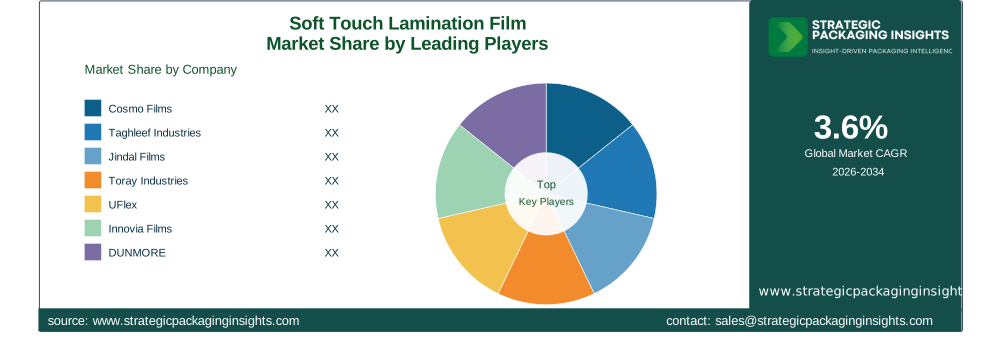
Cosmo Films, for instance, is a prominent player in the market, known for its wide range of lamination films that offer superior quality and performance. The company has a strong global presence and has been at the forefront of innovation, continuously expanding its product portfolio to meet the demands of various industries. Similarly, Taghleef Industries is another major player, renowned for its advanced manufacturing capabilities and commitment to sustainability. The company has developed a range of eco-friendly lamination films that cater to the growing demand for sustainable packaging solutions.
Jindal Films and Toray Industries are also key players in the market, known for their extensive product offerings and strong focus on research and development. Jindal Films, in particular, has a robust distribution network and a diverse product portfolio that caters to a wide range of applications, from luxury packaging to labels and cosmetics. Toray Industries, on the other hand, is recognized for its innovative approach to film manufacturing, leveraging advanced technologies to create high-performance lamination films that meet the stringent requirements of various industries.
Other notable players in the market include UFlex, Innovia Films, DUNMORE, Nobelus, Derprosa, and Transcendia. These companies have carved a niche for themselves in the market by offering specialized lamination films that cater to specific customer needs. UFlex, for example, is known for its customized solutions and strong focus on customer satisfaction, while Innovia Films is recognized for its commitment to sustainability and innovation. DUNMORE, Nobelus, Derprosa, and Transcendia are also key players, each with their unique strengths and product offerings that contribute to the overall competitiveness of the market.
Key Highlights
- The Soft Touch Lamination Film market is projected to grow from $1.63 billion in 2025 to $2.24 billion by 2034, at a CAGR of 3.6%.
- Increasing demand for luxury and premium packaging solutions is a major driver of market growth.
- Technological advancements and innovations in film manufacturing processes are enhancing product performance and cost-effectiveness.
- The development of eco-friendly and sustainable lamination films presents a significant opportunity for market players.
- High cost of raw materials and production processes is a major challenge for the market.
- Stringent environmental regulations regarding the use of plastic-based materials pose compliance challenges for manufacturers.
- The competitive landscape is intense, with key players such as Cosmo Films, Taghleef Industries, and Jindal Films dominating the market.
- Customization of films with various finishes, such as matte, velvet, and anti-scratch, allows manufacturers to cater to diverse customer preferences.
- The rise of e-commerce and online retailing has fueled the demand for durable and attractive packaging materials.
Top Countries Insights
In the Soft Touch Lamination Film market, the United States stands out as a key player, with a market size of approximately $450 million and a CAGR of 4%. The country's robust demand for luxury packaging, driven by the cosmetics and personal care industries, is a significant growth driver. Additionally, the presence of major market players and advanced manufacturing capabilities contribute to the market's expansion. However, the industry faces challenges related to environmental regulations and the high cost of raw materials.
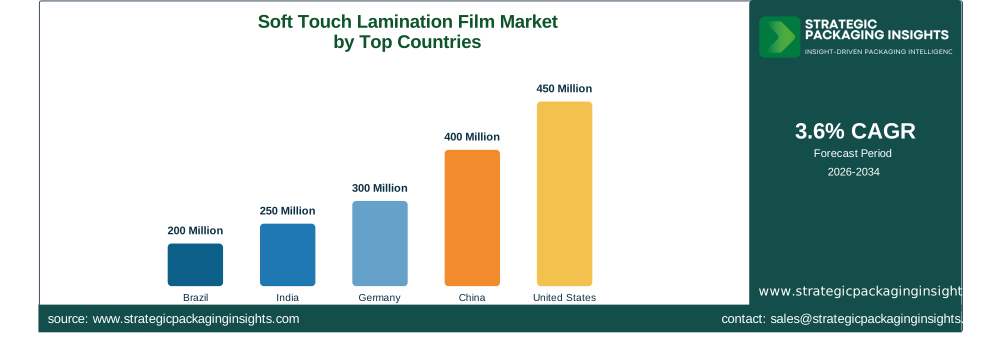
China is another major market, with a market size of around $400 million and a CAGR of 5%. The country's booming e-commerce sector and increasing consumer preference for premium packaging solutions are key growth drivers. Moreover, China's focus on sustainable practices and the development of eco-friendly lamination films align with global trends, further boosting market growth. However, the market faces challenges related to regulatory compliance and intense competition.
Germany, with a market size of approximately $300 million and a CAGR of 3%, is a significant player in the European market. The country's strong focus on innovation and sustainability, coupled with a well-established packaging industry, drives market growth. However, stringent environmental regulations and the high cost of production pose challenges for manufacturers.
India, with a market size of around $250 million and a CAGR of 6%, is an emerging market with significant growth potential. The country's growing middle class and increasing demand for luxury goods are key drivers of market expansion. Additionally, the government's focus on sustainable practices and the development of eco-friendly packaging solutions align with global trends. However, the market faces challenges related to infrastructure and regulatory compliance.
Brazil, with a market size of approximately $200 million and a CAGR of 4%, is a key player in the Latin American market. The country's growing consumer base and increasing demand for premium packaging solutions drive market growth. However, economic instability and regulatory challenges pose significant hurdles for market players.
Soft Touch Lamination Film Market Segments Insights

By Material Type Analysis
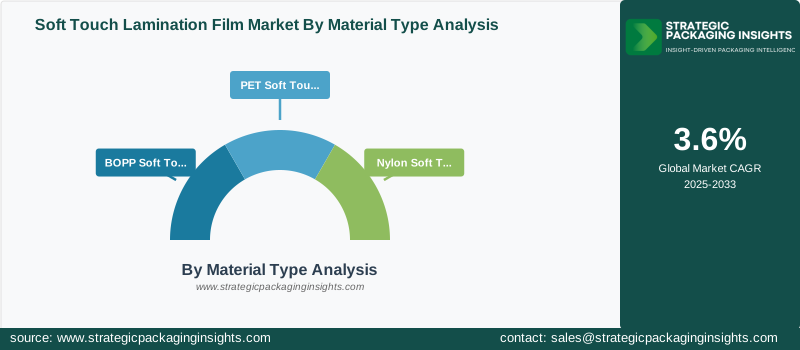
The Soft Touch Lamination Film market is segmented by material type into BOPP soft touch film, PET soft touch film, and nylon soft touch film. BOPP soft touch films are widely used due to their excellent clarity, durability, and cost-effectiveness. These films are particularly popular in the packaging industry, where they are used for a variety of applications, including luxury packaging and labels. The demand for BOPP films is driven by their superior performance characteristics and the growing trend of premium packaging solutions. PET soft touch films, on the other hand, are known for their high strength and excellent barrier properties, making them ideal for applications that require enhanced protection and durability. Nylon soft touch films, although less common, offer unique properties such as high tensile strength and resistance to abrasion, making them suitable for specialized applications.
The market for soft touch lamination films by material type is highly competitive, with numerous players offering a wide range of products to cater to diverse customer needs. Companies are focusing on innovation and product development to enhance the performance and sustainability of their films. The development of bio-based and recyclable materials is a key trend in the market, as manufacturers seek to address environmental concerns and meet the growing demand for sustainable packaging solutions. Additionally, advancements in film manufacturing technologies, such as improved coating techniques and the use of advanced materials, are driving market growth by enhancing product performance and reducing production costs.
By Application Analysis
The application segment of the Soft Touch Lamination Film market includes luxury packaging, books, labels, and cosmetics. Luxury packaging is the largest application segment, driven by the increasing demand for premium packaging solutions across various industries. Soft touch lamination films are widely used in the luxury packaging industry due to their unique tactile properties and visual appeal, which enhance the perceived value of products. The cosmetics industry, in particular, is a major driver of demand for soft touch lamination films, as brands seek to differentiate themselves through high-quality packaging that enhances the consumer experience.
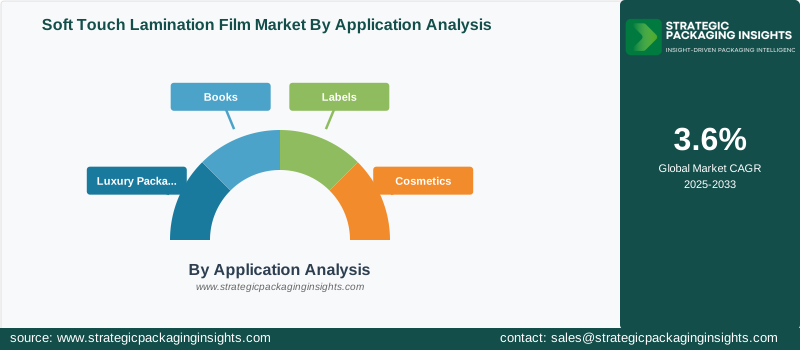
The use of soft touch lamination films in the book industry is also growing, as publishers seek to enhance the aesthetic appeal and durability of their products. These films provide a premium finish that enhances the visual appeal of book covers, making them more attractive to consumers. In the labels segment, soft touch lamination films are used to create high-quality, durable labels that enhance product presentation and brand recognition. The demand for these films in the labels segment is driven by the growing trend of premium packaging solutions and the need for durable, high-quality labels that can withstand the rigors of shipping and handling.
By Finish Type Analysis
The Soft Touch Lamination Film market is segmented by finish type into matte, velvet, and anti-scratch finishes. Matte finishes are the most popular, offering a sophisticated and elegant appearance that enhances the visual appeal of packaging. These finishes are widely used in the luxury packaging industry, where they are used to create high-quality, premium packaging solutions that enhance the perceived value of products. Velvet finishes, on the other hand, offer a unique tactile experience that enhances the consumer experience and adds a touch of luxury to packaging. These finishes are particularly popular in the cosmetics and personal care industries, where packaging plays a crucial role in influencing purchasing decisions.
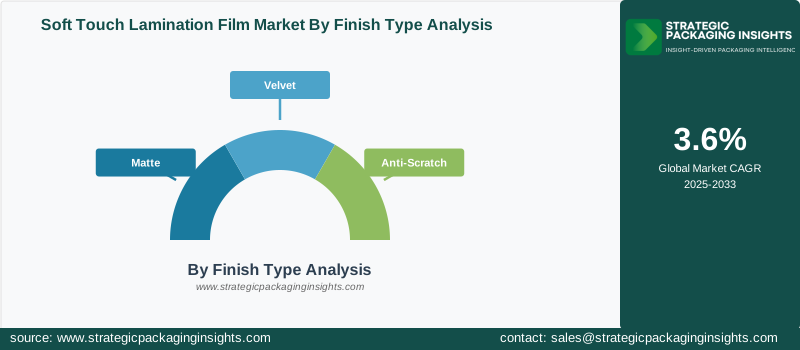
Anti-scratch finishes are gaining popularity due to their ability to enhance the durability and longevity of packaging. These finishes provide a protective layer that prevents scratches and scuffs, ensuring that packaging remains in pristine condition throughout its lifecycle. The demand for anti-scratch finishes is driven by the growing trend of e-commerce and online retailing, where packaging must withstand the rigors of shipping and handling. Manufacturers are focusing on innovation and product development to enhance the performance and sustainability of their finishes, with a particular emphasis on eco-friendly and sustainable solutions.
By End Use Analysis
The end-use segment of the Soft Touch Lamination Film market includes printers, packaging converters, and luxury brands. Printers are a major end-user of soft touch lamination films, using them to enhance the visual appeal and durability of printed materials. The demand for these films in the printing industry is driven by the growing trend of premium packaging solutions and the need for high-quality, durable printed materials that enhance brand recognition and consumer experience.
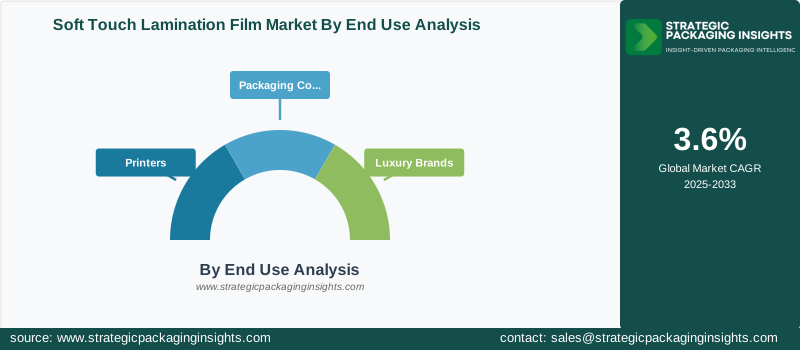
Packaging converters are another major end-user of soft touch lamination films, using them to create high-quality, premium packaging solutions for a variety of industries. The demand for these films in the packaging industry is driven by the increasing demand for luxury and premium packaging solutions, as well as the growing trend of e-commerce and online retailing. Luxury brands, in particular, are a major driver of demand for soft touch lamination films, as they seek to differentiate themselves through high-quality packaging that enhances the consumer experience and enhances brand recognition.
Soft Touch Lamination Film Market Segments
The Soft Touch Lamination Film market has been segmented on the basis ofBy Material Type
- BOPP Soft Touch Film
- PET Soft Touch Film
- Nylon Soft Touch Film
By Application
- Luxury Packaging
- Books
- Labels
- Cosmetics
By Finish Type
- Matte
- Velvet
- Anti-Scratch
By End Use
- Printers
- Packaging Converters
- Luxury Brands
Region
- Asia Pacific
- North America
- Latin America
- Europe
- Middle East & Africa




