


Snap Single Dose Dispensers Market Outlook
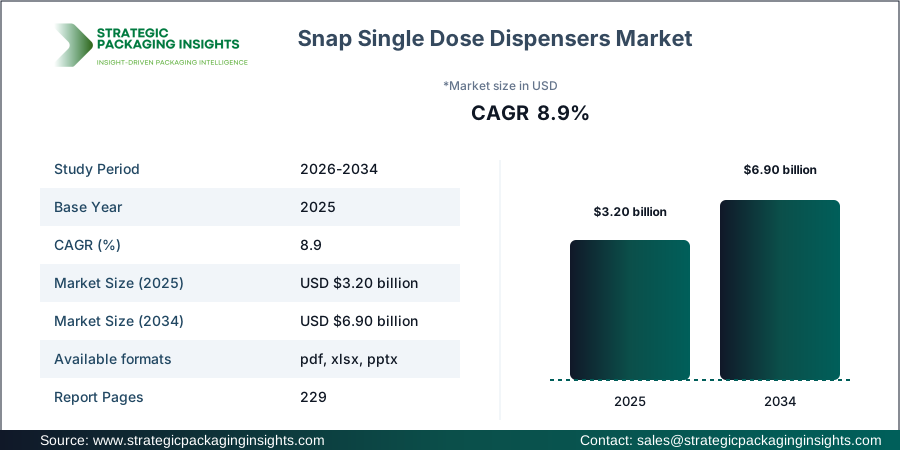
The Snap Single Dose Dispensers market was valued at $3.20 billion in 2025 and is projected to reach $6.90 billion by 2034, growing at a CAGR of 8.9% during the forecast period 2026-2034. This market is witnessing significant growth due to the increasing demand for convenient and precise dosing solutions across various industries. The healthcare sector, in particular, is driving the demand for single-dose dispensers as they offer enhanced safety and hygiene, reducing the risk of contamination. Additionally, the rising consumer preference for on-the-go products in the beauty and personal care sectors is further propelling market growth. The market is also benefiting from advancements in material technology, which are enabling the production of more sustainable and eco-friendly dispenser solutions.
Despite the promising growth prospects, the Snap Single Dose Dispensers market faces certain challenges. Regulatory constraints and stringent packaging standards in the pharmaceutical and food sectors can pose hurdles for market players. However, these challenges also present opportunities for innovation and differentiation. Companies are investing in research and development to create dispensers that comply with regulatory requirements while offering superior functionality. The growing emphasis on sustainability is another factor driving innovation, with manufacturers exploring bio-based polymers and recyclable materials to meet consumer demand for eco-friendly packaging solutions. Overall, the market holds substantial growth potential, driven by technological advancements and evolving consumer preferences.
Report Scope
| Attributes | Details |
| Report Title | Snap Single Dose Dispensers Market Size, Future Growth and Forecast 2034 |
| By Product Type | Snap-Off Ampoules, Single-Dose Vials, Unit-Dose Dispensers, Breakable Pods |
| By Material Type | Plastic, Glass, Laminates, Bio-Based Polymer |
| By Application | Cosmetics, Pharmaceuticals, Personal Care, Food Samples |
| By End Use | Healthcare, Beauty Brands, Food Brands, Retail |
| Region | Asia Pacific, North America, Latin America, Europe, Middle East & Africa |
| Base Year | 2025 |
| Historic Period | 2018-2024 |
| Forecast Period | 2026-2034 |
| Number of Pages | 229 |
| Customization Available | Yes* |
Opportunities & Threats
The Snap Single Dose Dispensers market presents numerous opportunities for growth, particularly in the healthcare and pharmaceutical sectors. The increasing prevalence of chronic diseases and the growing demand for personalized medicine are driving the need for precise and convenient dosing solutions. Single-dose dispensers offer a practical solution for patients requiring regular medication, ensuring accurate dosage and reducing the risk of medication errors. Additionally, the rise of telemedicine and home healthcare services is further boosting the demand for single-dose dispensers, as they enable patients to manage their medication independently and safely. The market also offers opportunities for innovation in terms of design and functionality, with companies exploring smart dispensers that incorporate digital features for enhanced user experience.
Another significant opportunity lies in the beauty and personal care industry, where single-dose dispensers are gaining popularity for their convenience and hygiene benefits. Consumers are increasingly seeking products that offer ease of use and portability, making single-dose dispensers an attractive option for on-the-go applications. The trend towards premium and personalized beauty products is also driving demand for innovative packaging solutions that enhance the overall consumer experience. Furthermore, the growing focus on sustainability is encouraging manufacturers to develop eco-friendly dispensers, creating opportunities for companies to differentiate themselves in the market by offering environmentally conscious solutions.
However, the market is not without its threats. One of the primary challenges is the high cost associated with the production of single-dose dispensers, which can impact the pricing and profitability of these products. Additionally, the market faces competition from alternative packaging solutions, such as multi-dose containers and traditional packaging formats, which may offer cost advantages. The regulatory landscape also poses a threat, as stringent packaging standards and compliance requirements can increase the complexity and cost of product development. Companies must navigate these challenges by investing in research and development to create cost-effective and compliant solutions that meet consumer and regulatory expectations.
Drivers & Challenges
The Snap Single Dose Dispensers market is driven by several key factors, including the increasing demand for convenient and precise dosing solutions across various industries. In the healthcare sector, the need for accurate medication delivery is a significant driver, as single-dose dispensers help reduce the risk of contamination and medication errors. The growing prevalence of chronic diseases and the aging population are further contributing to the demand for single-dose dispensers, as they offer a practical solution for patients requiring regular medication. Additionally, the rise of telemedicine and home healthcare services is boosting the demand for single-dose dispensers, as they enable patients to manage their medication independently and safely.
Another major driver is the increasing consumer preference for on-the-go products in the beauty and personal care sectors. Single-dose dispensers offer convenience and portability, making them an attractive option for consumers seeking easy-to-use and hygienic packaging solutions. The trend towards premium and personalized beauty products is also driving demand for innovative packaging solutions that enhance the overall consumer experience. Furthermore, the growing focus on sustainability is encouraging manufacturers to develop eco-friendly dispensers, creating opportunities for companies to differentiate themselves in the market by offering environmentally conscious solutions.
Despite the promising growth prospects, the Snap Single Dose Dispensers market faces several challenges. One of the primary challenges is the high cost associated with the production of single-dose dispensers, which can impact the pricing and profitability of these products. Additionally, the market faces competition from alternative packaging solutions, such as multi-dose containers and traditional packaging formats, which may offer cost advantages. The regulatory landscape also poses a challenge, as stringent packaging standards and compliance requirements can increase the complexity and cost of product development. Companies must navigate these challenges by investing in research and development to create cost-effective and compliant solutions that meet consumer and regulatory expectations.
Market Share Analysis
The Snap Single Dose Dispensers market is characterized by a competitive landscape with several key players vying for market share. Companies such as AptarGroup, Amcor, Gerresheimer, Berry Global, and West Pharmaceutical Services are among the leading players in this market. These companies have established a strong presence through strategic partnerships, mergers and acquisitions, and continuous innovation in product offerings. The competitive landscape is further intensified by the presence of regional players and new entrants, who are leveraging technological advancements and cost-effective manufacturing processes to gain a foothold in the market.
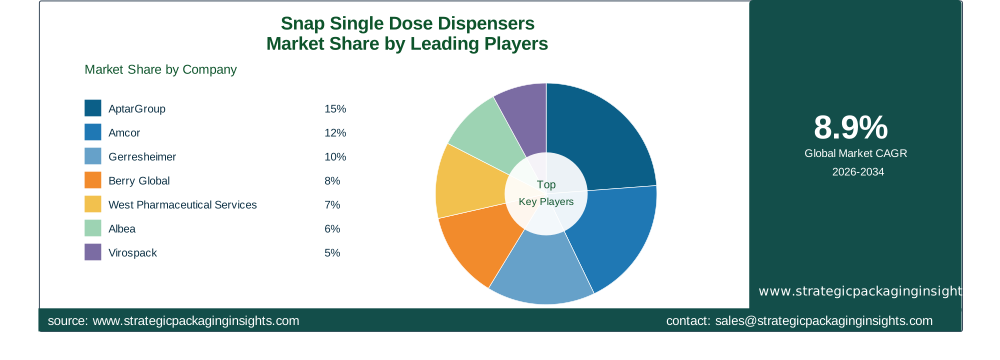
AptarGroup is a prominent player in the Snap Single Dose Dispensers market, known for its innovative packaging solutions and strong focus on sustainability. The company offers a wide range of single-dose dispensers for various applications, including healthcare, beauty, and personal care. Amcor, another key player, is recognized for its extensive product portfolio and commitment to sustainable packaging solutions. The company has been actively investing in research and development to create eco-friendly dispensers that meet consumer demand for environmentally conscious packaging.
Gerresheimer is a leading provider of glass and plastic packaging solutions, with a strong presence in the pharmaceutical and healthcare sectors. The company's single-dose dispensers are designed to offer precise dosing and enhanced safety, making them a preferred choice for healthcare applications. Berry Global is known for its innovative packaging solutions and focus on sustainability, offering a range of single-dose dispensers made from recyclable materials. West Pharmaceutical Services is a key player in the healthcare sector, providing high-quality single-dose dispensers that ensure accurate medication delivery and patient safety.
Other notable players in the market include Albea, Virospack, SGD Pharma, Catalent, and Unither Pharmaceuticals. These companies are actively investing in research and development to create innovative and cost-effective single-dose dispensers that cater to the evolving needs of consumers and industries. The competitive landscape is expected to remain dynamic, with companies focusing on product innovation, strategic partnerships, and sustainability initiatives to gain a competitive edge in the market.
Key Highlights
- The Snap Single Dose Dispensers market is projected to grow at a CAGR of 8.9% from 2026 to 2034.
- Healthcare and pharmaceutical sectors are major drivers of market growth due to the demand for precise dosing solutions.
- Increasing consumer preference for on-the-go products is boosting demand in the beauty and personal care sectors.
- Regulatory constraints and high production costs pose challenges for market players.
- Companies are investing in sustainable and eco-friendly dispenser solutions to meet consumer demand.
- Technological advancements are enabling the development of smart dispensers with digital features.
- The competitive landscape is characterized by the presence of key players such as AptarGroup, Amcor, and Gerresheimer.
Top Countries Insights
In the Snap Single Dose Dispensers market, the United States holds a significant share, driven by the strong presence of key players and the high demand for convenient dosing solutions in the healthcare and beauty sectors. The market in the U.S. is expected to grow at a CAGR of 7%, supported by advancements in material technology and the increasing focus on sustainability. The regulatory landscape in the U.S. also plays a crucial role, with stringent packaging standards driving innovation and compliance among market players.
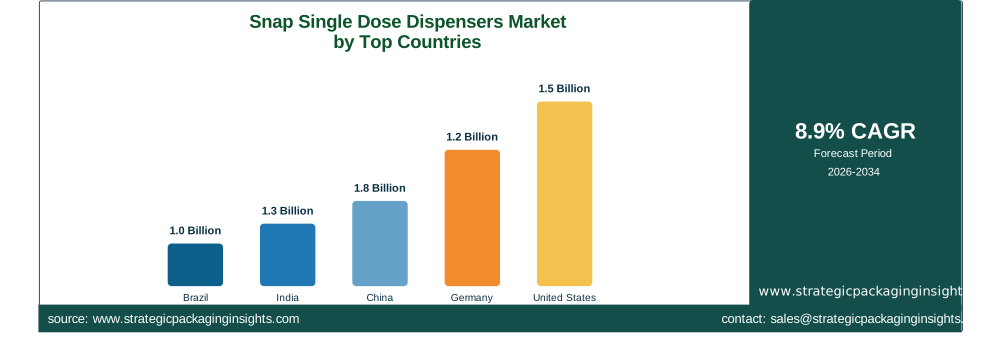
Germany is another key market for Snap Single Dose Dispensers, with a strong emphasis on pharmaceutical and healthcare applications. The market in Germany is projected to grow at a CAGR of 6%, driven by the demand for precise and hygienic dosing solutions. The country's robust regulatory framework and focus on quality and safety are key growth drivers, encouraging companies to invest in research and development to meet compliance requirements.
China is emerging as a lucrative market for Snap Single Dose Dispensers, with a projected CAGR of 10%. The growing middle-class population and increasing consumer awareness of hygiene and convenience are driving demand for single-dose dispensers in the beauty and personal care sectors. The government's focus on healthcare reforms and the expansion of the pharmaceutical industry are also contributing to market growth.
In India, the Snap Single Dose Dispensers market is expected to grow at a CAGR of 9%, driven by the rising demand for affordable and convenient dosing solutions in the healthcare and personal care sectors. The increasing prevalence of chronic diseases and the expansion of the pharmaceutical industry are key growth drivers. Additionally, the government's initiatives to promote domestic manufacturing and innovation are creating opportunities for market players.
Brazil is witnessing steady growth in the Snap Single Dose Dispensers market, with a projected CAGR of 8%. The demand for single-dose dispensers is driven by the beauty and personal care sectors, where consumers are seeking convenient and hygienic packaging solutions. The country's growing middle-class population and increasing consumer spending on personal care products are key factors contributing to market growth.
Snap Single Dose Dispensers Market Segments Insights

Product Type Analysis
The Snap Single Dose Dispensers market is segmented by product type into Snap-Off Ampoules, Single-Dose Vials, Unit-Dose Dispensers, and Breakable Pods. Snap-Off Ampoules are widely used in the pharmaceutical industry for their ability to provide precise dosing and maintain product integrity. These ampoules are designed to be easily opened, ensuring convenience and safety for healthcare professionals and patients. Single-Dose Vials are gaining popularity in the healthcare sector due to their ability to reduce medication errors and contamination risks. These vials are particularly beneficial for vaccines and injectable medications, where accurate dosing is critical.
Unit-Dose Dispensers are increasingly being adopted in the beauty and personal care sectors, offering consumers a convenient and hygienic way to use products. These dispensers are designed to provide a single dose of product, ensuring freshness and reducing waste. Breakable Pods are a relatively new innovation in the market, offering a unique and user-friendly packaging solution for various applications. These pods are designed to be easily broken open, providing a single dose of product without the need for additional tools or equipment. The growing demand for convenient and user-friendly packaging solutions is driving the adoption of these innovative product types in the Snap Single Dose Dispensers market.
Material Type Analysis
The Snap Single Dose Dispensers market is segmented by material type into Plastic, Glass, Laminates, and Bio-Based Polymer. Plastic is the most commonly used material in the production of single-dose dispensers due to its versatility, cost-effectiveness, and ease of manufacturing. Plastic dispensers are lightweight and durable, making them an ideal choice for various applications, including healthcare, beauty, and personal care. However, the growing focus on sustainability is driving demand for alternative materials, such as bio-based polymers and recyclable plastics.
Glass is another popular material used in the production of single-dose dispensers, particularly in the pharmaceutical industry. Glass dispensers offer excellent barrier properties, ensuring product integrity and safety. They are also preferred for their aesthetic appeal and premium feel, making them a popular choice for high-end beauty and personal care products. Laminates are gaining traction in the market due to their ability to provide a combination of barrier properties and flexibility. These materials are particularly beneficial for applications where product protection and ease of use are critical. Bio-Based Polymers are emerging as a sustainable alternative to traditional materials, offering environmental benefits and meeting consumer demand for eco-friendly packaging solutions.
Application Analysis
The Snap Single Dose Dispensers market is segmented by application into Cosmetics, Pharmaceuticals, Personal Care, and Food Samples. The pharmaceutical sector is a major driver of market growth, with single-dose dispensers being widely used for medications, vaccines, and other healthcare products. These dispensers offer precise dosing and reduce the risk of contamination, making them an essential packaging solution for the healthcare industry. The cosmetics and personal care sectors are also significant contributors to market growth, with consumers seeking convenient and hygienic packaging solutions for on-the-go applications.
Single-dose dispensers are particularly popular in the beauty industry, where they are used for products such as serums, creams, and lotions. These dispensers offer consumers a convenient way to use products, ensuring freshness and reducing waste. The food industry is also exploring the use of single-dose dispensers for samples and promotional products, offering consumers a convenient and hygienic way to try new products. The growing demand for convenient and user-friendly packaging solutions across various applications is driving the adoption of single-dose dispensers in the market.
End Use Analysis
The Snap Single Dose Dispensers market is segmented by end use into Healthcare, Beauty Brands, Food Brands, and Retail. The healthcare sector is a major end user of single-dose dispensers, with these products being widely used for medications, vaccines, and other healthcare applications. The demand for precise dosing and contamination-free packaging solutions is driving the adoption of single-dose dispensers in the healthcare industry. Beauty brands are also significant end users of single-dose dispensers, with consumers seeking convenient and hygienic packaging solutions for on-the-go applications.
Single-dose dispensers are particularly popular in the beauty industry, where they are used for products such as serums, creams, and lotions. These dispensers offer consumers a convenient way to use products, ensuring freshness and reducing waste. Food brands are exploring the use of single-dose dispensers for samples and promotional products, offering consumers a convenient and hygienic way to try new products. The retail sector is also adopting single-dose dispensers for various applications, including promotional products and travel-sized items. The growing demand for convenient and user-friendly packaging solutions across various end-use industries is driving the adoption of single-dose dispensers in the market.
Snap Single Dose Dispensers Market Segments
The Snap Single Dose Dispensers market has been segmented on the basis ofBy Product Type
- Snap-Off Ampoules
- Single-Dose Vials
- Unit-Dose Dispensers
- Breakable Pods
By Material Type
- Plastic
- Glass
- Laminates
- Bio-Based Polymer
By Application
- Cosmetics
- Pharmaceuticals
- Personal Care
- Food Samples
By End Use
- Healthcare
- Beauty Brands
- Food Brands
- Retail
Region
- Asia Pacific
- North America
- Latin America
- Europe
- Middle East & Africa




