


Smart Label Market Outlook
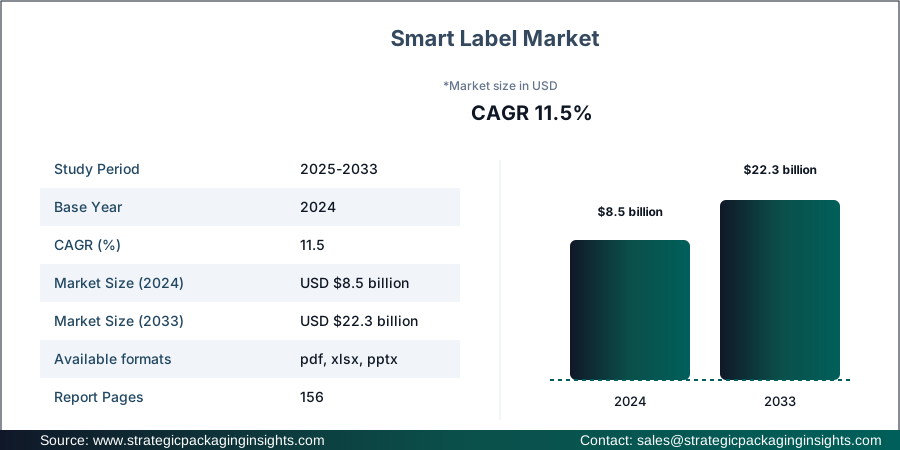
The Smart Label market was valued at $8.5 billion in 2024 and is projected to reach $22.3 billion by 2033, growing at a CAGR of 11.5% during the forecast period 2025-2033. This growth is driven by the increasing demand for efficient inventory management and the rising adoption of smart labels in the retail and logistics sectors. The integration of advanced technologies such as RFID and NFC into smart labels is enhancing their functionality, making them indispensable in various industries. The market is also benefiting from the growing trend of automation and digitalization in supply chain processes, which is further propelling the demand for smart labels. Additionally, the increasing focus on sustainability and the need for real-time tracking and monitoring are expected to fuel market growth over the forecast period.
Report Scope
| Attributes | Details |
| Report Title | Smart Label Market Size, Future Growth and Forecast 2033 |
| Technology | RFID, NFC |
| Application | Retail, Healthcare |
| Component | Batteries, Transceivers |
| Region | North America, Europe |
| Base Year | 2024 |
| Historic Period | 2017-2023 |
| Forecast Period | 2025-2033 |
| Number of Pages | 156 |
| Customization Available | Yes* |
Opportunities & Threats
The smart label market presents significant opportunities, particularly in the retail sector, where the need for efficient inventory management and enhanced customer experience is paramount. Smart labels, with their ability to provide real-time data and improve supply chain transparency, are becoming increasingly popular among retailers. The integration of IoT and AI technologies into smart labels is further expanding their application scope, offering new avenues for market growth. Moreover, the growing trend of e-commerce and the need for efficient logistics and warehousing solutions are expected to drive the demand for smart labels, creating lucrative opportunities for market players.
Another promising opportunity lies in the healthcare sector, where smart labels are being increasingly used for tracking and monitoring medical supplies and equipment. The ability of smart labels to provide real-time data and ensure the authenticity of medical products is driving their adoption in the healthcare industry. Furthermore, the increasing focus on patient safety and the need for efficient inventory management in hospitals and clinics are expected to boost the demand for smart labels in the healthcare sector. The development of advanced smart label technologies, such as sensing labels that can monitor temperature and humidity, is also expected to create new growth opportunities in this market.
However, the smart label market faces certain challenges, such as the high cost of smart label technologies and the lack of standardization in the industry. The initial investment required for implementing smart label solutions can be a significant barrier for small and medium-sized enterprises. Additionally, the lack of standardized protocols and regulations for smart label technologies can hinder market growth. The complexity of integrating smart labels with existing systems and the need for skilled personnel to manage and maintain these systems are also potential restrainers for market growth.
Drivers & Challenges
The primary driver of the smart label market is the increasing demand for efficient inventory management and supply chain transparency. Smart labels, with their ability to provide real-time data and improve supply chain visibility, are becoming essential tools for businesses across various industries. The integration of advanced technologies such as RFID and NFC into smart labels is enhancing their functionality, making them indispensable in the retail, logistics, and healthcare sectors. The growing trend of automation and digitalization in supply chain processes is further propelling the demand for smart labels, as businesses seek to improve efficiency and reduce operational costs.
Another significant driver is the increasing focus on sustainability and the need for eco-friendly packaging solutions. Smart labels, with their ability to provide detailed information about product origins and environmental impact, are gaining traction among environmentally conscious consumers. The development of biodegradable and recyclable smart label materials is also contributing to market growth, as businesses seek to reduce their environmental footprint. Additionally, the rising adoption of smart labels in the food and beverage industry, driven by the need for real-time tracking and monitoring of perishable goods, is expected to fuel market growth over the forecast period.
Despite these drivers, the smart label market faces several challenges, including the high cost of smart label technologies and the lack of standardization in the industry. The initial investment required for implementing smart label solutions can be a significant barrier for small and medium-sized enterprises. Additionally, the lack of standardized protocols and regulations for smart label technologies can hinder market growth. The complexity of integrating smart labels with existing systems and the need for skilled personnel to manage and maintain these systems are also potential challenges for market growth.
Smart Label Strategic Outlook
| Trend | Market Driver | Technological/Material Shift | Business Impact |
|---|---|---|---|
| Sustainability | Eco-friendly packaging demand | Biodegradable materials | Reduced environmental footprint |
| Smart Tech | IoT integration | Advanced RFID/NFC | Enhanced supply chain transparency |
| Consumer Behavior | Real-time data demand | AI-driven analytics | Improved customer experience |
| Logistics | Efficient inventory management | Automation and digitalization | Cost reduction and efficiency |
In 2026, the smart label market is poised for significant growth, driven by the increasing demand for efficient inventory management and the integration of advanced technologies such as RFID and NFC. The primary disruptor in this niche is the growing focus on sustainability and the need for eco-friendly packaging solutions. As businesses strive to reduce their environmental footprint, the demand for biodegradable and recyclable smart label materials is expected to rise. To maintain market share by 2033, brands should pivot towards developing innovative smart label solutions that cater to the evolving needs of consumers and industries. This includes investing in research and development to enhance the functionality and sustainability of smart labels, as well as expanding their application scope across various sectors.
Market Share Analysis
The competitive landscape of the smart label market is characterized by the presence of several key players, each striving to gain a significant share of the market. The market is highly competitive, with companies focusing on innovation and strategic partnerships to strengthen their market position. The leading players in the market are investing heavily in research and development to enhance their product offerings and expand their application scope. The increasing demand for smart labels in various industries, such as retail, healthcare, and logistics, is driving companies to develop advanced smart label solutions that cater to the specific needs of these sectors.
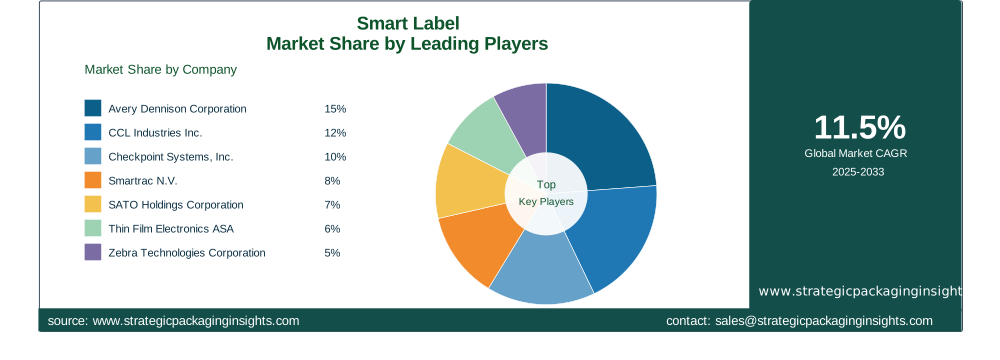
Among the major players in the smart label market, Avery Dennison Corporation holds a significant market share, thanks to its extensive product portfolio and strong global presence. The company is known for its innovative smart label solutions, which are widely used in the retail and logistics sectors. Another key player, CCL Industries Inc., is recognized for its advanced RFID and NFC technologies, which are driving the adoption of smart labels in various industries. The company's focus on sustainability and eco-friendly packaging solutions is also contributing to its market growth.
Checkpoint Systems, Inc. is another prominent player in the smart label market, known for its comprehensive range of smart label solutions that cater to the needs of the retail and healthcare sectors. The company's focus on enhancing supply chain transparency and improving inventory management is driving its market growth. Smartrac N.V., a leading provider of RFID and NFC technologies, is also making significant strides in the smart label market, with its innovative solutions that offer real-time data and improved supply chain visibility.
Other notable players in the smart label market include SATO Holdings Corporation, Thin Film Electronics ASA, and Zebra Technologies Corporation. These companies are focusing on expanding their product offerings and strengthening their market presence through strategic partnerships and collaborations. The increasing demand for smart labels in various industries is driving these companies to invest in research and development to enhance their product offerings and cater to the evolving needs of consumers and industries.
Key Highlights
- The smart label market is projected to grow at a CAGR of 11.5% from 2025 to 2033.
- Increasing demand for efficient inventory management is driving market growth.
- Integration of advanced technologies such as RFID and NFC is enhancing smart label functionality.
- The retail and logistics sectors are the primary adopters of smart labels.
- Growing focus on sustainability is driving the demand for eco-friendly smart label solutions.
- Healthcare sector presents significant growth opportunities for smart labels.
- Lack of standardization and high costs are potential challenges for market growth.
Top Countries Insights
In the smart label market, the United States holds a significant share, with a market size of $2.5 billion and a CAGR of 10%. The country's strong retail and logistics sectors, coupled with the increasing adoption of advanced technologies, are driving market growth. The presence of major players and the focus on innovation and sustainability are also contributing to the market's expansion.
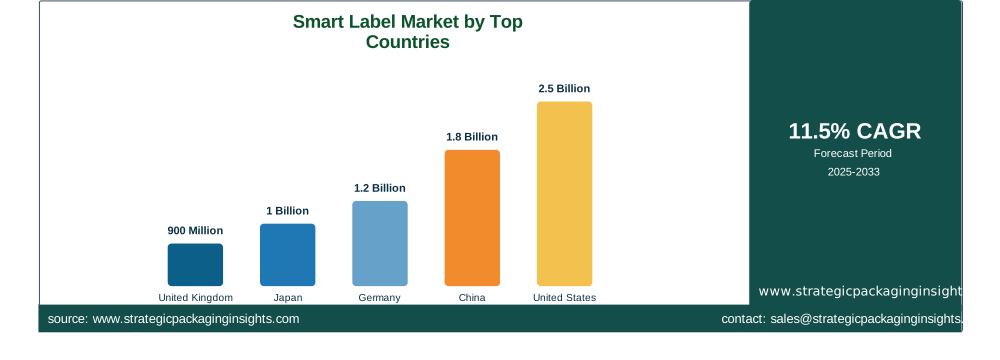
China is another key player in the smart label market, with a market size of $1.8 billion and a CAGR of 12%. The country's booming e-commerce industry and the increasing demand for efficient logistics solutions are driving the adoption of smart labels. The government's focus on digitalization and smart technologies is also supporting market growth.
Germany, with a market size of $1.2 billion and a CAGR of 9%, is a significant player in the smart label market. The country's strong manufacturing sector and the increasing focus on automation and digitalization are driving the demand for smart labels. The presence of major players and the focus on sustainability are also contributing to market growth.
Japan, with a market size of $1 billion and a CAGR of 8%, is another important market for smart labels. The country's advanced technology infrastructure and the increasing adoption of IoT and AI technologies are driving market growth. The focus on innovation and sustainability is also contributing to the market's expansion.
The United Kingdom, with a market size of $900 million and a CAGR of 7%, is a key player in the smart label market. The country's strong retail sector and the increasing demand for efficient inventory management solutions are driving market growth. The focus on sustainability and eco-friendly packaging solutions is also supporting market expansion.
Smart Label Market Segments Insights

Technology Analysis
The technology segment of the smart label market is dominated by RFID, which is widely used across various industries for its ability to provide real-time data and improve supply chain transparency. The integration of RFID technology into smart labels is enhancing their functionality, making them indispensable in the retail, logistics, and healthcare sectors. The growing trend of automation and digitalization in supply chain processes is further propelling the demand for RFID-enabled smart labels, as businesses seek to improve efficiency and reduce operational costs. Additionally, the development of advanced RFID technologies, such as passive and active RFID, is expected to create new growth opportunities in this segment.
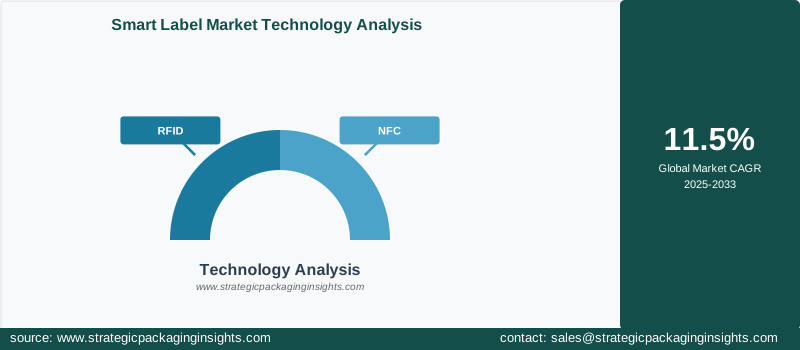
NFC technology is another significant segment in the smart label market, driven by the increasing demand for contactless payment solutions and enhanced customer experience. The integration of NFC technology into smart labels is expanding their application scope, particularly in the retail and healthcare sectors. The ability of NFC-enabled smart labels to provide real-time data and ensure the authenticity of products is driving their adoption in these industries. Furthermore, the development of advanced NFC technologies, such as secure NFC and NFC tags, is expected to create new growth opportunities in this segment.
Application Analysis
The application segment of the smart label market is dominated by the retail sector, where the need for efficient inventory management and enhanced customer experience is paramount. Smart labels, with their ability to provide real-time data and improve supply chain transparency, are becoming increasingly popular among retailers. The integration of IoT and AI technologies into smart labels is further expanding their application scope, offering new avenues for market growth. Moreover, the growing trend of e-commerce and the need for efficient logistics and warehousing solutions are expected to drive the demand for smart labels in the retail sector.
The healthcare sector is another significant application segment in the smart label market, driven by the increasing demand for tracking and monitoring medical supplies and equipment. The ability of smart labels to provide real-time data and ensure the authenticity of medical products is driving their adoption in the healthcare industry. Furthermore, the increasing focus on patient safety and the need for efficient inventory management in hospitals and clinics are expected to boost the demand for smart labels in this sector. The development of advanced smart label technologies, such as sensing labels that can monitor temperature and humidity, is also expected to create new growth opportunities in this segment.
Component Analysis
The component segment of the smart label market is dominated by batteries, which are essential for powering smart labels and ensuring their functionality. The development of advanced battery technologies, such as lithium-ion and solid-state batteries, is enhancing the performance and lifespan of smart labels, making them more reliable and efficient. The increasing demand for smart labels in various industries, such as retail, healthcare, and logistics, is driving the growth of the battery segment. Additionally, the focus on sustainability and the development of eco-friendly battery solutions are expected to create new growth opportunities in this segment.
Transceivers are another significant component in the smart label market, driven by the increasing demand for real-time data and improved supply chain transparency. The integration of advanced transceiver technologies into smart labels is enhancing their functionality, making them indispensable in the retail, logistics, and healthcare sectors. The growing trend of automation and digitalization in supply chain processes is further propelling the demand for transceiver-enabled smart labels, as businesses seek to improve efficiency and reduce operational costs. The development of advanced transceiver technologies, such as low-power and high-frequency transceivers, is expected to create new growth opportunities in this segment.
Region Analysis
The smart label market is witnessing significant growth across various regions, with North America holding a dominant position due to the presence of major players and the increasing adoption of advanced technologies. The region's strong retail and logistics sectors, coupled with the focus on innovation and sustainability, are driving market growth. The integration of IoT and AI technologies into smart labels is further expanding their application scope, offering new avenues for market growth in North America.
Europe is another key region in the smart label market, driven by the increasing demand for efficient inventory management and eco-friendly packaging solutions. The region's strong manufacturing sector and the focus on automation and digitalization are driving the demand for smart labels. The presence of major players and the focus on sustainability are also contributing to market growth in Europe. Additionally, the development of advanced smart label technologies, such as RFID and NFC, is expected to create new growth opportunities in this region.
Smart Label Market Segments
The Smart Label market has been segmented on the basis ofTechnology
- RFID
- NFC
Application
- Retail
- Healthcare
Component
- Batteries
- Transceivers
Region
- North America
- Europe




