


Smart Label Packaging Market Outlook
The Smart Label Packaging market size was valued at USD 13.82 Billion in 2025 and is anticipated to reach USD 29.64 Billion by 2034, growing at a CAGR of 8.9% during the forecast period according to Strategic Packaging Insights. The market is witnessing significant growth due to the increasing demand for efficient and intelligent packaging solutions across various industries. Companies like CCL Industries and Avery Dennison are at the forefront, driving innovation and adoption of smart labels. These labels offer enhanced tracking, real-time data, and improved inventory management, which are crucial for sectors such as retail and logistics. The integration of technologies like RFID and NFC in packaging is further propelling market expansion, as businesses seek to enhance operational efficiency and customer engagement.
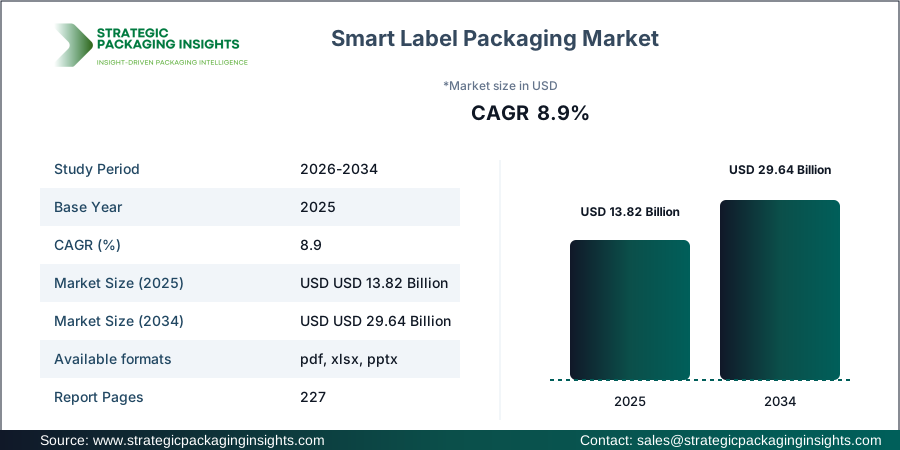
One of the most impactful drivers of the Smart Label Packaging market is the growing emphasis on supply chain transparency and efficiency. As consumers and regulatory bodies demand more information about product origins and handling, smart labels provide a viable solution by offering detailed tracking and authentication capabilities. According to industry reports, the adoption of smart labels is expected to increase as companies strive to meet these transparency requirements while also reducing waste and improving sustainability. This trend is supported by government initiatives promoting digital transformation in supply chains, which further accelerates the adoption of smart labeling technologies.
Report Scope
| Attributes | Details |
| Report Title | Smart Label Packaging Market Size, Future Growth and Forecast 2034 |
| By Label Type | RFID Labels, NFC Labels, QR Code Labels, Electronic Shelf Labels, Sensor Labels |
| By Technology | Radio Frequency Identification (RFID), Near Field Communication (NFC), Printed Electronics, IoT-Enabled Labels, Bluetooth Low Energy (BLE) |
| By Application | Food & Beverage, Healthcare & Pharmaceuticals, Retail, Logistics & Transportation, Personal Care & Cosmetics, Industrial Products |
| By End User | Brand Owners, Packaging Manufacturers, Retail Chains, Pharmaceutical Companies, Logistics Providers |
| Region | Asia Pacific, North America, Latin America, Europe, Middle East & Africa |
| Base Year | 2025 |
| Historic Period | 2018-2024 |
| Forecast Period | 2026-2034 |
| Number of Pages | 227 |
| Customization Available | Yes* |
Sustainability & Circular Economy Analysis
Sustainability initiatives are significantly influencing the Smart Label Packaging market, as companies strive to reduce their environmental impact. The use of recyclable materials and eco-friendly innovations in smart labels is becoming increasingly important. Companies like Avery Dennison are investing in developing labels that not only enhance product tracking but also minimize waste. This shift towards sustainable packaging solutions is driven by consumer preferences for environmentally friendly products and stringent packaging regulations aimed at reducing carbon footprints.
The circular economy is also playing a crucial role in shaping the smart label packaging landscape. By focusing on reusable packaging and waste reduction strategies, companies are aligning their operations with circular economy principles. This approach not only helps in reducing environmental impact but also enhances brand reputation and customer loyalty. Extended Producer Responsibility (EPR) regulations are further encouraging companies to adopt sustainable practices, ensuring that packaging materials are responsibly managed throughout their lifecycle.
These sustainability trends are influencing packaging design and manufacturing processes, leading to increased investment in eco-friendly technologies. Companies are prioritizing ESG initiatives to meet regulatory compliance and gain a competitive edge in the market. As a result, the Smart Label Packaging market is witnessing a shift towards more sustainable and innovative solutions, which are expected to drive long-term market competitiveness and growth.
Packaging Value Chain & Supply Chain Analysis
The packaging value chain for smart labels involves multiple stakeholders, including raw material suppliers, packaging converters, and manufacturers. Efficient raw material sourcing is crucial for maintaining supply chain resilience and ensuring the availability of high-quality materials for smart label production. Companies like Zebra Technologies and SATO Holdings are focusing on strategic partnerships with suppliers to enhance their procurement strategies and optimize inventory management.
Logistics and distribution channels play a vital role in the smart label packaging supply chain. The integration of advanced technologies such as IoT and RFID in logistics operations enhances supply chain efficiency by providing real-time tracking and data analytics. This capability allows companies to streamline their transportation processes, reduce lead times, and improve overall market performance. Brand owners and retailers benefit from these advancements by gaining better visibility into their supply chains, which aids in demand forecasting and inventory optimization.
Recycling networks and localization strategies are becoming increasingly important in the smart label packaging market. Companies are investing in recycling initiatives to ensure the responsible disposal of packaging materials, aligning with sustainability goals. Localization of supply chains helps in reducing transportation costs and carbon emissions, contributing to a more sustainable and efficient packaging ecosystem. These efforts are crucial for maintaining business competitiveness and meeting the evolving demands of consumers and regulatory bodies.
Opportunities & Threats
The Smart Label Packaging market presents numerous opportunities for growth, driven by technological advancements and increasing demand for intelligent packaging solutions. The integration of IoT and AI technologies in smart labels offers significant potential for enhancing product tracking and data analytics capabilities. Companies can leverage these technologies to provide personalized and interactive consumer experiences, thereby increasing brand engagement and loyalty. Additionally, the expansion of e-commerce and online retailing is creating new avenues for smart label adoption, as businesses seek to improve supply chain efficiency and customer satisfaction.
Another opportunity lies in the growing demand for sustainable packaging solutions. As consumers become more environmentally conscious, there is a rising preference for eco-friendly and recyclable packaging materials. Companies that invest in developing sustainable smart labels can capitalize on this trend and gain a competitive advantage in the market. Furthermore, the implementation of regulatory frameworks promoting sustainability and digital transformation in packaging provides a favorable environment for market growth.
However, the Smart Label Packaging market also faces certain threats, including high initial costs and technological complexities associated with smart label implementation. Small and medium-sized enterprises may find it challenging to invest in advanced technologies due to budget constraints. Additionally, concerns related to data privacy and security in smart labeling systems could hinder market adoption. Companies need to address these challenges by developing cost-effective solutions and ensuring robust data protection measures to maintain consumer trust and drive market growth.
Drivers & Challenges
One of the primary drivers of the Smart Label Packaging market is the increasing demand for real-time tracking and inventory management solutions. Smart labels equipped with RFID and NFC technologies provide businesses with enhanced visibility into their supply chains, enabling them to optimize operations and reduce costs. This capability is particularly beneficial for industries such as retail and logistics, where efficient inventory management is crucial for maintaining competitiveness. Companies like Impinj Inc. and Honeywell International are leading the way in developing innovative smart label solutions that cater to these industry needs.
Another significant driver is the growing emphasis on product authentication and anti-counterfeiting measures. Smart labels offer advanced security features that help in verifying product authenticity and preventing counterfeit activities. This is especially important in sectors like pharmaceuticals and luxury goods, where product integrity is paramount. The adoption of smart labels for authentication purposes is expected to increase as companies seek to protect their brands and ensure consumer safety.
Despite these drivers, the Smart Label Packaging market faces challenges related to technological integration and cost considerations. The implementation of smart labeling systems requires significant investment in infrastructure and technology, which can be a barrier for some companies. Additionally, the complexity of integrating smart labels with existing packaging processes may pose operational challenges. Companies need to address these issues by developing scalable and cost-effective solutions that facilitate seamless integration and maximize the benefits of smart labeling technologies.
Market Share Analysis
The competitive landscape of the Smart Label Packaging market is characterized by the presence of several key players, each contributing to the market's growth through innovation and strategic partnerships. Companies like CCL Industries and Avery Dennison hold significant market shares due to their extensive product portfolios and strong global presence. These companies are continuously investing in research and development to enhance their smart label offerings and meet the evolving demands of various industries.
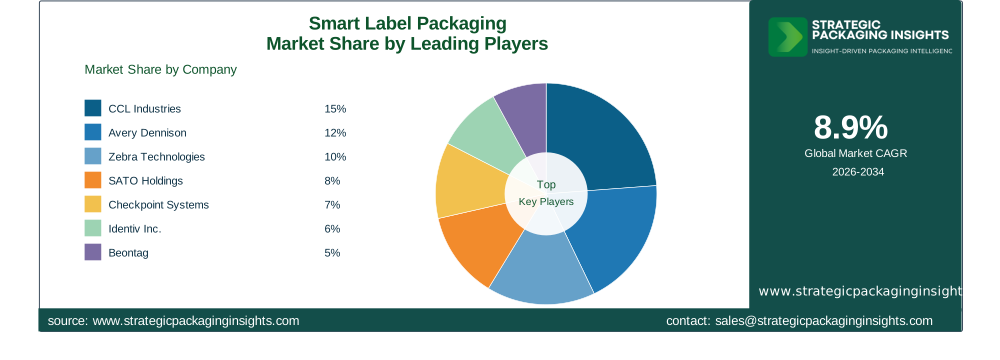
CCL Industries, a leading player in the market, is known for its innovative labeling solutions that cater to diverse applications. The company's focus on sustainability and eco-friendly packaging has helped it maintain a competitive edge in the market. Similarly, Avery Dennison is recognized for its advanced smart label technologies that provide enhanced tracking and data analytics capabilities. The company's commitment to sustainability and digital transformation has further strengthened its market position.
Zebra Technologies and SATO Holdings are also prominent players in the Smart Label Packaging market, offering a wide range of labeling solutions for various industries. Zebra Technologies is known for its expertise in RFID and IoT technologies, which are integral to smart label applications. SATO Holdings, on the other hand, focuses on providing comprehensive labeling solutions that enhance supply chain efficiency and product visibility.
Other notable companies in the market include Checkpoint Systems, Identiv Inc., and Beontag, each contributing to the market's growth through innovative product offerings and strategic collaborations. These companies are leveraging their technological expertise and industry knowledge to develop smart label solutions that address the specific needs of different sectors. The competitive landscape is further enriched by the presence of emerging players like Smartrac (Avery Dennison) and HID Global, which are continuously expanding their product portfolios and market reach.
Key Highlights
- The Smart Label Packaging market is projected to grow from USD 13.82 Billion in 2025 to USD 29.64 Billion by 2034, at a CAGR of 8.9%.
- RFID Labels and NFC Labels are among the fastest-growing segments, driven by demand for real-time tracking and inventory management.
- Asia Pacific is expected to witness the highest growth rate, fueled by increasing adoption of smart labeling technologies in retail and logistics.
- Companies like CCL Industries and Avery Dennison are leading the market with innovative and sustainable smart label solutions.
- The integration of IoT and AI technologies in smart labels offers significant potential for enhancing product tracking and data analytics capabilities.
- Growing consumer demand for sustainable and eco-friendly packaging materials is driving market growth.
- Regulatory frameworks promoting digital transformation and sustainability in packaging provide a favorable environment for market expansion.
Smart Label Packaging Market Segments Insights

By Label Type Analysis
The Smart Label Packaging market is segmented by label type, including RFID Labels, NFC Labels, QR Code Labels, Electronic Shelf Labels, and Sensor Labels. RFID Labels are gaining significant traction due to their ability to provide real-time tracking and inventory management solutions. This segment is expected to witness substantial growth as industries such as retail and logistics increasingly adopt RFID technology to enhance supply chain efficiency. NFC Labels are also experiencing growing demand, particularly in the retail sector, where they enable seamless consumer interactions and personalized experiences.
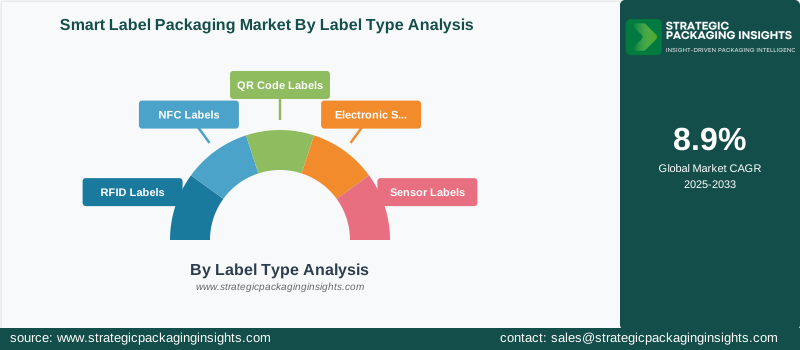
QR Code Labels and Electronic Shelf Labels are becoming popular in the retail and food & beverage industries, offering enhanced product information and dynamic pricing capabilities. These labels provide consumers with easy access to product details and promotions, thereby improving customer engagement and satisfaction. Sensor Labels, on the other hand, are gaining attention in the healthcare and pharmaceuticals sector, where they are used for monitoring temperature and other environmental conditions to ensure product safety and quality.
By Technology Analysis
The Smart Label Packaging market is also segmented by technology, including Radio Frequency Identification (RFID), Near Field Communication (NFC), Printed Electronics, IoT-Enabled Labels, and Bluetooth Low Energy (BLE). RFID technology is a key driver of market growth, offering advanced tracking and data analytics capabilities that enhance supply chain visibility and efficiency. Companies are increasingly adopting RFID technology to improve inventory management and reduce operational costs.
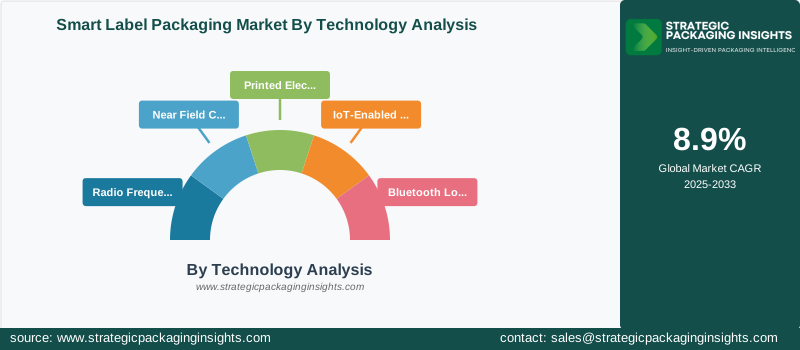
NFC technology is gaining popularity in the retail and personal care sectors, where it enables contactless payments and personalized consumer experiences. Printed Electronics and IoT-Enabled Labels are emerging as innovative solutions that offer enhanced functionality and connectivity. These technologies are being integrated into smart labels to provide real-time data and improve product tracking and authentication. Bluetooth Low Energy (BLE) is also being explored for its potential to enhance smart label applications, particularly in the logistics and transportation sector.
By Application Analysis
The Smart Label Packaging market is segmented by application, including Food & Beverage, Healthcare & Pharmaceuticals, Retail, Logistics & Transportation, Personal Care & Cosmetics, and Industrial Products. The Food & Beverage sector is a major contributor to market growth, driven by the need for enhanced product tracking and safety measures. Smart labels provide real-time data on product conditions, ensuring quality and compliance with regulatory standards.
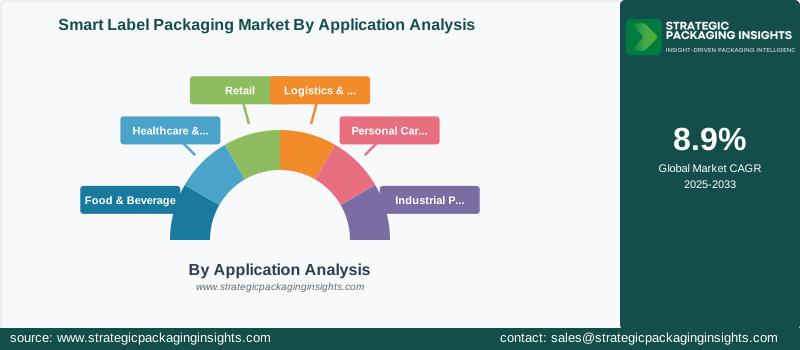
The Healthcare & Pharmaceuticals sector is also witnessing significant adoption of smart labels, as they offer advanced tracking and authentication capabilities that enhance product safety and integrity. In the Retail sector, smart labels are being used to improve inventory management and enhance consumer experiences through personalized interactions. The Logistics & Transportation sector is leveraging smart labels to optimize supply chain operations and reduce lead times, while the Personal Care & Cosmetics and Industrial Products sectors are exploring smart label applications to enhance product visibility and consumer engagement.
By End User Analysis
The Smart Label Packaging market is segmented by end user, including Brand Owners, Packaging Manufacturers, Retail Chains, Pharmaceutical Companies, and Logistics Providers. Brand Owners are increasingly adopting smart labels to enhance product tracking and consumer engagement, while Packaging Manufacturers are focusing on integrating advanced technologies into their offerings to meet the evolving demands of various industries.
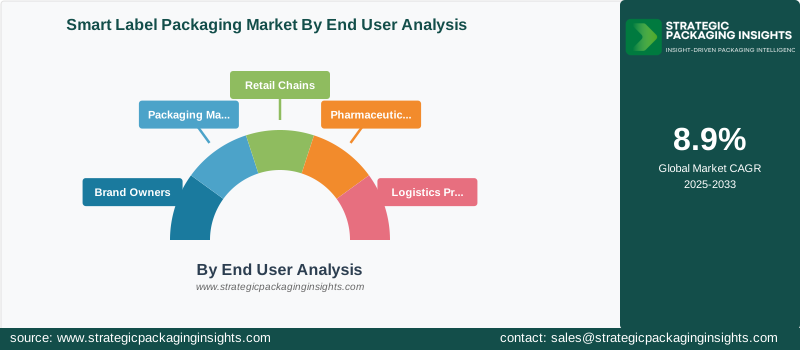
Retail Chains are leveraging smart labels to improve inventory management and enhance consumer experiences through personalized interactions. Pharmaceutical Companies are adopting smart labels to ensure product safety and compliance with regulatory standards, while Logistics Providers are using smart labels to optimize supply chain operations and reduce lead times. These end users are driving the adoption of smart labels across various sectors, contributing to the overall growth of the market.
Smart Label Packaging Market Segments
The Smart Label Packaging market has been segmented on the basis ofBy Label Type
- RFID Labels
- NFC Labels
- QR Code Labels
- Electronic Shelf Labels
- Sensor Labels
By Technology
- Radio Frequency Identification (RFID)
- Near Field Communication (NFC)
- Printed Electronics
- IoT-Enabled Labels
- Bluetooth Low Energy (BLE)
By Application
- Food & Beverage
- Healthcare & Pharmaceuticals
- Retail
- Logistics & Transportation
- Personal Care & Cosmetics
- Industrial Products
By End User
- Brand Owners
- Packaging Manufacturers
- Retail Chains
- Pharmaceutical Companies
- Logistics Providers
Region
- Asia Pacific
- North America
- Latin America
- Europe
- Middle East & Africa




