


Single-Serve Packaging Market Outlook
The Single-Serve Packaging market was valued at $11.35 billion in 2025 and is projected to reach $19.83 billion by 2034, growing at a CAGR of 6.4% during the forecast period 2026-2034. This market is experiencing significant growth due to the increasing demand for convenience and on-the-go consumption patterns. The rise in single-person households and the growing trend of urbanization are driving the need for single-serve packaging solutions. Additionally, the food and beverage industry is witnessing a shift towards smaller, more convenient packaging formats, further propelling market growth. The market is also benefiting from advancements in packaging technologies that enhance product shelf life and sustainability.
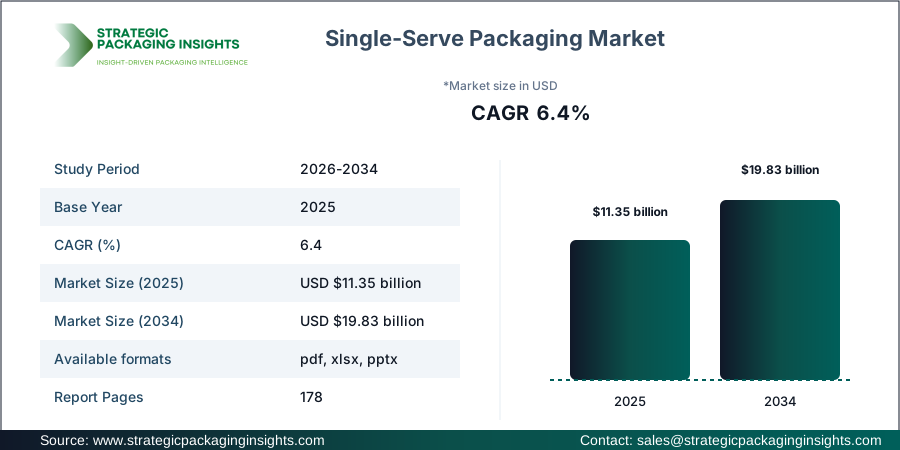
However, the market faces challenges such as stringent environmental regulations and the increasing demand for sustainable packaging solutions. The growing awareness of environmental issues and the push for reducing plastic waste are prompting manufacturers to innovate and develop eco-friendly packaging alternatives. Despite these challenges, the market holds significant growth potential, driven by the increasing adoption of single-serve packaging in emerging economies and the expansion of e-commerce platforms. The market is also expected to benefit from the rising demand for premium and personalized packaging solutions, which cater to the evolving consumer preferences.
Report Scope
| Attributes | Details |
| Report Title | Single-Serve Packaging Market Size, Future Growth and Forecast 2034 |
| Type | Pouches, Cups |
| Material | Plastic, Paper |
| Product | Coffee, Snacks |
| Distribution | Retail, HORECA |
| Region | Asia Pacific, North America, Latin America, Europe, Middle East & Africa |
| Base Year | 2025 |
| Historic Period | 2018-2024 |
| Forecast Period | 2026-2034 |
| Number of Pages | 178 |
| Customization Available | Yes* |
Opportunities & Threats
The Single-Serve Packaging market presents numerous opportunities for growth, primarily driven by the increasing consumer preference for convenience and portability. As lifestyles become busier, consumers are seeking packaging solutions that offer ease of use and portability, making single-serve packaging an attractive option. The rise of e-commerce and online food delivery services is also creating new avenues for market expansion, as these platforms require efficient and secure packaging solutions to ensure product integrity during transit. Additionally, the growing trend of premiumization in the food and beverage industry is driving demand for high-quality, aesthetically pleasing packaging that enhances the consumer experience.
Another significant opportunity lies in the development of sustainable and eco-friendly packaging solutions. With increasing awareness of environmental issues, consumers are becoming more conscious of their purchasing decisions, favoring products that align with their values. This shift in consumer behavior is encouraging manufacturers to invest in research and development to create innovative packaging solutions that minimize environmental impact. The adoption of biodegradable materials and recyclable packaging options is expected to gain traction, providing a competitive edge to companies that prioritize sustainability.
Despite the promising opportunities, the Single-Serve Packaging market faces certain threats that could hinder its growth. One of the primary challenges is the stringent regulatory landscape governing packaging materials and waste management. Governments worldwide are implementing policies to reduce plastic waste and promote sustainable practices, which could increase compliance costs for manufacturers. Additionally, the volatility in raw material prices and supply chain disruptions pose significant risks to market stability. Companies need to navigate these challenges by adopting flexible sourcing strategies and investing in sustainable practices to mitigate potential threats.
Drivers & Challenges
The Single-Serve Packaging market is driven by several key factors, including the increasing demand for convenience and the growing trend of on-the-go consumption. As consumers lead busier lifestyles, the need for packaging solutions that offer ease of use and portability is becoming more pronounced. Single-serve packaging provides the perfect solution, allowing consumers to enjoy their favorite products without the hassle of traditional packaging formats. Additionally, the rise of e-commerce and online food delivery services is driving demand for efficient and secure packaging solutions that ensure product integrity during transit.
Another significant driver is the growing trend of premiumization in the food and beverage industry. Consumers are increasingly seeking high-quality, aesthetically pleasing packaging that enhances their overall experience. This trend is encouraging manufacturers to invest in innovative packaging designs and materials that cater to evolving consumer preferences. Furthermore, advancements in packaging technologies are enabling companies to develop solutions that extend product shelf life and improve sustainability, further driving market growth.
Despite the positive drivers, the Single-Serve Packaging market faces several challenges that could impact its growth trajectory. One of the primary challenges is the stringent regulatory landscape governing packaging materials and waste management. Governments worldwide are implementing policies to reduce plastic waste and promote sustainable practices, which could increase compliance costs for manufacturers. Additionally, the volatility in raw material prices and supply chain disruptions pose significant risks to market stability. Companies need to navigate these challenges by adopting flexible sourcing strategies and investing in sustainable practices to mitigate potential threats.
Market Share Analysis
The Single-Serve Packaging market is characterized by a competitive landscape with several key players vying for market share. Companies such as Amcor, Berry Global, Sonoco, Huhtamaki, Tetra Pak, Mondi, DS Smith, Sealed Air, Constantia Flexibles, and ProAmpac are prominent players in this market. These companies are focusing on strategic initiatives such as mergers and acquisitions, product innovations, and collaborations to strengthen their market position and expand their product offerings.
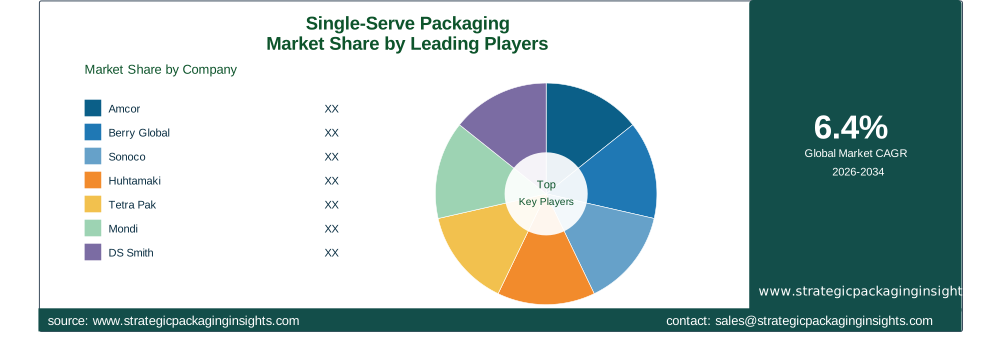
Amcor, a leading player in the packaging industry, holds a significant market share due to its extensive product portfolio and strong global presence. The company is known for its innovative packaging solutions that cater to various industries, including food and beverage, healthcare, and personal care. Berry Global is another major player, renowned for its sustainable packaging solutions and commitment to reducing environmental impact. The company's focus on research and development has enabled it to introduce eco-friendly packaging options that align with consumer preferences.
Sonoco and Huhtamaki are also key players in the Single-Serve Packaging market, known for their diverse product offerings and strong customer base. Sonoco's expertise in flexible packaging and Huhtamaki's focus on sustainable solutions have contributed to their competitive edge in the market. Tetra Pak, a pioneer in aseptic packaging, continues to innovate and expand its product range to meet the evolving needs of consumers and businesses alike.
Mondi, DS Smith, Sealed Air, Constantia Flexibles, and ProAmpac are other notable players in the market, each with unique strengths and capabilities. Mondi's emphasis on sustainable packaging and DS Smith's focus on circular economy principles have positioned them as leaders in the industry. Sealed Air's innovative packaging technologies and Constantia Flexibles' commitment to sustainability further enhance their market presence. ProAmpac's diverse product portfolio and customer-centric approach have enabled it to capture a significant share of the market.
Key Highlights
- The Single-Serve Packaging market is projected to grow at a CAGR of 6.4% from 2026 to 2034.
- Increasing demand for convenience and on-the-go consumption is driving market growth.
- Advancements in packaging technologies are enhancing product shelf life and sustainability.
- Stringent environmental regulations are prompting manufacturers to develop eco-friendly packaging solutions.
- The rise of e-commerce and online food delivery services is creating new opportunities for market expansion.
- Premiumization in the food and beverage industry is driving demand for high-quality packaging.
- Volatility in raw material prices and supply chain disruptions pose challenges to market stability.
Top Countries Insights
In the Single-Serve Packaging market, the United States stands out as a key player, with a market size of approximately $3.5 billion and a CAGR of 5%. The country's robust food and beverage industry, coupled with the increasing demand for convenience, is driving market growth. The presence of major packaging companies and the adoption of innovative packaging solutions further contribute to the market's expansion. However, the regulatory landscape and the push for sustainable practices present challenges that companies must navigate.
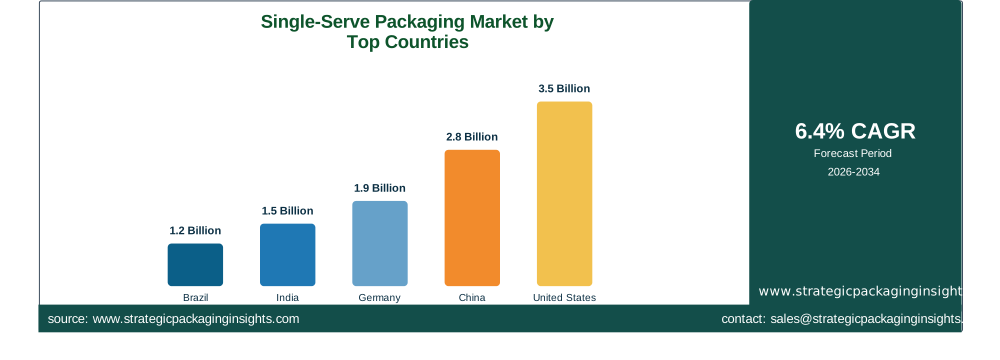
China is another significant market, with a market size of around $2.8 billion and a CAGR of 7%. The country's rapid urbanization and growing middle class are fueling demand for single-serve packaging solutions. The rise of e-commerce and online food delivery services is also contributing to market growth. However, the market faces challenges related to environmental regulations and the need for sustainable packaging options.
Germany, with a market size of approximately $1.9 billion and a CAGR of 4%, is a key player in the European market. The country's strong emphasis on sustainability and recycling is driving demand for eco-friendly packaging solutions. The presence of leading packaging companies and the focus on innovation further enhance the market's growth prospects. However, the stringent regulatory environment poses challenges for manufacturers.
India, with a market size of around $1.5 billion and a CAGR of 8%, is experiencing rapid growth in the Single-Serve Packaging market. The country's expanding middle class and increasing disposable income are driving demand for convenient packaging solutions. The rise of organized retail and e-commerce platforms is also contributing to market expansion. However, the market faces challenges related to infrastructure and supply chain inefficiencies.
Brazil, with a market size of approximately $1.2 billion and a CAGR of 6%, is a key player in the Latin American market. The country's growing food and beverage industry and the increasing demand for convenience are driving market growth. The presence of major packaging companies and the adoption of innovative packaging solutions further contribute to the market's expansion. However, economic instability and regulatory challenges pose risks to market stability.
Single-Serve Packaging Market Segments Insights

Type Analysis
The Single-Serve Packaging market is segmented by type into pouches and cups. Pouches are gaining popularity due to their lightweight nature and convenience, making them ideal for on-the-go consumption. The demand for pouches is driven by their versatility and ability to accommodate a wide range of products, from beverages to snacks. Additionally, advancements in pouch design and materials are enhancing their appeal, offering improved shelf life and sustainability. The growing trend of premiumization is also driving demand for aesthetically pleasing pouch designs that enhance the consumer experience.
Cups, on the other hand, are favored for their convenience and ease of use, particularly in the beverage industry. The demand for single-serve cups is driven by the increasing consumption of ready-to-drink beverages and the rise of coffee culture. Manufacturers are focusing on innovative cup designs and materials that offer improved insulation and sustainability. The growing emphasis on eco-friendly packaging solutions is encouraging the development of biodegradable and recyclable cup options, catering to the evolving consumer preferences.
Material Analysis
The Single-Serve Packaging market is segmented by material into plastic and paper. Plastic remains the dominant material due to its versatility, durability, and cost-effectiveness. The demand for plastic packaging is driven by its ability to provide excellent barrier properties, ensuring product freshness and extending shelf life. However, the growing awareness of environmental issues and the push for sustainable practices are prompting manufacturers to explore alternative materials and develop eco-friendly plastic options.
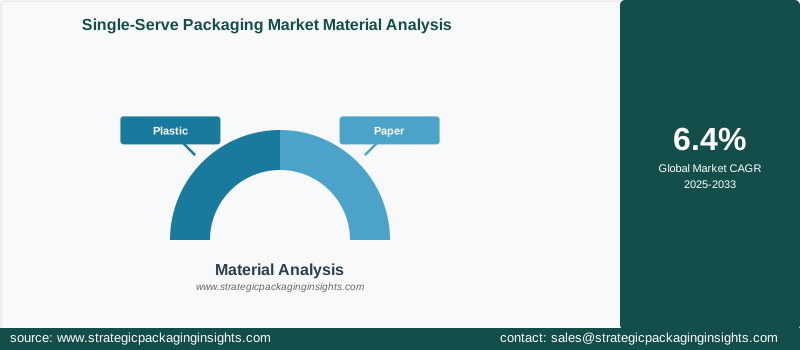
Paper, on the other hand, is gaining traction as a sustainable packaging material, offering biodegradability and recyclability. The demand for paper packaging is driven by the increasing consumer preference for eco-friendly solutions and the stringent regulatory landscape governing plastic waste. Manufacturers are investing in research and development to enhance the performance of paper packaging, ensuring it meets the functional requirements of single-serve applications. The growing trend of premiumization is also driving demand for high-quality paper packaging that offers a premium look and feel.
Product Analysis
The Single-Serve Packaging market is segmented by product into coffee and snacks. The demand for single-serve coffee packaging is driven by the growing coffee culture and the increasing consumption of ready-to-drink beverages. Consumers are seeking convenient packaging solutions that offer ease of use and portability, making single-serve coffee packaging an attractive option. Manufacturers are focusing on innovative packaging designs and materials that enhance the consumer experience and ensure product freshness.
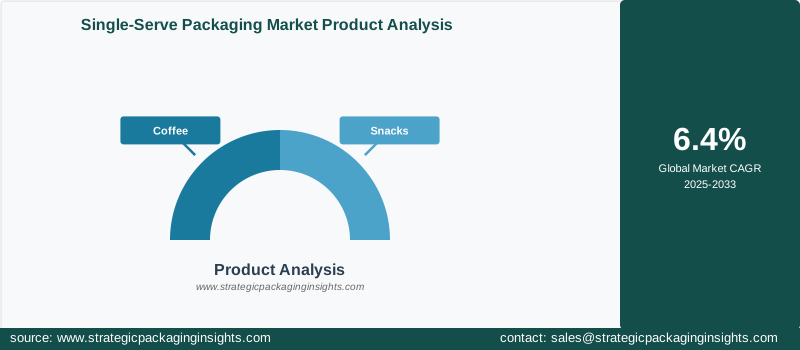
Snacks, on the other hand, are witnessing increasing demand for single-serve packaging due to the growing trend of on-the-go consumption. The demand for single-serve snack packaging is driven by the need for portion control and convenience, catering to the busy lifestyles of consumers. Manufacturers are investing in innovative packaging solutions that offer improved shelf life and sustainability, aligning with the evolving consumer preferences. The rise of premiumization is also driving demand for high-quality snack packaging that enhances the overall consumer experience.
Distribution Analysis
The Single-Serve Packaging market is segmented by distribution into retail and HORECA (Hotels, Restaurants, and Cafes). Retail remains the dominant distribution channel, driven by the increasing demand for convenience and the rise of organized retail formats. The demand for single-serve packaging in the retail sector is driven by the need for efficient and secure packaging solutions that ensure product integrity during transit. Manufacturers are focusing on innovative packaging designs and materials that cater to the evolving consumer preferences and enhance the overall shopping experience.
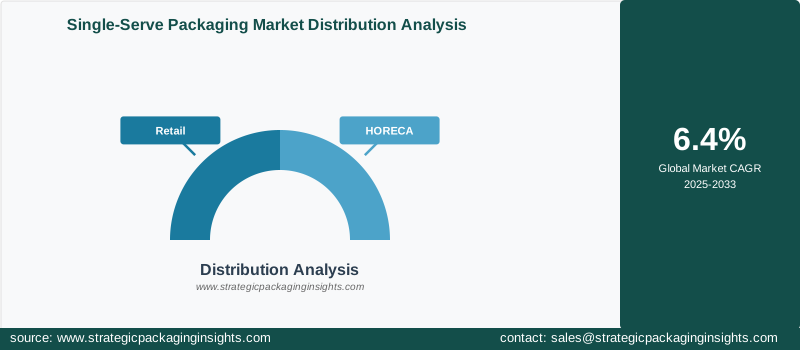
HORECA, on the other hand, is witnessing increasing demand for single-serve packaging due to the growing trend of on-the-go consumption and the rise of food delivery services. The demand for single-serve packaging in the HORECA sector is driven by the need for portion control and convenience, catering to the busy lifestyles of consumers. Manufacturers are investing in innovative packaging solutions that offer improved shelf life and sustainability, aligning with the evolving consumer preferences. The rise of premiumization is also driving demand for high-quality packaging that enhances the overall consumer experience.
Single-Serve Packaging Market Segments
The Single-Serve Packaging market has been segmented on the basis ofType
- Pouches
- Cups
Material
- Plastic
- Paper
Product
- Coffee
- Snacks
Distribution
- Retail
- HORECA
Region
- Asia Pacific
- North America
- Latin America
- Europe
- Middle East & Africa




