


Silo bags Market Outlook
The silo bags market was valued at $801.23 million in 2025 and is projected to reach $1.62 billion by 2034, growing at a CAGR of 8.1% during the forecast period 2026-2034. This growth is driven by the increasing demand for efficient and cost-effective storage solutions in the agricultural sector. Silo bags offer a flexible and scalable option for farmers and grain producers, allowing them to store large quantities of grain and silage without the need for permanent infrastructure. The market is also benefiting from advancements in material technology, particularly the use of polyethylene (PE), which enhances the durability and longevity of silo bags. Additionally, the rising awareness about the benefits of silo bags, such as reduced spoilage and improved grain quality, is further propelling market growth.
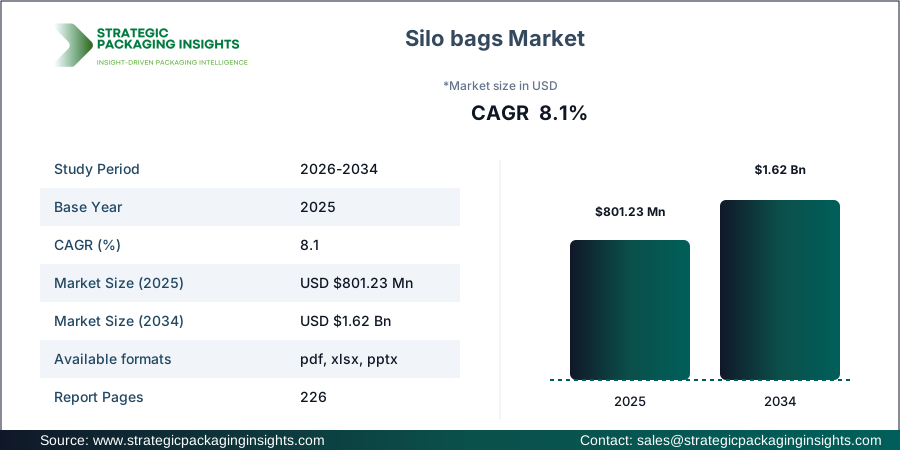
However, the market faces certain restraints, including regulatory challenges and environmental concerns related to plastic usage. The disposal of used silo bags poses a significant environmental challenge, as they are typically made from non-biodegradable materials. This has led to increased scrutiny from environmental agencies and the implementation of stricter regulations regarding plastic waste management. Despite these challenges, the market holds significant growth potential, particularly in emerging economies where agricultural practices are evolving rapidly. The adoption of silo bags in these regions is expected to increase as farmers seek cost-effective and efficient storage solutions to meet the growing demand for food.
Report Scope
| Attributes | Details |
| Report Title | Silo bags Market Size, Future Growth and Forecast 2034 |
| Capacity | 50m³, 200m³, 300m³ |
| Material | PE |
| Application | Grain, Silage |
| Thickness | 200μ, 250μ |
| Region | Asia Pacific, North America, Latin America, Europe, Middle East & Africa |
| Base Year | 2025 |
| Historic Period | 2018-2024 |
| Forecast Period | 2026-2034 |
| Number of Pages | 226 |
| Customization Available | Yes* |
Opportunities & Threats
The silo bags market presents numerous opportunities, particularly in the realm of technological advancements and innovation. The development of biodegradable materials for silo bags is a promising area that could address environmental concerns and regulatory challenges. Companies investing in research and development to create eco-friendly alternatives are likely to gain a competitive edge in the market. Additionally, the integration of smart technologies, such as sensors and IoT devices, into silo bags can provide real-time monitoring of storage conditions, further enhancing their appeal to farmers and grain producers. This technological integration can help optimize storage conditions, reduce spoilage, and improve overall efficiency, thereby driving market growth.
Another significant opportunity lies in the expansion of the market in emerging economies. As agricultural practices in these regions continue to modernize, the demand for efficient storage solutions is expected to rise. Silo bags offer a cost-effective and scalable option for farmers in these regions, allowing them to store large quantities of grain and silage without the need for significant infrastructure investment. This is particularly relevant in countries with limited access to traditional storage facilities, where silo bags can provide a practical and immediate solution to storage challenges.
Despite these opportunities, the market faces certain threats, primarily related to environmental concerns and regulatory challenges. The use of non-biodegradable materials in silo bags has raised environmental concerns, leading to increased scrutiny from regulatory bodies. This has resulted in stricter regulations regarding plastic waste management, which could impact the production and disposal of silo bags. Companies operating in this market need to navigate these regulatory challenges carefully and invest in sustainable practices to mitigate potential risks.
Drivers & Challenges
The primary drivers of the silo bags market include the increasing demand for efficient and cost-effective storage solutions in the agricultural sector. As global food demand continues to rise, farmers and grain producers are seeking innovative ways to store and preserve their produce. Silo bags offer a flexible and scalable solution, allowing for the storage of large quantities of grain and silage without the need for permanent infrastructure. This is particularly beneficial in regions with limited access to traditional storage facilities, where silo bags can provide a practical and immediate solution to storage challenges.
Another significant driver is the advancement in material technology, particularly the use of polyethylene (PE) in the production of silo bags. PE offers enhanced durability and longevity, making silo bags a reliable storage option for farmers and grain producers. Additionally, the rising awareness about the benefits of silo bags, such as reduced spoilage and improved grain quality, is further propelling market growth. As more farmers recognize the advantages of using silo bags, the demand for these storage solutions is expected to increase significantly.
However, the market faces several challenges, including environmental concerns and regulatory hurdles. The use of non-biodegradable materials in silo bags has raised environmental concerns, leading to increased scrutiny from regulatory bodies. This has resulted in stricter regulations regarding plastic waste management, which could impact the production and disposal of silo bags. Companies operating in this market need to navigate these regulatory challenges carefully and invest in sustainable practices to mitigate potential risks. Additionally, the market is highly competitive, with numerous players vying for market share, which could pose challenges for new entrants.
Market Share Analysis
The competitive landscape of the silo bags market is characterized by the presence of several key players, each striving to gain a significant share of the market. Companies such as GSI, Silo Bags International, and Grain Bags Canada are among the leading players, known for their extensive product offerings and strong distribution networks. These companies have established themselves as leaders in the market by consistently delivering high-quality products and innovative solutions to meet the evolving needs of their customers.
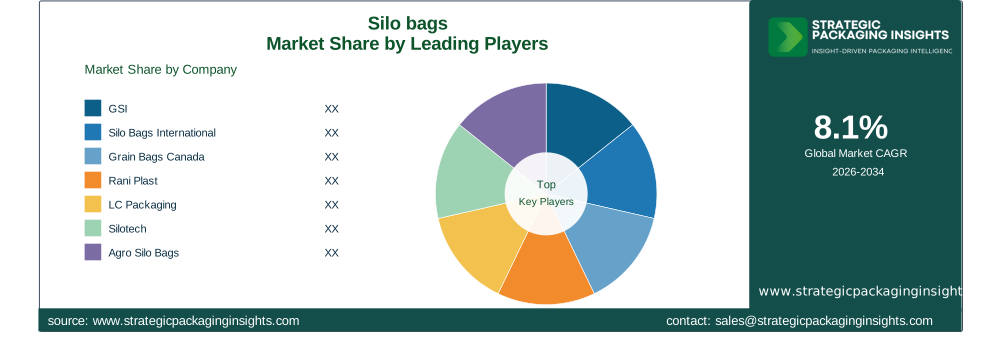
GSI, a prominent player in the market, holds a substantial market share due to its comprehensive range of silo bags and related storage solutions. The company's strong focus on research and development has enabled it to introduce innovative products that cater to the specific needs of farmers and grain producers. Similarly, Silo Bags International has carved a niche for itself in the market by offering a diverse range of silo bags that are designed to withstand harsh environmental conditions and provide reliable storage solutions.
Grain Bags Canada is another key player in the market, known for its high-quality silo bags and commitment to sustainability. The company has invested significantly in developing eco-friendly alternatives to traditional silo bags, positioning itself as a leader in the market's shift towards sustainable practices. Rani Plast and LC Packaging are also notable players, with a strong presence in the market and a reputation for delivering durable and reliable storage solutions.
Other significant players in the market include Silotech, Agro Silo Bags, TT Silo Bags, Flexi-Nor, and PackSavvy Solutions. These companies have established themselves as reliable providers of silo bags, offering a wide range of products to cater to the diverse needs of their customers. The competitive landscape of the silo bags market is dynamic, with companies continuously striving to innovate and differentiate themselves to gain a competitive edge.
Key Highlights
- The silo bags market is projected to grow at a CAGR of 8.1% from 2026 to 2034.
- Advancements in material technology, particularly the use of polyethylene (PE), are driving market growth.
- Environmental concerns and regulatory challenges pose significant threats to the market.
- The market presents significant opportunities in emerging economies with evolving agricultural practices.
- Key players in the market include GSI, Silo Bags International, and Grain Bags Canada.
- The development of biodegradable materials for silo bags is a promising area for innovation.
- The integration of smart technologies into silo bags can enhance storage efficiency and reduce spoilage.
Top Countries Insights
In the silo bags market, the United States stands out as a key player, with a market size of approximately $300 million and a CAGR of 7%. The country's advanced agricultural sector and the increasing adoption of modern storage solutions are driving market growth. Government policies supporting sustainable agricultural practices and the use of eco-friendly materials are also contributing to the market's expansion. However, environmental regulations regarding plastic waste management pose challenges for market players.
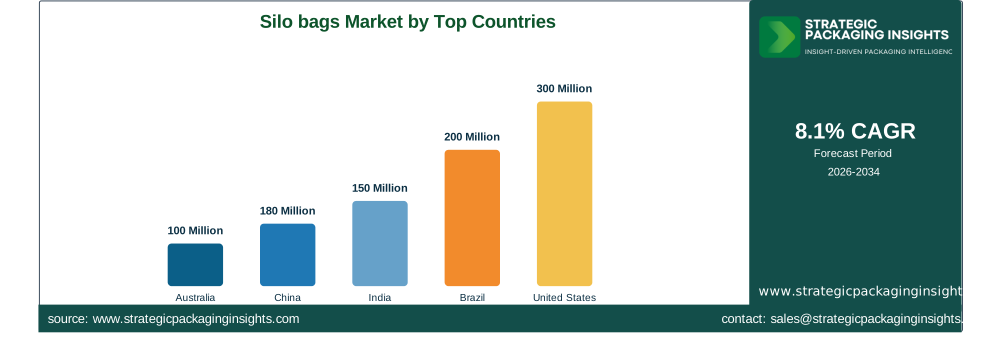
Brazil is another significant market for silo bags, with a market size of around $200 million and a CAGR of 9%. The country's large agricultural sector and the growing demand for efficient storage solutions are key drivers of market growth. The Brazilian government's focus on improving agricultural infrastructure and promoting sustainable practices is further boosting the market. However, the market faces challenges related to the disposal of non-biodegradable materials.
In India, the silo bags market is valued at approximately $150 million, with a CAGR of 10%. The country's rapidly evolving agricultural sector and the increasing need for cost-effective storage solutions are driving market growth. Government initiatives to modernize agriculture and improve storage infrastructure are also contributing to the market's expansion. However, the market faces challenges related to the lack of awareness about the benefits of silo bags among small-scale farmers.
China's silo bags market is estimated to be worth $180 million, with a CAGR of 8%. The country's large agricultural sector and the increasing adoption of modern storage solutions are key drivers of market growth. Government policies supporting sustainable agricultural practices and the use of eco-friendly materials are also contributing to the market's expansion. However, environmental regulations regarding plastic waste management pose challenges for market players.
In Australia, the silo bags market is valued at approximately $100 million, with a CAGR of 6%. The country's advanced agricultural sector and the increasing adoption of modern storage solutions are driving market growth. Government policies supporting sustainable agricultural practices and the use of eco-friendly materials are also contributing to the market's expansion. However, environmental regulations regarding plastic waste management pose challenges for market players.
Silo bags Market Segments Insights

Capacity Analysis
The capacity segment of the silo bags market is categorized into 50m³, 200m³, and 300m³. The 200m³ segment holds a significant share of the market, driven by its suitability for medium to large-scale agricultural operations. Farmers and grain producers prefer this capacity due to its ability to store substantial quantities of grain and silage, making it a cost-effective option. The 300m³ segment is also gaining traction, particularly among large-scale operations that require extensive storage solutions. The demand for 50m³ silo bags is primarily driven by small-scale farmers who need flexible and affordable storage options.

The increasing demand for larger capacity silo bags is attributed to the growing trend of large-scale farming operations and the need for efficient storage solutions. As agricultural practices continue to evolve, farmers are seeking storage options that can accommodate larger quantities of produce. This trend is particularly evident in regions with extensive agricultural activities, where the demand for high-capacity silo bags is on the rise. Additionally, advancements in material technology are enabling the production of durable and reliable large-capacity silo bags, further driving market growth.
Material Analysis
The material segment of the silo bags market is dominated by polyethylene (PE), which is widely used due to its durability and cost-effectiveness. PE offers excellent resistance to environmental factors, making it an ideal material for silo bags used in various climatic conditions. The use of PE in silo bags enhances their longevity and reliability, providing farmers with a dependable storage solution. The market is witnessing a growing trend towards the development of biodegradable materials, which could address environmental concerns and regulatory challenges associated with plastic usage.

The demand for PE-based silo bags is driven by their affordability and versatility, making them a popular choice among farmers and grain producers. As environmental concerns continue to rise, there is a growing interest in developing eco-friendly alternatives to traditional PE-based silo bags. Companies investing in research and development to create biodegradable materials are likely to gain a competitive edge in the market. This trend is expected to drive innovation and lead to the introduction of new products that cater to the evolving needs of the market.
Application Analysis
The application segment of the silo bags market is divided into grain and silage storage. The grain storage segment holds a significant share of the market, driven by the increasing demand for efficient and cost-effective storage solutions in the agricultural sector. Silo bags offer a flexible and scalable option for grain storage, allowing farmers to store large quantities of produce without the need for permanent infrastructure. The silage storage segment is also experiencing growth, particularly in regions with extensive livestock farming activities.
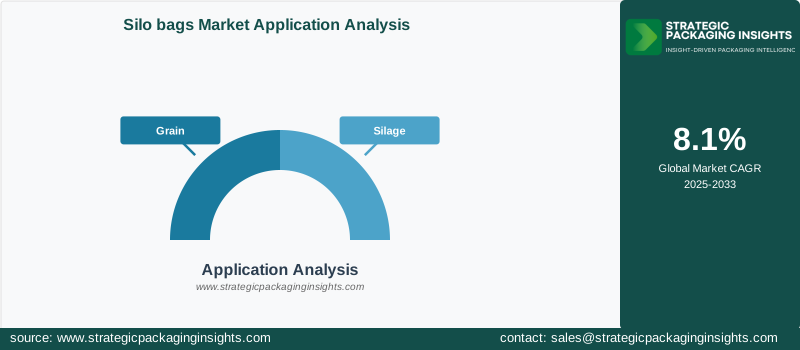
The demand for silo bags in grain storage is driven by the need to preserve grain quality and reduce spoilage. As global food demand continues to rise, farmers are seeking innovative ways to store and preserve their produce. Silo bags provide an effective solution, offering protection against environmental factors and pests. The silage storage segment is benefiting from the growing trend of livestock farming, where silo bags are used to store feed for animals. This trend is particularly evident in regions with large livestock populations, where the demand for silage storage solutions is on the rise.
Thickness Analysis
The thickness segment of the silo bags market is categorized into 200μ and 250μ. The 250μ segment holds a significant share of the market, driven by its enhanced durability and resistance to environmental factors. Farmers and grain producers prefer thicker silo bags due to their ability to withstand harsh climatic conditions and provide reliable storage solutions. The 200μ segment is also gaining traction, particularly among small-scale farmers who require affordable and flexible storage options.

The demand for thicker silo bags is attributed to the growing trend of large-scale farming operations and the need for durable storage solutions. As agricultural practices continue to evolve, farmers are seeking storage options that can withstand environmental challenges and provide long-term protection for their produce. This trend is particularly evident in regions with extreme weather conditions, where the demand for thick silo bags is on the rise. Additionally, advancements in material technology are enabling the production of durable and reliable thick silo bags, further driving market growth.
Silo bags Market Segments
The Silo bags market has been segmented on the basis ofCapacity
- 50m³
- 200m³
- 300m³
Material
- PE
Application
- Grain
- Silage
Thickness
- 200μ
- 250μ
Region
- Asia Pacific
- North America
- Latin America
- Europe
- Middle East & Africa




