


Silage Bags Market Outlook
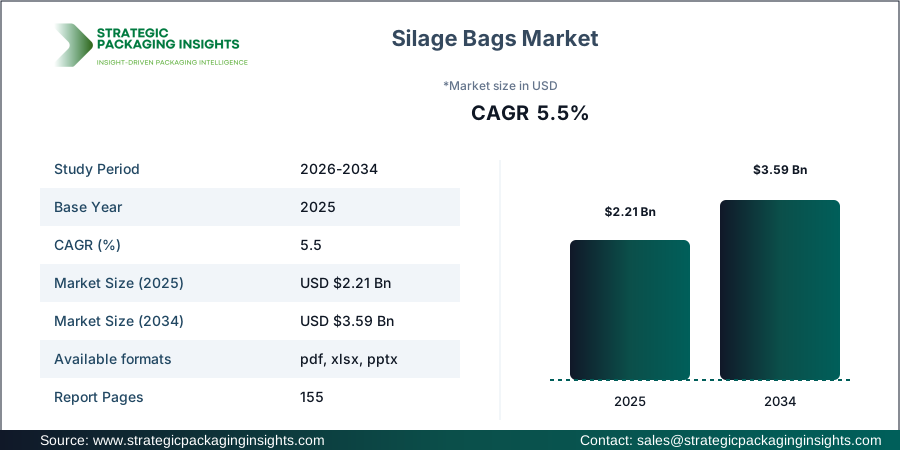
The Silage Bags market size was valued at USD 2.21 billion in 2025 and is anticipated to reach USD 3.59 billion by 2034, growing at a CAGR of 5.5% during the forecast period according to Strategic Packaging Insights. The market is witnessing robust growth due to the increasing demand for efficient storage solutions in the agricultural sector. Companies like Berry Global and RKW Group are at the forefront, driving innovation in silage bag technology. The need for sustainable and cost-effective storage solutions is pushing the market towards advanced materials and designs, ensuring better preservation of agricultural produce.
One of the most impactful drivers of the Silage Bags market is the growing emphasis on reducing post-harvest losses. According to the Food and Agriculture Organization, post-harvest losses can account for up to 30% of total production in some regions. This has led to a heightened focus on improving storage solutions, with silage bags offering a practical and efficient option. Companies like Trioplast and Coveris are investing in research and development to enhance the durability and functionality of silage bags, catering to the evolving needs of the agricultural sector. The increasing adoption of silage bags in emerging markets is also contributing to the market's growth trajectory.
Report Scope
| Attributes | Details |
| Report Title | Silage Bags Market Size, Future Growth and Forecast 2034 |
| By Material Type | PE, LLDPE, Co-Extruded Film |
| By Product Type | Tube Bags, Bale Bags, Grain Bags |
| By Application | Forage Storage, Grain Storage, Haylage Storage |
| By End Use | Dairy Farms, Livestock Farms, Agricultural Cooperatives |
| Region | Asia Pacific, North America, Latin America, Europe, Middle East & Africa |
| Base Year | 2025 |
| Historic Period | 2018-2024 |
| Forecast Period | 2026-2034 |
| Number of Pages | 155 |
| Customization Available | Yes* |
Sustainability & Circular Economy Analysis
Sustainability initiatives are significantly shaping the silage bags market, with a strong focus on recyclable materials and eco-friendly innovations. Companies are increasingly adopting recyclable polyethylene (PE) and linear low-density polyethylene (LLDPE) to manufacture silage bags, aligning with global sustainability goals. This shift not only reduces environmental impact but also enhances the market appeal of these products among environmentally conscious consumers. The integration of circular economy practices, such as reusing and recycling silage bags, is becoming a standard industry practice, driving long-term market competitiveness.
Eco-friendly material innovation is at the forefront of the silage bags market, with manufacturers like Armando Alvarez and Plastika Kritis leading the charge. These companies are developing lightweight packaging solutions that minimize carbon footprints while maintaining product integrity. Waste reduction strategies, including extended producer responsibility (EPR), are being implemented to ensure that manufacturers take accountability for the entire lifecycle of their products. This approach not only complies with regulatory requirements but also enhances brand reputation and consumer trust.
Consumer preferences are increasingly leaning towards sustainable packaging solutions, influencing investment decisions and supply chain strategies. Packaging regulations are becoming more stringent, prompting companies to innovate and adapt to new standards. The focus on reducing carbon footprints and implementing ESG initiatives is driving the adoption of sustainable practices across the packaging value chain. As a result, companies are investing in advanced manufacturing technologies and strategic partnerships to enhance their sustainability credentials and maintain a competitive edge in the market.
Packaging Value Chain & Supply Chain Analysis
The packaging value chain for silage bags involves a complex ecosystem of raw material sourcing, manufacturing, and distribution. Raw material availability, particularly for PE and LLDPE, plays a crucial role in determining production capabilities and cost structures. Packaging converters and manufacturers like Sigma Plastics and Rani Plast are pivotal in transforming raw materials into high-quality silage bags, ensuring that they meet the specific needs of the agricultural sector. Efficient logistics and distribution channels are essential for timely delivery and maintaining product quality, impacting overall market performance.
Supply chain efficiency is a critical factor influencing the competitiveness of the silage bags market. Companies are adopting advanced procurement strategies and inventory management systems to optimize their supply chains. Localization and global sourcing are being balanced to mitigate risks associated with raw material shortages and transportation disruptions. Strategic partnerships with logistics providers and retailers are enhancing supply chain resilience, ensuring that silage bags reach end-users efficiently and cost-effectively.
Recycling networks are becoming an integral part of the packaging value chain, driven by the increasing emphasis on sustainability. Companies are collaborating with recycling firms to ensure that used silage bags are collected and processed responsibly. This not only reduces environmental impact but also aligns with consumer expectations and regulatory requirements. As the market continues to evolve, the focus on supply chain optimization and sustainability will remain key drivers of growth and innovation in the silage bags industry.
Opportunities & Threats
The silage bags market presents significant opportunities for growth, driven by the increasing demand for efficient storage solutions in the agricultural sector. The adoption of advanced materials and technologies is opening new avenues for innovation, allowing companies to develop products that offer superior performance and sustainability. The growing emphasis on reducing post-harvest losses is creating a strong demand for high-quality silage bags, particularly in emerging markets where agricultural productivity is a key focus. Companies that can offer cost-effective and environmentally friendly solutions are well-positioned to capitalize on these opportunities.
Another opportunity lies in the expansion of the silage bags market into new geographic regions. As agricultural practices evolve and modernize, there is a growing need for efficient storage solutions in regions such as Asia Pacific and Latin America. Companies that can establish a strong presence in these markets and offer tailored solutions to meet local needs are likely to experience significant growth. Strategic partnerships and collaborations with local distributors and agricultural cooperatives can further enhance market penetration and brand recognition.
However, the silage bags market also faces certain threats that could impact its growth trajectory. One of the primary challenges is the volatility in raw material prices, particularly for polyethylene and other polymers used in manufacturing. Fluctuations in oil prices and supply chain disruptions can lead to increased production costs, affecting profit margins. Additionally, stringent environmental regulations and the growing demand for sustainable packaging solutions require companies to invest in research and development to stay competitive. Failure to adapt to these changing market dynamics could result in a loss of market share and reduced profitability.
Drivers & Challenges
The silage bags market is driven by several key factors, including the increasing demand for efficient storage solutions in the agricultural sector. The need to reduce post-harvest losses and improve the quality of stored forage and grains is a major driver of market growth. Companies like Berry Global and RKW Group are investing in advanced materials and technologies to enhance the performance and durability of silage bags, catering to the evolving needs of farmers and agricultural cooperatives. The growing emphasis on sustainability and eco-friendly packaging solutions is also driving innovation and market expansion.
Another significant driver is the expansion of the agricultural sector in emerging markets. As countries in Asia Pacific and Latin America continue to modernize their agricultural practices, there is a growing demand for high-quality storage solutions that can preserve the nutritional value of forage and grains. The increasing adoption of silage bags in these regions is creating new growth opportunities for manufacturers and suppliers. Strategic partnerships and collaborations with local distributors and agricultural cooperatives are helping companies to establish a strong presence in these markets and capitalize on the growing demand.
Despite the positive growth prospects, the silage bags market faces several challenges that could impact its development. One of the primary challenges is the volatility in raw material prices, which can affect production costs and profit margins. Companies need to adopt effective procurement strategies and inventory management systems to mitigate these risks. Additionally, stringent environmental regulations and the growing demand for sustainable packaging solutions require companies to invest in research and development to stay competitive. The need to balance cost-effectiveness with sustainability is a key challenge that companies must address to maintain their market position.
Market Share Analysis
The competitive landscape of the silage bags market is characterized by the presence of several key players, each striving to enhance their market share through innovation and strategic partnerships. Companies like Berry Global and RKW Group are leading the market with their advanced product offerings and strong distribution networks. These companies are focusing on expanding their product portfolios and enhancing their manufacturing capabilities to meet the growing demand for silage bags. The emphasis on sustainability and eco-friendly packaging solutions is also driving competition, with companies investing in research and development to differentiate their products.
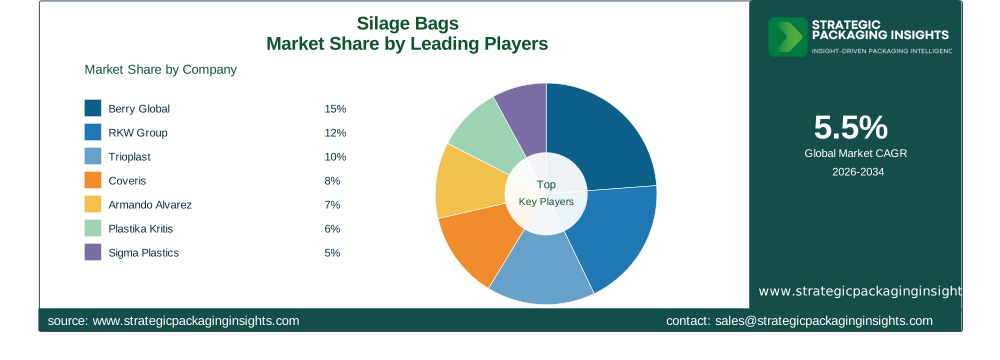
Berry Global is a prominent player in the silage bags market, known for its innovative product designs and commitment to sustainability. The company has a strong presence in North America and Europe, with a focus on expanding its operations in emerging markets. RKW Group is another leading player, offering a wide range of silage bags that cater to the diverse needs of the agricultural sector. The company's emphasis on quality and customer satisfaction has helped it to establish a strong brand reputation and maintain a competitive edge in the market.
Trioplast and Coveris are also significant players in the silage bags market, known for their high-quality products and strong distribution networks. These companies are focusing on expanding their product offerings and enhancing their manufacturing capabilities to meet the growing demand for silage bags. The emphasis on sustainability and eco-friendly packaging solutions is driving competition, with companies investing in research and development to differentiate their products. The growing demand for efficient storage solutions in the agricultural sector is creating new growth opportunities for these companies.
Armando Alvarez and Plastika Kritis are key players in the silage bags market, known for their innovative product designs and commitment to sustainability. These companies have a strong presence in Europe and are focusing on expanding their operations in emerging markets. The emphasis on quality and customer satisfaction has helped them to establish a strong brand reputation and maintain a competitive edge in the market. The growing demand for efficient storage solutions in the agricultural sector is creating new growth opportunities for these companies.
Key Highlights
- Market Size: The silage bags market was valued at USD 2.21 billion in 2025 and is projected to reach USD 3.59 billion by 2034.
- Growth Rate: The market is expected to grow at a CAGR of 5.5% during the forecast period.
- Leading Companies: Key players include Berry Global, RKW Group, Trioplast, and Coveris.
- Material Innovation: Increasing use of recyclable materials like PE and LLDPE.
- Regional Growth: Significant growth expected in Asia Pacific and Latin America.
- Sustainability Focus: Emphasis on eco-friendly and sustainable packaging solutions.
- Application Segments: Forage storage, grain storage, and haylage storage are key application areas.
Silage Bags Market Segments Insights

By Material Type Analysis
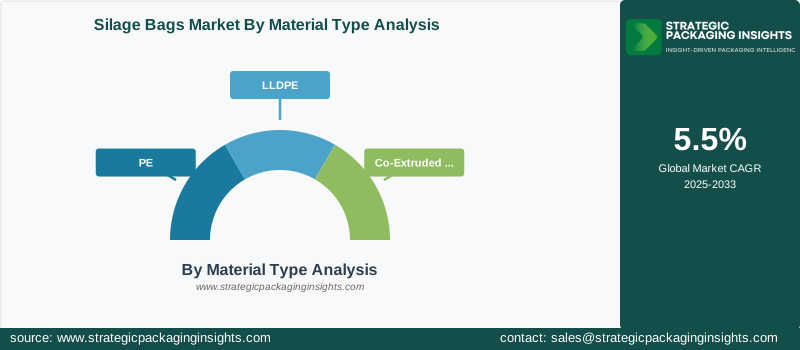
The silage bags market is segmented by material type into PE, LLDPE, and Co-Extruded Film. PE and LLDPE are the most commonly used materials due to their durability and cost-effectiveness. These materials offer excellent resistance to environmental factors, ensuring the long-term preservation of stored forage and grains. The increasing focus on sustainability is driving the adoption of recyclable materials, with companies like Berry Global and RKW Group leading the charge. Co-Extruded Film is gaining traction due to its superior barrier properties, which enhance the shelf life of stored products.
Innovation in material technology is a key driver of growth in this segment, with manufacturers investing in research and development to enhance the performance and sustainability of their products. The demand for lightweight and eco-friendly materials is increasing, driven by consumer preferences and regulatory requirements. Companies are focusing on developing materials that offer a balance between cost-effectiveness and environmental impact, ensuring long-term market competitiveness. The growing emphasis on reducing carbon footprints and implementing ESG initiatives is further driving innovation in material technology.
By Product Type Analysis
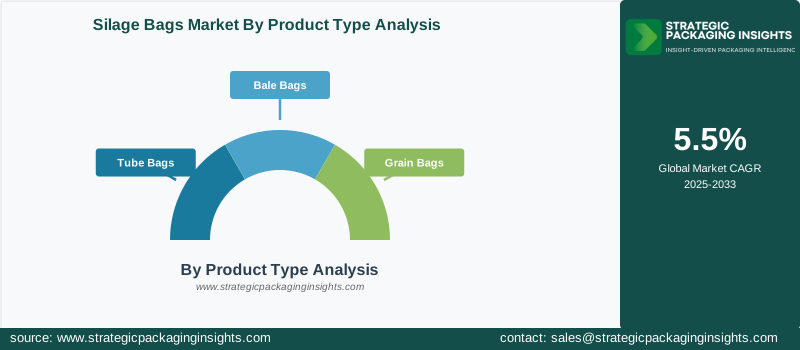
The silage bags market is segmented by product type into Tube Bags, Bale Bags, and Grain Bags. Tube Bags are the most widely used product type, offering a cost-effective and efficient solution for storing large volumes of forage and grains. Bale Bags are gaining popularity due to their ease of use and versatility, catering to the diverse needs of the agricultural sector. Grain Bags are specifically designed for storing grains, offering superior protection against environmental factors and pests.
Product innovation is a key driver of growth in this segment, with companies focusing on developing products that offer enhanced performance and sustainability. The demand for customizable and user-friendly products is increasing, driven by consumer preferences and market trends. Companies are investing in research and development to enhance the functionality and durability of their products, ensuring long-term market competitiveness. The growing emphasis on reducing post-harvest losses and improving storage efficiency is further driving innovation in product design.
By Application Analysis
The silage bags market is segmented by application into Forage Storage, Grain Storage, and Haylage Storage. Forage Storage is the largest application segment, driven by the increasing demand for efficient storage solutions in the agricultural sector. Grain Storage is gaining traction due to the growing emphasis on reducing post-harvest losses and improving the quality of stored grains. Haylage Storage is a niche segment, catering to the specific needs of livestock farms and agricultural cooperatives.
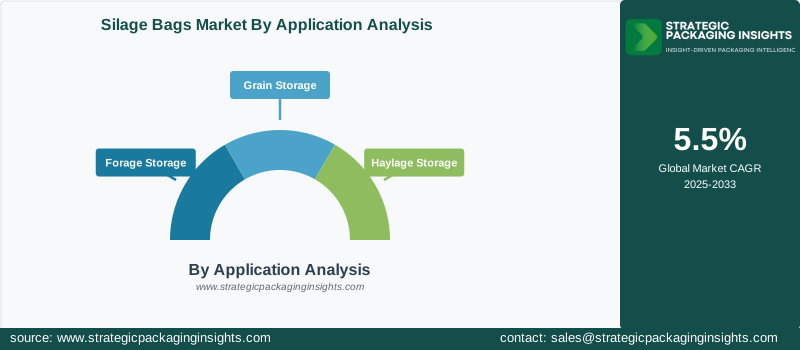
Application-specific innovation is a key driver of growth in this segment, with companies focusing on developing products that cater to the unique needs of each application. The demand for high-quality and durable storage solutions is increasing, driven by consumer preferences and market trends. Companies are investing in research and development to enhance the performance and sustainability of their products, ensuring long-term market competitiveness. The growing emphasis on reducing carbon footprints and implementing ESG initiatives is further driving innovation in application-specific product design.
By End Use Analysis
The silage bags market is segmented by end use into Dairy Farms, Livestock Farms, and Agricultural Cooperatives. Dairy Farms are the largest end-use segment, driven by the increasing demand for efficient storage solutions to preserve the nutritional value of forage and grains. Livestock Farms are gaining traction due to the growing emphasis on improving the quality of stored feed and reducing post-harvest losses. Agricultural Cooperatives are a niche segment, catering to the specific needs of small and medium-sized farms.
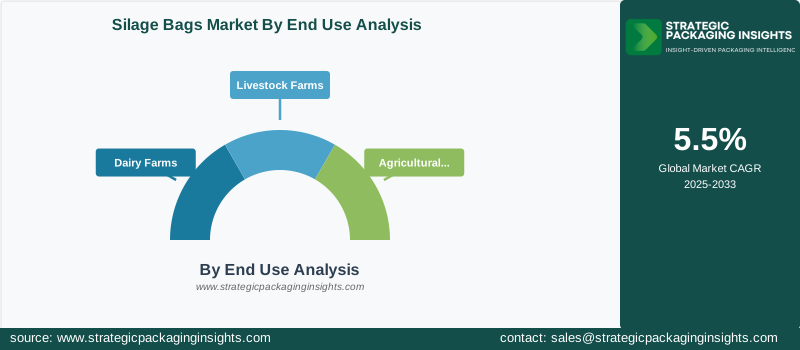
End-use-specific innovation is a key driver of growth in this segment, with companies focusing on developing products that cater to the unique needs of each end-use. The demand for high-quality and durable storage solutions is increasing, driven by consumer preferences and market trends. Companies are investing in research and development to enhance the performance and sustainability of their products, ensuring long-term market competitiveness. The growing emphasis on reducing carbon footprints and implementing ESG initiatives is further driving innovation in end-use-specific product design.
Silage Bags Market Segments
The Silage Bags market has been segmented on the basis ofBy Material Type
- PE
- LLDPE
- Co-Extruded Film
By Product Type
- Tube Bags
- Bale Bags
- Grain Bags
By Application
- Forage Storage
- Grain Storage
- Haylage Storage
By End Use
- Dairy Farms
- Livestock Farms
- Agricultural Cooperatives
Region
- Asia Pacific
- North America
- Latin America
- Europe
- Middle East & Africa




