


Shrink Sleeve Labels Market Outlook
The Shrink Sleeve Labels market size was valued at USD 16.83 billion in 2025 and is anticipated to reach USD 30.18 billion by 2034, growing at a CAGR of 6.7% during the forecast period according to Strategic Packaging Insights. This growth is driven by the increasing demand for visually appealing and durable labeling solutions across various industries. Companies like CCL Industries and Fuji Seal are at the forefront, leveraging advanced printing technologies and innovative materials to cater to the evolving consumer preferences. The market's expansion is further supported by the rising adoption of shrink sleeve labels in the beverage and personal care sectors, where branding and product differentiation are critical.
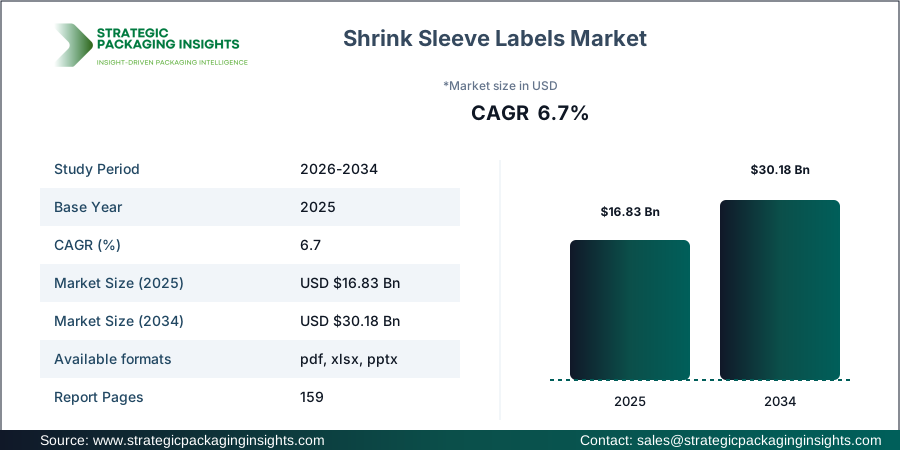
One of the most impactful drivers of the Shrink Sleeve Labels market is the growing emphasis on sustainability and eco-friendly packaging solutions. As consumers become more environmentally conscious, there is a significant shift towards using recyclable and biodegradable materials in packaging. Government regulations and initiatives promoting sustainable practices are also playing a crucial role in shaping the market dynamics. For instance, the European Union's directives on reducing plastic waste have encouraged manufacturers to explore alternative materials like PLA and PETG, which are more environmentally friendly. This trend is expected to continue, driving innovation and investment in sustainable packaging solutions.
Report Scope
| Attributes | Details |
| Report Title | Shrink Sleeve Labels Market Size, Future Growth and Forecast 2034 |
| Material Type | PVC, PETG, OPS, PLA |
| Printing Technology | Flexographic, Gravure, Digital |
| Application | Beverages, Personal Care, Food, Pharmaceuticals |
| End Use | FMCG, Healthcare, Retail, Industrial |
| Region | Asia Pacific, North America, Latin America, Europe, Middle East & Africa |
| Base Year | 2025 |
| Historic Period | 2018-2024 |
| Forecast Period | 2026-2034 |
| Number of Pages | 159 |
| Customization Available | Yes* |
Sustainability & Circular Economy Analysis
Sustainability initiatives are profoundly influencing the Shrink Sleeve Labels market, as companies strive to meet consumer demand for eco-friendly packaging. The integration of recyclable materials and reusable packaging solutions is becoming a standard practice, with brands like Berry Global and Huhtamaki leading the charge. These companies are investing in lightweight packaging and eco-friendly material innovations to reduce their carbon footprint and align with environmental, social, and governance (ESG) initiatives. Such efforts not only enhance brand reputation but also ensure compliance with stringent packaging regulations and extended producer responsibility (EPR) mandates.
The shift towards sustainability is also impacting packaging design and manufacturing processes. Companies are adopting waste reduction strategies and optimizing supply chain operations to minimize environmental impact. This includes using energy-efficient packaging machinery and implementing closed-loop recycling systems. As a result, businesses are making strategic investment decisions to enhance their long-term market competitiveness. The focus on sustainability is driving collaboration across the packaging value chain, with stakeholders working together to develop innovative solutions that meet consumer sustainability preferences.
Moreover, the emphasis on sustainability is influencing supply chain strategies, as companies prioritize sourcing eco-friendly materials and localizing production to reduce transportation emissions. This trend is reshaping the packaging landscape, with manufacturers and brand owners increasingly considering the environmental impact of their operations. By aligning with sustainability trends, companies can not only meet regulatory compliance but also gain a competitive edge in the market. The integration of circular economy practices is expected to drive future growth and innovation in the Shrink Sleeve Labels market.
Packaging Value Chain & Supply Chain Analysis
The packaging value chain for Shrink Sleeve Labels is complex, involving multiple stakeholders from raw material sourcing to recycling networks. Raw material availability, particularly for sustainable options like PLA and PETG, plays a crucial role in determining production capabilities and supply chain efficiency. Packaging converters and manufacturers, such as Klöckner Pentaplast and Constantia Flexibles, are pivotal in transforming these materials into high-quality labels that meet industry standards. Strategic partnerships with suppliers and logistics providers are essential to ensure a seamless flow of materials and products across the value chain.
Supply chain resilience is a key focus for companies in the Shrink Sleeve Labels market, as disruptions can significantly impact market performance. To mitigate risks, businesses are adopting localization strategies and diversifying their sourcing options. This includes establishing regional production facilities and strengthening relationships with local suppliers. Efficient inventory management and procurement strategies are also critical to maintaining a steady supply of materials and meeting customer demand. By enhancing supply chain resilience, companies can improve their competitiveness and ensure timely delivery of products to retailers and brand owners.
Logistics and distribution channels are integral components of the packaging supply chain, influencing the overall market dynamics. Efficient transportation and warehousing solutions are necessary to optimize the flow of goods and reduce lead times. Companies like UFlex and Bonset are investing in advanced logistics technologies to streamline operations and enhance customer satisfaction. Additionally, recycling networks are becoming increasingly important as companies focus on sustainability and circular economy practices. By integrating recycling initiatives into their supply chain strategies, businesses can reduce waste and contribute to a more sustainable packaging ecosystem.
Opportunities & Threats
The Shrink Sleeve Labels market presents numerous opportunities for growth, driven by the increasing demand for innovative and sustainable packaging solutions. The rise of e-commerce and online retailing has created a need for visually appealing and durable labels that can withstand the rigors of shipping and handling. This trend is opening up new avenues for companies to develop advanced printing technologies and materials that enhance product visibility and brand recognition. Additionally, the growing focus on personalization and customization in packaging is providing opportunities for businesses to offer tailored solutions that meet specific consumer preferences.
Emerging markets, particularly in the Asia Pacific region, offer significant growth potential for the Shrink Sleeve Labels market. The rapid urbanization and rising disposable incomes in countries like China and India are driving demand for packaged goods, thereby increasing the need for effective labeling solutions. Companies can capitalize on this opportunity by expanding their presence in these regions and developing products that cater to local consumer preferences. Furthermore, the increasing awareness of environmental issues is encouraging businesses to invest in sustainable packaging solutions, creating opportunities for innovation and differentiation in the market.
Despite the promising growth prospects, the Shrink Sleeve Labels market faces several threats that could hinder its expansion. One of the primary challenges is the volatility in raw material prices, which can impact production costs and profit margins. Additionally, stringent regulatory requirements related to packaging waste and recycling can pose compliance challenges for companies. The competitive landscape is also intensifying, with new entrants and existing players vying for market share. To navigate these threats, businesses must focus on innovation, cost optimization, and strategic partnerships to maintain their competitive edge.
Drivers & Challenges
The Shrink Sleeve Labels market is driven by several key factors, including the increasing demand for visually appealing and durable packaging solutions. The rise of consumer-centric marketing strategies has led to a greater emphasis on product differentiation and brand visibility, driving the adoption of shrink sleeve labels across various industries. Companies like Multi-Color Corporation and Fort Dearborn are leveraging advanced printing technologies to create high-quality labels that enhance product appeal and consumer engagement. Additionally, the growing focus on sustainability and eco-friendly packaging is driving innovation in material selection and manufacturing processes.
Technological advancements in printing and labeling technologies are also playing a crucial role in driving market growth. The development of digital and flexographic printing techniques has enabled companies to produce high-resolution labels with intricate designs and vibrant colors. This has expanded the application scope of shrink sleeve labels, particularly in the food and beverage sectors, where visual appeal is a critical factor in consumer purchasing decisions. Furthermore, the increasing adoption of automation and smart packaging solutions is enhancing production efficiency and reducing operational costs, further driving market expansion.
However, the Shrink Sleeve Labels market faces several challenges that could impact its growth trajectory. One of the primary challenges is the high cost of raw materials, particularly for sustainable options like PLA and PETG. This can increase production costs and affect profit margins, making it challenging for companies to offer competitive pricing. Additionally, the complexity of the supply chain and the need for specialized equipment and expertise can pose operational challenges for manufacturers. To overcome these challenges, businesses must focus on cost optimization, supply chain efficiency, and strategic partnerships to enhance their market position.
Market Share Analysis
The Shrink Sleeve Labels market is characterized by a competitive landscape with several key players vying for market share. Companies like CCL Industries, Fuji Seal, and Multi-Color Corporation are leading the market, leveraging their extensive product portfolios and global presence to maintain a competitive edge. These companies are investing in research and development to innovate and expand their product offerings, catering to the evolving needs of consumers and industries. The market is also witnessing consolidation, with mergers and acquisitions being a common strategy among players to enhance their market position and expand their geographical reach.
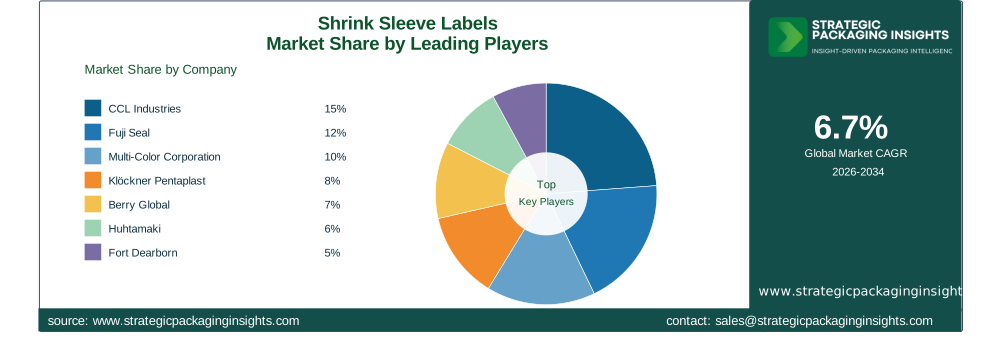
CCL Industries, a prominent player in the Shrink Sleeve Labels market, holds a significant market share due to its diverse product range and strong distribution network. The company focuses on innovation and sustainability, offering eco-friendly labeling solutions that meet regulatory requirements and consumer preferences. Fuji Seal, another major player, is known for its advanced printing technologies and high-quality labels that cater to various industries, including beverages and personal care. The company's commitment to sustainability and customer-centric solutions has helped it maintain a strong market presence.
Multi-Color Corporation is a key player in the market, known for its extensive product portfolio and global operations. The company focuses on delivering innovative and customized labeling solutions that enhance brand visibility and consumer engagement. Klöckner Pentaplast, a leading manufacturer of shrink sleeve labels, is recognized for its high-quality products and commitment to sustainability. The company's focus on research and development and strategic partnerships has enabled it to expand its market presence and cater to a diverse range of industries.
Other notable players in the Shrink Sleeve Labels market include Berry Global, Huhtamaki, Fort Dearborn, Constantia Flexibles, UFlex, and Bonset. These companies are investing in advanced technologies and sustainable materials to enhance their product offerings and meet the growing demand for eco-friendly packaging solutions. The competitive landscape is expected to intensify as companies continue to innovate and expand their market presence, driving growth and development in the Shrink Sleeve Labels market.
Key Highlights
- Market Size: The Shrink Sleeve Labels market was valued at USD 16.83 billion in 2025 and is projected to reach USD 30.18 billion by 2034.
- Growth Rate: The market is expected to grow at a CAGR of 6.7% during the forecast period.
- Leading Companies: Key players include CCL Industries, Fuji Seal, and Multi-Color Corporation.
- Material Innovation: Increasing use of sustainable materials like PLA and PETG.
- Regional Growth: Asia Pacific is anticipated to witness significant growth due to rising demand for packaged goods.
- Technological Advancements: Adoption of digital and flexographic printing technologies.
- Sustainability Focus: Growing emphasis on eco-friendly packaging solutions.
Shrink Sleeve Labels Market Segments Insights

Material Type Analysis
The Shrink Sleeve Labels market is segmented by material type, with PVC, PETG, OPS, and PLA being the primary materials used. PVC remains a popular choice due to its durability and cost-effectiveness, making it suitable for a wide range of applications. However, the growing emphasis on sustainability is driving the demand for eco-friendly materials like PLA and PETG. These materials offer similar performance characteristics to PVC but with a reduced environmental impact. Companies are investing in research and development to enhance the properties of these materials, making them more competitive in the market.
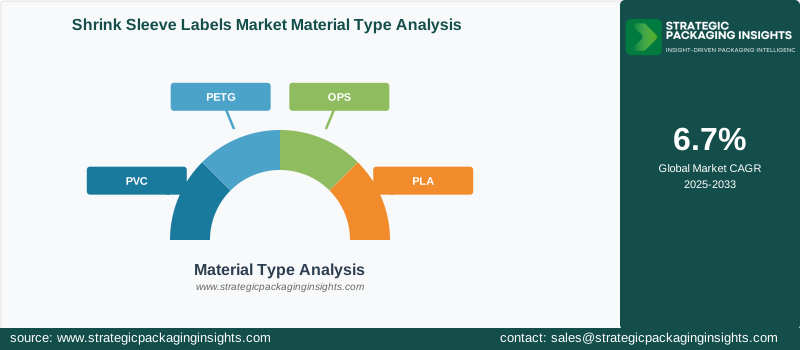
PETG is gaining traction due to its excellent clarity and shrinkage properties, making it ideal for high-quality printing and labeling applications. The material's recyclability and compliance with environmental regulations further enhance its appeal among manufacturers and brand owners. PLA, a biodegradable material, is also witnessing increased adoption, particularly in regions with stringent packaging waste regulations. The shift towards sustainable materials is expected to drive innovation and competition in the market, with companies focusing on developing advanced materials that meet consumer and regulatory demands.
Printing Technology Analysis
The printing technology segment of the Shrink Sleeve Labels market includes flexographic, gravure, and digital printing. Flexographic printing is widely used due to its versatility and cost-effectiveness, making it suitable for large-volume production runs. The technology's ability to print on a variety of substrates and produce high-quality images has made it a preferred choice for many manufacturers. However, the increasing demand for short-run and customized labels is driving the adoption of digital printing technologies, which offer greater flexibility and faster turnaround times.
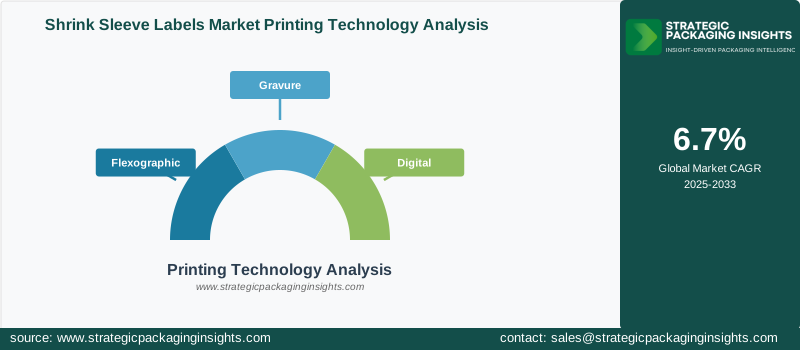
Digital printing is gaining popularity due to its ability to produce high-resolution images and intricate designs, making it ideal for applications where visual appeal is critical. The technology's ability to print variable data and personalized labels is also driving its adoption in the market. Gravure printing, known for its high-quality output and consistency, is used for premium labeling applications where image quality is paramount. The choice of printing technology depends on factors such as production volume, cost, and desired print quality, with companies investing in advanced technologies to enhance their capabilities and meet customer demands.
Application Analysis
The Shrink Sleeve Labels market serves a diverse range of applications, including beverages, personal care, food, and pharmaceuticals. The beverage industry is a major driver of market growth, with shrink sleeve labels being widely used for branding and product differentiation. The labels' ability to conform to complex container shapes and provide 360-degree coverage makes them ideal for beverage packaging. In the personal care sector, shrink sleeve labels are used to enhance product aesthetics and provide tamper-evident features, ensuring product integrity and consumer safety.
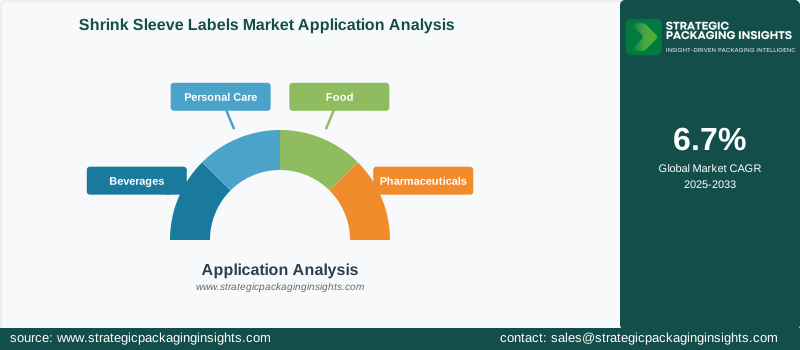
The food industry is also a significant contributor to market demand, with shrink sleeve labels being used to provide nutritional information and enhance product visibility on store shelves. In the pharmaceutical sector, the labels are used for product identification and to meet regulatory requirements for packaging and labeling. The versatility and durability of shrink sleeve labels make them suitable for a wide range of applications, with companies focusing on developing innovative solutions that cater to the specific needs of each industry.
End Use Analysis
The end-use segment of the Shrink Sleeve Labels market includes FMCG, healthcare, retail, and industrial applications. The FMCG sector is a major consumer of shrink sleeve labels, with companies using them to enhance brand visibility and product appeal. The labels' ability to provide 360-degree coverage and conform to various container shapes makes them ideal for FMCG packaging. In the healthcare sector, shrink sleeve labels are used to ensure product safety and compliance with regulatory requirements, providing tamper-evident features and clear product information.
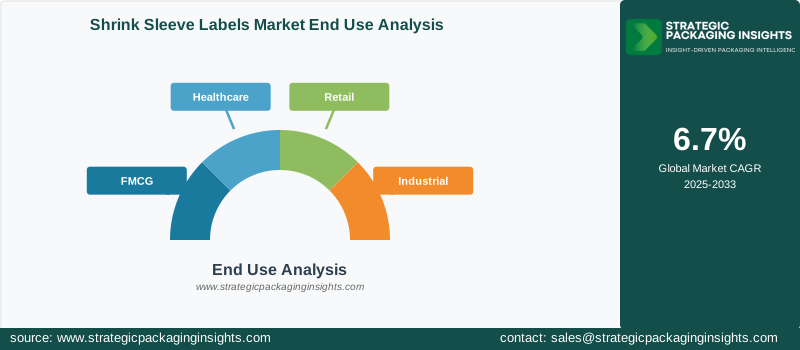
The retail industry is also a significant user of shrink sleeve labels, with companies using them to enhance product presentation and attract consumer attention. The labels' ability to provide high-quality graphics and vibrant colors makes them ideal for retail packaging. In the industrial sector, shrink sleeve labels are used for product identification and to provide important safety information. The versatility and durability of shrink sleeve labels make them suitable for a wide range of end-use applications, with companies focusing on developing solutions that meet the specific needs of each industry.
Shrink Sleeve Labels Market Segments
The Shrink Sleeve Labels market has been segmented on the basis ofMaterial Type
- PVC
- PETG
- OPS
- PLA
Printing Technology
- Flexographic
- Gravure
- Digital
Application
- Beverages
- Personal Care
- Food
- Pharmaceuticals
End Use
- FMCG
- Healthcare
- Retail
- Industrial
Region
- Asia Pacific
- North America
- Latin America
- Europe
- Middle East & Africa




