


Shipping Container Market Outlook
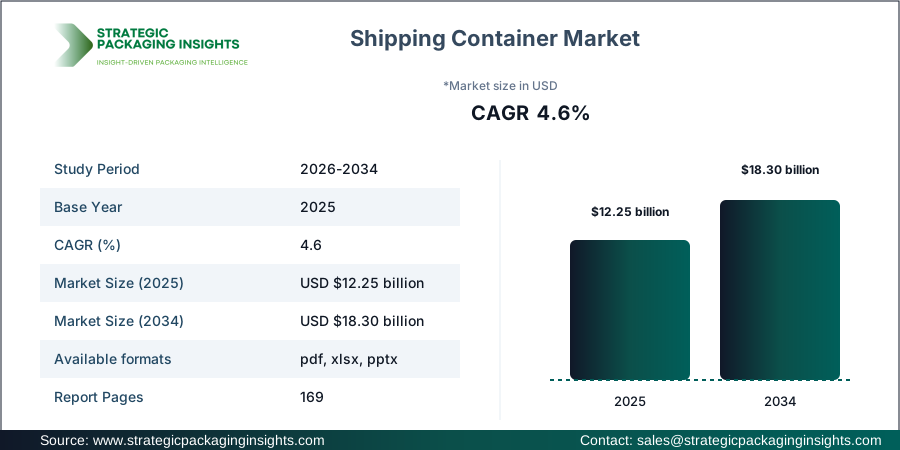
The shipping container market was valued at $12.25 billion in 2025 and is projected to reach $18.30 billion by 2034, growing at a CAGR of 4.6% during the forecast period 2026-2034. This growth is driven by the increasing globalization of trade and the rising demand for efficient and secure transportation solutions. The market is witnessing a surge in demand for specialized containers, such as refrigerated and tank containers, to cater to the diverse needs of various industries. The expansion of e-commerce and the need for robust logistics infrastructure further bolster the market's growth prospects. Additionally, technological advancements in container tracking and management systems are enhancing operational efficiency, thereby driving market expansion.
However, the market faces challenges such as fluctuating raw material prices and stringent environmental regulations. The high initial investment required for container manufacturing and maintenance can also act as a restraint. Despite these challenges, the market holds significant growth potential due to the increasing adoption of smart containers equipped with IoT technology, which offers real-time tracking and monitoring capabilities. The growing focus on sustainable and eco-friendly container solutions is expected to create new opportunities for market players. Moreover, the rising demand for container leasing services is anticipated to drive market growth, as it offers cost-effective solutions for businesses with fluctuating shipping needs.
Report Scope
| Attributes | Details |
| Report Title | Shipping Container Market Size, Future Growth and Forecast 2034 |
| By Container Type | Dry Containers, Refrigerated Containers, Tank Containers, Open-Top Containers |
| By Size | 20 Feet, 40 Feet, High Cube, Specialty |
| By Application | Cargo Shipping, Cold Chain, Chemicals, Industrial Goods |
| By End Use | Logistics, Maritime Transport, Retail, Manufacturing |
| Region | Asia Pacific, North America, Latin America, Europe, Middle East & Africa |
| Base Year | 2025 |
| Historic Period | 2018-2024 |
| Forecast Period | 2026-2034 |
| Number of Pages | 169 |
| Customization Available | Yes* |
Opportunities & Threats
The shipping container market presents numerous opportunities, particularly with the increasing demand for specialized containers. Refrigerated containers, for instance, are witnessing heightened demand due to the growth of the cold chain logistics sector. This is driven by the rising need to transport perishable goods such as food and pharmaceuticals under controlled temperature conditions. Additionally, the expansion of global trade routes and the development of new shipping lanes, such as the Arctic route, offer significant growth opportunities for the market. The integration of advanced technologies, such as IoT and blockchain, in container management systems is also creating new avenues for market players to enhance operational efficiency and offer value-added services.
Another opportunity lies in the growing trend of container repurposing and recycling. As environmental concerns gain prominence, there is an increasing focus on sustainable practices within the shipping industry. Repurposing old containers for alternative uses, such as pop-up shops or housing solutions, is gaining traction, providing a new revenue stream for market participants. Furthermore, the rising demand for container leasing services offers a lucrative opportunity for companies to expand their service offerings and cater to a broader customer base. This trend is particularly prevalent among small and medium-sized enterprises that seek cost-effective shipping solutions without the burden of ownership.
Despite these opportunities, the market faces threats from regulatory challenges and geopolitical tensions. Stringent environmental regulations aimed at reducing carbon emissions and promoting sustainable practices can increase operational costs for container manufacturers and operators. Additionally, geopolitical tensions and trade disputes can disrupt global supply chains, affecting the demand for shipping containers. The volatility in raw material prices, particularly steel, poses a significant threat to the profitability of container manufacturers. These factors necessitate strategic planning and risk management to mitigate potential adverse impacts on the market.
Drivers & Challenges
The primary drivers of the shipping container market include the rapid expansion of global trade and the increasing demand for efficient logistics solutions. The globalization of trade has led to a surge in the movement of goods across borders, necessitating the use of standardized containers for seamless transportation. The rise of e-commerce has further accelerated this demand, as businesses seek reliable and cost-effective shipping solutions to meet consumer expectations. Additionally, the development of smart containers equipped with IoT technology is driving market growth by offering enhanced tracking and monitoring capabilities, thereby improving supply chain visibility and efficiency.
Another significant driver is the growing focus on sustainability within the shipping industry. As environmental concerns become more pressing, there is an increasing demand for eco-friendly container solutions. Manufacturers are investing in the development of containers made from sustainable materials and incorporating energy-efficient technologies to reduce their carbon footprint. This trend is supported by regulatory initiatives aimed at promoting sustainable practices and reducing emissions in the shipping sector. The adoption of container leasing services is also driving market growth, as it provides businesses with flexible and cost-effective shipping solutions.
However, the market faces several challenges, including fluctuating raw material prices and the high initial investment required for container manufacturing. The volatility in steel prices, a key raw material for container production, can significantly impact the profitability of manufacturers. Additionally, the stringent environmental regulations imposed by various governments can increase compliance costs for market players. The competitive landscape of the market also poses a challenge, as companies strive to differentiate their offerings and maintain market share. These challenges necessitate strategic planning and innovation to ensure sustained growth in the market.
Market Share Analysis
The shipping container market is characterized by a competitive landscape with several key players vying for market share. Companies such as CIMC, Singamas, and CXIC dominate the market, leveraging their extensive manufacturing capabilities and global distribution networks. CIMC, for instance, holds a significant market share due to its diverse product portfolio and strong presence in key regions. The company focuses on innovation and sustainability, offering a range of eco-friendly container solutions to meet the evolving needs of its customers. Singamas, another major player, is known for its high-quality containers and efficient production processes, which have enabled it to capture a substantial share of the market.
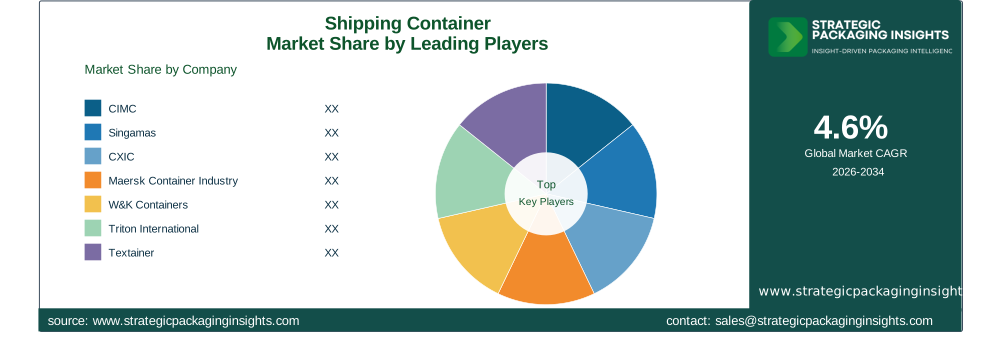
Maersk Container Industry is a prominent player in the market, renowned for its advanced refrigerated containers that cater to the growing demand for cold chain logistics. The company's focus on technological innovation and customer-centric solutions has helped it maintain a competitive edge. W&K Containers and Triton International are also key players, offering a wide range of container solutions and leasing services to meet the diverse needs of their clients. Triton International, in particular, is a leading provider of container leasing services, offering flexible and cost-effective solutions to businesses worldwide.
Textainer and CAI International are notable players in the container leasing segment, providing a comprehensive range of services to cater to the varying needs of their customers. These companies have established strong relationships with shipping lines and logistics providers, enabling them to offer tailored solutions and maintain a competitive position in the market. SeaCube and Florens are also significant players, known for their extensive leasing portfolios and commitment to customer satisfaction. The competitive landscape of the market is characterized by strategic partnerships, mergers, and acquisitions, as companies seek to expand their market presence and enhance their service offerings.
Key Highlights
- The shipping container market is projected to grow from $12.25 billion in 2025 to $18.30 billion by 2034, at a CAGR of 4.6%.
- Increasing demand for specialized containers, such as refrigerated and tank containers, is driving market growth.
- Technological advancements in container tracking and management systems are enhancing operational efficiency.
- The rise of e-commerce and globalization of trade are key drivers of market expansion.
- Environmental regulations and fluctuating raw material prices pose challenges to market growth.
- Container leasing services are gaining traction, offering cost-effective solutions for businesses.
- Key players include CIMC, Singamas, CXIC, Maersk Container Industry, and Triton International.
Top Countries Insights
In the shipping container market, China stands out as a dominant player, with a market size of approximately $4.5 billion and a CAGR of 5%. The country's robust manufacturing capabilities and extensive export activities drive the demand for shipping containers. Government initiatives to enhance port infrastructure and promote international trade further bolster market growth. However, environmental regulations aimed at reducing emissions pose challenges for container manufacturers in China.
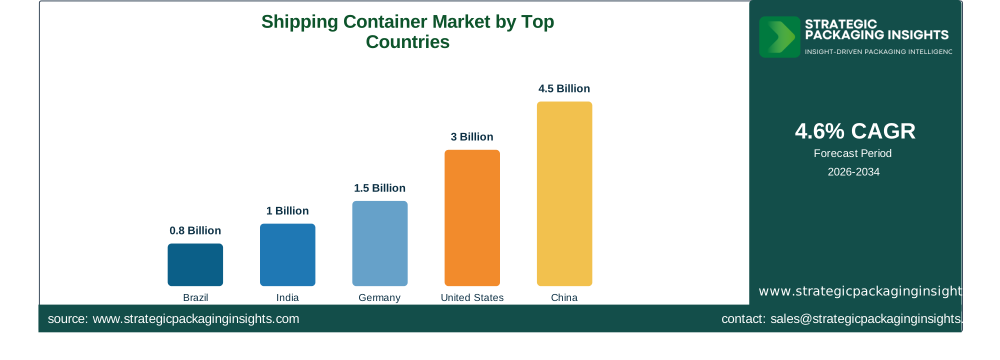
The United States is another key market, with a market size of around $3 billion and a CAGR of 4%. The growth of e-commerce and the need for efficient logistics solutions drive the demand for shipping containers in the country. The adoption of smart containers equipped with IoT technology is gaining traction, offering enhanced tracking and monitoring capabilities. However, trade tensions and regulatory challenges can impact market growth.
Germany, with a market size of approximately $1.5 billion and a CAGR of 3%, is a significant player in the European shipping container market. The country's strong industrial base and export activities drive the demand for containers. The focus on sustainability and eco-friendly solutions is a key growth driver, with manufacturers investing in the development of sustainable container solutions.
India, with a market size of around $1 billion and a CAGR of 6%, is an emerging market for shipping containers. The country's growing manufacturing sector and increasing export activities drive the demand for containers. Government initiatives to enhance port infrastructure and promote international trade further support market growth. However, regulatory challenges and infrastructure constraints can pose challenges.
Brazil, with a market size of approximately $0.8 billion and a CAGR of 4%, is a key player in the Latin American shipping container market. The country's expanding agricultural exports and growing industrial base drive the demand for containers. However, economic instability and regulatory challenges can impact market growth.
Shipping Container Market Segments Insights

Container Type Analysis
The shipping container market is segmented by container type, including dry containers, refrigerated containers, tank containers, and open-top containers. Dry containers dominate the market due to their widespread use in transporting a variety of goods. The demand for refrigerated containers is on the rise, driven by the growth of the cold chain logistics sector and the need to transport perishable goods under controlled temperature conditions. Tank containers are gaining traction in the chemical and industrial goods sectors, offering safe and efficient transportation solutions. Open-top containers are preferred for oversized cargo, providing flexibility in loading and unloading operations.
Technological advancements in container design and materials are enhancing the durability and efficiency of these containers. Manufacturers are focusing on developing lightweight and eco-friendly containers to meet the growing demand for sustainable solutions. The integration of IoT technology in container management systems is also driving market growth, offering real-time tracking and monitoring capabilities. The competitive landscape of the container type segment is characterized by innovation and strategic partnerships, as companies seek to expand their product offerings and enhance their market presence.
Size Analysis
The market is further segmented by size, including 20 feet, 40 feet, high cube, and specialty containers. The 40 feet containers hold a significant share of the market due to their versatility and capacity to transport a wide range of goods. High cube containers are gaining popularity, offering additional storage space and accommodating larger cargo volumes. Specialty containers, designed for specific applications, are witnessing increased demand in niche markets such as chemicals and industrial goods.
Manufacturers are investing in the development of innovative container designs to cater to the diverse needs of various industries. The focus on sustainability and eco-friendly solutions is driving the demand for containers made from recyclable materials. The adoption of container leasing services is also influencing the size segment, as businesses seek flexible and cost-effective shipping solutions. The competitive landscape of the size segment is characterized by strategic collaborations and mergers, as companies aim to enhance their product offerings and expand their market reach.
Application Analysis
The shipping container market is segmented by application, including cargo shipping, cold chain, chemicals, and industrial goods. Cargo shipping is the largest application segment, driven by the globalization of trade and the increasing demand for efficient logistics solutions. The cold chain segment is witnessing significant growth, fueled by the rising need to transport perishable goods under controlled temperature conditions. The chemicals and industrial goods segments are also experiencing growth, driven by the need for safe and efficient transportation solutions.
Technological advancements in container tracking and management systems are enhancing the efficiency of these applications. The integration of IoT technology is providing real-time tracking and monitoring capabilities, improving supply chain visibility and operational efficiency. The competitive landscape of the application segment is characterized by innovation and strategic partnerships, as companies seek to enhance their service offerings and cater to the evolving needs of their customers.
End Use Analysis
The market is segmented by end use, including logistics, maritime transport, retail, and manufacturing. The logistics segment holds a significant share of the market, driven by the increasing demand for efficient and cost-effective shipping solutions. Maritime transport is another key segment, supported by the expansion of global trade routes and the development of new shipping lanes. The retail and manufacturing segments are witnessing growth, driven by the rise of e-commerce and the need for reliable logistics infrastructure.
Manufacturers are focusing on developing innovative container solutions to cater to the diverse needs of these end-use segments. The adoption of container leasing services is gaining traction, offering businesses flexible and cost-effective shipping solutions. The competitive landscape of the end-use segment is characterized by strategic collaborations and mergers, as companies aim to enhance their service offerings and expand their market reach.
Shipping Container Market Segments
The Shipping Container market has been segmented on the basis ofBy Container Type
- Dry Containers
- Refrigerated Containers
- Tank Containers
- Open-Top Containers
By Size
- 20 Feet
- 40 Feet
- High Cube
- Specialty
By Application
- Cargo Shipping
- Cold Chain
- Chemicals
- Industrial Goods
By End Use
- Logistics
- Maritime Transport
- Retail
- Manufacturing
Region
- Asia Pacific
- North America
- Latin America
- Europe
- Middle East & Africa




