


Shipping Container Liners Market Outlook
The Shipping Container Liners market size was valued at USD $1.4 Billion in 2025 and is anticipated to reach USD $2.5 Billion by 2035, growing at a CAGR of 5.9% during the forecast period according to Strategic Packaging Insights.
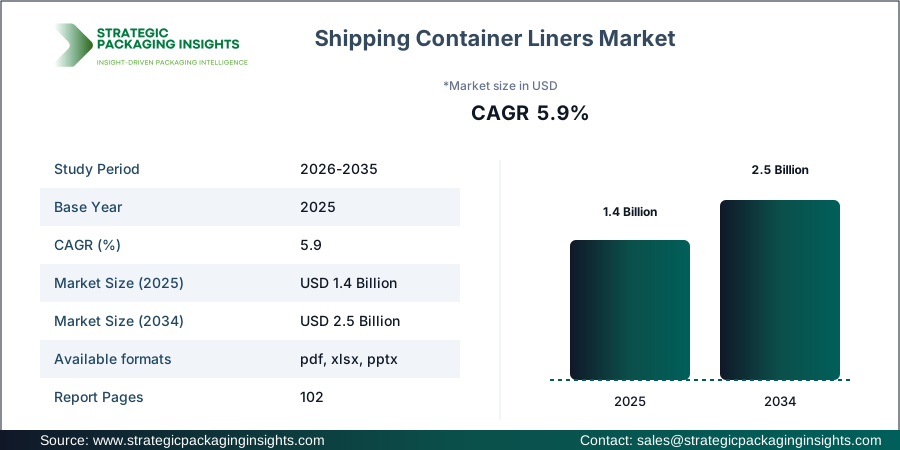
The most impactful market driver is the increasing demand for efficient and cost-effective bulk transportation solutions across various industries such as food and beverage, chemicals, and pharmaceuticals. This demand is further supported by advancements in liner materials and technologies that enhance durability and reduce contamination risks, aligning with stringent industry standards and regulations.
Report Scope
| Attributes | Details |
| Report Title | Shipping Container Liners Market Projected to Scale to 2.5 Billion by 2035, Assesses Strategic Packaging Insights |
| By Liner Type | Dry Bulk Container Liners, Liquid Container Liners, FIBC Container Liners, Form-Fit Liners, Baffle Liners, Thermal Container Liners, Ventilated Container Liners |
| By Material | Polyethylene (PE), Polypropylene (PP), Polyvinyl Chloride (PVC), Ethylene Vinyl Alcohol (EVOH), Aluminum Laminates, Multi-Layer Films, Other Materials |
| By Container Size | 20-Foot Containers, 40-Foot Containers, 45-Foot Containers, Other Container Sizes |
| By Loading Method | Top Loading, Bottom Loading, Side Loading, Discharge Loading |
| By Application | Food and Beverage, Agriculture, Chemicals, Pharmaceuticals, Minerals and Mining, Petrochemicals, Building Materials, Animal Feed, Other Applications |
| By Product Form | Powder, Granules, Pellets, Flakes, Liquids, Other Bulk Materials |
| By End Use Industry | Food and Beverage, Agriculture, Chemical, Pharmaceutical, Mining, Construction, Petrochemical, Manufacturing |
| By Closure Type | Zipper Closure, Heat Seal, Drawstring, Velcro Closure, Other Closures |
| By Region | North America, Europe, Asia-Pacific, Latin America, Middle East and Africa |
| Base Year | 2025 |
| Historic Period | 2018-2024 |
| Forecast Period | 2026-2035 |
| Number of Pages | 102 |
| Customization Available | Yes* |
Market Trends Analysis
One major trend in the Shipping Container Liners market is the shift towards sustainable and recyclable materials. Companies are increasingly adopting polyethylene and polypropylene liners due to their recyclability and lower environmental impact. This trend is driven by regulatory pressures and consumer demand for eco-friendly solutions, influencing procurement strategies and product development.
Another significant trend is the integration of digital technologies for tracking and monitoring container conditions. This includes the use of IoT sensors and data analytics to optimize logistics and ensure product safety during transit. Such innovations are enhancing operational efficiency and providing competitive advantages to early adopters, thereby influencing market growth and investment decisions.
Industry Transformation Analysis
The Shipping Container Liners industry is undergoing significant transformation with advancements in manufacturing processes and material technologies. The shift towards automation in production lines is enhancing operational efficiency and reducing costs. Additionally, the development of multi-layer films and advanced barrier technologies is improving liner performance, catering to diverse industry needs.
Value-chain transformation is evident as companies focus on localized production to reduce lead times and enhance supply chain resilience. This shift is driven by geopolitical factors and the need for agility in meeting regional demand variations. The integration of sustainability into business models is also reshaping industry dynamics, with companies investing in recycling infrastructure and sustainable material sourcing.
Trends & Disruptions Impacting Customers' Customers
Downstream customers, particularly in the food and beverage and chemical industries, are increasingly prioritizing sustainability and cost-efficiency in their supply chains. This shift is driven by regulatory requirements and consumer preferences for environmentally friendly products. As a result, there is a growing demand for liners that offer superior protection while minimizing environmental impact.
These changes are influencing product demand and innovation in the Shipping Container Liners market. Companies are focusing on developing liners with enhanced barrier properties and recyclability to meet customer expectations. This trend is creating opportunities for suppliers to differentiate their offerings and capture market share by aligning with evolving customer needs and sustainability goals.
Shipping Container Liners Market Ecosystem
The Shipping Container Liners market ecosystem involves a complex interplay of raw material suppliers, resin producers, film extruders, converters, and distributors. Each stage adds value through material transformation, feature enhancement, and logistical efficiency. The ecosystem is heavily dependent on the availability of high-quality polymers and advanced extrusion technologies to meet diverse application requirements.
Supply-chain dependencies are critical, with disruptions in raw material supply or resin production impacting the entire value chain. Capacity constraints in film production and converting can also affect market dynamics, influencing pricing and availability. Downstream demand from industries such as food and beverage and chemicals drives innovation and capacity expansion, shaping the competitive landscape.
Analyst Perspective
Analyst Perspective: The Shipping Container Liners market is poised for robust growth, driven by increasing demand for efficient bulk transportation solutions and advancements in liner technologies.
The most important structural change is the shift towards sustainable materials and digital integration, which is reshaping procurement strategies and operational efficiencies. Companies that invest in these areas are likely to gain a competitive edge.
Market participants should closely monitor regulatory developments and sustainability trends, as these factors will significantly influence market dynamics and customer preferences. Strategic investments in recycling infrastructure and digital technologies will be crucial for long-term success.
Opportunities & Threats
Market opportunities in the Shipping Container Liners sector are driven by the increasing demand for sustainable and efficient bulk transportation solutions. The adoption of recyclable materials and advanced liner technologies presents significant growth potential, particularly in regions with stringent environmental regulations.
Technological advancements in liner materials and digital integration offer opportunities for product differentiation and enhanced customer value. Companies that leverage these innovations can capture market share by addressing evolving customer needs and regulatory requirements.
However, the market faces threats from raw material price volatility and supply chain disruptions. Fluctuations in polymer prices can impact production costs and profitability, while supply chain constraints may affect liner availability and lead times.
Regulatory uncertainty and competition from alternative packaging solutions also pose challenges. Companies must navigate complex regulatory landscapes and invest in innovation to maintain competitive positioning and meet customer expectations.
Drivers & Challenges
Key drivers of the Shipping Container Liners market include the growing demand for efficient and cost-effective bulk transportation solutions across various industries. The need for enhanced product protection and contamination prevention is driving the adoption of advanced liner technologies. Additionally, regulatory pressures and consumer demand for sustainable solutions are influencing material choices and procurement strategies.
Technological advancements in liner materials, such as multi-layer films and barrier technologies, are enhancing product performance and expanding application possibilities. The integration of digital technologies for tracking and monitoring is also driving market growth by improving logistics efficiency and product safety.
Challenges in the market include raw material price volatility and supply chain disruptions, which can impact production costs and liner availability. Companies must also navigate complex regulatory landscapes and invest in innovation to maintain competitive positioning and meet evolving customer expectations.
Packaging Market Economics
The economics of the Shipping Container Liners market are influenced by raw material costs, particularly polymers such as polyethylene and polypropylene. Conversion costs, including film extrusion and liner converting, are significant factors in overall production expenses. Energy costs and logistics also play a crucial role in determining liner pricing and profitability.
Procurement strategies are focused on securing stable supply chains and managing price volatility through long-term contracts and supplier diversification. Capacity utilization and operational efficiency are critical for maintaining competitive pricing and meeting demand fluctuations.
Packaging Value Chain & Cost Analysis
The value chain for Shipping Container Liners involves multiple tiers, from resin synthesis and film extrusion to converting and distribution. Resin supply and film production are critical stages, with lead times and capacity utilization impacting overall market dynamics.
Conversion economics are influenced by substrate lead times, scrap rates, and operational efficiency. Logistics and end-of-life infrastructure are also key considerations, with recycling capabilities becoming increasingly important for meeting sustainability goals and regulatory requirements.
Unit Economics & Substrate Cost Analysis
Unit economics in the Shipping Container Liners market are driven by raw material costs, particularly polymers and resins. Energy and extrusion costs are significant factors in production expenses, while printing and lamination add to overall costs.
Labor and logistics also impact unit economics, with efficient operations and supply chain management essential for maintaining competitive pricing. Scrap rates and tooling costs are additional considerations in determining liner profitability and cost-effectiveness.
Packaging Regulatory & Sustainability Analysis
Regulatory and sustainability factors are critical in the Shipping Container Liners market, with increasing emphasis on recyclability and environmental impact. Regulations such as the European Commission's packaging waste directives and the U.S. EPA's sustainability guidelines are influencing material choices and product development.
Extended producer responsibility (EPR) and packaging taxes are additional considerations, driving companies to invest in sustainable materials and recycling infrastructure. Compliance with food-contact and safety regulations is also essential for meeting industry standards and customer expectations.
Strategic Mergers, Acquisitions & Capacity Expansions
Recent strategic developments in the Shipping Container Liners market include mergers and acquisitions aimed at expanding product portfolios and geographic presence. Companies are investing in capacity expansions and new manufacturing facilities to meet growing demand and enhance competitive positioning.
Technology investments are focused on developing advanced liner materials and digital integration for improved logistics and product safety. These strategic initiatives are driven by the need to address evolving customer needs and regulatory requirements, positioning companies for long-term growth and success.
Strategic Action Directives
Brand Packaging Engineers & Sustainability Directors: Focus on material selection and recyclability to meet regulatory requirements and consumer demand for sustainable solutions.
Converter Operations & Extrusion Leads: Optimize line speed and tooling to enhance operational efficiency and reduce scrap rates, ensuring competitive pricing and product quality.
Procurement & Material Sourcing Managers: Secure long-term resin contracts and diversify suppliers to manage price volatility and supply chain risks, ensuring stable production and cost management.
Investors: Monitor capacity expansions and technology investments to identify growth opportunities and assess market concentration and competitive dynamics.
Market Share Analysis
The Shipping Container Liners market is characterized by a competitive landscape with several key players, including Braid Logistics, Bulk Handling Australia, LC Packaging, Greif, and Berry Global. These companies are actively engaged in product innovation and capacity expansion to strengthen their market positions.
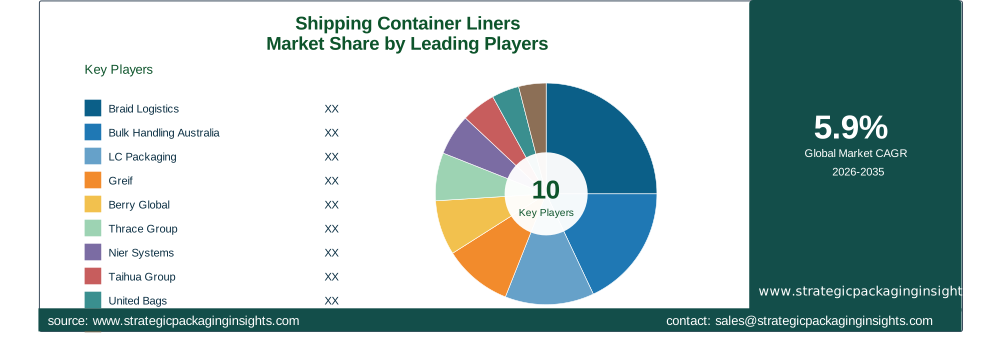
Competitive dynamics are influenced by technological advancements and sustainability initiatives, with companies focusing on developing recyclable and eco-friendly liners. Geographic presence and distribution networks are critical factors in capturing market share and meeting regional demand variations.
Major companies are investing in digital technologies and advanced liner materials to enhance product performance and logistics efficiency. Strategic partnerships and acquisitions are also shaping the competitive landscape, enabling companies to expand their product offerings and geographic reach.
Overall, the market is driven by the need for efficient and sustainable bulk transportation solutions, with companies leveraging innovation and strategic initiatives to capture growth opportunities and address evolving customer needs.
Key Highlights
- Largest Region: Asia-Pacific
- Fastest-Growing Region: Asia-Pacific
- Largest Segment: Dry Bulk Container Liners
- Fastest-Growing Segment: Thermal Container Liners
- Base-year market size: USD 1.4 Billion
- Forecast-year market size: USD 2.5 Billion
- CAGR: 5.9%
- Important Application: Food and Beverage
- Major End-Use Industry: Chemical
- Major Market Driver: Demand for sustainable bulk transportation solutions
Regional Insights
The global Shipping Container Liners market is segmented into major regions, including North America, Europe, Asia-Pacific, Latin America, and the Middle East & Africa. The Asia-Pacific region is the largest and fastest-growing market, driven by increasing demand in the food and beverage and chemical industries.
North America
In North America, the Shipping Container Liners market is driven by the demand for efficient bulk transportation solutions in the food and beverage and pharmaceutical industries. The region's focus on sustainability and regulatory compliance is influencing material choices and product development.
Technological advancements and digital integration are enhancing logistics efficiency and product safety, providing competitive advantages to companies that invest in these areas. The market is characterized by a strong presence of key players and strategic partnerships aimed at expanding product offerings and geographic reach.
Europe
Europe's Shipping Container Liners market is influenced by stringent environmental regulations and sustainability initiatives. The demand for recyclable and eco-friendly liners is driving innovation and product development, with companies focusing on advanced materials and digital technologies.
The region's emphasis on sustainability and regulatory compliance is shaping procurement strategies and operational efficiencies. Companies are investing in recycling infrastructure and sustainable material sourcing to meet evolving customer needs and regulatory requirements.
Asia Pacific
The Asia-Pacific region is the largest and fastest-growing market for Shipping Container Liners, driven by increasing demand in the food and beverage and chemical industries. The region's focus on cost-effective and sustainable bulk transportation solutions is influencing material choices and product development.
Technological advancements and digital integration are enhancing logistics efficiency and product safety, providing competitive advantages to companies that invest in these areas. The market is characterized by a strong presence of key players and strategic partnerships aimed at expanding product offerings and geographic reach.
Latin America
In Latin America, the Shipping Container Liners market is driven by the demand for efficient bulk transportation solutions in the agriculture and mining industries. The region's focus on sustainability and regulatory compliance is influencing material choices and product development.
Technological advancements and digital integration are enhancing logistics efficiency and product safety, providing competitive advantages to companies that invest in these areas. The market is characterized by a strong presence of key players and strategic partnerships aimed at expanding product offerings and geographic reach.
Middle East & Africa
The Middle East & Africa region is experiencing growth in the Shipping Container Liners market, driven by increasing demand in the petrochemical and construction industries. The region's focus on cost-effective and sustainable bulk transportation solutions is influencing material choices and product development.
Technological advancements and digital integration are enhancing logistics efficiency and product safety, providing competitive advantages to companies that invest in these areas. The market is characterized by a strong presence of key players and strategic partnerships aimed at expanding product offerings and geographic reach.
Shipping Container Liners Market Segments Insights

By Liner Type Analysis
The Shipping Container Liners market is segmented by liner type, including Dry Bulk Container Liners, Liquid Container Liners, FIBC Container Liners, Form-Fit Liners, Baffle Liners, Thermal Container Liners, and Ventilated Container Liners. Dry Bulk Container Liners dominate the market due to their widespread use in transporting bulk commodities such as grains and minerals. Thermal Container Liners are experiencing rapid growth, driven by the need for temperature-sensitive transportation solutions in the food and pharmaceutical industries.
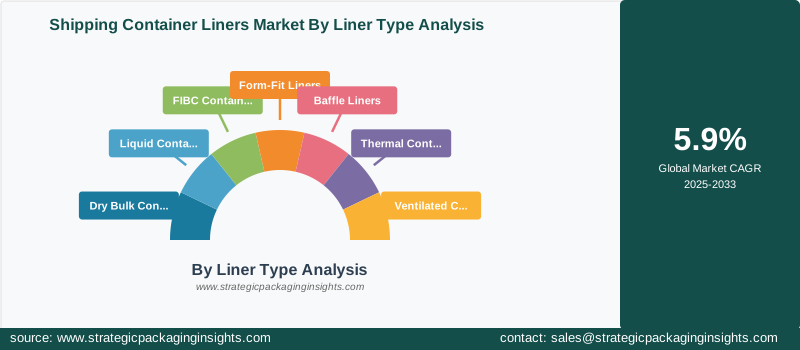
Technological advancements in liner materials and design are enhancing product performance and expanding application possibilities. Companies are focusing on developing liners with superior barrier properties and recyclability to meet customer expectations and regulatory requirements. The market is characterized by intense competition, with key players investing in product innovation and capacity expansion to capture market share.
By Material Analysis
The market is segmented by material, including Polyethylene (PE), Polypropylene (PP), Polyvinyl Chloride (PVC), Ethylene Vinyl Alcohol (EVOH), Aluminum Laminates, Multi-Layer Films, and Other Materials. Polyethylene and Polypropylene are the most widely used materials due to their cost-effectiveness and recyclability. Multi-Layer Films are gaining traction for their enhanced barrier properties and durability.
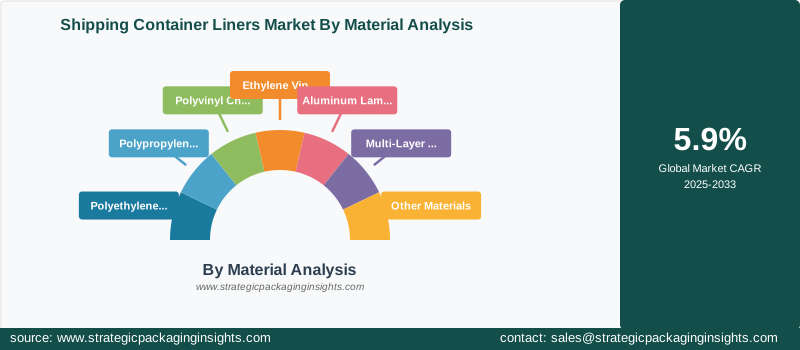
Material selection is influenced by regulatory requirements and sustainability goals, with companies focusing on developing eco-friendly and recyclable liners. The market is driven by the need for advanced materials that offer superior protection and contamination prevention, particularly in the food and pharmaceutical industries. Companies are investing in research and development to enhance material performance and meet evolving customer needs.
By Container Size Analysis
The Shipping Container Liners market is segmented by container size, including 20-Foot Containers, 40-Foot Containers, 45-Foot Containers, and Other Container Sizes. 40-Foot Containers are the most commonly used size, offering a balance between capacity and cost-effectiveness. The demand for larger container sizes is driven by the need for efficient bulk transportation solutions in industries such as agriculture and chemicals.
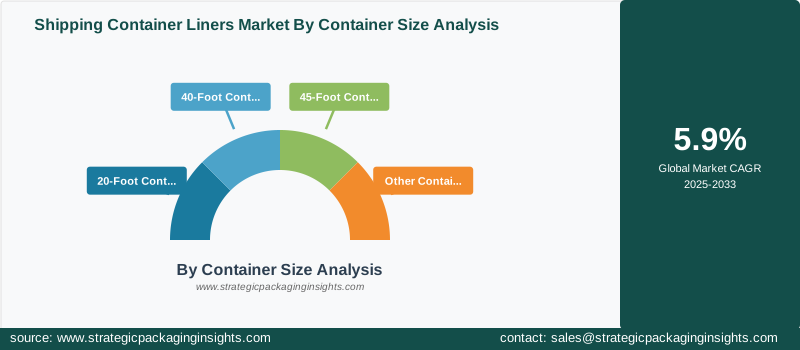
Container size selection is influenced by logistical considerations and industry-specific requirements. Companies are focusing on developing liners that offer superior protection and ease of use, catering to diverse application needs. The market is characterized by intense competition, with key players investing in product innovation and capacity expansion to capture market share.
By Loading Method Analysis
The market is segmented by loading method, including Top Loading, Bottom Loading, Side Loading, and Discharge Loading. Top Loading is the most commonly used method, offering ease of use and efficiency in bulk transportation. The demand for alternative loading methods is driven by industry-specific requirements and logistical considerations.
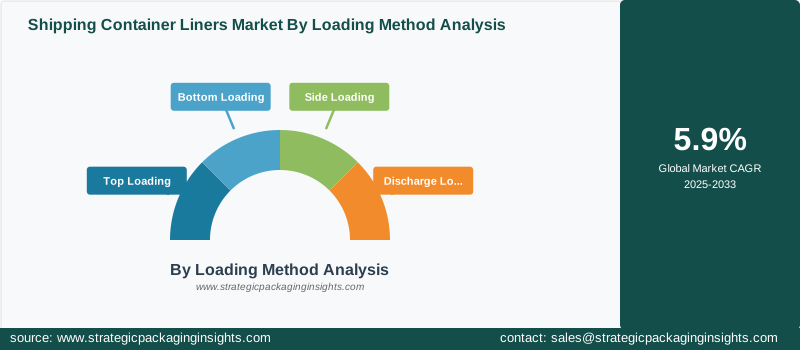
Loading method selection is influenced by product characteristics and transportation needs, with companies focusing on developing liners that offer superior protection and ease of use. The market is characterized by intense competition, with key players investing in product innovation and capacity expansion to capture market share.
By Application Analysis
The Shipping Container Liners market is segmented by application, including Food and Beverage, Agriculture, Chemicals, Pharmaceuticals, Minerals and Mining, Petrochemicals, Building Materials, Animal Feed, and Other Applications. The Food and Beverage industry is the largest application segment, driven by the need for efficient and safe transportation of perishable goods. The Chemicals and Pharmaceuticals industries are also significant contributors to market demand.
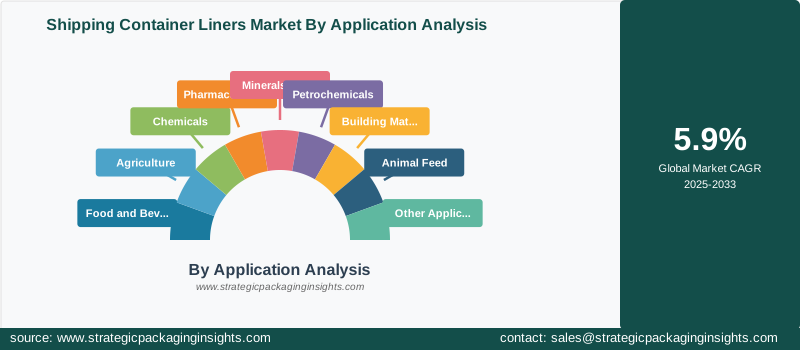
Application selection is influenced by industry-specific requirements and regulatory considerations, with companies focusing on developing liners that offer superior protection and contamination prevention. The market is characterized by intense competition, with key players investing in product innovation and capacity expansion to capture market share.
By Product Form Analysis
The market is segmented by product form, including Powder, Granules, Pellets, Flakes, Liquids, and Other Bulk Materials. Powder and Granules are the most commonly transported forms, driven by the need for efficient bulk transportation solutions in industries such as agriculture and chemicals. The demand for alternative product forms is driven by industry-specific requirements and logistical considerations.
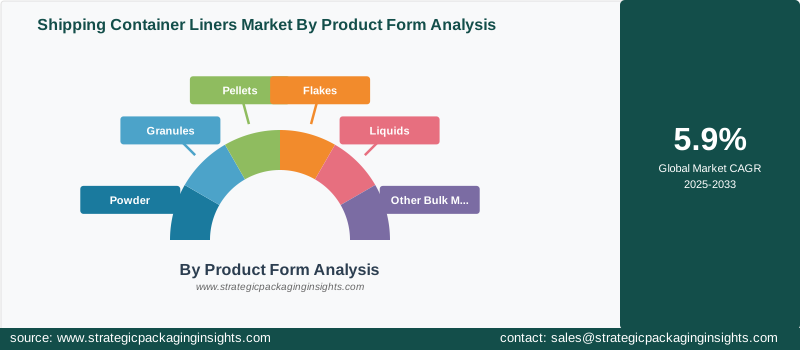
Product form selection is influenced by transportation needs and industry-specific requirements, with companies focusing on developing liners that offer superior protection and ease of use. The market is characterized by intense competition, with key players investing in product innovation and capacity expansion to capture market share.
By End Use Industry Analysis
The Shipping Container Liners market is segmented by end use industry, including Food and Beverage, Agriculture, Chemical, Pharmaceutical, Mining, Construction, Petrochemical, and Manufacturing. The Food and Beverage industry is the largest end use industry, driven by the need for efficient and safe transportation of perishable goods. The Chemical and Pharmaceutical industries are also significant contributors to market demand.
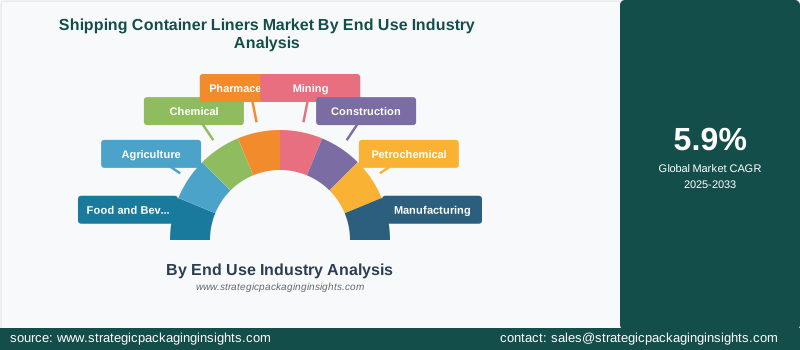
End use industry selection is influenced by industry-specific requirements and regulatory considerations, with companies focusing on developing liners that offer superior protection and contamination prevention. The market is characterized by intense competition, with key players investing in product innovation and capacity expansion to capture market share.
By Closure Type Analysis
The market is segmented by closure type, including Zipper Closure, Heat Seal, Drawstring, Velcro Closure, and Other Closures. Zipper Closure is the most commonly used closure type, offering ease of use and efficiency in bulk transportation. The demand for alternative closure types is driven by industry-specific requirements and logistical considerations.
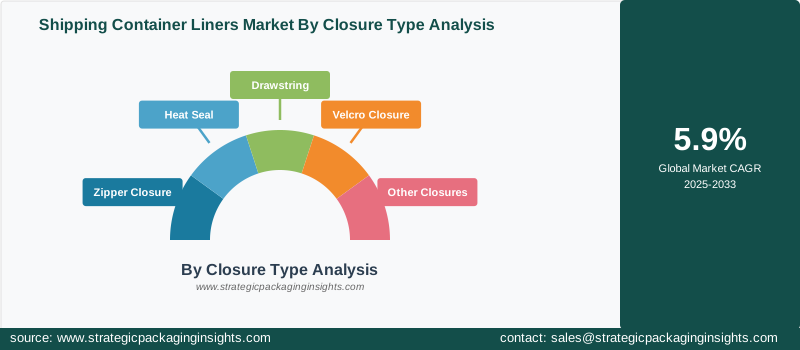
Closure type selection is influenced by product characteristics and transportation needs, with companies focusing on developing liners that offer superior protection and ease of use. The market is characterized by intense competition, with key players investing in product innovation and capacity expansion to capture market share.
Shipping Container Liners Market Segments
The Shipping Container Liners market has been segmented on the basis ofBy Liner Type
- Dry Bulk Container Liners
- Liquid Container Liners
- FIBC Container Liners
- Form-Fit Liners
- Baffle Liners
- Thermal Container Liners
- Ventilated Container Liners
By Material
- Polyethylene (PE)
- Polypropylene (PP)
- Polyvinyl Chloride (PVC)
- Ethylene Vinyl Alcohol (EVOH)
- Aluminum Laminates
- Multi-Layer Films
- Other Materials
By Container Size
- 20-Foot Containers
- 40-Foot Containers
- 45-Foot Containers
- Other Container Sizes
By Loading Method
- Top Loading
- Bottom Loading
- Side Loading
- Discharge Loading
By Application
- Food and Beverage
- Agriculture
- Chemicals
- Pharmaceuticals
- Minerals and Mining
- Petrochemicals
- Building Materials
- Animal Feed
- Other Applications
By Product Form
- Powder
- Granules
- Pellets
- Flakes
- Liquids
- Other Bulk Materials
By End Use Industry
- Food and Beverage
- Agriculture
- Chemical
- Pharmaceutical
- Mining
- Construction
- Petrochemical
- Manufacturing
By Closure Type
- Zipper Closure
- Heat Seal
- Drawstring
- Velcro Closure
- Other Closures
By Region
- North America
- Europe
- Asia-Pacific
- Latin America
- Middle East and Africa




