


Self-sealing Ziplock Bag Market Outlook
The self-sealing ziplock bag market was valued at $3.29 billion in 2025 and is projected to reach $4.41 billion by 2034, growing at a CAGR of 3.3% during the forecast period 2026-2034. This market is witnessing a steady growth trajectory driven by the increasing demand for convenient and efficient packaging solutions across various sectors. The versatility of self-sealing ziplock bags, which offer ease of use and effective sealing properties, makes them a preferred choice for both consumers and businesses. The market is further bolstered by the rising trend of sustainable packaging, with manufacturers increasingly focusing on biodegradable and recyclable materials to meet consumer preferences and regulatory requirements.
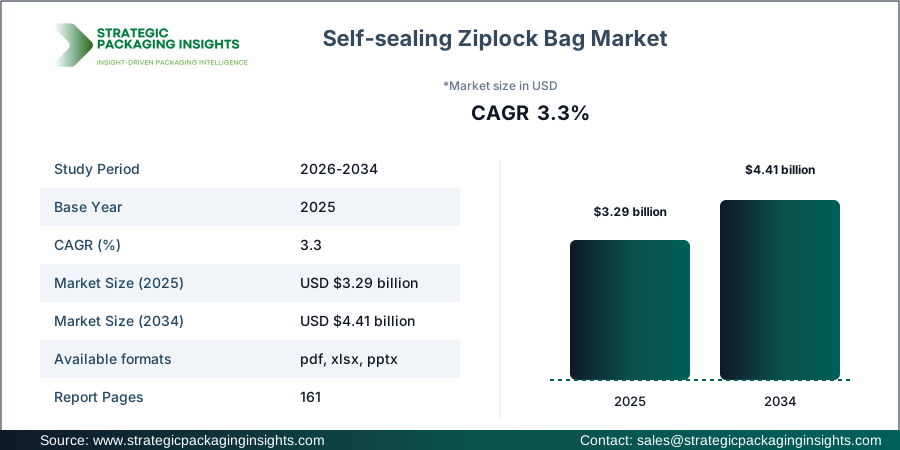
Despite the promising growth prospects, the self-sealing ziplock bag market faces certain challenges. Regulatory constraints related to plastic usage and environmental concerns are significant restraining factors. However, these challenges also present opportunities for innovation, as companies invest in research and development to create eco-friendly alternatives. The market's potential is further enhanced by the growing e-commerce sector, which demands efficient packaging solutions to ensure product safety during transit. As consumer awareness regarding environmental sustainability increases, the demand for biodegradable and reusable ziplock bags is expected to rise, offering lucrative growth opportunities for market players.
Report Scope
| Attributes | Details |
| Report Title | Self-sealing Ziplock Bag Market Size, Future Growth and Forecast 2034 |
| By Product Type | Slider Bags, Press-to-Close Bags, Freezer Bags, Storage Bags |
| By Material Type | LDPE, HDPE, PP, Biodegradable Plastics |
| By Application | Food Storage, Retail, Medical, Industrial |
| By End Use | Households, Foodservice, Healthcare, Retail |
| Region | Asia Pacific, North America, Latin America, Europe, Middle East & Africa |
| Base Year | 2025 |
| Historic Period | 2018-2024 |
| Forecast Period | 2026-2034 |
| Number of Pages | 161 |
| Customization Available | Yes* |
Opportunities & Threats
The self-sealing ziplock bag market presents numerous opportunities, primarily driven by the increasing consumer preference for convenience and sustainability. As lifestyles become busier, the demand for easy-to-use packaging solutions that offer quick access and secure storage is on the rise. This trend is particularly evident in the food storage segment, where consumers seek packaging that maintains freshness and extends shelf life. Additionally, the growing awareness of environmental issues has led to a surge in demand for eco-friendly packaging options. Manufacturers are responding by developing biodegradable and recyclable ziplock bags, which not only cater to consumer preferences but also comply with stringent environmental regulations.
Another significant opportunity lies in the expanding e-commerce sector. With the rise of online shopping, there is an increasing need for reliable packaging solutions that ensure product safety during transit. Self-sealing ziplock bags, with their robust sealing properties, are well-suited for this purpose. Moreover, the healthcare and medical sectors are also contributing to market growth, as these bags are used for the secure storage and transportation of medical supplies and samples. The versatility of ziplock bags, combined with their cost-effectiveness, makes them an attractive option for various industries, thereby driving market expansion.
However, the market is not without its threats. One of the primary challenges is the regulatory landscape surrounding plastic usage. Governments worldwide are implementing stricter regulations to curb plastic waste, which could impact the production and use of traditional plastic ziplock bags. This has prompted manufacturers to explore alternative materials, such as biodegradable plastics, to mitigate the impact of these regulations. Additionally, fluctuations in raw material prices can affect production costs, posing a threat to market profitability. Companies must navigate these challenges by investing in sustainable practices and innovative solutions to maintain their competitive edge.
Drivers & Challenges
The self-sealing ziplock bag market is driven by several key factors, including the increasing demand for convenient packaging solutions and the growing emphasis on sustainability. Consumers are increasingly seeking packaging that offers ease of use, secure sealing, and the ability to preserve product freshness. This demand is particularly strong in the food storage segment, where ziplock bags are favored for their ability to extend the shelf life of perishable items. Additionally, the rise of the e-commerce sector has created a need for reliable packaging solutions that protect products during transit, further driving the demand for self-sealing ziplock bags.
Another significant driver is the growing awareness of environmental sustainability. As consumers become more conscious of their environmental impact, there is a rising demand for eco-friendly packaging options. Manufacturers are responding by developing biodegradable and recyclable ziplock bags, which not only meet consumer preferences but also comply with environmental regulations. This trend is expected to continue, as companies invest in research and development to create innovative and sustainable packaging solutions. The healthcare and medical sectors also contribute to market growth, as these bags are used for the secure storage and transportation of medical supplies and samples.
Despite these drivers, the market faces several challenges. One of the primary challenges is the regulatory landscape surrounding plastic usage. Governments worldwide are implementing stricter regulations to curb plastic waste, which could impact the production and use of traditional plastic ziplock bags. This has prompted manufacturers to explore alternative materials, such as biodegradable plastics, to mitigate the impact of these regulations. Additionally, fluctuations in raw material prices can affect production costs, posing a threat to market profitability. Companies must navigate these challenges by investing in sustainable practices and innovative solutions to maintain their competitive edge.
Market Share Analysis
The self-sealing ziplock bag market is characterized by a competitive landscape with several key players vying for market share. Leading companies in this market include SC Johnson, Reynolds Consumer Products, Glad Products, Berry Global, Inteplast Group, Novolex, Minigrip, International Plastics, Poly-America, and Huhtamaki. These companies are recognized for their strong brand presence, extensive product portfolios, and commitment to innovation. They leverage their expertise and resources to develop high-quality, sustainable packaging solutions that meet the evolving needs of consumers and businesses.
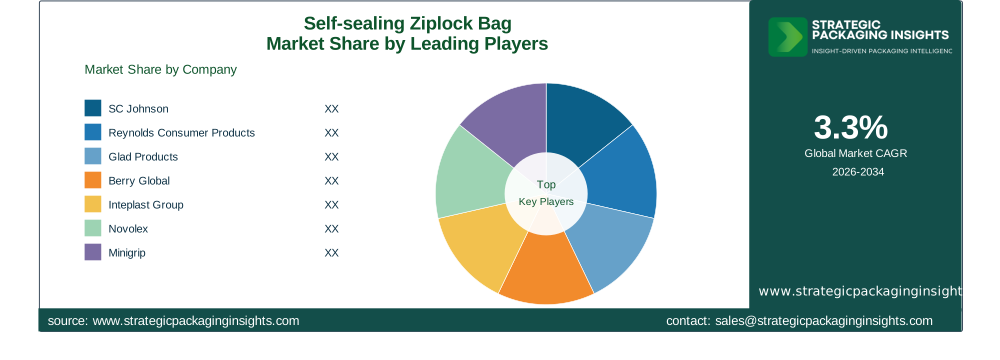
SC Johnson is a prominent player in the self-sealing ziplock bag market, known for its Ziploc brand, which is synonymous with quality and reliability. The company focuses on sustainability by incorporating recycled materials into its products and investing in eco-friendly packaging solutions. Reynolds Consumer Products, another major player, offers a wide range of ziplock bags under its Hefty brand. The company emphasizes product innovation and consumer convenience, with a strong focus on sustainability initiatives.
Glad Products, a subsidiary of The Clorox Company, is a key competitor in the market, offering a variety of ziplock bags known for their durability and ease of use. The company is committed to sustainability, with initiatives aimed at reducing plastic waste and promoting recycling. Berry Global, a leading manufacturer of plastic packaging products, offers a diverse range of ziplock bags designed for various applications. The company focuses on innovation and sustainability, with a commitment to reducing its environmental footprint.
Inteplast Group, Novolex, and Minigrip are also significant players in the market, known for their high-quality packaging solutions and commitment to sustainability. These companies invest in research and development to create innovative products that meet consumer demands and comply with environmental regulations. International Plastics, Poly-America, and Huhtamaki are recognized for their extensive product offerings and focus on customer satisfaction. They leverage their expertise and resources to develop packaging solutions that cater to a wide range of industries, including food storage, healthcare, and retail.
Key Highlights
- The self-sealing ziplock bag market is projected to grow from $3.29 billion in 2025 to $4.41 billion by 2034, at a CAGR of 3.3%.
- Increasing consumer preference for convenient and sustainable packaging solutions is driving market growth.
- The food storage segment is a major contributor to market demand, with consumers seeking packaging that maintains freshness and extends shelf life.
- Eco-friendly packaging options, such as biodegradable and recyclable ziplock bags, are gaining popularity among environmentally conscious consumers.
- The expanding e-commerce sector is creating a need for reliable packaging solutions that ensure product safety during transit.
- Regulatory constraints related to plastic usage are prompting manufacturers to explore alternative materials, such as biodegradable plastics.
- Key players in the market include SC Johnson, Reynolds Consumer Products, Glad Products, Berry Global, and Inteplast Group.
- Innovation and sustainability are key focus areas for market players, with companies investing in research and development to create eco-friendly packaging solutions.
- The healthcare and medical sectors are contributing to market growth, as ziplock bags are used for the secure storage and transportation of medical supplies and samples.
- Fluctuations in raw material prices pose a challenge to market profitability, requiring companies to adopt sustainable practices and innovative solutions.
Top Countries Insights
In the self-sealing ziplock bag market, the United States holds a significant share, driven by the high demand for convenient packaging solutions and the presence of major market players. The market size in the U.S. is substantial, with a CAGR of 3%. The country's focus on sustainability and environmental regulations has led to increased demand for eco-friendly packaging options, further boosting market growth. Additionally, the expanding e-commerce sector in the U.S. is driving the need for reliable packaging solutions that ensure product safety during transit.
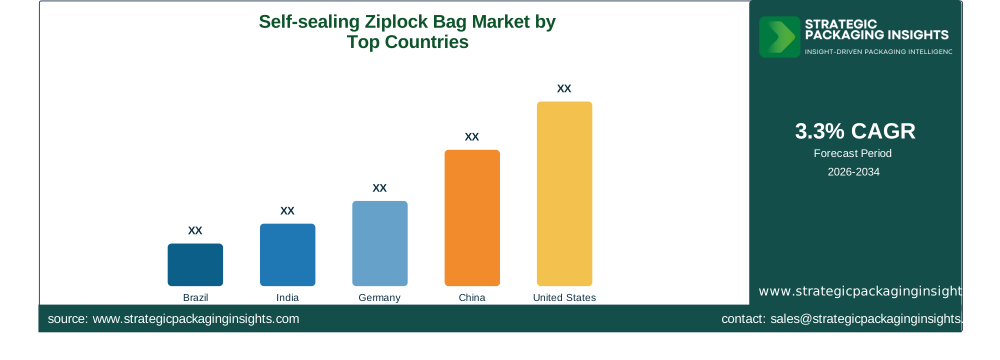
China is another key market for self-sealing ziplock bags, with a growing middle class and increasing consumer awareness of environmental issues. The market in China is experiencing a CAGR of 5%, driven by the demand for convenient and sustainable packaging solutions. The government's focus on reducing plastic waste and promoting recycling has led to increased adoption of biodegradable and recyclable ziplock bags. The food storage segment is a major contributor to market demand, as consumers seek packaging that maintains freshness and extends shelf life.
Germany is a prominent market in Europe, with a strong emphasis on sustainability and environmental regulations. The market in Germany is growing at a CAGR of 4%, driven by the demand for eco-friendly packaging options. The country's focus on reducing plastic waste and promoting recycling has led to increased adoption of biodegradable and recyclable ziplock bags. The healthcare and medical sectors are also contributing to market growth, as ziplock bags are used for the secure storage and transportation of medical supplies and samples.
India is an emerging market for self-sealing ziplock bags, with a growing middle class and increasing consumer awareness of environmental issues. The market in India is experiencing a CAGR of 6%, driven by the demand for convenient and sustainable packaging solutions. The government's focus on reducing plastic waste and promoting recycling has led to increased adoption of biodegradable and recyclable ziplock bags. The expanding e-commerce sector in India is also driving the need for reliable packaging solutions that ensure product safety during transit.
Brazil is a key market in Latin America, with a growing middle class and increasing consumer awareness of environmental issues. The market in Brazil is growing at a CAGR of 4%, driven by the demand for convenient and sustainable packaging solutions. The government's focus on reducing plastic waste and promoting recycling has led to increased adoption of biodegradable and recyclable ziplock bags. The food storage segment is a major contributor to market demand, as consumers seek packaging that maintains freshness and extends shelf life.
Self-sealing Ziplock Bag Market Segments Insights

Product Type Analysis
The self-sealing ziplock bag market is segmented by product type into slider bags, press-to-close bags, freezer bags, and storage bags. Slider bags are gaining popularity due to their ease of use and secure sealing mechanism, making them a preferred choice for consumers seeking convenience. Press-to-close bags, known for their versatility and cost-effectiveness, are widely used across various applications, including food storage and retail. Freezer bags, designed to withstand low temperatures, are favored for preserving the freshness of frozen foods. Storage bags, with their robust sealing properties, are ideal for organizing and storing a variety of items, contributing to their widespread adoption.
The demand for these product types is driven by the increasing consumer preference for convenient and efficient packaging solutions. As lifestyles become busier, consumers seek packaging that offers quick access and secure storage. This trend is particularly evident in the food storage segment, where consumers prioritize packaging that maintains freshness and extends shelf life. Additionally, the growing awareness of environmental issues has led to a surge in demand for eco-friendly packaging options. Manufacturers are responding by developing biodegradable and recyclable ziplock bags, which not only cater to consumer preferences but also comply with stringent environmental regulations.
Material Type Analysis
The self-sealing ziplock bag market is segmented by material type into LDPE, HDPE, PP, and biodegradable plastics. LDPE is widely used due to its flexibility, durability, and cost-effectiveness, making it a popular choice for various applications. HDPE, known for its strength and resistance to moisture, is favored for packaging that requires enhanced protection. PP, with its excellent clarity and heat resistance, is used for packaging that demands high visibility and temperature stability. Biodegradable plastics are gaining traction as consumers and manufacturers prioritize sustainability and environmental responsibility.
The demand for these material types is influenced by the growing emphasis on sustainability and environmental regulations. As consumers become more conscious of their environmental impact, there is a rising demand for eco-friendly packaging options. Manufacturers are responding by developing biodegradable and recyclable ziplock bags, which not only meet consumer preferences but also comply with environmental regulations. This trend is expected to continue, as companies invest in research and development to create innovative and sustainable packaging solutions. The healthcare and medical sectors also contribute to market growth, as these bags are used for the secure storage and transportation of medical supplies and samples.
Application Analysis
The self-sealing ziplock bag market is segmented by application into food storage, retail, medical, and industrial. The food storage segment is a major contributor to market demand, with consumers seeking packaging that maintains freshness and extends shelf life. Retail applications are driven by the need for convenient and efficient packaging solutions that enhance product presentation and consumer experience. The medical sector relies on ziplock bags for the secure storage and transportation of medical supplies and samples, ensuring product safety and integrity. Industrial applications are characterized by the demand for robust and reliable packaging solutions that withstand harsh conditions and protect products during transit.
The demand for these applications is driven by the increasing consumer preference for convenient and sustainable packaging solutions. As lifestyles become busier, consumers seek packaging that offers quick access and secure storage. This trend is particularly evident in the food storage segment, where consumers prioritize packaging that maintains freshness and extends shelf life. Additionally, the growing awareness of environmental issues has led to a surge in demand for eco-friendly packaging options. Manufacturers are responding by developing biodegradable and recyclable ziplock bags, which not only cater to consumer preferences but also comply with stringent environmental regulations.
End Use Analysis
The self-sealing ziplock bag market is segmented by end use into households, foodservice, healthcare, and retail. Households are the largest end-use segment, driven by the demand for convenient and efficient packaging solutions for everyday use. The foodservice sector relies on ziplock bags for the secure storage and transportation of food items, ensuring product safety and freshness. The healthcare sector uses ziplock bags for the secure storage and transportation of medical supplies and samples, ensuring product safety and integrity. The retail sector demands packaging solutions that enhance product presentation and consumer experience, contributing to market growth.
The demand for these end-use segments is driven by the increasing consumer preference for convenient and sustainable packaging solutions. As lifestyles become busier, consumers seek packaging that offers quick access and secure storage. This trend is particularly evident in the food storage segment, where consumers prioritize packaging that maintains freshness and extends shelf life. Additionally, the growing awareness of environmental issues has led to a surge in demand for eco-friendly packaging options. Manufacturers are responding by developing biodegradable and recyclable ziplock bags, which not only cater to consumer preferences but also comply with stringent environmental regulations.
Self-sealing Ziplock Bag Market Segments
The Self-sealing Ziplock Bag market has been segmented on the basis ofBy Product Type
- Slider Bags
- Press-to-Close Bags
- Freezer Bags
- Storage Bags
By Material Type
- LDPE
- HDPE
- PP
- Biodegradable Plastics
By Application
- Food Storage
- Retail
- Medical
- Industrial
By End Use
- Households
- Foodservice
- Healthcare
- Retail
Region
- Asia Pacific
- North America
- Latin America
- Europe
- Middle East & Africa




