


Sachet Packaging Market Outlook
The sachet packaging market was valued at $8.5 billion in 2024 and is projected to reach $12.3 billion by 2033, growing at a CAGR of 4.2% during the forecast period 2025-2033. This growth is driven by the increasing demand for convenient and cost-effective packaging solutions across various industries, including food and beverages, pharmaceuticals, and personal care. The compact size and ease of use of sachets make them an attractive option for single-use applications, particularly in emerging markets where affordability and accessibility are key considerations. Additionally, the rise in e-commerce and the need for lightweight packaging solutions further bolster the demand for sachet packaging.
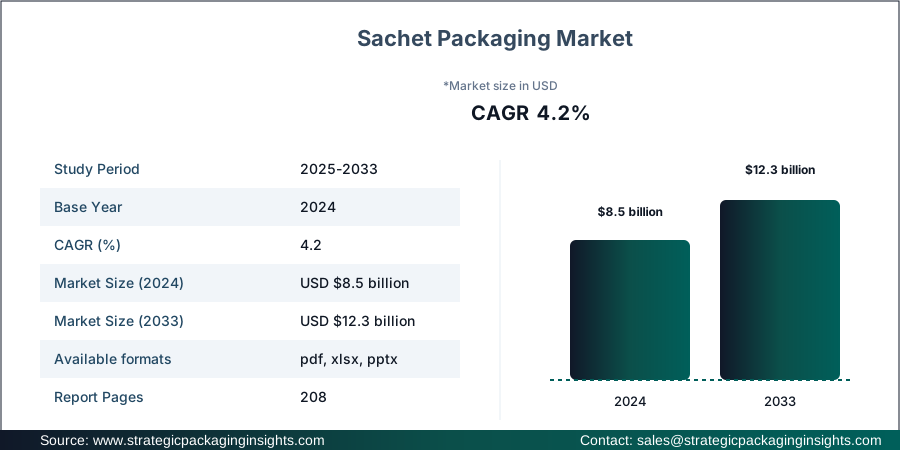
Report Scope
| Attributes | Details |
| Report Title | Sachet Packaging Market Size, Future Growth and Forecast 2033 |
| Material | Plastic, Paper, Aluminum Foil |
| Application | Food & Beverages, Pharmaceuticals, Personal Care & Cosmetics, Industrial |
| Packaging Type | Flat, Stand-up |
| Region | Asia Pacific, North America, Europe, Latin America, Middle East & Africa |
| Base Year | 2024 |
| Historic Period | 2017-2023 |
| Forecast Period | 2025-2033 |
| Number of Pages | 208 |
| Customization Available | Yes* |
Opportunities & Threats
One of the significant opportunities in the sachet packaging market is the growing demand for sustainable and eco-friendly packaging solutions. As consumers become more environmentally conscious, there is a rising preference for biodegradable and recyclable materials in packaging. This trend is encouraging manufacturers to innovate and develop sachets made from sustainable materials, such as paper and bio-based plastics, which can significantly reduce the environmental impact. Furthermore, the increasing penetration of sachet packaging in untapped markets, particularly in rural and semi-urban areas of developing countries, presents a lucrative opportunity for market players to expand their reach and enhance their market presence.
Another opportunity lies in the advancement of smart packaging technologies. The integration of QR codes, NFC tags, and other digital features into sachet packaging can enhance consumer engagement and provide valuable information about the product, such as ingredients, usage instructions, and promotional offers. This not only improves the consumer experience but also allows brands to gather data and insights into consumer preferences and behavior, enabling them to tailor their marketing strategies more effectively. As technology continues to evolve, the adoption of smart sachet packaging is expected to increase, offering new avenues for growth and innovation in the market.
However, the sachet packaging market faces certain restraints, such as stringent regulations regarding plastic usage and waste management. Governments worldwide are implementing policies to reduce plastic waste and promote recycling, which can pose challenges for manufacturers relying heavily on plastic materials. Additionally, the fluctuating prices of raw materials, such as plastic resins and aluminum, can impact production costs and profit margins. To mitigate these challenges, companies are investing in research and development to explore alternative materials and improve the recyclability of sachet packaging.
Drivers & Challenges
The primary driver of the sachet packaging market is the increasing demand for convenient and portion-controlled packaging solutions. Consumers are increasingly seeking products that offer ease of use and portability, particularly in the food and beverage sector. Sachets provide an ideal solution for single-serving applications, allowing consumers to enjoy their favorite products on the go without the need for additional storage or preparation. This trend is further supported by the growing popularity of ready-to-eat meals and snacks, which often utilize sachet packaging for portion control and freshness.
Another significant driver is the rising demand for affordable packaging solutions in emerging markets. In regions such as Asia Pacific and Africa, where disposable incomes are lower, sachet packaging offers a cost-effective alternative to larger packaging formats. This affordability, combined with the increasing availability of sachet-packaged products in local retail outlets, is driving the adoption of sachet packaging among price-sensitive consumers. Additionally, the expansion of modern retail channels and the growth of e-commerce platforms are facilitating the distribution and accessibility of sachet-packaged products, further boosting market growth.
Despite these drivers, the sachet packaging market faces challenges related to environmental concerns and waste management. The widespread use of plastic sachets contributes to plastic pollution, which has become a significant environmental issue globally. As a result, there is growing pressure on manufacturers to develop sustainable packaging solutions that minimize environmental impact. Additionally, the lack of proper waste management infrastructure in many developing countries exacerbates the problem, making it difficult to recycle or dispose of sachet packaging responsibly. Addressing these challenges requires collaboration between industry stakeholders, governments, and consumers to promote sustainable practices and improve waste management systems.
Sachet Packaging Strategic Outlook
| Trend | Market Driver | Technological/Material Shift | Business Impact |
|---|---|---|---|
| Sustainability | Eco-friendly materials | Biodegradable sachets | Reduced environmental footprint |
| Smart Tech | Consumer engagement | QR codes, NFC tags | Enhanced consumer interaction |
| Consumer Behavior | Convenience demand | Portion-controlled packaging | Increased product accessibility |
| Logistics | E-commerce growth | Lightweight packaging | Cost-effective distribution |
In 2026, the sachet packaging market is poised for significant growth, driven by the increasing demand for convenient and sustainable packaging solutions. The primary disruptor in this niche is the regulatory push towards reducing plastic waste and promoting eco-friendly materials. To maintain market share by 2033, brands should pivot towards developing biodegradable and recyclable sachets, leveraging smart packaging technologies to enhance consumer engagement, and expanding their presence in emerging markets. By aligning with these trends, companies can capitalize on the growing demand for sachet packaging while addressing environmental concerns and meeting consumer expectations.
Market Share Analysis
The sachet packaging market is characterized by a highly competitive landscape, with numerous players vying for market share. The market is dominated by a mix of global and regional companies, each offering a diverse range of products and solutions to cater to the varying needs of consumers. The competitive environment is driven by factors such as product innovation, pricing strategies, and distribution networks. Companies are increasingly focusing on expanding their product portfolios and enhancing their production capabilities to gain a competitive edge. Additionally, strategic partnerships and collaborations are common in this market, as companies seek to leverage each other's strengths and expand their reach.
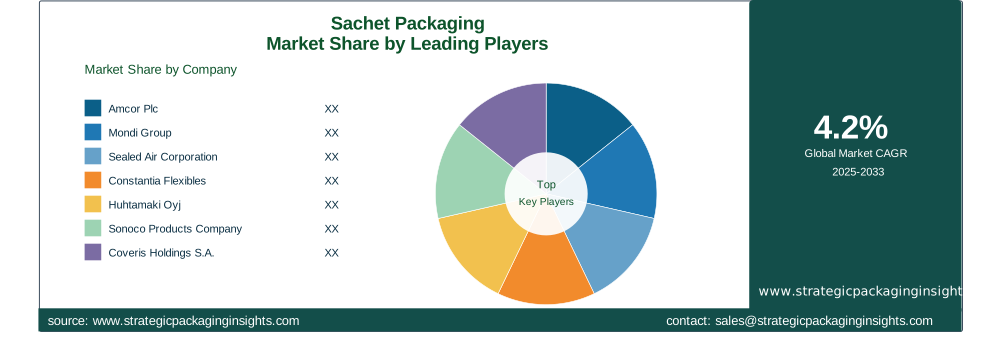
Among the major players in the sachet packaging market, Amcor Plc holds a significant share, known for its innovative packaging solutions and commitment to sustainability. The company offers a wide range of sachet packaging options, including those made from recyclable and biodegradable materials. Another key player, Mondi Group, is recognized for its extensive product portfolio and strong focus on research and development. The company has been actively investing in new technologies and materials to enhance the performance and sustainability of its sachet packaging solutions.
Sealed Air Corporation is another prominent player in the market, known for its advanced packaging technologies and solutions. The company has a strong presence in the food and beverage sector, offering sachet packaging that ensures product freshness and extends shelf life. Constantia Flexibles, a leading flexible packaging manufacturer, is also a key player in the sachet packaging market. The company is committed to sustainability and has been developing innovative solutions to reduce the environmental impact of its packaging products.
Other notable companies in the sachet packaging market include Huhtamaki Oyj, Sonoco Products Company, and Coveris Holdings S.A. These companies are actively engaged in expanding their product offerings and strengthening their market presence through strategic acquisitions and partnerships. The competitive landscape is expected to remain dynamic, with companies continuously striving to innovate and meet the evolving demands of consumers and regulatory requirements.
Key Highlights
- The sachet packaging market is projected to grow at a CAGR of 4.2% from 2025 to 2033.
- Increasing demand for convenient and portion-controlled packaging solutions is driving market growth.
- Eco-friendly and sustainable packaging materials are gaining traction among consumers.
- Smart packaging technologies, such as QR codes and NFC tags, are enhancing consumer engagement.
- Emerging markets present significant growth opportunities for sachet packaging manufacturers.
- Stringent regulations on plastic usage are encouraging the development of biodegradable sachets.
- Partnerships and collaborations are common strategies among market players to expand their reach.
Top Countries Insights
In the sachet packaging market, the United States holds a significant share, with a market size of $1.5 billion and a CAGR of 3%. The demand for convenient and portable packaging solutions, particularly in the food and beverage sector, is a key growth driver. Additionally, the increasing focus on sustainability and the adoption of eco-friendly materials are influencing market dynamics. However, regulatory challenges related to plastic usage and waste management remain a concern.
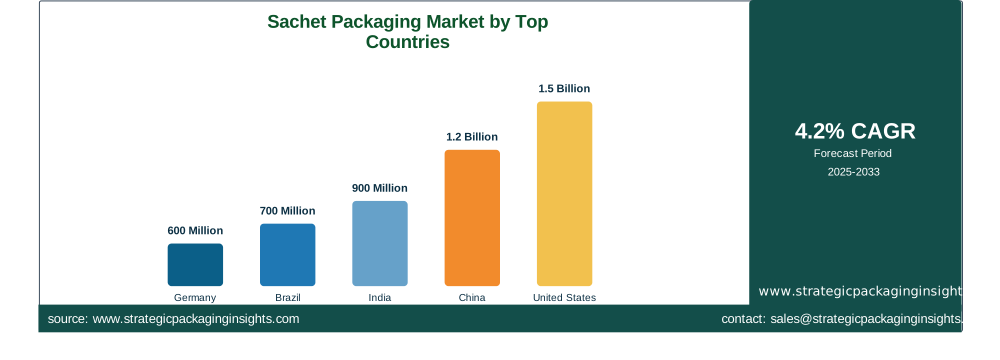
China is another major player in the sachet packaging market, with a market size of $1.2 billion and a CAGR of 5%. The rapid urbanization and growing middle-class population are driving the demand for sachet-packaged products. The government's initiatives to promote sustainable packaging and reduce plastic waste are also contributing to market growth. However, the lack of proper waste management infrastructure poses a challenge to the widespread adoption of sachet packaging.
India, with a market size of $900 million and a CAGR of 6%, is experiencing significant growth in the sachet packaging market. The increasing disposable incomes and changing consumer preferences towards convenient packaging solutions are key growth drivers. The government's push towards sustainable packaging and the rising awareness of environmental issues are also influencing market trends. However, the high cost of eco-friendly materials remains a challenge for manufacturers.
In Brazil, the sachet packaging market is valued at $700 million, with a CAGR of 4%. The demand for affordable and convenient packaging solutions, particularly in the personal care and cosmetics sector, is driving market growth. The increasing focus on sustainability and the adoption of biodegradable materials are also shaping market dynamics. However, economic instability and fluctuating raw material prices pose challenges to market growth.
Germany, with a market size of $600 million and a CAGR of 3%, is a key player in the sachet packaging market. The demand for high-quality and sustainable packaging solutions, particularly in the pharmaceutical sector, is a major growth driver. The government's stringent regulations on plastic usage and waste management are encouraging the development of eco-friendly sachets. However, the high cost of sustainable materials remains a challenge for manufacturers.
Sachet Packaging Market Segments Insights

Material Analysis
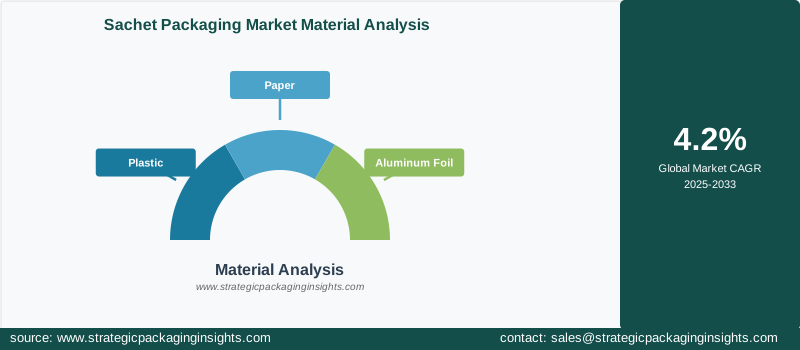
The material segment of the sachet packaging market is primarily divided into plastic, paper, and aluminum foil. Plastic remains the dominant material due to its versatility, durability, and cost-effectiveness. However, the increasing environmental concerns and regulatory pressures are driving the shift towards more sustainable materials. Paper sachets are gaining popularity as they offer a biodegradable alternative to plastic, aligning with the growing consumer demand for eco-friendly packaging solutions. Aluminum foil, known for its excellent barrier properties, is widely used in applications requiring extended shelf life and protection from external factors. The ongoing research and development efforts to enhance the recyclability and performance of these materials are expected to shape the future of the sachet packaging market.
Application Analysis
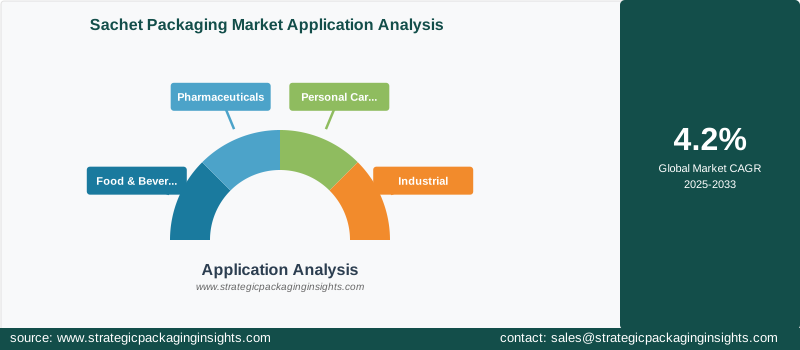
The application segment of the sachet packaging market includes food and beverages, pharmaceuticals, personal care and cosmetics, and industrial applications. The food and beverage sector is the largest application segment, driven by the demand for convenient and portion-controlled packaging solutions. Sachets are widely used for packaging sauces, condiments, and single-serve beverages, offering consumers ease of use and portability. In the pharmaceutical sector, sachets are used for packaging powders, granules, and liquid medications, providing accurate dosing and extended shelf life. The personal care and cosmetics industry also utilizes sachet packaging for sample-sized products and single-use applications, catering to the growing demand for on-the-go beauty solutions.
Packaging Type Analysis
The packaging type segment of the sachet packaging market is categorized into flat and stand-up sachets. Flat sachets are the most common type, offering a simple and cost-effective packaging solution for a wide range of products. They are widely used in the food and beverage sector for packaging condiments, sauces, and single-serve beverages. Stand-up sachets, on the other hand, provide enhanced shelf appeal and convenience, making them popular in the personal care and cosmetics industry. The growing demand for innovative and visually appealing packaging solutions is driving the adoption of stand-up sachets, particularly in premium product segments.
Region Analysis
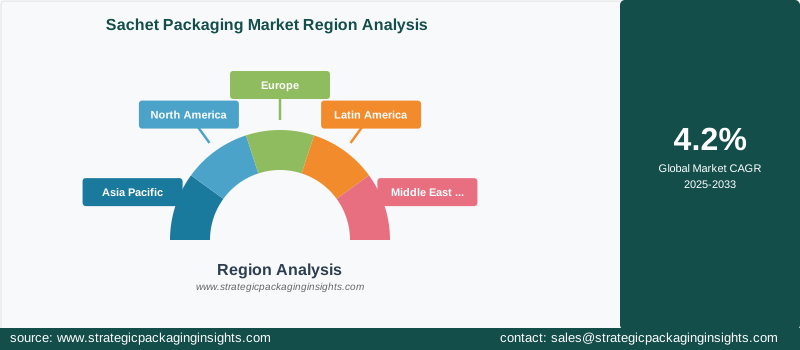
The regional analysis of the sachet packaging market highlights the significant growth opportunities in Asia Pacific, North America, Europe, Latin America, and the Middle East & Africa. Asia Pacific is the largest market, driven by the increasing demand for affordable and convenient packaging solutions in emerging economies such as China and India. North America and Europe are also key markets, with a strong focus on sustainability and the adoption of eco-friendly materials. Latin America and the Middle East & Africa are experiencing steady growth, supported by the expanding middle-class population and the increasing availability of sachet-packaged products in local retail outlets.
Sachet Packaging Market Segments
The Sachet Packaging market has been segmented on the basis ofMaterial
- Plastic
- Paper
- Aluminum Foil
Application
- Food & Beverages
- Pharmaceuticals
- Personal Care & Cosmetics
- Industrial
Packaging Type
- Flat
- Stand-up
Region
- Asia Pacific
- North America
- Europe
- Latin America
- Middle East & Africa




