


Reusable Silicone Closures Market Outlook
The Reusable Silicone Closures market was valued at $430.25 million in 2025 and is projected to reach $1.09 billion by 2034, growing at a CAGR of 10.8% during the forecast period 2026-2034. This market is witnessing significant growth due to the increasing demand for sustainable and eco-friendly packaging solutions. The shift towards reducing single-use plastics and the rising awareness about environmental conservation are key drivers propelling the market forward. Additionally, the versatility and durability of silicone closures make them an attractive option for consumers and businesses alike, further boosting market demand.
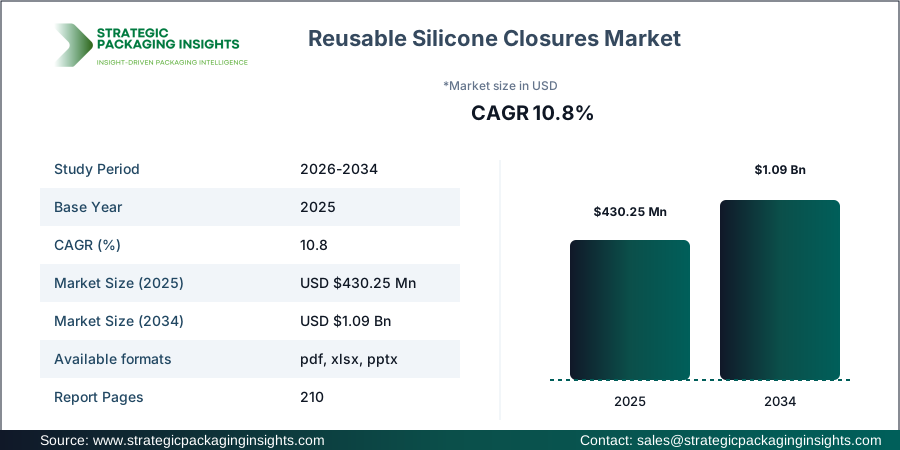
Despite the promising growth trajectory, the market faces certain challenges, including regulatory hurdles and the high initial cost of silicone products compared to traditional plastic closures. However, the long-term cost savings and environmental benefits associated with reusable silicone closures are expected to outweigh these initial barriers. The market also presents substantial growth potential, particularly in emerging economies where the adoption of sustainable packaging is gaining momentum. As consumer preferences continue to evolve towards eco-friendly products, the reusable silicone closures market is poised for robust expansion.
Report Scope
| Attributes | Details |
| Report Title | Reusable Silicone Closures Market Size, Future Growth and Forecast 2034 |
| By Product Type | silicone lids, silicone caps, stretch closures |
| By Application | food storage, beverage containers, household containers |
| By Sales Channel | retail, online, B2B |
| By End Use | households, foodservice, reusable packaging brands |
| Region | Asia Pacific, North America, Latin America, Europe, Middle East & Africa |
| Base Year | 2025 |
| Historic Period | 2018-2024 |
| Forecast Period | 2026-2034 |
| Number of Pages | 210 |
| Customization Available | Yes* |
Opportunities & Threats
The reusable silicone closures market offers numerous opportunities, particularly in the realm of sustainability and environmental conservation. As global awareness about the detrimental effects of plastic waste increases, consumers and businesses are actively seeking alternatives that minimize environmental impact. This shift in consumer behavior presents a significant opportunity for market players to innovate and expand their product offerings. Additionally, the growing trend of zero-waste lifestyles and the increasing popularity of reusable products in households and foodservice industries further bolster market opportunities. Companies that can effectively market their products as eco-friendly and cost-effective alternatives are likely to capture a substantial share of the market.
Another opportunity lies in the expansion of online sales channels. With the rise of e-commerce, consumers have greater access to a wide range of reusable silicone closures, allowing companies to reach a broader audience. The convenience of online shopping, coupled with the increasing demand for sustainable products, creates a favorable environment for market growth. Furthermore, collaborations with reusable packaging brands and foodservice providers can open new avenues for market expansion, as these partnerships can enhance product visibility and credibility.
However, the market is not without its threats. One of the primary challenges is the competition from alternative sustainable packaging solutions, such as biodegradable plastics and compostable materials. These alternatives may appeal to consumers who prioritize biodegradability over reusability. Additionally, fluctuations in raw material prices and supply chain disruptions can pose significant threats to market stability. Companies must navigate these challenges by investing in research and development to enhance product quality and by establishing robust supply chain networks to ensure consistent product availability.
Drivers & Challenges
The primary drivers of the reusable silicone closures market include the increasing consumer demand for sustainable packaging solutions and the growing awareness of environmental issues. As consumers become more environmentally conscious, there is a heightened demand for products that reduce waste and promote sustainability. Reusable silicone closures, with their durability and versatility, align perfectly with these consumer preferences, driving market growth. Additionally, government regulations aimed at reducing plastic waste and promoting sustainable practices further support the adoption of reusable silicone closures.
Technological advancements and product innovations also play a crucial role in driving market growth. Companies are continuously investing in research and development to enhance the functionality and aesthetic appeal of silicone closures. Innovations such as stretchable and customizable closures cater to diverse consumer needs, expanding the market's reach. Moreover, the increasing adoption of reusable silicone closures in the foodservice industry, driven by the need for sustainable packaging solutions, contributes significantly to market expansion.
Despite these drivers, the market faces several challenges. One of the primary challenges is the high initial cost of silicone closures compared to traditional plastic alternatives. While the long-term benefits of reusability and sustainability are evident, the upfront cost can deter price-sensitive consumers. Additionally, the market faces competition from other sustainable packaging solutions, such as biodegradable and compostable materials, which may appeal to consumers seeking immediate environmental benefits. Companies must address these challenges by emphasizing the long-term cost savings and environmental advantages of reusable silicone closures.
Market Share Analysis
The reusable silicone closures market is characterized by a competitive landscape with several key players vying for market share. Companies such as Stasher, W&P, Lekue, OXO, Tupperware, Mastrad, GIR, Food Huggers, Charles Viancin, and Ball Corporation are prominent in this market, each offering a diverse range of products to cater to varying consumer needs. These companies are focused on product innovation, sustainability, and expanding their distribution networks to maintain a competitive edge.
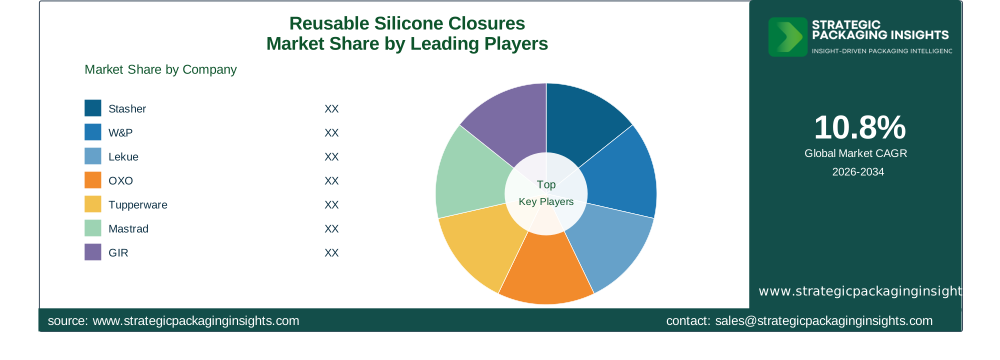
Stasher, known for its innovative silicone storage bags, holds a significant market share due to its strong brand presence and commitment to sustainability. The company's focus on eco-friendly products and its extensive distribution network have contributed to its market leadership. Similarly, W&P has carved a niche for itself with its stylish and functional silicone products, appealing to environmentally conscious consumers seeking aesthetically pleasing solutions.
OXO and Tupperware are well-established brands with a strong foothold in the reusable silicone closures market. Their extensive product portfolios and global reach enable them to cater to a wide range of consumer preferences. These companies leverage their brand reputation and customer loyalty to maintain their market positions. Additionally, Lekue and Mastrad are gaining traction with their innovative product offerings and focus on sustainability, further intensifying market competition.
Food Huggers and Charles Viancin are also notable players in the market, known for their unique and functional silicone closures. These companies emphasize product quality and design, appealing to consumers seeking durable and aesthetically pleasing solutions. Ball Corporation, with its extensive experience in packaging solutions, is expanding its presence in the reusable silicone closures market by leveraging its expertise and distribution capabilities.
Key Highlights
- The reusable silicone closures market is projected to grow at a CAGR of 10.8% from 2026 to 2034.
- Increasing consumer demand for sustainable and eco-friendly packaging solutions is a key market driver.
- Technological advancements and product innovations are enhancing the functionality and appeal of silicone closures.
- Online sales channels are expanding, providing greater access to reusable silicone closures for consumers.
- Partnerships with reusable packaging brands and foodservice providers offer new growth opportunities.
- Competition from alternative sustainable packaging solutions poses a threat to market growth.
- Fluctuations in raw material prices and supply chain disruptions are potential challenges for market stability.
Top Countries Insights
In the reusable silicone closures market, the United States stands out as a leading country, with a market size of approximately $250 million and a CAGR of 12%. The country's strong emphasis on sustainability and environmental conservation drives demand for reusable packaging solutions. Government initiatives promoting eco-friendly practices further support market growth. However, competition from alternative sustainable packaging solutions remains a challenge.
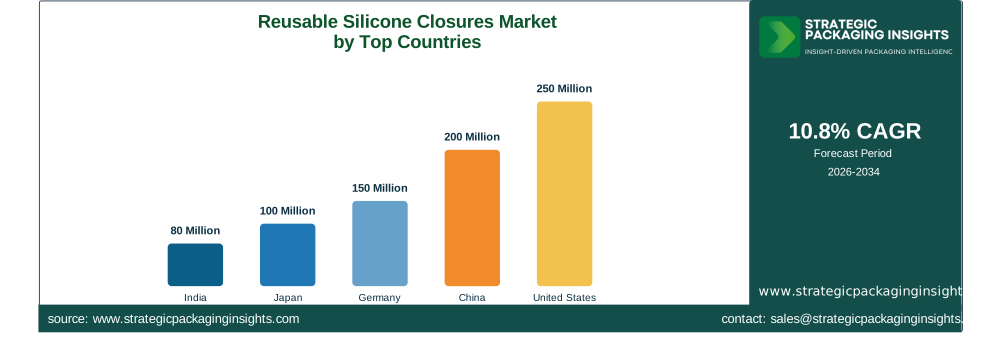
China is another significant player in the market, with a market size of around $200 million and a CAGR of 15%. The country's rapid urbanization and increasing consumer awareness about environmental issues drive demand for reusable silicone closures. Additionally, government policies aimed at reducing plastic waste and promoting sustainable practices contribute to market expansion. However, the market faces challenges from fluctuating raw material prices and supply chain disruptions.
Germany, with a market size of approximately $150 million and a CAGR of 10%, is a key market for reusable silicone closures in Europe. The country's strong focus on sustainability and environmental conservation drives demand for eco-friendly packaging solutions. Additionally, technological advancements and product innovations enhance the functionality and appeal of silicone closures, further boosting market growth.
In Japan, the market size is estimated at $100 million, with a CAGR of 8%. The country's emphasis on reducing plastic waste and promoting sustainable practices drives demand for reusable silicone closures. However, the market faces challenges from competition with alternative sustainable packaging solutions and the high initial cost of silicone products.
India, with a market size of approximately $80 million and a CAGR of 18%, is an emerging market for reusable silicone closures. The country's growing awareness about environmental issues and increasing consumer demand for sustainable packaging solutions drive market growth. However, the market faces challenges from price-sensitive consumers and competition from alternative sustainable packaging solutions.
Reusable Silicone Closures Market Segments Insights

Product Type Analysis
The product type segment of the reusable silicone closures market includes silicone lids, silicone caps, and stretch closures. Silicone lids are gaining popularity due to their versatility and ability to fit various container sizes, making them a preferred choice for consumers seeking flexible and reusable solutions. The demand for silicone caps is also on the rise, driven by their effectiveness in sealing beverage containers and preventing spills. Stretch closures, known for their adaptability and ease of use, are becoming increasingly popular among households and foodservice providers. The growing trend of zero-waste lifestyles and the increasing popularity of reusable products further bolster demand for these product types.
Technological advancements and product innovations are enhancing the functionality and appeal of silicone closures, driving market growth. Companies are investing in research and development to create innovative designs that cater to diverse consumer needs. The increasing adoption of silicone closures in the foodservice industry, driven by the need for sustainable packaging solutions, contributes significantly to market expansion. Additionally, the growing awareness about environmental conservation and the shift towards reducing single-use plastics are key drivers propelling the product type segment forward.
Application Analysis
The application segment of the reusable silicone closures market includes food storage, beverage containers, and household containers. Food storage applications dominate the market, driven by the increasing demand for sustainable and eco-friendly packaging solutions. Consumers are actively seeking alternatives to single-use plastics, and reusable silicone closures offer a durable and versatile solution for storing food items. The demand for silicone closures in beverage containers is also on the rise, driven by their effectiveness in preventing spills and maintaining freshness.
Household containers represent a growing segment, as consumers seek reusable solutions for organizing and storing various household items. The increasing popularity of zero-waste lifestyles and the growing awareness about environmental conservation further bolster demand for silicone closures in household applications. Companies are focusing on product innovation and expanding their product offerings to cater to diverse consumer needs, driving market growth in the application segment.
Sales Channel Analysis
The sales channel segment of the reusable silicone closures market includes retail, online, and B2B channels. Retail channels continue to dominate the market, driven by the increasing demand for sustainable packaging solutions in physical stores. Consumers prefer to see and feel the products before making a purchase, and retail channels provide an opportunity for companies to showcase their product offerings. However, the online sales channel is gaining traction, driven by the convenience of online shopping and the increasing demand for sustainable products.
Online sales channels provide greater access to reusable silicone closures for consumers, allowing companies to reach a broader audience. The growing popularity of e-commerce and the increasing adoption of digital platforms further support market growth in the online sales channel segment. B2B channels represent a growing segment, as companies collaborate with reusable packaging brands and foodservice providers to enhance product visibility and credibility. These partnerships offer new growth opportunities and contribute to market expansion.
End Use Analysis
The end use segment of the reusable silicone closures market includes households, foodservice, and reusable packaging brands. Households represent the largest segment, driven by the increasing demand for sustainable and eco-friendly packaging solutions. Consumers are actively seeking alternatives to single-use plastics, and reusable silicone closures offer a durable and versatile solution for various household applications. The growing trend of zero-waste lifestyles and the increasing popularity of reusable products further bolster demand for silicone closures in households.
The foodservice industry represents a growing segment, driven by the need for sustainable packaging solutions. Reusable silicone closures offer a cost-effective and environmentally friendly alternative to traditional packaging solutions, making them an attractive option for foodservice providers. Reusable packaging brands represent a niche segment, as companies collaborate with these brands to enhance product visibility and credibility. These partnerships offer new growth opportunities and contribute to market expansion in the end use segment.
Reusable Silicone Closures Market Segments
The Reusable Silicone Closures market has been segmented on the basis ofBy Product Type
- silicone lids
- silicone caps
- stretch closures
By Application
- food storage
- beverage containers
- household containers
By Sales Channel
- retail
- online
- B2B
By End Use
- households
- foodservice
- reusable packaging brands
Region
- Asia Pacific
- North America
- Latin America
- Europe
- Middle East & Africa




