


Reusable Shopping Bag Market Outlook
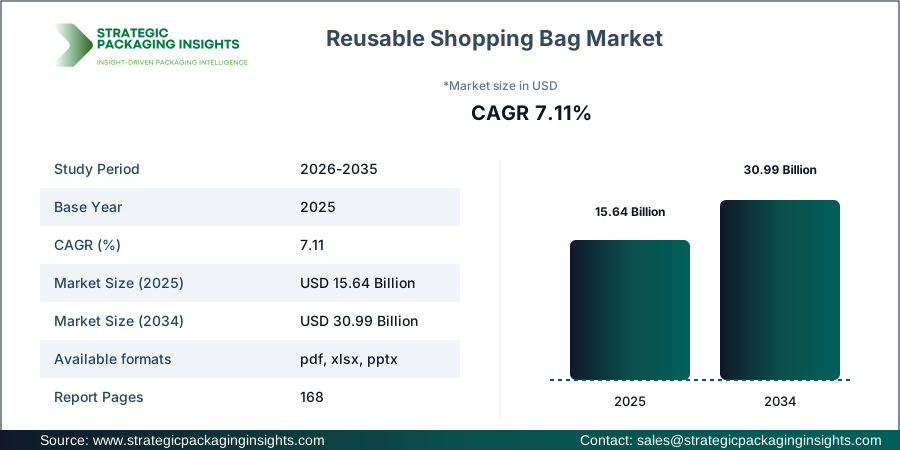
The Reusable Shopping Bag market size was valued at USD $15.64 Billion in 2025 and is anticipated to reach USD $30.99 Billion by 2035, growing at a CAGR of 7.11% % during the forecast period according to Strategic Packaging Insights. The market is primarily driven by increasing consumer awareness about environmental sustainability and the growing regulatory push towards reducing single-use plastics. Government initiatives and policies promoting eco-friendly alternatives are significantly influencing market growth.Report Scope
| Attributes | Details |
| Report Title | Reusable Shopping Bag Market Projected to Scale to 30.99 Billion by 2035, Assesses Strategic Packaging Insights |
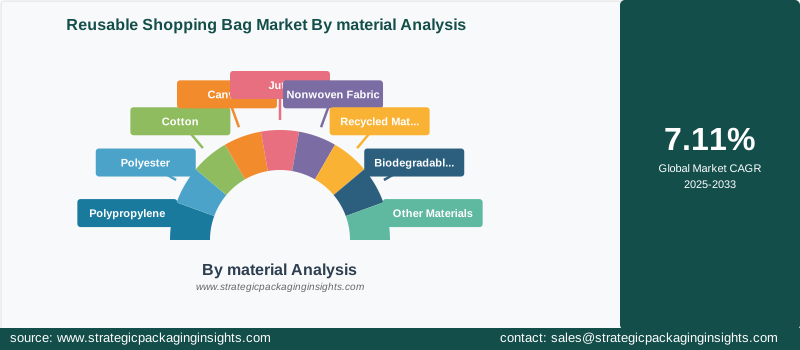
| By material | Polypropylene, Polyester, Cotton, Canvas, Jute, Nonwoven Fabric, Recycled Materials, Biodegradable Materials, Other Materials |
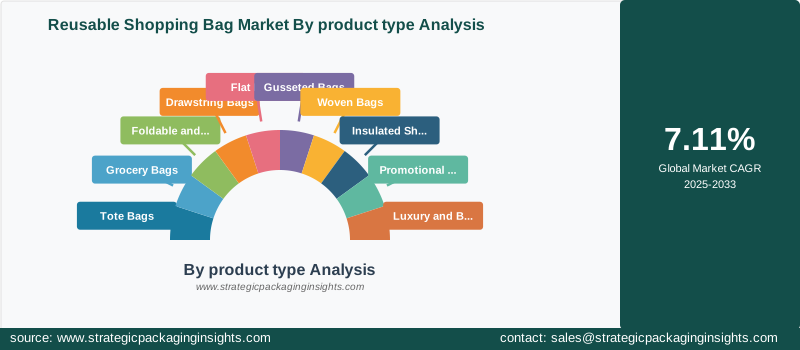
| By product type | Tote Bags, Grocery Bags, Foldable and Collapsible Bags, Drawstring Bags, Flat Bags, Gusseted Bags, Woven Bags, Insulated Shopping Bags, Promotional Bags, Luxury and Branded Bags |
| By handle type | Loop Handles, Die-Cut Handles, Rope Handles, Cotton Handles, Webbing Handles, Shoulder Straps, Long Handles, Short Handles |
| By capacity | Less than 5 Kg, 5 Kg to 10 Kg, 10 Kg to 20 Kg, Above 20 Kg |
| By application | Retail, Grocery Stores, Foodservice, Garment Industry, Apparel and Fashion, E-Commerce, Promotional and Advertising, Pharmaceuticals, Convenience Stores, Supermarkets and Hypermarkets |
| By end use | Grocery and Food, Apparel and Fashion, Consumer Goods, Foodservice, Retail, E-Commerce and Logistics, Promotional and Advertising, Household |
| By functionality | Heavy-Duty Carrying, Lightweight Carrying, Foldability, Washability, Insulation, Moisture Resistance, Tear Resistance, Recyclability, Biodegradability, Customization |
| By distribution channel | Direct Sales, Wholesale Distributors, Retail Stores, Supermarkets and Hypermarkets, Specialty Stores, Online Sales, E-Commerce Platforms |
| By price range | Economy, Mid-Range, Premium, Luxury |
| By region | North America, Europe, Asia Pacific, Latin America, Middle East and Africa |
| Base Year | 2025 |
| Historic Period | 2018-2024 |
| Forecast Period | 2026-2035 |
| Number of Pages | 168 |
| Customization Available | Yes* |
Market Trends Analysis
Consumer demand for eco-friendly products is reshaping the Reusable Shopping Bag market. The shift towards sustainable materials like recycled and biodegradable options is gaining momentum, driven by environmental concerns and regulatory mandates. Retailers and brands are increasingly adopting reusable bags as part of their sustainability strategies, enhancing their brand image and meeting consumer expectations. The integration of digital technologies in manufacturing processes is also optimizing production efficiency and reducing costs, further propelling market growth.
Regional demand shifts are evident, with Asia Pacific emerging as a key growth region due to rapid urbanization and increasing disposable incomes. The adoption of reusable bags in emerging markets is supported by government regulations and consumer awareness campaigns. In developed regions, the focus is on product diversification and innovation, with companies investing in new designs and functionalities to cater to diverse consumer needs. These trends are influencing competitive positioning and driving investment in product development and marketing strategies.
Industry Transformation Analysis
The Reusable Shopping Bag industry is undergoing significant transformation, with a focus on sustainability and operational efficiency. Manufacturers are investing in advanced technologies to enhance production capabilities and reduce environmental impact. The shift towards localized production is gaining traction, driven by the need to reduce carbon footprints and meet regional demand efficiently. This trend is supported by government incentives and policies promoting local manufacturing and sustainable practices.
Value-chain transformation is evident, with increased collaboration between suppliers, manufacturers, and retailers to optimize supply-chain efficiency and reduce costs. The integration of automation and digital technologies is enhancing operational efficiency and enabling real-time monitoring of production processes. These changes are creating new opportunities for market players to expand their product offerings and improve customer satisfaction. The focus on sustainability is also driving innovation in materials and product design, with companies exploring new materials and technologies to meet evolving consumer preferences.
Trends & Disruptions Impacting Customers' Customers
Downstream customers, including retailers and consumers, are increasingly prioritizing sustainability and environmental responsibility in their purchasing decisions. The demand for reusable shopping bags is driven by the need to reduce plastic waste and promote eco-friendly alternatives. Consumers are seeking products that align with their values, leading to increased adoption of reusable bags across various applications, including retail, grocery, and e-commerce. This shift is influencing product demand and driving innovation in design and functionality.
As consumer preferences evolve, companies are focusing on product differentiation and customization to meet diverse needs. The emphasis on sustainability is driving demand for bags made from recycled and biodegradable materials, with a focus on durability and functionality. These changes are influencing purchasing decisions and creating new market opportunities for manufacturers and retailers. The growing importance of sustainability is also impacting supplier requirements, with companies seeking partners that align with their environmental goals and values.
Reusable Shopping Bag Market Ecosystem
The Reusable Shopping Bag market ecosystem involves a complex interplay of various stages, from raw material procurement to end-of-life recycling. The focus on sustainability is driving demand for eco-friendly materials, with companies sourcing recycled and biodegradable options to meet consumer expectations. Manufacturing processes are evolving, with a focus on operational efficiency and environmental responsibility. The integration of digital technologies is enhancing production capabilities and reducing costs, creating new opportunities for market players.
Distribution channels are expanding, with companies leveraging online platforms and retail partnerships to reach a wider audience. The emphasis on sustainability is influencing consumer purchasing behavior, with a growing preference for eco-friendly products. This trend is driving demand for reusable shopping bags across various applications, including retail, grocery, and e-commerce. The focus on recycling and end-of-life processing is promoting a circular economy, with companies investing in recycling infrastructure and technologies to reduce environmental impact.
Analyst Perspective
Analyst Perspective: The Reusable Shopping Bag market is poised for significant growth, driven by increasing environmental awareness and regulatory support. The shift towards sustainable materials and localized production is creating new opportunities for market players.
The most important structural change is the focus on sustainability and operational efficiency, with companies investing in advanced technologies to enhance production capabilities and reduce environmental impact. This trend is influencing competitive positioning and driving investment in product development and marketing strategies.
Companies, investors, and suppliers should watch for emerging trends in material innovation and product design, as these factors will play a crucial role in shaping the market landscape. The emphasis on sustainability and regulatory compliance will continue to drive demand for eco-friendly products, creating new opportunities for growth and expansion.
Opportunities & Threats
The Reusable Shopping Bag market presents significant opportunities for growth, driven by increasing consumer awareness and regulatory support for sustainable products. The shift towards eco-friendly materials and localized production is creating new opportunities for market players to expand their product offerings and improve customer satisfaction. The focus on sustainability is driving innovation in materials and product design, with companies exploring new materials and technologies to meet evolving consumer preferences.
Technological advancements in manufacturing processes are enhancing operational efficiency and reducing costs, creating new opportunities for market players to improve their competitive positioning. The integration of digital technologies is enabling real-time monitoring of production processes, enhancing supply-chain efficiency and reducing environmental impact. These trends are creating new opportunities for growth and expansion, with companies investing in product development and marketing strategies to meet evolving consumer needs.
However, the market also faces challenges, including raw material volatility and regulatory uncertainty. The availability of sustainable materials and the cost of production are key concerns for market players, with companies seeking to balance cost and sustainability in their product offerings. Regulatory compliance and environmental standards are also influencing market dynamics, with companies facing increasing pressure to meet sustainability targets and reduce environmental impact.
Competition from alternative products and materials is another challenge, with companies facing increasing pressure to differentiate their products and meet evolving consumer preferences. The focus on sustainability is driving demand for eco-friendly products, but companies must also address concerns around product durability and functionality. These challenges are influencing market dynamics and creating new opportunities for innovation and growth.
Drivers & Challenges
The Reusable Shopping Bag market is driven by increasing consumer awareness about environmental sustainability and the growing regulatory push towards reducing single-use plastics. Government initiatives and policies promoting eco-friendly alternatives are significantly influencing market growth. The shift towards sustainable materials like recycled and biodegradable options is gaining momentum, driven by environmental concerns and regulatory mandates. Retailers and brands are increasingly adopting reusable bags as part of their sustainability strategies, enhancing their brand image and meeting consumer expectations.
Technological advancements in manufacturing processes are enhancing operational efficiency and reducing costs, creating new opportunities for market players to improve their competitive positioning. The integration of digital technologies is enabling real-time monitoring of production processes, enhancing supply-chain efficiency and reducing environmental impact. These trends are creating new opportunities for growth and expansion, with companies investing in product development and marketing strategies to meet evolving consumer needs.
However, the market also faces challenges, including raw material volatility and regulatory uncertainty. The availability of sustainable materials and the cost of production are key concerns for market players, with companies seeking to balance cost and sustainability in their product offerings. Regulatory compliance and environmental standards are also influencing market dynamics, with companies facing increasing pressure to meet sustainability targets and reduce environmental impact.
Packaging Market Economics
The economics of the Reusable Shopping Bag market are influenced by several factors, including raw material costs, manufacturing processes, and distribution channels. The shift towards sustainable materials like recycled and biodegradable options is impacting procurement and production costs, with companies seeking to balance cost and sustainability in their product offerings. The integration of digital technologies is enhancing operational efficiency and reducing costs, creating new opportunities for market players to improve their competitive positioning.
Distribution channels are expanding, with companies leveraging online platforms and retail partnerships to reach a wider audience. The emphasis on sustainability is influencing consumer purchasing behavior, with a growing preference for eco-friendly products. This trend is driving demand for reusable shopping bags across various applications, including retail, grocery, and e-commerce. The focus on recycling and end-of-life processing is promoting a circular economy, with companies investing in recycling infrastructure and technologies to reduce environmental impact.
Packaging Value Chain & Cost Analysis
The value chain of the Reusable Shopping Bag market involves several tiers, including raw material procurement, manufacturing, distribution, and recycling. The focus on sustainability is driving demand for eco-friendly materials, with companies sourcing recycled and biodegradable options to meet consumer expectations. Manufacturing processes are evolving, with a focus on operational efficiency and environmental responsibility. The integration of digital technologies is enhancing production capabilities and reducing costs, creating new opportunities for market players.
Distribution channels are expanding, with companies leveraging online platforms and retail partnerships to reach a wider audience. The emphasis on sustainability is influencing consumer purchasing behavior, with a growing preference for eco-friendly products. This trend is driving demand for reusable shopping bags across various applications, including retail, grocery, and e-commerce. The focus on recycling and end-of-life processing is promoting a circular economy, with companies investing in recycling infrastructure and technologies to reduce environmental impact.
Unit Economics & Substrate Cost Analysis
The unit economics of the Reusable Shopping Bag market are influenced by several factors, including raw material costs, manufacturing processes, and distribution channels. The shift towards sustainable materials like recycled and biodegradable options is impacting procurement and production costs, with companies seeking to balance cost and sustainability in their product offerings. The integration of digital technologies is enhancing operational efficiency and reducing costs, creating new opportunities for market players to improve their competitive positioning.
Distribution channels are expanding, with companies leveraging online platforms and retail partnerships to reach a wider audience. The emphasis on sustainability is influencing consumer purchasing behavior, with a growing preference for eco-friendly products. This trend is driving demand for reusable shopping bags across various applications, including retail, grocery, and e-commerce. The focus on recycling and end-of-life processing is promoting a circular economy, with companies investing in recycling infrastructure and technologies to reduce environmental impact.
Packaging Regulatory & Sustainability Analysis
The Reusable Shopping Bag market is influenced by several regulatory and sustainability factors, including government initiatives and policies promoting eco-friendly alternatives. The shift towards sustainable materials like recycled and biodegradable options is gaining momentum, driven by environmental concerns and regulatory mandates. Retailers and brands are increasingly adopting reusable bags as part of their sustainability strategies, enhancing their brand image and meeting consumer expectations.
Regulatory compliance and environmental standards are influencing market dynamics, with companies facing increasing pressure to meet sustainability targets and reduce environmental impact. The focus on sustainability is driving innovation in materials and product design, with companies exploring new materials and technologies to meet evolving consumer preferences. These trends are creating new opportunities for growth and expansion, with companies investing in product development and marketing strategies to meet evolving consumer needs.
Strategic Mergers, Acquisitions & Capacity Expansions
The Reusable Shopping Bag market has witnessed several strategic developments in recent years, including mergers, acquisitions, and capacity expansions. Companies are investing in advanced technologies to enhance production capabilities and reduce environmental impact. The shift towards localized production is gaining traction, driven by the need to reduce carbon footprints and meet regional demand efficiently. This trend is supported by government incentives and policies promoting local manufacturing and sustainable practices.
Value-chain transformation is evident, with increased collaboration between suppliers, manufacturers, and retailers to optimize supply-chain efficiency and reduce costs. The integration of automation and digital technologies is enhancing operational efficiency and enabling real-time monitoring of production processes. These changes are creating new opportunities for market players to expand their product offerings and improve customer satisfaction. The focus on sustainability is also driving innovation in materials and product design, with companies exploring new materials and technologies to meet evolving consumer preferences.
Strategic Action Directives
Brand Packaging Engineers & Sustainability Directors should focus on material selection and mono-material qualification to enhance recyclability and meet sustainability targets. The integration of PCR materials and barrier performance optimization are key considerations for improving product functionality and environmental impact.
Converter Operations & Extrusion Leads should prioritize line speed optimization and tooling efficiency to enhance production capabilities and reduce costs. The focus on capacity utilization and scrap reduction is crucial for improving operational efficiency and meeting demand.
Procurement & Material Sourcing Managers should focus on supplier diversification and price indexing to mitigate raw material volatility and ensure a stable supply of sustainable materials. The emphasis on EPR exposure and regulatory compliance is crucial for meeting sustainability targets and reducing environmental impact.
Investors should focus on capacity expansion and technology investments to enhance production capabilities and meet growing demand. The emphasis on sustainability and regulatory compliance is driving demand for eco-friendly products, creating new opportunities for growth and expansion.
Market Share Analysis
The Reusable Shopping Bag market is characterized by a diverse competitive landscape, with several key players operating in the market. Companies are focusing on product differentiation and innovation to meet evolving consumer preferences and enhance their competitive positioning. The emphasis on sustainability and regulatory compliance is driving demand for eco-friendly products, creating new opportunities for growth and expansion.
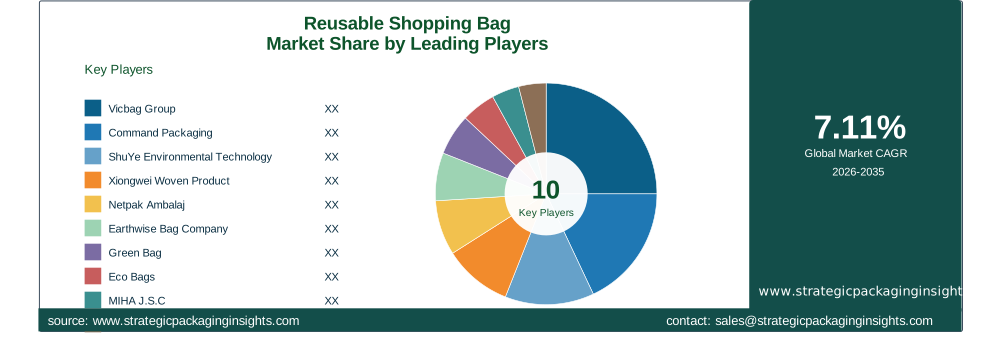
Vicbag Group, Command Packaging, and ShuYe Environmental Technology are among the leading players in the market, with a strong focus on sustainability and product innovation. These companies are investing in advanced technologies to enhance production capabilities and reduce environmental impact. The shift towards localized production is gaining traction, driven by the need to reduce carbon footprints and meet regional demand efficiently.
Netpak Ambalaj, Earthwise Bag Company, and Green Bag are also key players in the market, with a focus on product diversification and customization to meet diverse consumer needs. These companies are leveraging online platforms and retail partnerships to reach a wider audience and enhance their market presence. The emphasis on sustainability is driving innovation in materials and product design, with companies exploring new materials and technologies to meet evolving consumer preferences.
Eco Bags, MIHA J.S.C, and ChicoBag Company are focusing on expanding their product offerings and improving customer satisfaction through product differentiation and innovation. These companies are investing in product development and marketing strategies to meet evolving consumer needs and enhance their competitive positioning. The focus on sustainability is driving demand for eco-friendly products, creating new opportunities for growth and expansion.
Key Highlights
- Largest Region: Asia Pacific
- Fastest-Growing Region: Asia Pacific
- Largest Segment: By Material - Polypropylene
- Fastest-Growing Segment: By Material - Biodegradable Materials
- Base-year market size: USD 15.64 Billion
- Forecast-year market size: USD 30.99 Billion
- CAGR: 7.11%
- Important application: Retail
- Major end-use industry: Grocery and Food
- Major market driver: Increasing environmental awareness and regulatory support
Regional Insights
The Reusable Shopping Bag market is witnessing significant growth across major regions, with Asia Pacific emerging as the largest and fastest-growing region. The increasing environmental awareness and regulatory support for sustainable products are driving demand in this region. North America and Europe are also key markets, with a focus on product diversification and innovation to meet evolving consumer preferences.
North America
The North American market is characterized by a strong focus on sustainability and regulatory compliance, with companies investing in advanced technologies to enhance production capabilities and reduce environmental impact. The emphasis on product differentiation and customization is driving demand for reusable shopping bags across various applications, including retail, grocery, and e-commerce.
The growing importance of sustainability is influencing consumer purchasing behavior, with a preference for eco-friendly products. This trend is driving demand for reusable shopping bags, with companies focusing on product innovation and marketing strategies to meet evolving consumer needs. The emphasis on recycling and end-of-life processing is promoting a circular economy, with companies investing in recycling infrastructure and technologies to reduce environmental impact.
Europe
The European market is characterized by a strong focus on sustainability and regulatory compliance, with companies investing in advanced technologies to enhance production capabilities and reduce environmental impact. The emphasis on product differentiation and customization is driving demand for reusable shopping bags across various applications, including retail, grocery, and e-commerce.
The growing importance of sustainability is influencing consumer purchasing behavior, with a preference for eco-friendly products. This trend is driving demand for reusable shopping bags, with companies focusing on product innovation and marketing strategies to meet evolving consumer needs. The emphasis on recycling and end-of-life processing is promoting a circular economy, with companies investing in recycling infrastructure and technologies to reduce environmental impact.
Asia Pacific
The Asia Pacific market is the largest and fastest-growing region for reusable shopping bags, driven by increasing environmental awareness and regulatory support for sustainable products. The emphasis on sustainability is influencing consumer purchasing behavior, with a growing preference for eco-friendly products. This trend is driving demand for reusable shopping bags across various applications, including retail, grocery, and e-commerce.
The focus on product differentiation and customization is driving demand for reusable shopping bags, with companies investing in product development and marketing strategies to meet evolving consumer needs. The emphasis on recycling and end-of-life processing is promoting a circular economy, with companies investing in recycling infrastructure and technologies to reduce environmental impact.
Latin America
The Latin American market is characterized by a growing focus on sustainability and regulatory compliance, with companies investing in advanced technologies to enhance production capabilities and reduce environmental impact. The emphasis on product differentiation and customization is driving demand for reusable shopping bags across various applications, including retail, grocery, and e-commerce.
The growing importance of sustainability is influencing consumer purchasing behavior, with a preference for eco-friendly products. This trend is driving demand for reusable shopping bags, with companies focusing on product innovation and marketing strategies to meet evolving consumer needs. The emphasis on recycling and end-of-life processing is promoting a circular economy, with companies investing in recycling infrastructure and technologies to reduce environmental impact.
Middle East & Africa
The Middle East & Africa market is characterized by a growing focus on sustainability and regulatory compliance, with companies investing in advanced technologies to enhance production capabilities and reduce environmental impact. The emphasis on product differentiation and customization is driving demand for reusable shopping bags across various applications, including retail, grocery, and e-commerce.
The growing importance of sustainability is influencing consumer purchasing behavior, with a preference for eco-friendly products. This trend is driving demand for reusable shopping bags, with companies focusing on product innovation and marketing strategies to meet evolving consumer needs. The emphasis on recycling and end-of-life processing is promoting a circular economy, with companies investing in recycling infrastructure and technologies to reduce environmental impact.
Reusable Shopping Bag Market Segments Insights

By Material Analysis
The Reusable Shopping Bag market is segmented by material, with polypropylene being the largest segment due to its durability and cost-effectiveness. The shift towards sustainable materials like biodegradable options is gaining momentum, driven by environmental concerns and regulatory mandates. Companies are investing in product development and marketing strategies to meet evolving consumer needs and enhance their competitive positioning.
The emphasis on sustainability is driving demand for bags made from recycled and biodegradable materials, with a focus on durability and functionality. These changes are influencing purchasing decisions and creating new market opportunities for manufacturers and retailers. The growing importance of sustainability is also impacting supplier requirements, with companies seeking partners that align with their environmental goals and values.
By Product Type Analysis
The Reusable Shopping Bag market is segmented by product type, with tote bags being the largest segment due to their versatility and popularity among consumers. The shift towards sustainable materials and product differentiation is driving demand for reusable shopping bags across various applications, including retail, grocery, and e-commerce. Companies are investing in product development and marketing strategies to meet evolving consumer needs and enhance their competitive positioning.
The emphasis on sustainability is driving demand for bags made from recycled and biodegradable materials, with a focus on durability and functionality. These changes are influencing purchasing decisions and creating new market opportunities for manufacturers and retailers. The growing importance of sustainability is also impacting supplier requirements, with companies seeking partners that align with their environmental goals and values.
By Handle Type Analysis
The Reusable Shopping Bag market is segmented by handle type, with loop handles being the largest segment due to their convenience and ease of use. The shift towards sustainable materials and product differentiation is driving demand for reusable shopping bags across various applications, including retail, grocery, and e-commerce. Companies are investing in product development and marketing strategies to meet evolving consumer needs and enhance their competitive positioning.
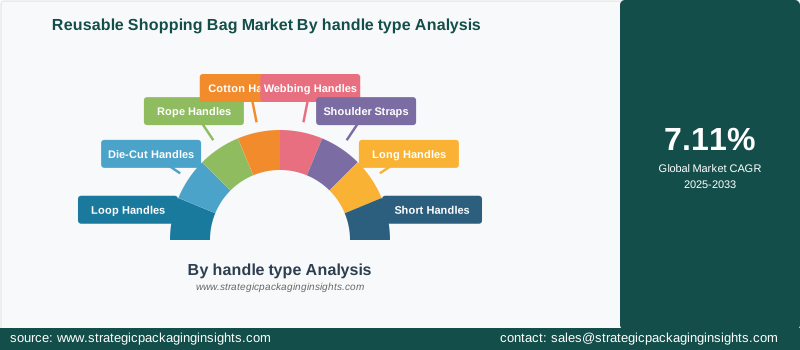
The emphasis on sustainability is driving demand for bags made from recycled and biodegradable materials, with a focus on durability and functionality. These changes are influencing purchasing decisions and creating new market opportunities for manufacturers and retailers. The growing importance of sustainability is also impacting supplier requirements, with companies seeking partners that align with their environmental goals and values.
By Capacity Analysis
The Reusable Shopping Bag market is segmented by capacity, with bags less than 5 Kg being the largest segment due to their convenience and ease of use. The shift towards sustainable materials and product differentiation is driving demand for reusable shopping bags across various applications, including retail, grocery, and e-commerce. Companies are investing in product development and marketing strategies to meet evolving consumer needs and enhance their competitive positioning.
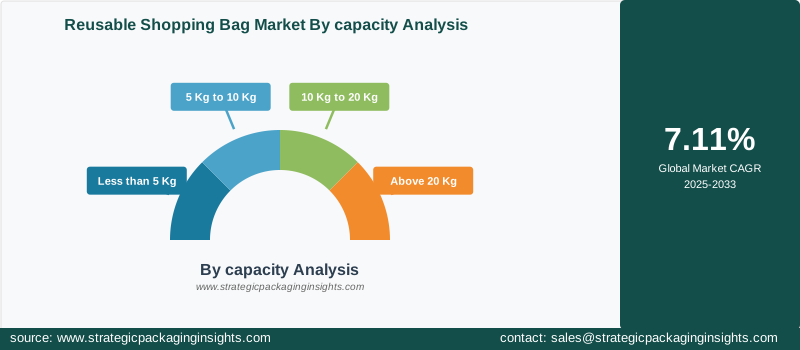
The emphasis on sustainability is driving demand for bags made from recycled and biodegradable materials, with a focus on durability and functionality. These changes are influencing purchasing decisions and creating new market opportunities for manufacturers and retailers. The growing importance of sustainability is also impacting supplier requirements, with companies seeking partners that align with their environmental goals and values.
By Application Analysis
The Reusable Shopping Bag market is segmented by application, with retail being the largest segment due to the growing demand for eco-friendly products. The shift towards sustainable materials and product differentiation is driving demand for reusable shopping bags across various applications, including retail, grocery, and e-commerce. Companies are investing in product development and marketing strategies to meet evolving consumer needs and enhance their competitive positioning.
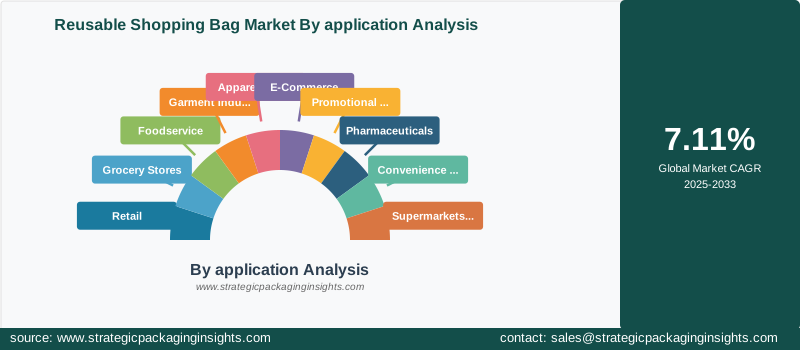
The emphasis on sustainability is driving demand for bags made from recycled and biodegradable materials, with a focus on durability and functionality. These changes are influencing purchasing decisions and creating new market opportunities for manufacturers and retailers. The growing importance of sustainability is also impacting supplier requirements, with companies seeking partners that align with their environmental goals and values.
By End Use Analysis
The Reusable Shopping Bag market is segmented by end use, with grocery and food being the largest segment due to the growing demand for eco-friendly products. The shift towards sustainable materials and product differentiation is driving demand for reusable shopping bags across various applications, including retail, grocery, and e-commerce. Companies are investing in product development and marketing strategies to meet evolving consumer needs and enhance their competitive positioning.
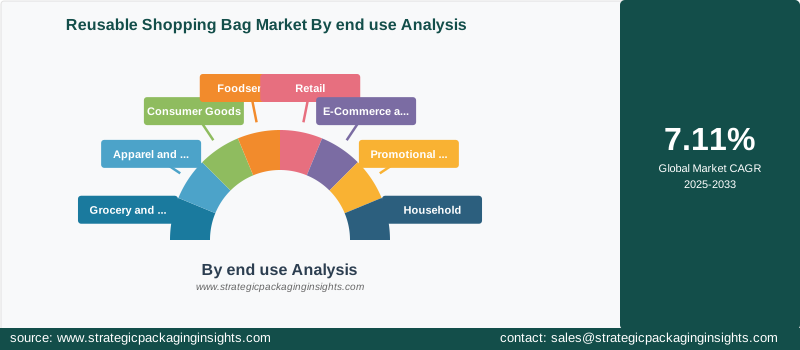
The emphasis on sustainability is driving demand for bags made from recycled and biodegradable materials, with a focus on durability and functionality. These changes are influencing purchasing decisions and creating new market opportunities for manufacturers and retailers. The growing importance of sustainability is also impacting supplier requirements, with companies seeking partners that align with their environmental goals and values.
By Functionality Analysis
The Reusable Shopping Bag market is segmented by functionality, with heavy-duty carrying being the largest segment due to the growing demand for durable and functional products. The shift towards sustainable materials and product differentiation is driving demand for reusable shopping bags across various applications, including retail, grocery, and e-commerce. Companies are investing in product development and marketing strategies to meet evolving consumer needs and enhance their competitive positioning.
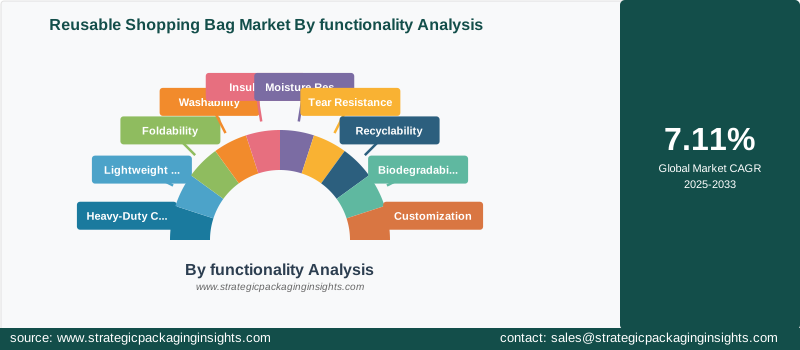
The emphasis on sustainability is driving demand for bags made from recycled and biodegradable materials, with a focus on durability and functionality. These changes are influencing purchasing decisions and creating new market opportunities for manufacturers and retailers. The growing importance of sustainability is also impacting supplier requirements, with companies seeking partners that align with their environmental goals and values.
By Distribution Channel Analysis
The Reusable Shopping Bag market is segmented by distribution channel, with retail stores being the largest segment due to the growing demand for eco-friendly products. The shift towards sustainable materials and product differentiation is driving demand for reusable shopping bags across various applications, including retail, grocery, and e-commerce. Companies are investing in product development and marketing strategies to meet evolving consumer needs and enhance their competitive positioning.
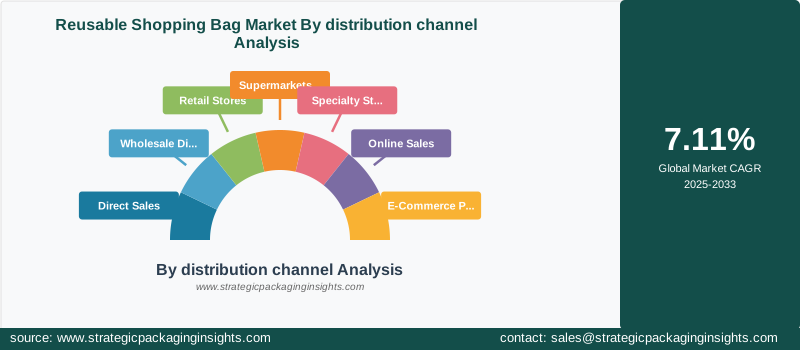
The emphasis on sustainability is driving demand for bags made from recycled and biodegradable materials, with a focus on durability and functionality. These changes are influencing purchasing decisions and creating new market opportunities for manufacturers and retailers. The growing importance of sustainability is also impacting supplier requirements, with companies seeking partners that align with their environmental goals and values.
By Price Range Analysis
The Reusable Shopping Bag market is segmented by price range, with economy being the largest segment due to the growing demand for affordable and eco-friendly products. The shift towards sustainable materials and product differentiation is driving demand for reusable shopping bags across various applications, including retail, grocery, and e-commerce. Companies are investing in product development and marketing strategies to meet evolving consumer needs and enhance their competitive positioning.
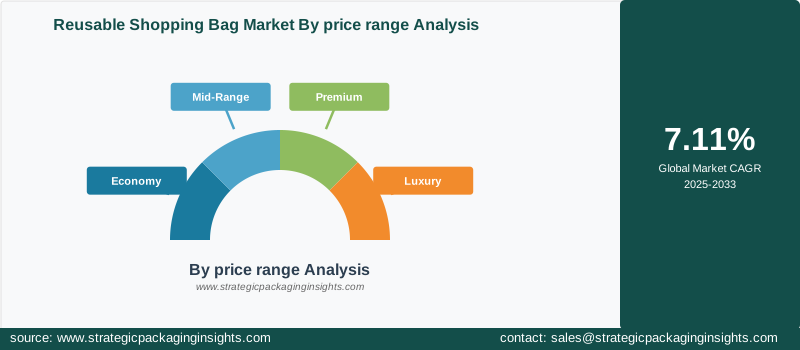
The emphasis on sustainability is driving demand for bags made from recycled and biodegradable materials, with a focus on durability and functionality. These changes are influencing purchasing decisions and creating new market opportunities for manufacturers and retailers. The growing importance of sustainability is also impacting supplier requirements, with companies seeking partners that align with their environmental goals and values.
Top 10 Companies in the Reusable Shopping Bag Market
Vicbag Group (France)
Vicbag Group is a leading player in the Reusable Shopping Bag market, focusing on sustainable materials and product innovation. The company has a strong presence in Europe and is investing in advanced technologies to enhance production capabilities and reduce environmental impact.
Command Packaging (USA)
Command Packaging is a key player in the Reusable Shopping Bag market, with a focus on product differentiation and customization. The company is leveraging online platforms and retail partnerships to reach a wider audience and enhance its market presence.
ShuYe Environmental Technology (China)
ShuYe Environmental Technology is a leading manufacturer of Reusable Shopping Bags, focusing on sustainable materials and product innovation. The company has a strong presence in Asia Pacific and is investing in advanced technologies to enhance production capabilities and reduce environmental impact.
Xiongwei Woven Product (China)
Xiongwei Woven Product is a key player in the Reusable Shopping Bag market, with a focus on product differentiation and customization. The company is leveraging online platforms and retail partnerships to reach a wider audience and enhance its market presence.
Netpak Ambalaj (Turkey)
Netpak Ambalaj is a leading manufacturer of Reusable Shopping Bags, focusing on sustainable materials and product innovation. The company has a strong presence in Europe and is investing in advanced technologies to enhance production capabilities and reduce environmental impact.
Earthwise Bag Company (USA)
Earthwise Bag Company is a key player in the Reusable Shopping Bag market, with a focus on product differentiation and customization. The company is leveraging online platforms and retail partnerships to reach a wider audience and enhance its market presence.
Green Bag (USA)
Green Bag is a leading manufacturer of Reusable Shopping Bags, focusing on sustainable materials and product innovation. The company has a strong presence in North America and is investing in advanced technologies to enhance production capabilities and reduce environmental impact.
Eco Bags (USA)
Eco Bags is a key player in the Reusable Shopping Bag market, with a focus on product differentiation and customization. The company is leveraging online platforms and retail partnerships to reach a wider audience and enhance its market presence.
MIHA J.S.C (Vietnam)
MIHA J.S.C is a leading manufacturer of Reusable Shopping Bags, focusing on sustainable materials and product innovation. The company has a strong presence in Asia Pacific and is investing in advanced technologies to enhance production capabilities and reduce environmental impact.
ChicoBag Company (USA)
ChicoBag Company is a key player in the Reusable Shopping Bag market, with a focus on product differentiation and customization. The company is leveraging online platforms and retail partnerships to reach a wider audience and enhance its market presence.
Reusable Shopping Bag Market Segments
The Reusable Shopping Bag market has been segmented on the basis ofBy material
- Polypropylene
- Polyester
- Cotton
- Canvas
- Jute
- Nonwoven Fabric
- Recycled Materials
- Biodegradable Materials
- Other Materials
By product type
- Tote Bags
- Grocery Bags
- Foldable and Collapsible Bags
- Drawstring Bags
- Flat Bags
- Gusseted Bags
- Woven Bags
- Insulated Shopping Bags
- Promotional Bags
- Luxury and Branded Bags
By handle type
- Loop Handles
- Die-Cut Handles
- Rope Handles
- Cotton Handles
- Webbing Handles
- Shoulder Straps
- Long Handles
- Short Handles
By capacity
- Less than 5 Kg
- 5 Kg to 10 Kg
- 10 Kg to 20 Kg
- Above 20 Kg
By application
- Retail
- Grocery Stores
- Foodservice
- Garment Industry
- Apparel and Fashion
- E-Commerce
- Promotional and Advertising
- Pharmaceuticals
- Convenience Stores
- Supermarkets and Hypermarkets
By end use
- Grocery and Food
- Apparel and Fashion
- Consumer Goods
- Foodservice
- Retail
- E-Commerce and Logistics
- Promotional and Advertising
- Household
By functionality
- Heavy-Duty Carrying
- Lightweight Carrying
- Foldability
- Washability
- Insulation
- Moisture Resistance
- Tear Resistance
- Recyclability
- Biodegradability
- Customization
By distribution channel
- Direct Sales
- Wholesale Distributors
- Retail Stores
- Supermarkets and Hypermarkets
- Specialty Stores
- Online Sales
- E-Commerce Platforms
By price range
- Economy
- Mid-Range
- Premium
- Luxury
By region
- North America
- Europe
- Asia Pacific
- Latin America
- Middle East and Africa




