


Reusable Produce Mesh Bag Market Outlook
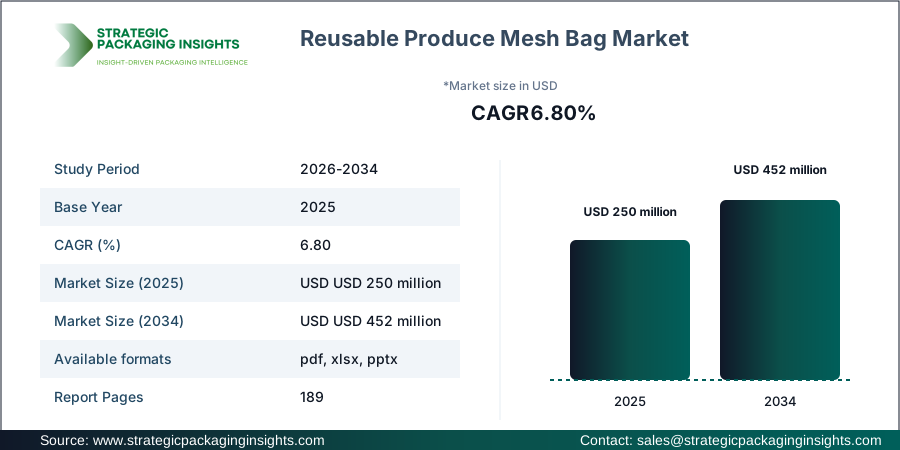
The Reusable Produce Mesh Bag market size was valued at USD 250 million in 2025 and is anticipated to reach USD 452 million by 2034, growing at a CAGR of 6.80% during the forecast period according to Strategic Packaging Insights. The market is witnessing a significant surge in demand due to the increasing consumer awareness regarding sustainable and eco-friendly packaging solutions. Brands like EcoRoots and Simple Ecology are at the forefront, offering innovative and environmentally friendly alternatives to single-use plastic bags. The shift towards reusable produce mesh bags is driven by the growing emphasis on reducing plastic waste and the adoption of sustainable practices by both consumers and retailers.
One of the most impactful drivers of the Reusable Produce Mesh Bag market is the stringent regulations imposed by governments worldwide to curb plastic pollution. For instance, several countries have implemented bans or taxes on single-use plastic bags, encouraging the adoption of reusable alternatives. This regulatory push, coupled with the rising environmental consciousness among consumers, is propelling the market forward. Brands such as ChicoBag and Flip & Tumble are capitalizing on this trend by offering a wide range of reusable mesh bags that cater to different consumer needs and preferences. The market is poised for substantial growth as more consumers and retailers embrace sustainable packaging solutions.
Report Scope
| Attributes | Details |
| Report Title | Reusable Produce Mesh Bag Market Size, Future Growth and Forecast 2034 |
| By Material | Cotton Mesh, Polyester (rPET) Mesh, Nylon Mesh, Jute / Hemp |
| By Closure | Drawstring, Zipper, Open Top |
| By Distribution | Supermarkets & Grocery, Online Retail, Specialty Eco Stores |
| By End Use | Household Grocery Shopping, Retail Produce Merchandising |
| By Region | North America (U.S., Canada, Mexico), Europe (Germany, UK, France, Italy, Spain, Rest of Europe), Asia Pacific (China, India, Japan, South Korea, Australia, Rest of Asia Pacific), Latin America (Brazil, Argentina, Rest of Latin America), Middle East & Africa (GCC Countries, South Africa, Rest of MEA) |
| Base Year | 2025 |
| Historic Period | 2018-2024 |
| Forecast Period | 2026-2034 |
| Number of Pages | 189 |
| Customization Available | Yes* |
Sustainability & Circular Economy Analysis
Sustainability initiatives and circular economy practices are significantly influencing the Reusable Produce Mesh Bag market. The focus on recyclable materials and reusable packaging is driving innovation in the design and manufacturing of these bags. Companies are increasingly using eco-friendly materials such as cotton, jute, and recycled polyester to produce mesh bags that are not only durable but also environmentally sustainable. This shift towards sustainable materials is in line with consumer preferences for eco-friendly products and is helping brands like Purifyou and Colony Co. gain a competitive edge in the market.
The emphasis on waste reduction strategies and extended producer responsibility (EPR) is also shaping the market dynamics. Brands are adopting lightweight packaging solutions to minimize their carbon footprint and enhance the overall sustainability of their products. This trend is influencing investment decisions and supply chain strategies, as companies strive to align their operations with environmental, social, and governance (ESG) initiatives. The integration of sustainable practices is not only enhancing the market competitiveness of reusable produce mesh bags but also ensuring compliance with evolving packaging regulations.
Furthermore, the growing consumer demand for sustainable packaging solutions is prompting retailers and brand owners to invest in eco-friendly packaging options. The adoption of reusable produce mesh bags is becoming a key differentiator for brands looking to appeal to environmentally conscious consumers. This trend is expected to drive long-term market competitiveness and foster innovation in packaging design and manufacturing processes. As the market continues to evolve, companies that prioritize sustainability and circular economy practices are likely to emerge as leaders in the reusable produce mesh bag industry.
Packaging Value Chain & Supply Chain Analysis
The packaging value chain for reusable produce mesh bags involves several key components, including raw material sourcing, manufacturing, and distribution. The availability of sustainable raw materials such as cotton, jute, and recycled polyester is crucial for the production of eco-friendly mesh bags. Packaging converters and manufacturers play a vital role in transforming these materials into high-quality, durable products that meet consumer demands. Companies like Onya and Credo Bags are leveraging their expertise in sustainable packaging to create innovative solutions that cater to the growing demand for reusable produce mesh bags.
Supply chain efficiency is a critical factor influencing the overall market performance and competitiveness of reusable produce mesh bags. Efficient logistics and distribution channels are essential for ensuring timely delivery of products to retailers and consumers. Strategic partnerships with logistics providers and retailers are helping brands optimize their supply chain operations and enhance their market reach. The integration of advanced packaging machinery and inventory management systems is further improving supply chain resilience and enabling companies to respond effectively to changing market dynamics.
Global sourcing and localization strategies are also shaping the packaging value chain for reusable produce mesh bags. Companies are increasingly focusing on local production and sourcing to reduce transportation costs and minimize their environmental impact. This trend is driving investment in local manufacturing facilities and fostering collaboration with regional suppliers. By adopting sustainable procurement strategies and enhancing their production capabilities, brands are positioning themselves for long-term success in the competitive reusable produce mesh bag market.
Opportunities & Threats
The Reusable Produce Mesh Bag market presents several opportunities for growth and innovation. One of the key opportunities lies in the expanding consumer base that is increasingly prioritizing sustainability and eco-friendly products. As more consumers become aware of the environmental impact of single-use plastics, the demand for reusable produce mesh bags is expected to rise significantly. This trend is creating opportunities for brands to develop innovative products that cater to diverse consumer needs and preferences. Companies that can effectively communicate the environmental benefits of their products are likely to gain a competitive advantage in the market.
Another opportunity in the market is the growing adoption of reusable produce mesh bags by retailers and grocery stores. As retailers seek to align their operations with sustainability goals and reduce their environmental footprint, they are increasingly offering reusable mesh bags as an alternative to plastic bags. This shift is creating opportunities for brands to collaborate with retailers and expand their distribution networks. By establishing strategic partnerships with key retailers, companies can enhance their market presence and drive sales growth.
Despite the promising opportunities, the Reusable Produce Mesh Bag market also faces certain threats. One of the primary challenges is the competition from alternative sustainable packaging solutions, such as biodegradable bags and compostable packaging. These alternatives are gaining traction among environmentally conscious consumers and may pose a threat to the growth of reusable produce mesh bags. Additionally, fluctuations in raw material prices and supply chain disruptions can impact the production and availability of reusable mesh bags, posing a risk to market stability.
Drivers & Challenges
The Reusable Produce Mesh Bag market is driven by several key factors, including the increasing consumer awareness of environmental issues and the growing demand for sustainable packaging solutions. The shift towards eco-friendly products is being fueled by the rising concerns about plastic pollution and its impact on the environment. As consumers become more conscious of their purchasing decisions, they are opting for reusable produce mesh bags as a sustainable alternative to single-use plastic bags. This trend is driving market growth and encouraging brands to innovate and develop new products that meet consumer expectations.
Another significant driver of the market is the regulatory support for sustainable packaging solutions. Governments worldwide are implementing policies and regulations to reduce plastic waste and promote the use of eco-friendly alternatives. These regulatory measures are encouraging retailers and consumers to adopt reusable produce mesh bags, thereby boosting market demand. Brands that can effectively navigate the regulatory landscape and align their operations with sustainability goals are likely to thrive in the competitive market environment.
However, the market also faces several challenges that could hinder its growth. One of the primary challenges is the high cost of production associated with sustainable materials and manufacturing processes. The use of eco-friendly materials such as organic cotton and recycled polyester can increase production costs, making reusable produce mesh bags more expensive than conventional plastic bags. This price disparity can be a barrier to widespread adoption, particularly in price-sensitive markets. Additionally, the lack of consumer awareness and education about the benefits of reusable produce mesh bags can also pose a challenge to market growth.
Market Share Analysis
The competitive landscape of the Reusable Produce Mesh Bag market is characterized by the presence of several key players that are driving innovation and growth in the industry. Companies like EcoRoots, Simple Ecology, and ChicoBag are leading the market with their commitment to sustainability and eco-friendly packaging solutions. These brands are leveraging their expertise in sustainable materials and manufacturing processes to develop high-quality reusable produce mesh bags that cater to the evolving needs of consumers and retailers.
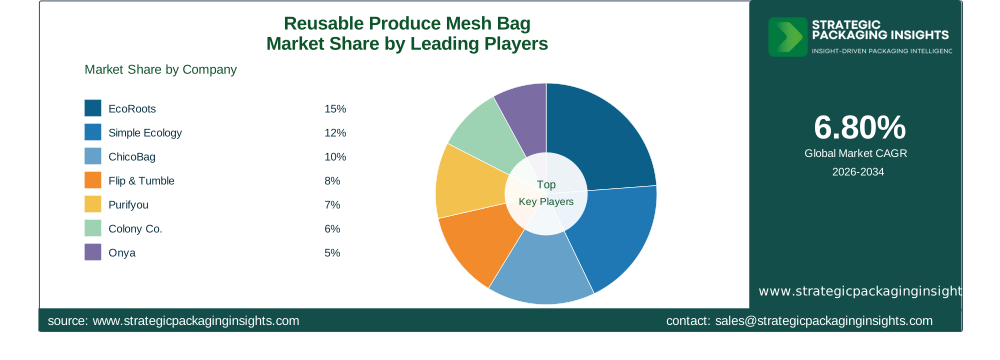
EcoRoots is a prominent player in the market, known for its wide range of eco-friendly products, including reusable produce mesh bags. The company focuses on using sustainable materials such as organic cotton and recycled polyester to create durable and environmentally friendly packaging solutions. Simple Ecology is another key player that is gaining traction in the market with its innovative designs and commitment to sustainability. The company's reusable produce mesh bags are designed to reduce plastic waste and promote sustainable living.
ChicoBag is a well-established brand in the reusable produce mesh bag market, offering a diverse range of products that cater to different consumer needs. The company's focus on sustainability and innovation has helped it maintain a strong market presence and attract a loyal customer base. Flip & Tumble is another notable player that is making waves in the market with its unique designs and commitment to reducing plastic waste. The company's reusable produce mesh bags are designed to be lightweight, durable, and easy to use, making them a popular choice among environmentally conscious consumers.
Other key players in the market include Purifyou, Colony Co., Onya, and Credo Bags, each of which is contributing to the growth and development of the reusable produce mesh bag industry. These companies are investing in research and development to create innovative products that meet the changing demands of consumers and retailers. By focusing on sustainability and eco-friendly packaging solutions, these brands are positioning themselves for long-term success in the competitive market environment.
Key Highlights
- Market Size: The Reusable Produce Mesh Bag market was valued at USD 250 million in 2025 and is projected to reach USD 452 million by 2034.
- Growth Rate: The market is expected to grow at a CAGR of 6.80% during the forecast period.
- Leading Brands: Key players include EcoRoots, Simple Ecology, ChicoBag, and Flip & Tumble.
- Material Trends: Increasing use of sustainable materials like cotton, jute, and recycled polyester.
- Regulatory Impact: Government regulations promoting eco-friendly packaging are driving market growth.
- Consumer Demand: Rising consumer awareness of environmental issues is boosting demand for reusable produce mesh bags.
- Regional Insights: Asia Pacific is expected to witness significant growth due to increasing environmental awareness.
Reusable Produce Mesh Bag Market Segments Insights

By Material Analysis
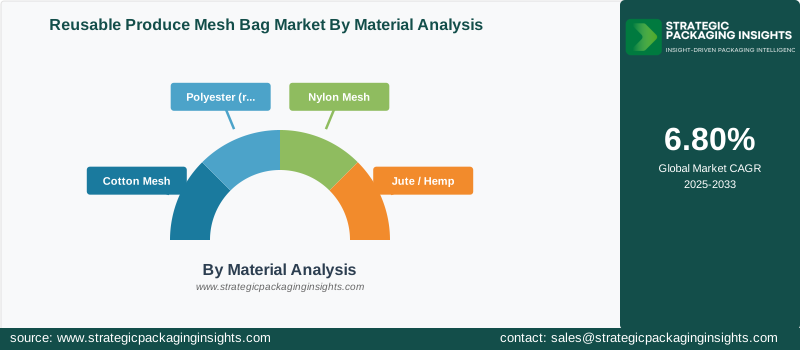
The material segment of the Reusable Produce Mesh Bag market is witnessing significant growth, driven by the increasing demand for sustainable and eco-friendly packaging solutions. Cotton mesh bags are gaining popularity due to their biodegradability and durability, making them a preferred choice among environmentally conscious consumers. Polyester (rPET) mesh bags, made from recycled plastic bottles, are also gaining traction as they offer a sustainable alternative to traditional plastic bags. Nylon mesh bags, known for their strength and flexibility, are being used in various applications, while jute and hemp bags are favored for their natural and biodegradable properties. The growing consumer preference for sustainable materials is driving innovation and competition in the market.
Brands like EcoRoots and Simple Ecology are leading the way in the material segment by offering a wide range of reusable produce mesh bags made from sustainable materials. These companies are focusing on product innovation and design to cater to the diverse needs of consumers and retailers. The increasing awareness of the environmental impact of single-use plastics is encouraging consumers to opt for reusable produce mesh bags, thereby driving market growth. As more consumers and retailers embrace sustainable packaging solutions, the demand for reusable produce mesh bags made from eco-friendly materials is expected to rise significantly.
By Closure Analysis
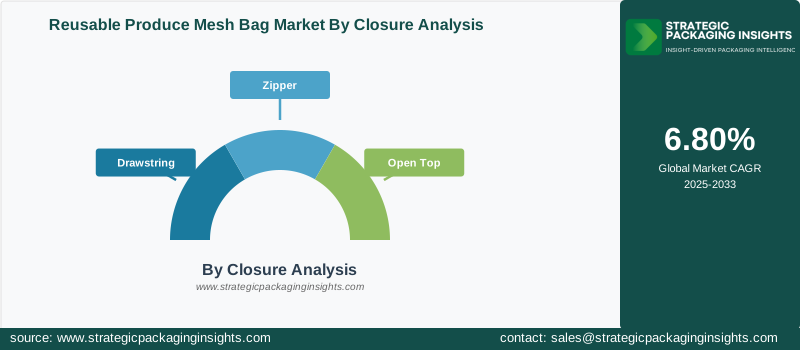
The closure segment of the Reusable Produce Mesh Bag market is characterized by the presence of various options, including drawstring, zipper, and open top closures. Drawstring closures are the most popular choice among consumers due to their ease of use and versatility. These bags are ideal for carrying a variety of produce items and are favored by consumers for their convenience and practicality. Zipper closures, on the other hand, offer added security and are preferred by consumers who prioritize the safety and protection of their produce. Open top closures are commonly used for larger produce items and are favored for their simplicity and ease of access.
Brands like ChicoBag and Flip & Tumble are offering a wide range of reusable produce mesh bags with different closure options to cater to the diverse needs of consumers. The growing demand for convenience and functionality is driving innovation in the closure segment, with companies focusing on developing user-friendly and practical solutions. As consumers continue to seek out reusable produce mesh bags that offer convenience and ease of use, the closure segment is expected to witness significant growth in the coming years.
By Distribution Analysis
The distribution segment of the Reusable Produce Mesh Bag market is witnessing significant growth, driven by the increasing availability of these bags in various retail channels. Supermarkets and grocery stores are the primary distribution channels for reusable produce mesh bags, as they offer consumers the convenience of purchasing these bags alongside their regular grocery shopping. Online retail is also gaining traction as a distribution channel, with consumers increasingly opting for the convenience of online shopping. Specialty eco stores, which focus on sustainable and eco-friendly products, are also playing a crucial role in the distribution of reusable produce mesh bags.
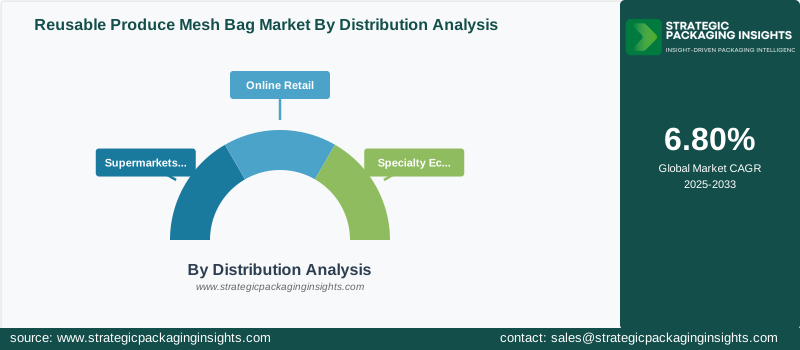
Brands like Purifyou and Colony Co. are leveraging their distribution networks to expand their market reach and cater to the growing demand for reusable produce mesh bags. The increasing consumer preference for sustainable packaging solutions is driving retailers to offer a wide range of reusable produce mesh bags, thereby boosting market growth. As more consumers and retailers embrace sustainable practices, the distribution segment is expected to witness significant growth in the coming years.
By End Use Analysis
The end-use segment of the Reusable Produce Mesh Bag market is characterized by the presence of two primary applications: household grocery shopping and retail produce merchandising. Household grocery shopping is the largest end-use segment, driven by the increasing consumer awareness of the environmental impact of single-use plastics. Consumers are increasingly opting for reusable produce mesh bags as a sustainable alternative to plastic bags, thereby driving market growth. Retail produce merchandising is also gaining traction as retailers seek to align their operations with sustainability goals and reduce their environmental footprint.
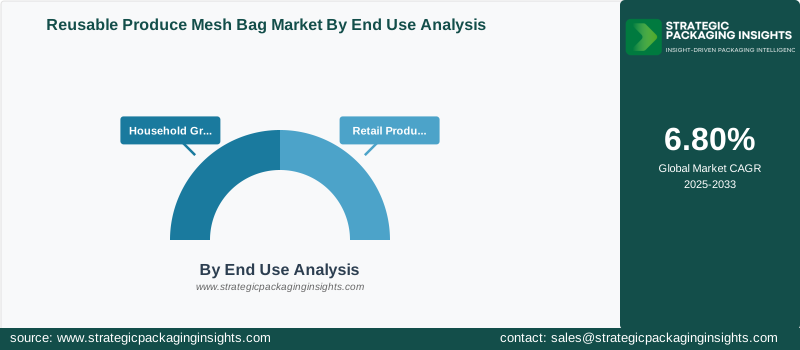
Brands like Onya and Credo Bags are focusing on developing innovative products that cater to the diverse needs of consumers and retailers. The growing demand for sustainable packaging solutions is driving innovation in the end-use segment, with companies focusing on developing products that offer convenience, functionality, and sustainability. As more consumers and retailers embrace sustainable practices, the end-use segment is expected to witness significant growth in the coming years.
Reusable Produce Mesh Bag Market Segments
The Reusable Produce Mesh Bag market has been segmented on the basis ofBy Material
- Cotton Mesh
- Polyester (rPET) Mesh
- Nylon Mesh
- Jute / Hemp
By Closure
- Drawstring
- Zipper
- Open Top
By Distribution
- Supermarkets & Grocery
- Online Retail
- Specialty Eco Stores
By End Use
- Household Grocery Shopping
- Retail Produce Merchandising
By Region
- North America (U.S., Canada, Mexico)
- Europe (Germany, UK, France, Italy, Spain, Rest of Europe)
- Asia Pacific (China, India, Japan, South Korea, Australia, Rest of Asia Pacific)
- Latin America (Brazil, Argentina, Rest of Latin America)
- Middle East & Africa (GCC Countries, South Africa, Rest of MEA)




