


Reusable Packing Market Outlook
The reusable packing market was valued at $66.94 billion in 2025 and is projected to reach $121.85 billion by 2034, growing at a CAGR of 6.9% during the forecast period 2026-2034. This market is witnessing significant growth due to the increasing demand for sustainable and cost-effective packaging solutions. The shift towards eco-friendly practices in logistics and supply chain management is a major driver, as companies aim to reduce their carbon footprint and operational costs. The adoption of reusable packing solutions is further fueled by advancements in material technology, which enhance the durability and lifespan of packing products. Additionally, the rise in e-commerce and global trade activities is boosting the demand for efficient and reliable packing solutions, thereby propelling market growth.
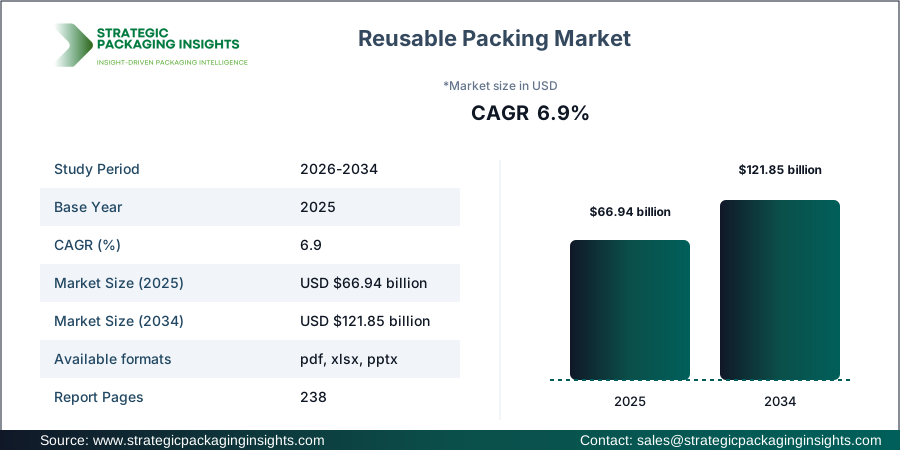
However, the market faces challenges such as high initial investment costs and the need for a robust reverse logistics infrastructure. Regulatory frameworks and standards related to packaging waste management are also influencing market dynamics, as companies strive to comply with environmental regulations. Despite these challenges, the reusable packing market holds immense growth potential, driven by innovations in design and material science. The increasing awareness among consumers and businesses about the environmental impact of single-use packaging is expected to create lucrative opportunities for market players. As the industry evolves, companies are focusing on developing smart and connected packing solutions that offer real-time tracking and monitoring capabilities, further enhancing the value proposition of reusable packing.
Report Scope
| Attributes | Details |
| Report Title | Reusable Packing Market Size, Future Growth and Forecast 2034 |
| Product Type | Pallets, Crates, Containers, Dunnage |
| Material Type | Plastic, Metal, Wood, Composite |
| Application | Industrial Transport, Retail Logistics, Food Distribution, Automotive Supply Chain |
| End Use | Logistics, Automotive, Food & Beverage, Retail |
| Region | Asia Pacific, North America, Latin America, Europe, Middle East & Africa |
| Base Year | 2025 |
| Historic Period | 2018-2024 |
| Forecast Period | 2026-2034 |
| Number of Pages | 238 |
| Customization Available | Yes* |
Opportunities & Threats
The reusable packing market presents numerous opportunities, particularly in the realm of sustainability and environmental conservation. As global awareness about environmental issues grows, businesses are increasingly adopting green practices, including the use of reusable packing solutions. This shift is driven by both regulatory pressures and consumer demand for eco-friendly products. Companies that invest in innovative, sustainable packing solutions stand to gain a competitive edge, as they align with the growing trend towards circular economies. Furthermore, advancements in material technology, such as biodegradable and recyclable materials, offer new avenues for product development and differentiation in the market.
Another significant opportunity lies in the integration of technology with reusable packing solutions. The advent of smart packaging, which incorporates sensors and IoT technology, allows for enhanced tracking, monitoring, and management of packing assets. This not only improves operational efficiency but also provides valuable data insights for supply chain optimization. As businesses increasingly prioritize transparency and traceability, the demand for smart reusable packing solutions is expected to rise, creating new growth prospects for market players. Additionally, the expansion of e-commerce and global trade activities is driving the need for efficient and reliable packing solutions, further boosting market opportunities.
Despite the promising opportunities, the reusable packing market faces certain threats that could hinder its growth. One of the primary challenges is the high initial investment required for adopting reusable packing solutions. This includes the cost of purchasing durable packing products and establishing a reverse logistics infrastructure for their collection, cleaning, and redistribution. Moreover, the market is subject to regulatory challenges, as governments worldwide implement stringent packaging waste management policies. Companies must navigate these regulations while ensuring compliance, which can be a complex and costly process. Additionally, the market faces competition from traditional single-use packaging solutions, which are often cheaper and more readily available, posing a threat to the widespread adoption of reusable packing.
Drivers & Challenges
One of the key drivers of the reusable packing market is the increasing emphasis on sustainability and environmental responsibility. As businesses and consumers become more conscious of their environmental impact, there is a growing demand for eco-friendly packaging solutions. Reusable packing offers a sustainable alternative to single-use packaging, reducing waste and conserving resources. This shift towards sustainable practices is further supported by government regulations and initiatives aimed at promoting circular economies and reducing packaging waste. As a result, companies are increasingly adopting reusable packing solutions to align with these trends and meet regulatory requirements.
Another significant driver is the cost-effectiveness of reusable packing solutions. While the initial investment may be higher compared to traditional packaging, reusable packing offers long-term cost savings through reduced material consumption and waste disposal costs. Additionally, reusable packing solutions are designed for durability and longevity, allowing for multiple uses and reducing the need for frequent replacements. This not only lowers operational costs but also enhances supply chain efficiency. As businesses seek to optimize their operations and reduce costs, the demand for reusable packing solutions is expected to grow, driving market expansion.
However, the market also faces several challenges that could impede its growth. One of the primary challenges is the need for a robust reverse logistics infrastructure to support the collection, cleaning, and redistribution of reusable packing products. Establishing such an infrastructure can be complex and costly, particularly for small and medium-sized enterprises. Additionally, the market is subject to regulatory challenges, as companies must comply with various packaging waste management policies and standards. Navigating these regulations can be a complex and resource-intensive process, posing a challenge for market players. Furthermore, the market faces competition from traditional single-use packaging solutions, which are often cheaper and more readily available, making it difficult for reusable packing solutions to gain widespread adoption.
Market Share Analysis
The reusable packing market is characterized by a competitive landscape with several key players vying for market share. Companies such as Brambles, Schoeller Allibert, ORBIS, IFCO, Tosca, Rehrig Pacific, DS Smith Plastics, Craemer, IPL Plastics, and Nefab are prominent players in the market, each offering a range of reusable packing solutions. These companies are focused on expanding their product portfolios and enhancing their market presence through strategic partnerships, acquisitions, and innovations. The competitive landscape is further intensified by the presence of regional players who cater to specific markets and customer needs.
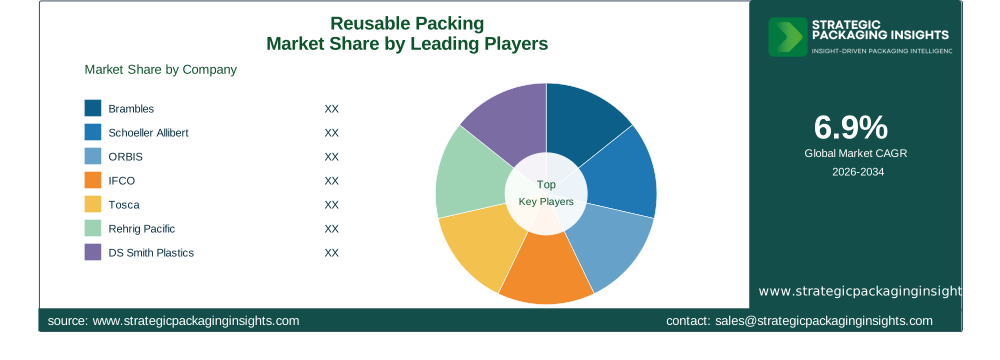
Brambles, a leading player in the reusable packing market, holds a significant market share due to its extensive product offerings and global presence. The company is known for its innovative solutions and commitment to sustainability, which have helped it maintain a strong position in the market. Schoeller Allibert is another major player, renowned for its expertise in designing and manufacturing reusable plastic packaging solutions. The company's focus on innovation and customer-centric solutions has enabled it to capture a substantial share of the market.
ORBIS and IFCO are also key players in the reusable packing market, with a strong focus on providing sustainable and cost-effective solutions. ORBIS is known for its durable and versatile packaging products, while IFCO specializes in reusable plastic containers for the fresh food supply chain. Both companies have established themselves as leaders in the market through their commitment to quality and customer satisfaction. Tosca, Rehrig Pacific, and DS Smith Plastics are other notable players, each offering a range of reusable packing solutions tailored to specific industries and applications.
Craemer, IPL Plastics, and Nefab are also prominent players in the reusable packing market, with a focus on innovation and sustainability. Craemer is known for its high-quality plastic pallets and containers, while IPL Plastics offers a wide range of reusable packaging solutions for various industries. Nefab, on the other hand, specializes in providing customized packaging solutions that meet the unique needs of its customers. These companies are continuously investing in research and development to enhance their product offerings and maintain their competitive edge in the market.
Key Highlights
- The reusable packing market is projected to grow from $66.94 billion in 2025 to $121.85 billion by 2034, at a CAGR of 6.9%.
- Key drivers include the increasing emphasis on sustainability and cost-effectiveness of reusable packing solutions.
- Challenges include high initial investment costs and the need for a robust reverse logistics infrastructure.
- Opportunities exist in the integration of technology with reusable packing solutions, such as smart packaging.
- Brambles, Schoeller Allibert, and ORBIS are among the leading players in the market.
- Government regulations and initiatives promoting circular economies are influencing market dynamics.
- The market faces competition from traditional single-use packaging solutions.
Top Countries Insights
In the reusable packing market, the United States stands out as a key player, with a market size of approximately $15 billion and a CAGR of 7%. The country's strong focus on sustainability and environmental responsibility drives the demand for reusable packing solutions. Government regulations and initiatives promoting circular economies further support market growth. Additionally, the presence of major market players and a well-established logistics infrastructure contribute to the country's leadership in the market.
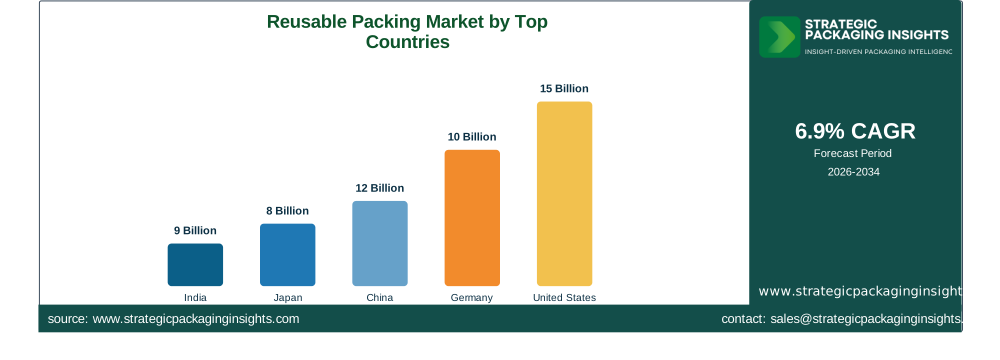
Germany is another significant market for reusable packing, with a market size of around $10 billion and a CAGR of 6%. The country's strong manufacturing sector and emphasis on sustainability drive the demand for reusable packing solutions. Germany's commitment to reducing packaging waste and promoting eco-friendly practices aligns with the growing trend towards circular economies. The presence of leading market players and a robust logistics infrastructure further support market growth in the country.
China is a rapidly growing market for reusable packing, with a market size of approximately $12 billion and a CAGR of 8%. The country's expanding e-commerce sector and increasing focus on sustainability drive the demand for reusable packing solutions. Government initiatives promoting green practices and reducing packaging waste further support market growth. Additionally, the presence of a large consumer base and a well-established logistics infrastructure contribute to the country's leadership in the market.
Japan is another key market for reusable packing, with a market size of around $8 billion and a CAGR of 5%. The country's strong focus on sustainability and environmental responsibility drives the demand for reusable packing solutions. Government regulations and initiatives promoting circular economies further support market growth. Additionally, the presence of major market players and a well-established logistics infrastructure contribute to the country's leadership in the market.
India is a rapidly growing market for reusable packing, with a market size of approximately $9 billion and a CAGR of 9%. The country's expanding e-commerce sector and increasing focus on sustainability drive the demand for reusable packing solutions. Government initiatives promoting green practices and reducing packaging waste further support market growth. Additionally, the presence of a large consumer base and a well-established logistics infrastructure contribute to the country's leadership in the market.
Reusable Packing Market Segments Insights

Product Type Analysis
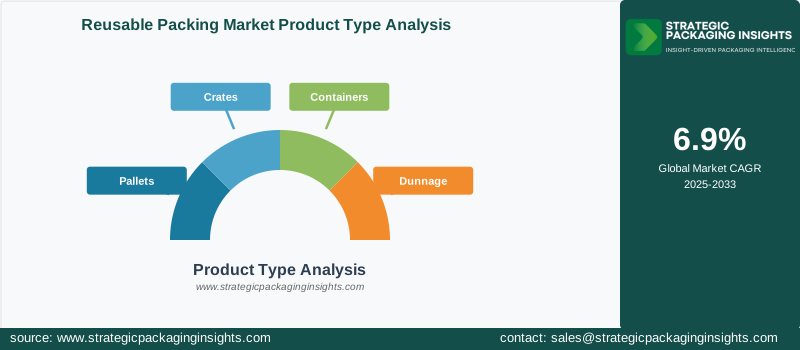
The reusable packing market is segmented by product type into pallets, crates, containers, and dunnage. Pallets are a dominant segment due to their widespread use in logistics and supply chain operations. They offer durability and ease of handling, making them a preferred choice for transporting goods. Crates and containers are also significant segments, driven by their versatility and ability to protect goods during transit. The demand for dunnage is growing as companies seek to optimize space and reduce damage during transportation. Innovations in design and material technology are enhancing the performance and lifespan of these products, further driving market growth.
Within the product type segment, the demand for smart and connected packing solutions is rising. Companies are increasingly adopting pallets and containers equipped with sensors and IoT technology for real-time tracking and monitoring. This trend is driven by the need for transparency and traceability in supply chain operations. Additionally, the focus on sustainability is leading to the development of eco-friendly pallets and crates made from recyclable and biodegradable materials. As businesses prioritize green practices, the demand for sustainable packing solutions is expected to grow, creating new opportunities for market players.
Material Type Analysis
The reusable packing market is segmented by material type into plastic, metal, wood, and composite materials. Plastic is the most widely used material due to its lightweight, durability, and cost-effectiveness. It is favored for its versatility and ability to be molded into various shapes and sizes. Metal is another significant segment, known for its strength and durability, making it suitable for heavy-duty applications. Wood is traditionally used for pallets and crates, offering a natural and sustainable option. Composite materials are gaining traction due to their enhanced performance and environmental benefits.
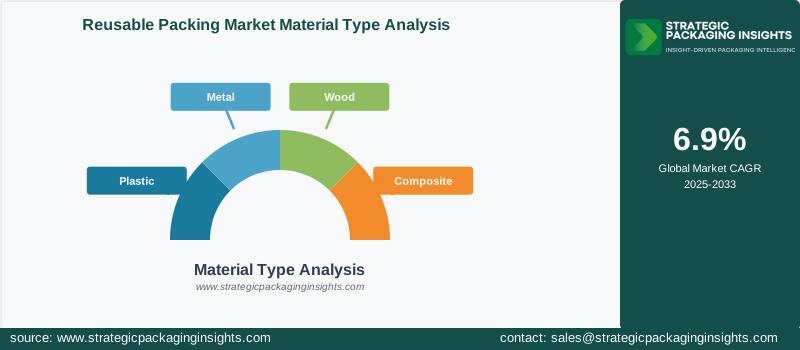
Within the material type segment, the focus on sustainability is driving the demand for eco-friendly materials. Companies are increasingly adopting recyclable and biodegradable plastics to reduce their environmental impact. The development of advanced composite materials that combine the benefits of different materials is also gaining popularity. These materials offer improved strength, durability, and resistance to environmental factors, making them ideal for reusable packing solutions. As businesses prioritize sustainability and cost-effectiveness, the demand for innovative material solutions is expected to grow, driving market expansion.
Application Analysis
The reusable packing market is segmented by application into industrial transport, retail logistics, food distribution, and automotive supply chain. Industrial transport is a dominant segment, driven by the need for durable and reliable packing solutions in manufacturing and distribution operations. Retail logistics is another significant segment, as companies seek to optimize their supply chain operations and reduce costs. The demand for reusable packing solutions in food distribution is growing due to the need for hygienic and temperature-controlled packaging. The automotive supply chain is also a key segment, as manufacturers prioritize efficiency and sustainability in their operations.
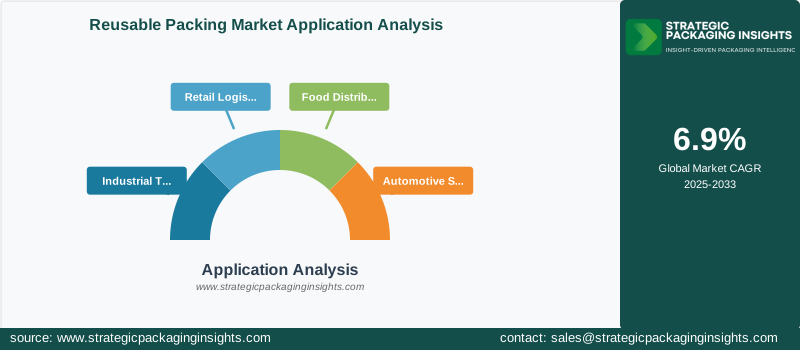
Within the application segment, the integration of technology is transforming the market. Companies are increasingly adopting smart packing solutions that offer real-time tracking and monitoring capabilities. This trend is driven by the need for transparency and traceability in supply chain operations. Additionally, the focus on sustainability is leading to the development of eco-friendly packing solutions for various applications. As businesses prioritize green practices and operational efficiency, the demand for innovative packing solutions is expected to grow, creating new opportunities for market players.
End Use Analysis
The reusable packing market is segmented by end use into logistics, automotive, food & beverage, and retail. Logistics is a dominant segment, driven by the need for efficient and cost-effective packing solutions in transportation and distribution operations. The automotive industry is another significant segment, as manufacturers seek to optimize their supply chain operations and reduce costs. The demand for reusable packing solutions in the food & beverage industry is growing due to the need for hygienic and temperature-controlled packaging. Retail is also a key segment, as companies prioritize sustainability and operational efficiency in their supply chain operations.
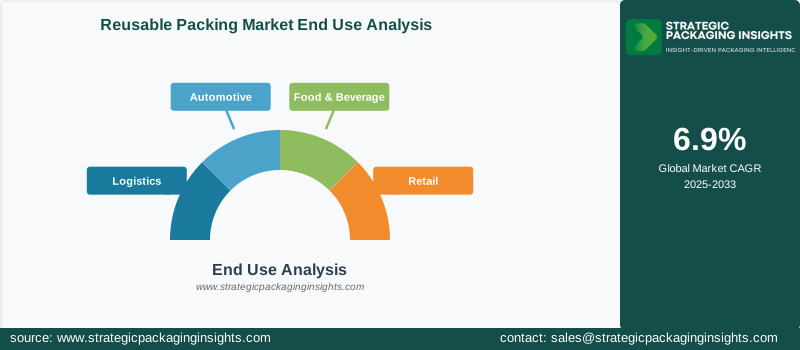
Within the end use segment, the focus on sustainability is driving the demand for eco-friendly packing solutions. Companies are increasingly adopting reusable packing solutions to reduce their environmental impact and comply with regulatory requirements. The integration of technology is also transforming the market, as businesses seek to enhance their supply chain operations with smart and connected packing solutions. As the industry evolves, the demand for innovative and sustainable packing solutions is expected to grow, creating new opportunities for market players.
Reusable Packing Market Segments
The Reusable Packing market has been segmented on the basis ofProduct Type
- Pallets
- Crates
- Containers
- Dunnage
Material Type
- Plastic
- Metal
- Wood
- Composite
Application
- Industrial Transport
- Retail Logistics
- Food Distribution
- Automotive Supply Chain
End Use
- Logistics
- Automotive
- Food & Beverage
- Retail
Region
- Asia Pacific
- North America
- Latin America
- Europe
- Middle East & Africa




