


Reusable Beverage Bottles & Crates under PPWR Targets Market Outlook
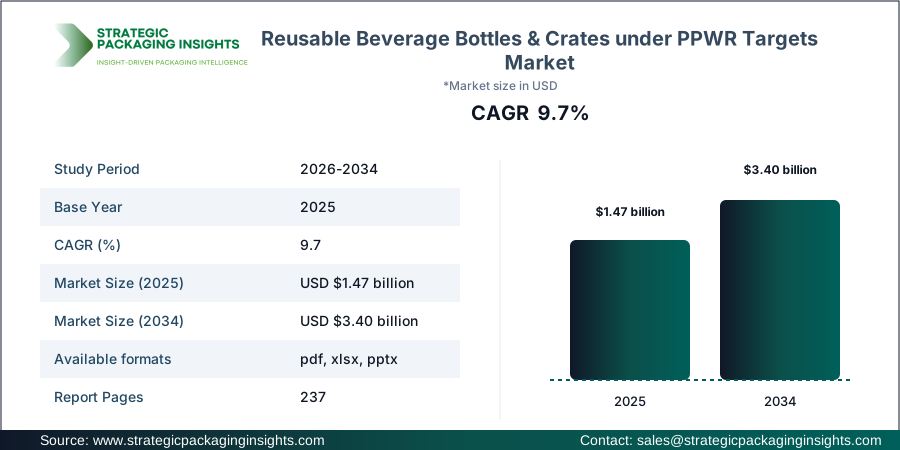
The Reusable Beverage Bottles & Crates under PPWR Targets market was valued at $1.47 billion in 2025 and is projected to reach $3.40 billion by 2034, growing at a CAGR of 9.7% during the forecast period 2026-2034. This market is driven by the increasing demand for sustainable packaging solutions, as consumers and businesses alike are becoming more environmentally conscious. The European Union's PPWR (Packaging and Packaging Waste Regulation) targets are a significant catalyst, pushing companies to adopt reusable packaging to meet stringent environmental standards. The market is also benefiting from technological advancements in material science, which are making reusable bottles and crates more durable and cost-effective.
Despite the promising growth, the market faces challenges such as the high initial investment required for reusable packaging systems and the logistical complexities involved in managing returnable packaging. Regulatory compliance and the need for efficient reverse logistics systems are also restraining factors. However, the potential for growth remains substantial, as innovations in smart packaging and IoT integration offer new opportunities for tracking and managing reusable packaging. The market is poised for expansion as more companies recognize the long-term cost savings and environmental benefits of reusable packaging solutions.
Report Scope
| Attributes | Details |
| Report Title | Reusable Beverage Bottles & Crates under PPWR Targets Market Size, Future Growth and Forecast 2034 |
| By Product Type | Reusable Bottles, Reusable Crates, Returnable Transport Packaging |
| By Material Type | Glass, PET, HDPE, PP |
| By Application | Beer, Soft Drinks, Bottled Water, Dairy |
| By End Use | Beverage Brands, Retailers, Logistics Providers |
| Region | Asia Pacific, North America, Latin America, Europe, Middle East & Africa |
| Base Year | 2025 |
| Historic Period | 2018-2024 |
| Forecast Period | 2026-2034 |
| Number of Pages | 237 |
| Customization Available | Yes* |
Opportunities & Threats
The Reusable Beverage Bottles & Crates market presents numerous opportunities, particularly in the realm of sustainability. As global awareness of environmental issues grows, there is a significant push towards reducing single-use plastics and adopting more sustainable packaging solutions. This shift is creating a fertile ground for the expansion of reusable packaging solutions, as businesses seek to align with consumer preferences and regulatory requirements. Additionally, advancements in material technology are enabling the production of more durable and lightweight reusable bottles and crates, which can significantly reduce transportation costs and carbon footprints. The integration of smart technologies, such as RFID and IoT, into reusable packaging systems is another opportunity, offering enhanced tracking and inventory management capabilities.
Another opportunity lies in the expansion of the market into emerging economies, where the demand for beverages is rising rapidly. As these markets grow, so does the need for efficient and sustainable packaging solutions. Companies that can establish a foothold in these regions stand to benefit significantly. Furthermore, partnerships between packaging manufacturers and beverage companies can lead to innovative solutions that meet both environmental and economic goals. The development of closed-loop systems, where packaging is continuously reused and recycled, is a promising area for growth and innovation.
However, the market is not without its threats. One of the primary challenges is the high initial cost associated with setting up reusable packaging systems. This includes the cost of manufacturing durable packaging, establishing reverse logistics systems, and ensuring compliance with regulatory standards. Additionally, there is a risk of contamination and hygiene issues, particularly in the food and beverage industry, which could deter some companies from adopting reusable solutions. The market also faces competition from alternative sustainable packaging solutions, such as biodegradable and compostable materials, which could limit the growth of reusable packaging.
Drivers & Challenges
The primary drivers of the Reusable Beverage Bottles & Crates market include increasing environmental awareness and regulatory pressures. Governments worldwide are implementing stricter regulations to reduce packaging waste, which is compelling companies to adopt more sustainable practices. The European Union's PPWR targets are a prime example, setting ambitious goals for reducing packaging waste and promoting the use of reusable packaging. Consumer demand for eco-friendly products is also driving the market, as more individuals seek to reduce their environmental impact. This shift in consumer behavior is encouraging beverage companies to invest in reusable packaging solutions that align with their sustainability goals.
Technological advancements are another significant driver, as innovations in material science and smart packaging technologies are making reusable bottles and crates more viable. The development of lightweight, durable materials is reducing the cost and environmental impact of transportation, while smart technologies are enhancing the efficiency of reverse logistics systems. These advancements are making it easier for companies to implement and manage reusable packaging systems, thereby driving market growth. Additionally, the potential for cost savings over the long term is a compelling incentive for companies to invest in reusable packaging solutions.
Despite these drivers, the market faces several challenges. One of the main challenges is the complexity of managing reverse logistics systems, which are essential for the success of reusable packaging. Efficiently collecting, cleaning, and redistributing reusable bottles and crates requires significant investment in infrastructure and technology. Additionally, there are concerns about the hygiene and safety of reusable packaging, particularly in the food and beverage industry. Ensuring that reusable bottles and crates meet stringent health and safety standards is crucial, but it can also be costly and time-consuming. The market also faces competition from other sustainable packaging solutions, which could limit its growth potential.
Market Share Analysis
The competitive landscape of the Reusable Beverage Bottles & Crates market is characterized by the presence of several key players who are driving innovation and growth. Companies such as IFCO Systems, Schoeller Allibert, and ORBIS Corporation are leading the market with their extensive product portfolios and strong focus on sustainability. These companies are investing heavily in research and development to create more durable and cost-effective reusable packaging solutions. Their efforts are supported by strategic partnerships with beverage companies and retailers, which are helping to expand their market reach and influence.
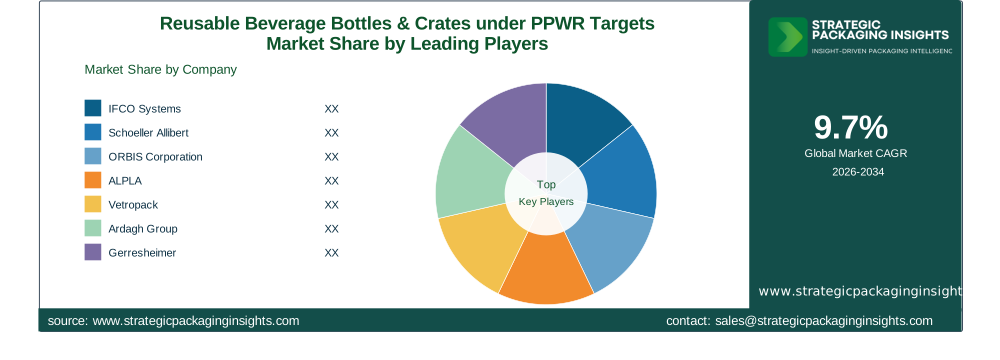
ALPLA and Vetropack are also significant players in the market, known for their expertise in glass and plastic packaging solutions. These companies are leveraging their extensive experience and technological capabilities to develop innovative reusable packaging solutions that meet the needs of the beverage industry. Ardagh Group and Gerresheimer are similarly focused on sustainability, with a strong emphasis on reducing the environmental impact of their packaging products. Their commitment to sustainability is reflected in their efforts to develop closed-loop systems and enhance the recyclability of their products.
Plastipak and KHS are notable for their contributions to the development of PET and HDPE packaging solutions. These companies are at the forefront of material innovation, creating lightweight and durable packaging that reduces transportation costs and environmental impact. Tosca, on the other hand, is known for its expertise in returnable transport packaging, offering solutions that enhance the efficiency of supply chains and reduce waste. Together, these companies are shaping the future of the Reusable Beverage Bottles & Crates market, driving growth through innovation and sustainability.
Key Highlights
- The market is projected to grow from $1.47 billion in 2025 to $3.40 billion by 2034, at a CAGR of 9.7%.
- Increasing environmental awareness and regulatory pressures are key drivers of market growth.
- Technological advancements in material science and smart packaging are enhancing the viability of reusable solutions.
- High initial costs and logistical complexities are significant challenges for market participants.
- Emerging economies present significant growth opportunities for reusable packaging solutions.
- Partnerships between packaging manufacturers and beverage companies are driving innovation.
- Competition from alternative sustainable packaging solutions poses a threat to market growth.
Top Countries Insights
In the Reusable Beverage Bottles & Crates under PPWR Targets market, Germany stands out as a leader, with a market size of $0.45 billion and a CAGR of 8%. The country's strong regulatory framework and commitment to sustainability are key drivers of growth. Germany's focus on reducing packaging waste and promoting circular economy practices is encouraging companies to adopt reusable packaging solutions. Additionally, the presence of leading packaging manufacturers and beverage companies in the country is fostering innovation and collaboration.
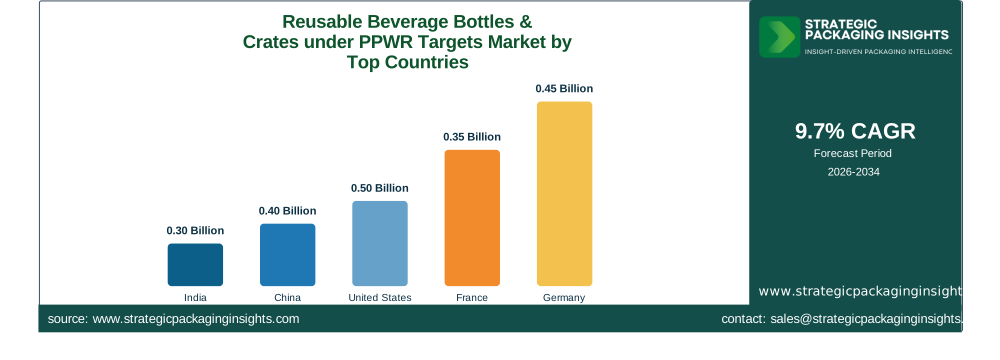
France is another significant market, with a market size of $0.35 billion and a CAGR of 7%. The country's emphasis on reducing single-use plastics and promoting sustainable packaging is driving demand for reusable solutions. France's robust recycling infrastructure and government incentives for sustainable practices are also contributing to market growth. The country's vibrant beverage industry, coupled with consumer demand for eco-friendly products, is further supporting the adoption of reusable packaging.
The United States is a key player in the market, with a market size of $0.50 billion and a CAGR of 9%. The country's large beverage industry and growing consumer awareness of environmental issues are driving demand for reusable packaging solutions. The U.S. market is characterized by a strong focus on innovation, with companies investing in advanced materials and smart technologies to enhance the efficiency of reusable packaging systems. Regulatory pressures and corporate sustainability goals are also encouraging the adoption of reusable solutions.
China is emerging as a significant market, with a market size of $0.40 billion and a CAGR of 10%. The country's rapid economic growth and increasing consumer demand for beverages are driving the need for efficient and sustainable packaging solutions. China's government is actively promoting environmental sustainability, which is encouraging companies to invest in reusable packaging. The country's large manufacturing base and technological capabilities are also supporting market growth.
India is another promising market, with a market size of $0.30 billion and a CAGR of 11%. The country's growing population and rising disposable incomes are driving demand for beverages, creating opportunities for reusable packaging solutions. India's government is implementing policies to reduce plastic waste and promote sustainable practices, which is encouraging companies to adopt reusable packaging. The country's vibrant startup ecosystem is also fostering innovation in the packaging industry.
Reusable Beverage Bottles & Crates under PPWR Targets Market Segments Insights

Product Type Analysis
The product type segment of the Reusable Beverage Bottles & Crates market is divided into reusable bottles, reusable crates, and returnable transport packaging. Reusable bottles are gaining popularity due to their environmental benefits and cost-effectiveness. These bottles are designed to be used multiple times, reducing the need for single-use plastics and minimizing waste. The demand for reusable bottles is driven by consumer preferences for sustainable products and regulatory pressures to reduce packaging waste. Companies are investing in innovative designs and materials to enhance the durability and appeal of reusable bottles, making them a viable alternative to traditional packaging solutions.
Reusable crates are another important segment, offering a durable and efficient solution for transporting beverages. These crates are designed to withstand multiple uses, reducing the need for disposable packaging and minimizing environmental impact. The demand for reusable crates is driven by the need for efficient logistics solutions and the growing emphasis on sustainability in the supply chain. Companies are developing innovative crate designs that enhance stacking efficiency and reduce transportation costs, making them an attractive option for beverage manufacturers and retailers.
Returnable transport packaging is a critical component of the reusable packaging market, offering a sustainable solution for transporting goods. This segment is driven by the need for efficient and cost-effective logistics solutions, as well as regulatory pressures to reduce packaging waste. Companies are investing in advanced materials and technologies to enhance the durability and efficiency of returnable transport packaging, making it a viable alternative to traditional packaging solutions. The demand for returnable transport packaging is expected to grow as companies seek to reduce their environmental impact and improve supply chain efficiency.
Material Type Analysis
The material type segment of the Reusable Beverage Bottles & Crates market includes glass, PET, HDPE, and PP. Glass is a popular choice for reusable bottles due to its durability and recyclability. The demand for glass packaging is driven by consumer preferences for sustainable and premium products, as well as regulatory pressures to reduce plastic waste. Companies are investing in innovative glass designs and technologies to enhance the appeal and functionality of reusable glass bottles, making them a viable alternative to traditional packaging solutions.
PET and HDPE are also important materials in the reusable packaging market, offering a lightweight and durable solution for beverage packaging. The demand for PET and HDPE packaging is driven by the need for cost-effective and environmentally friendly solutions, as well as regulatory pressures to reduce packaging waste. Companies are investing in advanced materials and technologies to enhance the durability and recyclability of PET and HDPE packaging, making them an attractive option for beverage manufacturers and retailers.
PP is another important material in the reusable packaging market, offering a lightweight and durable solution for beverage packaging. The demand for PP packaging is driven by the need for cost-effective and environmentally friendly solutions, as well as regulatory pressures to reduce packaging waste. Companies are investing in advanced materials and technologies to enhance the durability and recyclability of PP packaging, making it an attractive option for beverage manufacturers and retailers.
Application Analysis
The application segment of the Reusable Beverage Bottles & Crates market includes beer, soft drinks, bottled water, and dairy. The demand for reusable packaging in the beer industry is driven by the need for sustainable and cost-effective solutions, as well as regulatory pressures to reduce packaging waste. Companies are investing in innovative designs and materials to enhance the durability and appeal of reusable beer packaging, making it a viable alternative to traditional packaging solutions.
The soft drinks industry is another important segment, with a growing demand for reusable packaging solutions. The demand for reusable packaging in the soft drinks industry is driven by consumer preferences for sustainable products and regulatory pressures to reduce packaging waste. Companies are investing in innovative designs and materials to enhance the durability and appeal of reusable soft drink packaging, making it a viable alternative to traditional packaging solutions.
The bottled water industry is also seeing a growing demand for reusable packaging solutions, driven by consumer preferences for sustainable products and regulatory pressures to reduce packaging waste. Companies are investing in innovative designs and materials to enhance the durability and appeal of reusable bottled water packaging, making it a viable alternative to traditional packaging solutions. The dairy industry is another important segment, with a growing demand for reusable packaging solutions driven by the need for sustainable and cost-effective solutions, as well as regulatory pressures to reduce packaging waste.
End Use Analysis
The end use segment of the Reusable Beverage Bottles & Crates market includes beverage brands, retailers, and logistics providers. Beverage brands are increasingly adopting reusable packaging solutions to align with consumer preferences for sustainable products and regulatory pressures to reduce packaging waste. Companies are investing in innovative designs and materials to enhance the durability and appeal of reusable packaging, making it a viable alternative to traditional packaging solutions.
Retailers are also playing a significant role in the adoption of reusable packaging solutions, driven by the need for sustainable and cost-effective solutions, as well as regulatory pressures to reduce packaging waste. Companies are investing in innovative designs and materials to enhance the durability and appeal of reusable packaging, making it a viable alternative to traditional packaging solutions. Logistics providers are another important segment, with a growing demand for reusable packaging solutions driven by the need for efficient and cost-effective logistics solutions, as well as regulatory pressures to reduce packaging waste.
The demand for reusable packaging solutions is expected to grow as companies seek to reduce their environmental impact and improve supply chain efficiency. Companies are investing in advanced materials and technologies to enhance the durability and efficiency of reusable packaging, making it a viable alternative to traditional packaging solutions. The demand for reusable packaging solutions is expected to grow as companies seek to reduce their environmental impact and improve supply chain efficiency.
Reusable Beverage Bottles & Crates under PPWR Targets Market Segments
The Reusable Beverage Bottles & Crates under PPWR Targets market has been segmented on the basis ofBy Product Type
- Reusable Bottles
- Reusable Crates
- Returnable Transport Packaging
By Material Type
- Glass
- PET
- HDPE
- PP
By Application
- Beer
- Soft Drinks
- Bottled Water
- Dairy
By End Use
- Beverage Brands
- Retailers
- Logistics Providers
Region
- Asia Pacific
- North America
- Latin America
- Europe
- Middle East & Africa




