


Rain Barrel Market Outlook
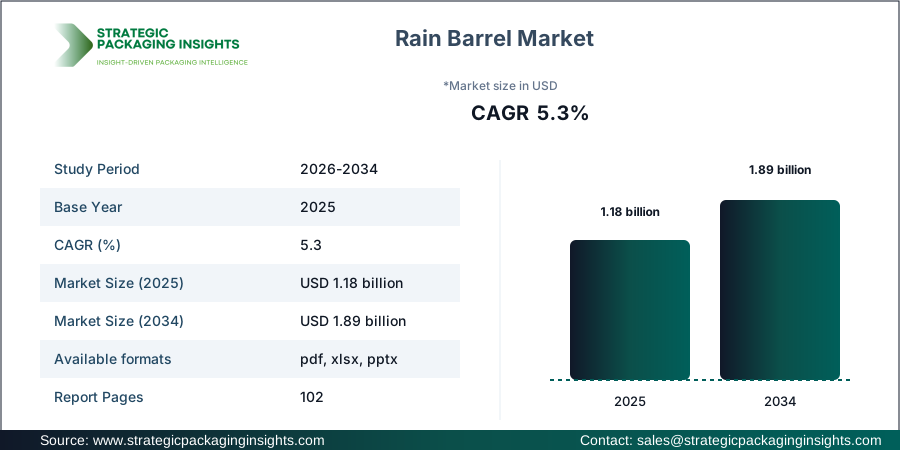
The Rain Barrel market size was valued at USD 1.18 billion in 2025 and is anticipated to reach USD 1.89 billion by 2034, growing at a CAGR of 5.3% during the forecast period according to Strategic Packaging Insights. The market is witnessing a surge in demand due to increasing awareness about water conservation and sustainable living practices. Companies like Good Ideas and RTS Home Accents are leading the charge by offering innovative and aesthetically pleasing rain barrel designs that cater to both functional and decorative needs. The growing trend of urban gardening and the need for efficient water management solutions in residential areas are further propelling the market growth.
One of the most impactful drivers of the Rain Barrel market is the increasing governmental support for water conservation initiatives. Many governments are offering incentives and rebates for the installation of rainwater harvesting systems, which include rain barrels. This is encouraging more homeowners and commercial entities to invest in rain barrels as a cost-effective solution for water conservation. Additionally, the rising awareness about the environmental benefits of rainwater harvesting, such as reducing stormwater runoff and decreasing the demand on municipal water supplies, is further boosting the market. Companies like Algreen Products and Fiskars are capitalizing on these trends by expanding their product lines to include more eco-friendly and efficient rain barrel options.
Report Scope
| Attributes | Details |
| Report Title | Rain Barrel Market Size, Future Growth and Forecast 2034 |
| Material Type | Plastic, Wood, Metal, Recycled Plastic |
| Capacity | Below 50 Gallons, 50–100 Gallons, Above 100 Gallons |
| Application | Residential Water Harvesting, Gardening, Commercial Landscaping |
| Distribution Channel | Online, Garden Centers, Hardware Stores, Direct Sales |
| Region | Asia Pacific, North America, Latin America, Europe, Middle East & Africa |
| Base Year | 2025 |
| Historic Period | 2018-2024 |
| Forecast Period | 2026-2034 |
| Number of Pages | 102 |
| Customization Available | Yes* |
Sustainability & Circular Economy Analysis
Sustainability initiatives are significantly influencing the Rain Barrel market, as consumers and businesses alike are increasingly prioritizing eco-friendly solutions. The use of recyclable materials in rain barrel production is becoming more prevalent, with companies like Graf and Bushman leading the way in utilizing recycled plastics. This not only reduces the carbon footprint associated with manufacturing but also aligns with the growing consumer preference for sustainable products. The integration of lightweight and durable materials is also enhancing the usability and longevity of rain barrels, making them a more attractive option for environmentally conscious consumers.
The circular economy practices are further shaping the market by encouraging the reuse and recycling of materials. Extended Producer Responsibility (EPR) regulations are prompting manufacturers to design products that are easier to recycle at the end of their lifecycle. This is driving innovation in rain barrel design and manufacturing, as companies strive to meet regulatory requirements while also appealing to eco-conscious consumers. The focus on waste reduction strategies is also leading to the development of modular rain barrel systems that can be easily expanded or modified to suit changing needs.
These sustainability trends are influencing investment decisions and supply chain strategies within the Rain Barrel market. Companies are increasingly investing in research and development to create more efficient and sustainable products, while also optimizing their supply chains to reduce environmental impact. This includes sourcing raw materials locally to minimize transportation emissions and implementing energy-efficient manufacturing processes. As a result, the market is becoming more competitive, with companies that prioritize sustainability gaining a significant advantage in terms of consumer trust and brand loyalty.
Packaging Value Chain & Supply Chain Analysis
The Rain Barrel market's value chain is complex, involving multiple stakeholders from raw material suppliers to end consumers. Raw material sourcing is a critical component, with manufacturers relying on a steady supply of high-quality materials such as plastics, metals, and wood. Companies like EarthMinded and RainReserve are focusing on securing sustainable and cost-effective raw materials to maintain competitive pricing and product quality. The role of packaging converters and manufacturers is also crucial, as they transform raw materials into finished products that meet consumer demands for durability and aesthetics.
Logistics and distribution channels play a vital role in the Rain Barrel market, ensuring that products reach consumers efficiently and cost-effectively. The choice of distribution channels, such as online platforms, garden centers, and hardware stores, can significantly impact a company's market reach and sales performance. Companies are increasingly leveraging direct sales and online channels to reach a broader audience and reduce distribution costs. This shift is also driven by the growing consumer preference for online shopping, which offers convenience and a wider selection of products.
Supply chain resilience is a key focus for companies in the Rain Barrel market, as disruptions can have significant impacts on production and sales. Strategic partnerships with suppliers and distributors are essential for maintaining a stable supply chain and ensuring timely delivery of products. Companies are also investing in inventory management systems to optimize stock levels and reduce the risk of overproduction or stockouts. Localization of supply chains is another trend, as companies seek to reduce transportation costs and emissions by sourcing materials and manufacturing products closer to their target markets.
Opportunities & Threats
The Rain Barrel market presents numerous opportunities for growth, driven by increasing consumer awareness of water conservation and sustainable living practices. The rising demand for eco-friendly and aesthetically pleasing rain barrels is encouraging companies to innovate and expand their product offerings. The growing trend of urban gardening and the need for efficient water management solutions in residential areas are also creating new opportunities for market expansion. Companies that can effectively tap into these trends by offering innovative and sustainable products are likely to gain a competitive edge in the market.
Another significant opportunity lies in the expansion of distribution channels, particularly online platforms. The increasing popularity of e-commerce is enabling companies to reach a wider audience and offer a more diverse range of products. By leveraging online sales channels, companies can reduce distribution costs and improve their market reach. Additionally, partnerships with garden centers and hardware stores can enhance brand visibility and provide consumers with convenient access to rain barrel products.
However, the Rain Barrel market also faces several threats, including regulatory challenges and competition from alternative water conservation solutions. Stringent regulations regarding the use of certain materials and the disposal of rain barrels at the end of their lifecycle can pose challenges for manufacturers. Additionally, the availability of alternative water conservation solutions, such as underground water storage systems and advanced irrigation technologies, may limit the growth potential of the rain barrel market. Companies must navigate these challenges by staying informed about regulatory changes and continuously innovating to offer superior products.
Drivers & Challenges
One of the primary drivers of the Rain Barrel market is the increasing awareness of water conservation and sustainable living practices. As consumers become more environmentally conscious, the demand for rain barrels as a cost-effective and eco-friendly solution for water conservation is rising. Government incentives and rebates for rainwater harvesting systems are also encouraging more homeowners and commercial entities to invest in rain barrels. Companies like Good Ideas and RTS Home Accents are capitalizing on these trends by offering innovative and aesthetically pleasing rain barrel designs that cater to both functional and decorative needs.
Technological advancements in rain barrel design and manufacturing are also driving market growth. The development of more efficient and durable rain barrels, made from lightweight and recyclable materials, is enhancing their appeal to consumers. Companies are investing in research and development to create products that are not only functional but also align with consumer preferences for sustainability and aesthetics. This focus on innovation is helping companies differentiate themselves in a competitive market and attract environmentally conscious consumers.
Despite these drivers, the Rain Barrel market faces several challenges, including competition from alternative water conservation solutions and regulatory hurdles. The availability of advanced irrigation technologies and underground water storage systems may limit the growth potential of the rain barrel market. Additionally, stringent regulations regarding the use of certain materials and the disposal of rain barrels at the end of their lifecycle can pose challenges for manufacturers. Companies must navigate these challenges by staying informed about regulatory changes and continuously innovating to offer superior products.
Market Share Analysis
The Rain Barrel market is characterized by a competitive landscape with several key players vying for market share. Companies like Good Ideas, RTS Home Accents, and Algreen Products are leading the market with their innovative product offerings and strong brand presence. These companies have established themselves as leaders in the market by focusing on product innovation, quality, and customer satisfaction. Their ability to adapt to changing consumer preferences and market trends has enabled them to maintain a competitive edge.
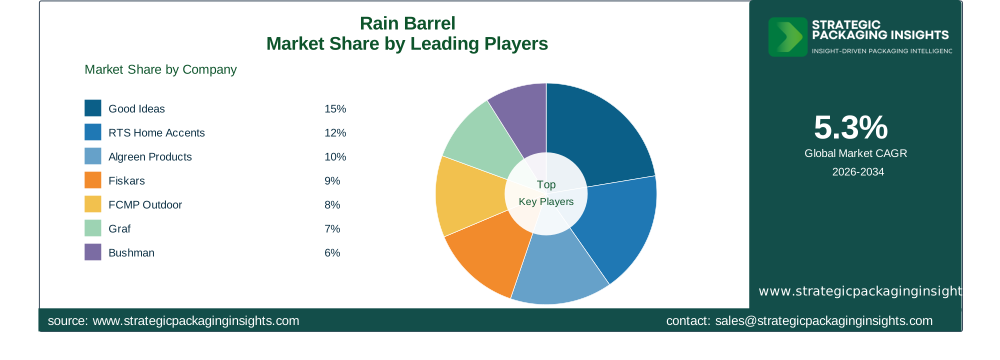
Good Ideas is known for its wide range of rain barrels that combine functionality with aesthetic appeal. The company's focus on innovation and sustainability has helped it capture a significant share of the market. RTS Home Accents, on the other hand, is recognized for its durable and eco-friendly rain barrels that cater to environmentally conscious consumers. The company's commitment to quality and customer satisfaction has earned it a loyal customer base and a strong market position.
Algreen Products is another major player in the Rain Barrel market, offering a diverse range of products that cater to different consumer needs. The company's focus on sustainability and innovation has helped it establish a strong presence in the market. Fiskars and FCMP Outdoor are also notable players, known for their high-quality and durable rain barrels that appeal to a wide range of consumers. These companies have leveraged their strong brand reputation and extensive distribution networks to capture a significant share of the market.
Other key players in the market include Graf, Bushman, EarthMinded, RainReserve, and Garantia. These companies are known for their innovative product offerings and commitment to sustainability. Their focus on research and development, coupled with strategic partnerships and collaborations, has enabled them to maintain a competitive edge in the market. The competitive landscape of the Rain Barrel market is expected to remain dynamic, with companies continuously innovating to meet changing consumer demands and regulatory requirements.
Key Highlights
- Market Size: USD 1.18 billion in 2025, projected to reach USD 1.89 billion by 2034.
- Growth Rate: Forecasted CAGR of 5.3% from 2026 to 2034.
- Leading Companies: Good Ideas, RTS Home Accents, Algreen Products, Fiskars, FCMP Outdoor.
- Material Trends: Increasing use of recycled plastics and eco-friendly materials.
- Distribution Channels: Growing importance of online sales and direct sales channels.
- Regional Insights: North America and Europe are key markets due to high awareness of water conservation.
- Application Growth: Residential water harvesting and gardening are major application areas.
Rain Barrel Market Segments Insights
Material Type Analysis
The Rain Barrel market is segmented by material type into plastic, wood, metal, and recycled plastic. Plastic rain barrels are the most popular due to their affordability, durability, and lightweight nature. Companies like Good Ideas and RTS Home Accents are leading the market with their innovative plastic rain barrel designs that cater to both functional and aesthetic needs. The use of recycled plastic is gaining traction as consumers become more environmentally conscious, and companies are responding by offering eco-friendly options that reduce the carbon footprint associated with manufacturing.
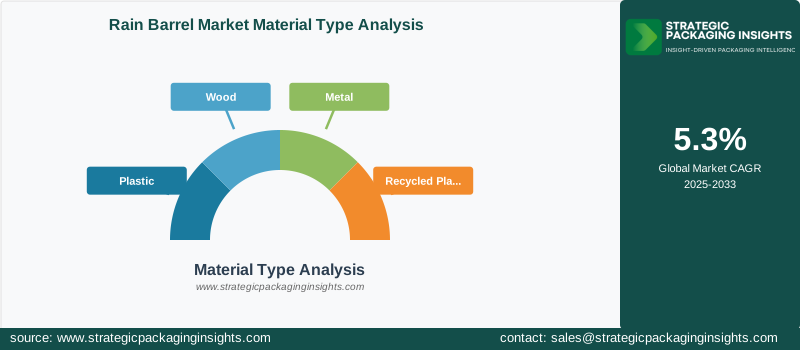
Wooden rain barrels, while less common, are favored for their natural aesthetic appeal and ability to blend seamlessly into garden landscapes. Companies like Algreen Products are capitalizing on this trend by offering high-quality wooden rain barrels that cater to consumers seeking a more traditional look. Metal rain barrels, on the other hand, are valued for their durability and resistance to weather conditions, making them a popular choice for commercial applications. The growing demand for sustainable and durable materials is driving innovation in rain barrel design and manufacturing, with companies investing in research and development to create products that meet consumer preferences for sustainability and aesthetics.
Capacity Analysis
The Rain Barrel market is also segmented by capacity, with options ranging from below 50 gallons to above 100 gallons. Smaller capacity rain barrels, below 50 gallons, are popular among urban gardeners and homeowners with limited space. These compact options are ideal for residential water harvesting and gardening applications, offering a convenient and efficient solution for water conservation. Companies like Fiskars and FCMP Outdoor are leading the market with their innovative small-capacity rain barrel designs that cater to urban consumers.
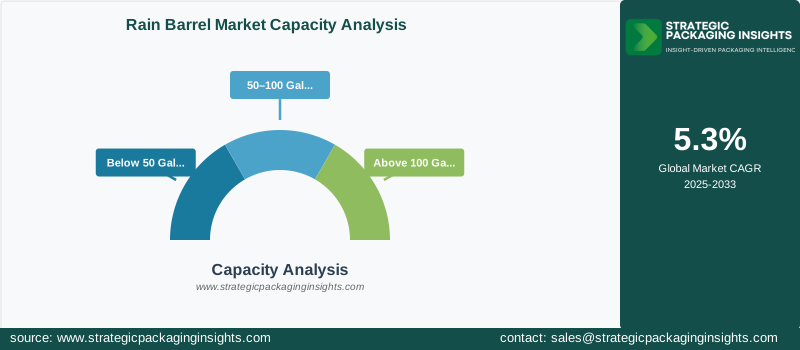
Medium capacity rain barrels, ranging from 50 to 100 gallons, are favored for their balance of size and capacity, making them suitable for a wide range of applications. These rain barrels are popular among homeowners and commercial entities seeking an efficient water management solution that can accommodate varying water needs. Larger capacity rain barrels, above 100 gallons, are primarily used in commercial landscaping and agricultural applications, where a higher volume of water is required. The growing demand for efficient and versatile water management solutions is driving innovation in rain barrel design, with companies investing in research and development to create products that meet diverse consumer needs.
Application Analysis
The Rain Barrel market is segmented by application into residential water harvesting, gardening, and commercial landscaping. Residential water harvesting is the largest application segment, driven by increasing consumer awareness of water conservation and sustainable living practices. Companies like Good Ideas and RTS Home Accents are leading the market with their innovative rain barrel designs that cater to residential consumers seeking an eco-friendly and cost-effective solution for water conservation.
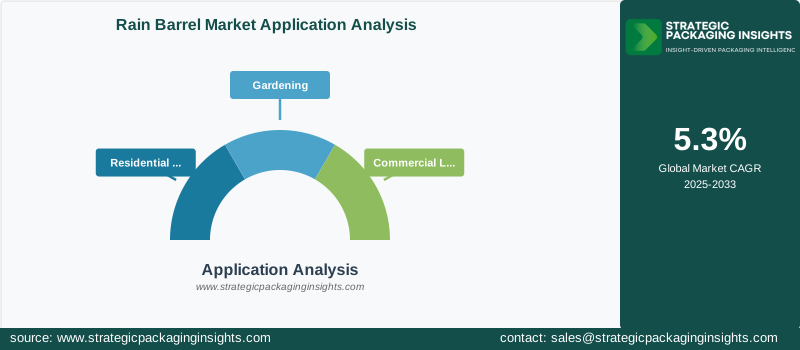
Gardening is another major application area, with rain barrels providing an efficient and sustainable solution for watering plants and maintaining garden landscapes. The growing trend of urban gardening and the need for efficient water management solutions are driving demand for rain barrels in this segment. Commercial landscaping is also a significant application area, with rain barrels offering a cost-effective and sustainable solution for managing water resources in large-scale landscaping projects. The increasing demand for efficient and sustainable water management solutions is driving innovation in rain barrel design and manufacturing, with companies investing in research and development to create products that meet diverse consumer needs.
Distribution Channel Analysis
The Rain Barrel market is segmented by distribution channel into online, garden centers, hardware stores, and direct sales. Online sales are becoming increasingly important as consumers seek convenience and a wider selection of products. Companies are leveraging e-commerce platforms to reach a broader audience and offer a diverse range of rain barrel products. The growing popularity of online shopping is driving companies to invest in digital marketing and e-commerce strategies to enhance their market reach and sales performance.
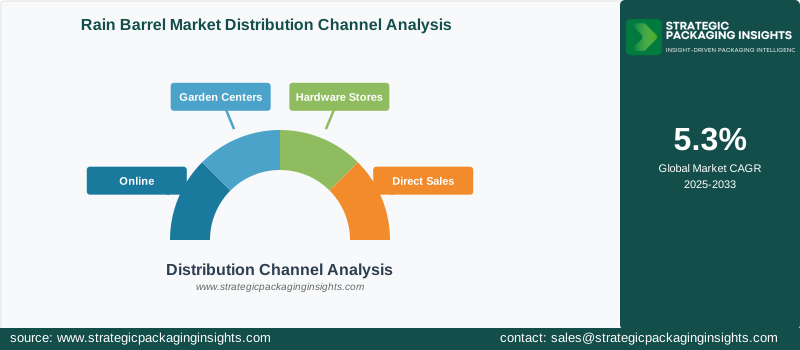
Garden centers and hardware stores remain important distribution channels, providing consumers with convenient access to rain barrel products and expert advice on installation and maintenance. Companies are partnering with these retailers to enhance brand visibility and reach a wider audience. Direct sales are also gaining traction, with companies offering personalized solutions and services to meet specific consumer needs. The growing importance of distribution channels is driving companies to invest in strategic partnerships and collaborations to enhance their market reach and sales performance.
Rain Barrel Market Segments
The Rain Barrel market has been segmented on the basis ofMaterial Type
- Plastic
- Wood
- Metal
- Recycled Plastic
Capacity
- Below 50 Gallons
- 50–100 Gallons
- Above 100 Gallons
Application
- Residential Water Harvesting
- Gardening
- Commercial Landscaping
Distribution Channel
- Online
- Garden Centers
- Hardware Stores
- Direct Sales
Region
- Asia Pacific
- North America
- Latin America
- Europe
- Middle East & Africa




