


Protein Packaging Market Outlook
The Protein Packaging market was valued at $28.87 billion in 2025 and is projected to reach $55.36 billion by 2034, growing at a CAGR of 7.5% during the forecast period 2026-2034. This market is witnessing significant growth due to the increasing demand for protein-based products, driven by the rising health consciousness among consumers. The surge in fitness trends and the growing popularity of protein supplements are further propelling the market. Additionally, advancements in packaging technologies that enhance product shelf life and maintain nutritional value are contributing to the market's expansion. The shift towards sustainable packaging solutions is also influencing market dynamics, as consumers and manufacturers alike are becoming more environmentally conscious.
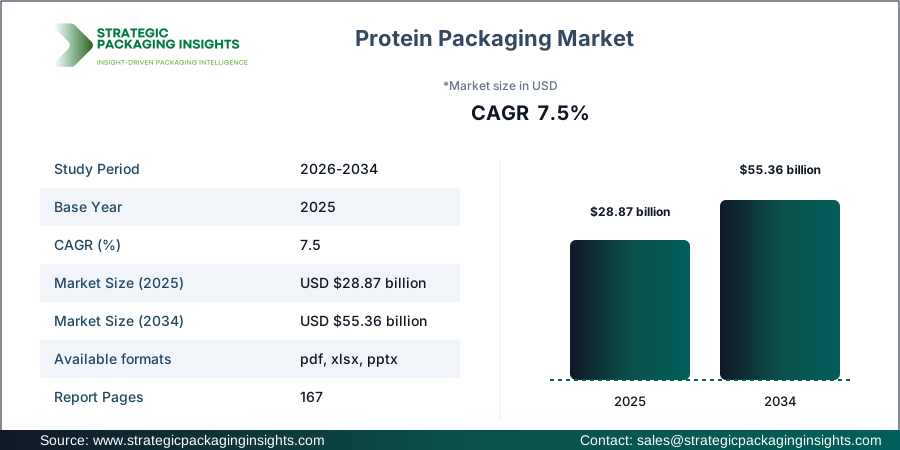
Despite the promising growth trajectory, the Protein Packaging market faces certain challenges. Regulatory constraints related to packaging materials, especially plastics, are posing hurdles for manufacturers. The need for compliance with stringent environmental regulations is pushing companies to innovate and adopt eco-friendly packaging solutions. Moreover, the fluctuating prices of raw materials used in packaging, such as plastics and aluminum, can impact profit margins. However, the market holds immense potential for growth, driven by the increasing demand for convenient and portable protein products. The rise of e-commerce platforms is also providing new avenues for market expansion, as online retailing of protein products becomes more prevalent.
Report Scope
| Attributes | Details |
| Report Title | Protein Packaging Market Size, Future Growth and Forecast 2034 |
| By Packaging Type | Pouches, Tubs, Sachets, Stick Packs |
| By Material Type | Plastic, Paperboard, Aluminum Laminates, Compostable Films |
| By Application | Protein Powder, Protein Bars, RTD Protein, Supplements |
| By End Use | Nutrition Brands, Sports Nutrition, Retail, E-commerce |
| Region | Asia Pacific, North America, Latin America, Europe, Middle East & Africa |
| Base Year | 2025 |
| Historic Period | 2018-2024 |
| Forecast Period | 2026-2034 |
| Number of Pages | 167 |
| Customization Available | Yes* |
Opportunities & Threats
The Protein Packaging market presents numerous opportunities for growth, primarily driven by the increasing consumer inclination towards health and fitness. As more individuals adopt active lifestyles, the demand for protein supplements and related products is on the rise. This trend is creating a substantial opportunity for packaging companies to innovate and offer solutions that cater to the needs of health-conscious consumers. Additionally, the growing trend of personalized nutrition is opening new avenues for customized packaging solutions, allowing brands to differentiate themselves in a competitive market. The expansion of e-commerce platforms is further amplifying these opportunities, as online sales of protein products continue to grow.
Another significant opportunity lies in the development of sustainable packaging solutions. With the increasing awareness of environmental issues, consumers are demanding eco-friendly packaging options. This shift is encouraging manufacturers to invest in research and development to create biodegradable and recyclable packaging materials. Companies that can successfully integrate sustainability into their packaging solutions are likely to gain a competitive edge in the market. Furthermore, the rising demand for ready-to-drink (RTD) protein beverages is creating new opportunities for innovative packaging designs that enhance convenience and portability.
However, the market is not without its threats. One of the primary challenges is the stringent regulatory environment surrounding packaging materials, particularly plastics. Governments worldwide are implementing regulations to reduce plastic waste, which can impact the packaging industry. Companies need to navigate these regulations carefully to avoid potential penalties and maintain compliance. Additionally, the volatility in raw material prices poses a threat to profit margins. Fluctuations in the cost of materials like plastics and aluminum can affect the overall cost structure of packaging solutions, making it essential for companies to adopt efficient supply chain strategies.
Drivers & Challenges
The Protein Packaging market is driven by several key factors, including the increasing demand for protein-rich products and the growing health consciousness among consumers. As more individuals prioritize fitness and nutrition, the consumption of protein supplements, bars, and ready-to-drink beverages is on the rise. This trend is fueling the demand for innovative packaging solutions that preserve the quality and extend the shelf life of protein products. Additionally, advancements in packaging technologies, such as modified atmosphere packaging and vacuum sealing, are enhancing product preservation and driving market growth. The shift towards sustainable packaging solutions is also a significant driver, as consumers and manufacturers seek environmentally friendly alternatives.
Another major driver is the expansion of e-commerce platforms, which is transforming the retail landscape for protein products. Online shopping offers convenience and accessibility, allowing consumers to purchase protein supplements and related products from the comfort of their homes. This trend is encouraging packaging companies to develop solutions that cater to the unique requirements of e-commerce, such as tamper-evident and lightweight packaging. Furthermore, the increasing popularity of personalized nutrition is driving demand for customized packaging solutions that cater to individual dietary needs and preferences.
Despite these drivers, the Protein Packaging market faces several challenges. One of the primary challenges is the regulatory landscape surrounding packaging materials, particularly plastics. Governments worldwide are implementing regulations to reduce plastic waste, which can impact the packaging industry. Companies need to navigate these regulations carefully to avoid potential penalties and maintain compliance. Additionally, the volatility in raw material prices poses a threat to profit margins. Fluctuations in the cost of materials like plastics and aluminum can affect the overall cost structure of packaging solutions, making it essential for companies to adopt efficient supply chain strategies.
Market Share Analysis
The Protein Packaging market is characterized by a competitive landscape with several key players vying for market share. Companies such as Amcor, Berry Global, Mondi, ProAmpac, and Constantia Flexibles are leading the market with their innovative packaging solutions and extensive product portfolios. These companies are focusing on strategic partnerships, mergers, and acquisitions to expand their market presence and enhance their product offerings. The competitive landscape is further intensified by the presence of regional players who are leveraging their local expertise to capture market share.
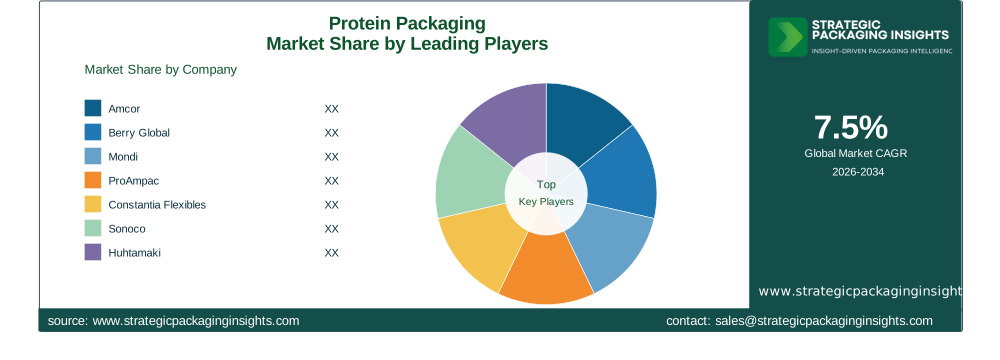
Amcor is a prominent player in the Protein Packaging market, known for its sustainable packaging solutions and commitment to innovation. The company is actively investing in research and development to create eco-friendly packaging materials that meet the evolving needs of consumers. Berry Global is another key player, offering a wide range of packaging solutions for protein products. The company's focus on sustainability and customer-centric approach has helped it maintain a strong market position.
Mondi is a leading provider of flexible packaging solutions, catering to the diverse needs of the protein packaging market. The company's emphasis on sustainability and innovation has enabled it to capture a significant share of the market. ProAmpac is known for its advanced packaging technologies and commitment to sustainability. The company's focus on customer collaboration and innovation has helped it establish a strong foothold in the market.
Constantia Flexibles is a key player in the protein packaging market, offering a wide range of flexible packaging solutions. The company's focus on sustainability and innovation has enabled it to capture a significant share of the market. Sonoco, Huhtamaki, UFlex, Graham Packaging, and TricorBraun are also notable players in the market, each contributing to the competitive landscape with their unique product offerings and strategic initiatives.
Key Highlights
- The Protein Packaging market is projected to grow at a CAGR of 7.5% from 2026 to 2034.
- Increasing demand for protein-rich products is driving market growth.
- Advancements in packaging technologies are enhancing product preservation.
- The shift towards sustainable packaging solutions is influencing market dynamics.
- Expansion of e-commerce platforms is transforming the retail landscape for protein products.
- Regulatory constraints related to packaging materials pose challenges for manufacturers.
- Fluctuating raw material prices can impact profit margins.
- Personalized nutrition is driving demand for customized packaging solutions.
- Key players are focusing on strategic partnerships and acquisitions to expand market presence.
- Regional players are leveraging local expertise to capture market share.
Top Countries Insights
In the Protein Packaging market, the United States stands out as a key player, with a market size of approximately $10 billion and a CAGR of 6%. The country's robust demand for protein supplements and bars, driven by a health-conscious population, is a significant growth driver. Additionally, the presence of major packaging companies and advancements in packaging technologies are contributing to market expansion. However, regulatory challenges related to packaging materials, particularly plastics, pose a challenge for manufacturers.
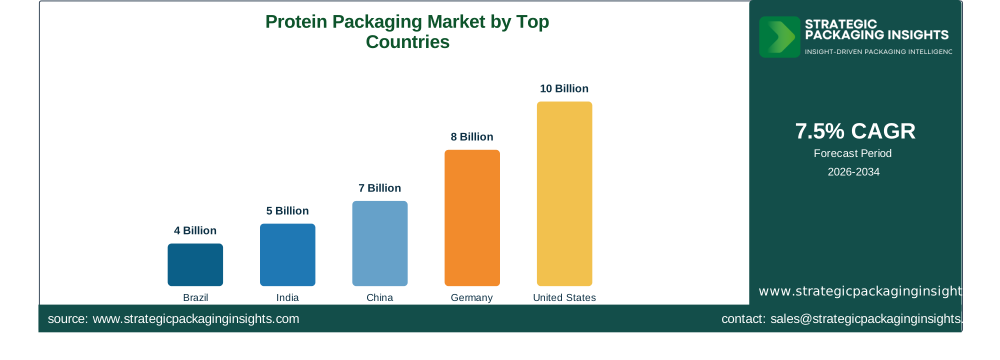
Germany is another prominent market, with a market size of around $8 billion and a CAGR of 5%. The country's strong focus on sustainability and eco-friendly packaging solutions is driving market growth. The demand for protein products is fueled by the increasing health awareness among consumers and the growing trend of personalized nutrition. However, the stringent regulatory environment and high raw material costs are challenges that manufacturers need to navigate.
China is experiencing rapid growth in the Protein Packaging market, with a market size of approximately $7 billion and a CAGR of 9%. The country's expanding middle class and increasing disposable income are driving demand for protein supplements and related products. The rise of e-commerce platforms is also contributing to market growth, as online sales of protein products become more prevalent. However, the market faces challenges related to regulatory compliance and the need for sustainable packaging solutions.
India is emerging as a significant market, with a market size of around $5 billion and a CAGR of 8%. The country's growing health consciousness and increasing adoption of fitness trends are driving demand for protein products. The expansion of e-commerce platforms is further amplifying market growth. However, the market faces challenges related to regulatory constraints and the need for cost-effective packaging solutions.
Brazil is also a key market, with a market size of approximately $4 billion and a CAGR of 7%. The country's increasing demand for protein supplements and bars, driven by a health-conscious population, is a significant growth driver. The presence of major packaging companies and advancements in packaging technologies are contributing to market expansion. However, regulatory challenges related to packaging materials, particularly plastics, pose a challenge for manufacturers.
Protein Packaging Market Segments Insights

Packaging Type Analysis
The Protein Packaging market is segmented by packaging type into pouches, tubs, sachets, and stick packs. Pouches are gaining popularity due to their convenience and cost-effectiveness. They offer excellent barrier properties, preserving the quality and freshness of protein products. The demand for pouches is driven by the increasing consumption of protein powders and supplements. Tubs, on the other hand, are preferred for bulk packaging, offering durability and ease of storage. Sachets and stick packs are ideal for single-serve portions, catering to the on-the-go lifestyle of consumers. The growing trend of personalized nutrition is driving demand for customized packaging solutions, allowing brands to differentiate themselves in a competitive market.
Stick packs are particularly popular in the sports nutrition segment, offering convenience and portability for athletes and fitness enthusiasts. The demand for sachets is driven by the increasing consumption of protein bars and ready-to-drink beverages. The shift towards sustainable packaging solutions is influencing the choice of packaging materials, with manufacturers opting for eco-friendly options. The expansion of e-commerce platforms is also impacting packaging preferences, as online sales of protein products continue to grow. Companies are focusing on developing packaging solutions that cater to the unique requirements of e-commerce, such as tamper-evident and lightweight packaging.
Material Type Analysis
The Protein Packaging market is segmented by material type into plastic, paperboard, aluminum laminates, and compostable films. Plastic remains the dominant material due to its versatility and cost-effectiveness. However, the increasing awareness of environmental issues is driving demand for sustainable alternatives. Paperboard is gaining traction as an eco-friendly option, offering recyclability and biodegradability. Aluminum laminates are preferred for their excellent barrier properties, preserving the quality and freshness of protein products. Compostable films are emerging as a sustainable solution, catering to the growing demand for eco-friendly packaging options.
The shift towards sustainable packaging solutions is influencing material preferences, with manufacturers investing in research and development to create biodegradable and recyclable materials. The demand for compostable films is driven by the increasing consumption of protein bars and ready-to-drink beverages. The expansion of e-commerce platforms is also impacting material choices, as online sales of protein products continue to grow. Companies are focusing on developing packaging solutions that cater to the unique requirements of e-commerce, such as tamper-evident and lightweight packaging. The growing trend of personalized nutrition is driving demand for customized packaging solutions, allowing brands to differentiate themselves in a competitive market.
Application Analysis
The Protein Packaging market is segmented by application into protein powder, protein bars, RTD protein, and supplements. Protein powder remains the dominant segment, driven by the increasing consumption of protein supplements among health-conscious consumers. The demand for protein bars is fueled by the growing trend of on-the-go snacking and the increasing popularity of fitness trends. RTD protein beverages are gaining traction due to their convenience and portability, catering to the busy lifestyles of consumers. The demand for supplements is driven by the increasing adoption of personalized nutrition and the growing awareness of the health benefits of protein.
The shift towards sustainable packaging solutions is influencing application preferences, with manufacturers opting for eco-friendly options. The expansion of e-commerce platforms is also impacting application choices, as online sales of protein products continue to grow. Companies are focusing on developing packaging solutions that cater to the unique requirements of e-commerce, such as tamper-evident and lightweight packaging. The growing trend of personalized nutrition is driving demand for customized packaging solutions, allowing brands to differentiate themselves in a competitive market. The increasing demand for protein-rich products is driving market growth, with advancements in packaging technologies enhancing product preservation.
End Use Analysis
The Protein Packaging market is segmented by end use into nutrition brands, sports nutrition, retail, and e-commerce. Nutrition brands are the dominant segment, driven by the increasing demand for protein supplements and related products. The demand for sports nutrition is fueled by the growing trend of fitness and the increasing popularity of protein supplements among athletes and fitness enthusiasts. Retail is a significant segment, with the expansion of e-commerce platforms transforming the retail landscape for protein products. The demand for e-commerce is driven by the convenience and accessibility of online shopping, allowing consumers to purchase protein supplements and related products from the comfort of their homes.
The shift towards sustainable packaging solutions is influencing end-use preferences, with manufacturers opting for eco-friendly options. The expansion of e-commerce platforms is also impacting end-use choices, as online sales of protein products continue to grow. Companies are focusing on developing packaging solutions that cater to the unique requirements of e-commerce, such as tamper-evident and lightweight packaging. The growing trend of personalized nutrition is driving demand for customized packaging solutions, allowing brands to differentiate themselves in a competitive market. The increasing demand for protein-rich products is driving market growth, with advancements in packaging technologies enhancing product preservation.
Protein Packaging Market Segments
The Protein Packaging market has been segmented on the basis ofBy Packaging Type
- Pouches
- Tubs
- Sachets
- Stick Packs
By Material Type
- Plastic
- Paperboard
- Aluminum Laminates
- Compostable Films
By Application
- Protein Powder
- Protein Bars
- RTD Protein
- Supplements
By End Use
- Nutrition Brands
- Sports Nutrition
- Retail
- E-commerce
Region
- Asia Pacific
- North America
- Latin America
- Europe
- Middle East & Africa




