


Processed Meat Packaging Market Outlook
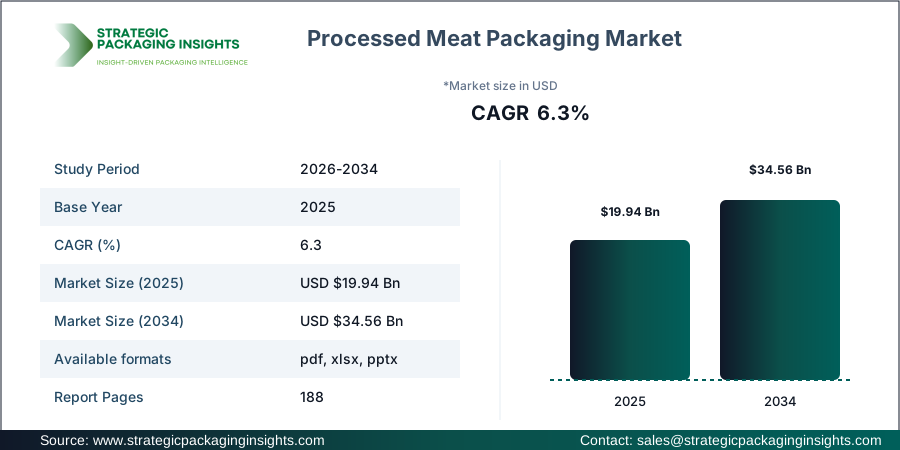
The Processed Meat Packaging market size was valued at USD 19.94 billion in 2025 and is anticipated to reach USD 34.56 billion by 2034, growing at a CAGR of 6.3% during the forecast period according to Strategic Packaging Insights. This growth is driven by increasing consumer demand for convenience foods and the rising popularity of processed meat products globally. Companies like Sealed Air and Amcor are at the forefront, innovating packaging solutions that extend shelf life and enhance product safety. The market is also benefiting from advancements in packaging technologies that cater to the evolving needs of consumers and retailers alike.
One of the most impactful drivers of the processed meat packaging market is the growing emphasis on food safety and hygiene. With increasing awareness about foodborne illnesses, consumers and regulatory bodies are demanding higher standards of packaging that prevent contamination and spoilage. According to the U.S. Food and Drug Administration, stringent regulations are being enforced to ensure that packaging materials are safe and effective in preserving food quality. Companies like Berry Global and Mondi are investing in research and development to create innovative packaging solutions that meet these regulatory requirements while also addressing consumer preferences for sustainable and eco-friendly options.
Report Scope
| Attributes | Details |
| Report Title | Processed Meat Packaging Market Size, Future Growth and Forecast 2034 |
| By Packaging Type | Vacuum Packs, MAP Trays, Shrink Bags, Films |
| By Material Type | PET, PE, PP, EVOH |
| By Application | Sausages, Bacon, Deli Meat, Frozen Meat |
| By End Use | Meat Processors, Retail, Foodservice, Exporters |
| Region | Asia Pacific, North America, Latin America, Europe, Middle East & Africa |
| Base Year | 2025 |
| Historic Period | 2018-2024 |
| Forecast Period | 2026-2034 |
| Number of Pages | 188 |
| Customization Available | Yes* |
Sustainability & Circular Economy Analysis
Sustainability initiatives are significantly influencing the processed meat packaging market, with a strong focus on reducing environmental impact through the use of recyclable materials and eco-friendly innovations. Companies are increasingly adopting lightweight packaging solutions to minimize material usage and reduce carbon footprints. For instance, the integration of biodegradable and compostable materials is becoming a standard practice, aligning with consumer preferences for sustainable products. This shift is not only enhancing brand reputation but also ensuring compliance with stringent environmental regulations.
The circular economy model is gaining traction, encouraging companies to design packaging that can be reused or recycled, thus reducing waste. Extended Producer Responsibility (EPR) policies are pushing manufacturers to take accountability for the entire lifecycle of their packaging products. This has led to increased investment in recycling infrastructure and the development of closed-loop systems. As a result, companies like Klöckner Pentaplast and Coveris are focusing on creating packaging solutions that support a circular economy, thereby enhancing their competitive edge in the market.
Consumer preferences are also driving the demand for sustainable packaging solutions. There is a growing trend towards transparency in packaging, where consumers want to know the environmental impact of the products they purchase. This has led to the adoption of clear labeling practices and the use of eco-friendly materials that communicate sustainability credentials. As companies strive to meet these consumer demands, they are also investing in ESG initiatives to improve their sustainability performance and build long-term market competitiveness.
Packaging Value Chain & Supply Chain Analysis
The packaging value chain for processed meat involves a complex ecosystem that includes raw material sourcing, packaging converters, manufacturers, and logistics providers. Efficient raw material sourcing is crucial, as it directly impacts production costs and supply chain resilience. Companies like UFlex and Constantia Flexibles are optimizing their procurement strategies to ensure a steady supply of high-quality materials, which is essential for maintaining product integrity and meeting consumer expectations.
Packaging converters and manufacturers play a pivotal role in transforming raw materials into finished packaging products. They are investing in advanced machinery and technology to enhance production capabilities and improve efficiency. Strategic partnerships with logistics providers and distributors are also critical, as they ensure timely delivery of packaging products to brand owners and retailers. This collaboration is vital for maintaining supply chain efficiency and meeting the dynamic demands of the processed meat industry.
Recycling networks and waste management systems are becoming integral components of the packaging supply chain. Companies are implementing robust inventory management practices to minimize waste and optimize resource utilization. Localization strategies are also being adopted to reduce transportation costs and carbon emissions. By focusing on supply chain resilience and sustainability, companies are not only improving their operational efficiency but also enhancing their market competitiveness in the processed meat packaging sector.
Opportunities & Threats
The processed meat packaging market presents numerous opportunities for growth, driven by the increasing demand for convenience foods and the expansion of the foodservice industry. As consumers continue to seek ready-to-eat and easy-to-cook meat products, there is a growing need for innovative packaging solutions that enhance product shelf life and safety. Companies can capitalize on this trend by developing packaging technologies that cater to the evolving needs of consumers and retailers. Additionally, the rise of e-commerce and online grocery shopping is creating new avenues for market expansion, as packaging plays a crucial role in ensuring product integrity during transportation.
Another significant opportunity lies in the adoption of sustainable packaging practices. With consumers becoming more environmentally conscious, there is a growing demand for eco-friendly packaging solutions that reduce environmental impact. Companies that invest in sustainable materials and circular economy practices can differentiate themselves in the market and attract environmentally conscious consumers. Furthermore, the implementation of extended producer responsibility (EPR) policies is encouraging manufacturers to take accountability for the entire lifecycle of their packaging products, creating opportunities for innovation and collaboration in recycling and waste management.
Despite the growth opportunities, the processed meat packaging market faces several threats, including stringent regulatory requirements and fluctuating raw material prices. Compliance with food safety and environmental regulations can be challenging, as companies must continuously adapt their packaging solutions to meet evolving standards. Additionally, the volatility of raw material prices can impact production costs and profit margins, posing a threat to market stability. Companies must develop robust risk management strategies and invest in research and development to mitigate these challenges and maintain their competitive edge in the market.
Drivers & Challenges
The processed meat packaging market is driven by several key factors, including the increasing demand for convenience foods and the growing emphasis on food safety and hygiene. As consumers lead busier lifestyles, there is a rising preference for ready-to-eat and easy-to-cook meat products, driving the demand for innovative packaging solutions that enhance product shelf life and safety. Companies like Sealed Air and Amcor are at the forefront of this trend, developing packaging technologies that cater to the evolving needs of consumers and retailers.
Another significant driver is the growing awareness of foodborne illnesses and the need for higher standards of packaging that prevent contamination and spoilage. Regulatory bodies are enforcing stringent regulations to ensure that packaging materials are safe and effective in preserving food quality. This has led to increased investment in research and development by companies like Berry Global and Mondi, who are creating innovative packaging solutions that meet these regulatory requirements while also addressing consumer preferences for sustainable and eco-friendly options.
Despite the positive drivers, the processed meat packaging market faces several challenges, including stringent regulatory requirements and fluctuating raw material prices. Compliance with food safety and environmental regulations can be challenging, as companies must continuously adapt their packaging solutions to meet evolving standards. Additionally, the volatility of raw material prices can impact production costs and profit margins, posing a threat to market stability. Companies must develop robust risk management strategies and invest in research and development to mitigate these challenges and maintain their competitive edge in the market.
Market Share Analysis
The processed meat packaging market is characterized by a competitive landscape with several key players vying for market share. Companies like Sealed Air, Amcor, and Winpak are leading the market with their innovative packaging solutions and strong global presence. These companies are investing heavily in research and development to create advanced packaging technologies that cater to the evolving needs of consumers and retailers. Their focus on sustainability and eco-friendly packaging solutions is also helping them gain a competitive edge in the market.
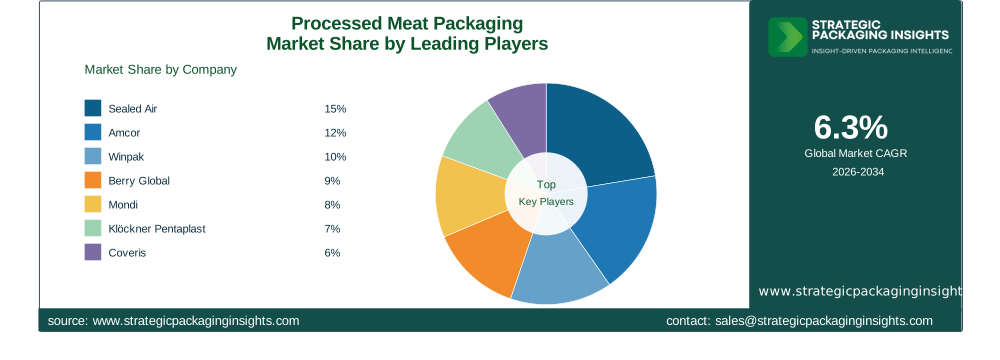
Sealed Air is a prominent player in the processed meat packaging market, known for its innovative Cryovac brand packaging solutions that enhance product shelf life and safety. The company is committed to sustainability and has set ambitious goals to reduce its environmental impact through the use of recyclable materials and eco-friendly innovations. Amcor, another leading player, is renowned for its flexible and rigid packaging solutions that cater to a wide range of applications in the processed meat industry. The company's focus on sustainability and circular economy practices is helping it maintain its competitive position in the market.
Winpak is a key player in the processed meat packaging market, offering a wide range of packaging solutions that enhance product safety and shelf life. The company's commitment to innovation and sustainability is evident in its investment in advanced packaging technologies and eco-friendly materials. Berry Global is another major player, known for its comprehensive range of packaging solutions that cater to the processed meat industry. The company's focus on sustainability and circular economy practices is helping it gain a competitive edge in the market.
Other notable players in the processed meat packaging market include Mondi, Klöckner Pentaplast, Coveris, ProAmpac, UFlex, and Constantia Flexibles. These companies are investing in research and development to create innovative packaging solutions that meet the evolving needs of consumers and retailers. Their focus on sustainability and eco-friendly packaging solutions is helping them maintain their competitive position in the market. Overall, the processed meat packaging market is characterized by intense competition, with companies striving to differentiate themselves through innovation and sustainability initiatives.
Key Highlights
- Market Size: The processed meat packaging market was valued at USD 19.94 billion in 2025 and is projected to reach USD 34.56 billion by 2034.
- Growth Rate: The market is expected to grow at a CAGR of 6.3% during the forecast period.
- Leading Companies: Key players include Sealed Air, Amcor, Winpak, Berry Global, and Mondi.
- Packaging Type: Vacuum packs and MAP trays are among the most popular packaging types.
- Material Type: PET and PE are widely used materials in processed meat packaging.
- Application: Sausages and bacon are major applications driving market demand.
- Region: North America and Europe are leading regions in the processed meat packaging market.
Processed Meat Packaging Market Segments Insights

Packaging Type Analysis
The processed meat packaging market is segmented by packaging type into vacuum packs, MAP trays, shrink bags, and films. Vacuum packs are gaining popularity due to their ability to extend the shelf life of meat products by preventing oxidation and contamination. This packaging type is particularly favored in the retail and foodservice sectors, where maintaining product freshness is crucial. Companies like Sealed Air and Amcor are leading the market with their innovative vacuum packaging solutions that cater to the evolving needs of consumers and retailers.
MAP trays, or Modified Atmosphere Packaging trays, are also witnessing significant demand in the processed meat packaging market. This packaging type helps preserve the color, flavor, and texture of meat products by altering the atmospheric composition inside the package. The growing consumer preference for fresh and high-quality meat products is driving the demand for MAP trays, making them a popular choice among meat processors and retailers. Companies like Winpak and Berry Global are investing in advanced MAP technologies to enhance product safety and shelf life.
Material Type Analysis
The processed meat packaging market is segmented by material type into PET, PE, PP, and EVOH. PET (Polyethylene Terephthalate) is widely used in processed meat packaging due to its excellent barrier properties and recyclability. This material type is favored by companies like Mondi and Klöckner Pentaplast, who are focusing on creating sustainable packaging solutions that meet consumer preferences for eco-friendly products. The demand for PET is expected to grow as companies continue to invest in sustainable materials and circular economy practices.
PE (Polyethylene) is another popular material type in the processed meat packaging market, known for its flexibility and durability. This material is commonly used in shrink bags and films, providing excellent protection against moisture and contamination. Companies like Coveris and ProAmpac are leveraging the benefits of PE to create innovative packaging solutions that enhance product safety and shelf life. The growing demand for convenience foods and ready-to-eat meat products is driving the demand for PE-based packaging solutions.
Application Analysis
The processed meat packaging market is segmented by application into sausages, bacon, deli meat, and frozen meat. Sausages and bacon are among the major applications driving market demand, as consumers continue to seek convenient and flavorful meat products. The growing popularity of ready-to-eat and easy-to-cook meat products is driving the demand for innovative packaging solutions that enhance product safety and shelf life. Companies like UFlex and Constantia Flexibles are investing in advanced packaging technologies to cater to the evolving needs of consumers and retailers.
Deli meat and frozen meat are also significant applications in the processed meat packaging market. The demand for deli meat is driven by the growing trend of healthy and convenient meal options, while frozen meat is favored for its long shelf life and convenience. Companies are focusing on creating packaging solutions that preserve the quality and freshness of these meat products, ensuring consumer satisfaction and brand loyalty. The rise of e-commerce and online grocery shopping is also creating new opportunities for market expansion, as packaging plays a crucial role in ensuring product integrity during transportation.
End Use Analysis
The processed meat packaging market is segmented by end use into meat processors, retail, foodservice, and exporters. Meat processors are the primary end users of processed meat packaging, as they require innovative packaging solutions that enhance product safety and shelf life. Companies like Sealed Air and Amcor are leading the market with their advanced packaging technologies that cater to the evolving needs of meat processors and retailers.
The retail and foodservice sectors are also significant end users of processed meat packaging, as they require packaging solutions that maintain product freshness and quality. The growing demand for convenience foods and ready-to-eat meat products is driving the demand for innovative packaging solutions that enhance product safety and shelf life. Companies are focusing on creating packaging solutions that cater to the evolving needs of consumers and retailers, ensuring consumer satisfaction and brand loyalty.
Processed Meat Packaging Market Segments
The Processed Meat Packaging market has been segmented on the basis ofBy Packaging Type
- Vacuum Packs
- MAP Trays
- Shrink Bags
- Films
By Material Type
- PET
- PE
- PP
- EVOH
By Application
- Sausages
- Bacon
- Deli Meat
- Frozen Meat
By End Use
- Meat Processors
- Retail
- Foodservice
- Exporters
Region
- Asia Pacific
- North America
- Latin America
- Europe
- Middle East & Africa




