


Private Label Pet Food Market Outlook
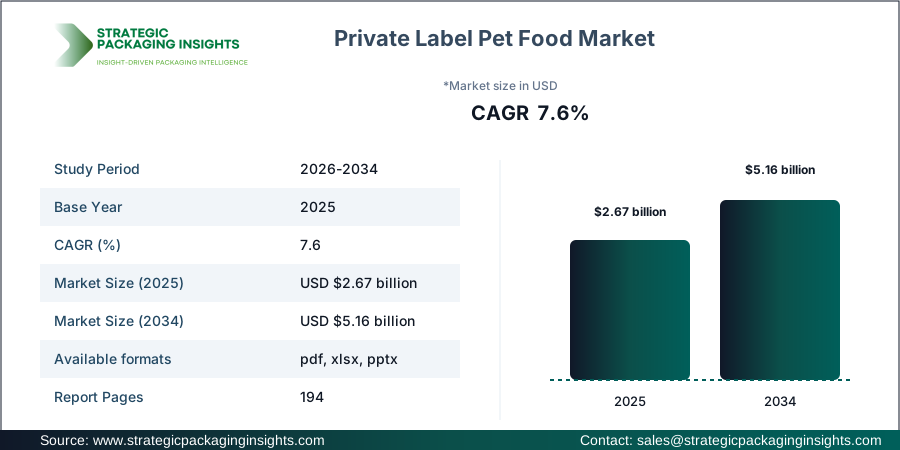
The Private Label Pet Food market was valued at $2.67 billion in 2025 and is projected to reach $5.16 billion by 2034, growing at a CAGR of 7.6% during the forecast period 2026-2034. This market is experiencing significant growth due to the increasing trend of pet humanization, where pet owners are treating their pets as family members and are willing to spend more on high-quality pet food. The demand for private label pet food is also driven by the cost-effectiveness and perceived value for money compared to branded products. Additionally, the rise in pet ownership, especially among millennials, is contributing to the market's expansion. The market is further bolstered by the growing availability of private label pet food products across various sales channels, including supermarkets, pet specialty stores, and online platforms.
Despite the promising growth prospects, the Private Label Pet Food market faces certain challenges. Regulatory constraints regarding pet food safety and quality standards can pose barriers to market entry for new players. Moreover, the market is highly competitive, with established brands like Mars Petcare and Nestlé Purina dominating the landscape, which can make it difficult for private label brands to gain significant market share. However, the potential for growth remains substantial, particularly in emerging markets where pet ownership is on the rise, and consumers are becoming more aware of the benefits of private label products. The market also presents opportunities for innovation in product formulations, such as organic and natural pet food options, which can attract health-conscious pet owners.
Report Scope
| Attributes | Details |
| Report Title | Private Label Pet Food Market Size, Future Growth and Forecast 2034 |
| By Product Type | Dry Pet Food, Wet Pet Food, Treats |
| By Pet Type | Dogs, Cats, Small Pets |
| By Sales Channel | Supermarkets, Pet Specialty, Online, Club Stores |
| By End Use | Retailers, Private-Label Brands, Contract Manufacturers |
| Region | Asia Pacific, North America, Latin America, Europe, Middle East & Africa |
| Base Year | 2025 |
| Historic Period | 2018-2024 |
| Forecast Period | 2026-2034 |
| Number of Pages | 194 |
| Customization Available | Yes* |
Opportunities & Threats
The Private Label Pet Food market presents numerous opportunities for growth, particularly in the realm of product innovation. As consumers become more health-conscious, there is a growing demand for organic and natural pet food products. Private label brands can capitalize on this trend by developing high-quality, nutritious pet food options that cater to specific dietary needs, such as grain-free or hypoallergenic formulas. Additionally, the rise of e-commerce platforms offers private label brands an opportunity to reach a wider audience and expand their market presence. By leveraging online sales channels, companies can reduce distribution costs and offer competitive pricing, further enhancing their appeal to cost-conscious consumers.
Another significant opportunity lies in the expansion of private label pet food offerings in emerging markets. As pet ownership continues to rise in regions such as Asia Pacific and Latin America, there is an increasing demand for affordable pet food options. Private label brands can tap into this growing market by establishing partnerships with local retailers and distributors, allowing them to penetrate new markets and increase their customer base. Furthermore, the trend of premiumization in the pet food industry presents an opportunity for private label brands to develop premium product lines that offer superior quality at a lower price point compared to branded products.
However, the Private Label Pet Food market also faces certain threats that could hinder its growth. One of the primary challenges is the intense competition from established brands, which have significant resources and brand recognition. These companies often invest heavily in marketing and product development, making it difficult for private label brands to compete on the same level. Additionally, fluctuations in raw material prices can impact the cost of production for private label pet food, potentially affecting profit margins. To mitigate these threats, private label brands must focus on building strong relationships with suppliers and investing in efficient supply chain management to ensure cost-effective production.
Drivers & Challenges
The growth of the Private Label Pet Food market is driven by several key factors. One of the primary drivers is the increasing trend of pet humanization, where pet owners treat their pets as family members and are willing to invest in high-quality pet food. This trend has led to a surge in demand for premium pet food products, including private label options that offer similar quality at a more affordable price. Additionally, the rise in pet ownership, particularly among millennials, is contributing to the market's expansion. Millennials are more likely to own pets and are often more conscious of their pets' health and well-being, driving demand for nutritious and high-quality pet food products.
Another significant driver of the Private Label Pet Food market is the growing availability of private label products across various sales channels. Supermarkets, pet specialty stores, and online platforms are increasingly offering private label pet food options, making it easier for consumers to access these products. The convenience and cost-effectiveness of private label pet food are appealing to consumers, further driving market growth. Additionally, advancements in pet food manufacturing technology have enabled private label brands to produce high-quality products that meet the nutritional needs of pets, enhancing their competitiveness in the market.
Despite these drivers, the Private Label Pet Food market faces several challenges that could impact its growth. One of the primary challenges is the stringent regulatory environment surrounding pet food safety and quality standards. Compliance with these regulations can be costly and time-consuming, particularly for smaller private label brands with limited resources. Additionally, the market is highly competitive, with established brands like Mars Petcare and Nestlé Purina dominating the landscape. These companies have significant brand recognition and customer loyalty, making it difficult for private label brands to gain market share. To overcome these challenges, private label brands must focus on differentiating their products through innovation and quality, as well as building strong relationships with retailers and distributors.
Market Share Analysis
The competitive landscape of the Private Label Pet Food market is characterized by the presence of several key players, including both established brands and emerging private label companies. Mars Petcare and Nestlé Purina are two of the largest players in the market, holding significant market shares due to their extensive product portfolios and strong brand recognition. These companies have a long-standing presence in the pet food industry and have built a loyal customer base through consistent product quality and innovation. Their dominance in the market poses a challenge for private label brands, which must compete on factors such as price, quality, and product differentiation.
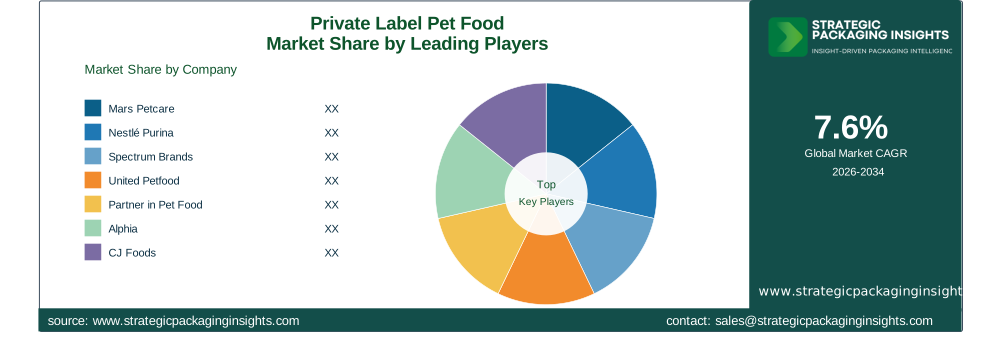
In addition to Mars Petcare and Nestlé Purina, other notable players in the Private Label Pet Food market include Spectrum Brands, United Petfood, and Partner in Pet Food. These companies have established themselves as key players in the market by offering a wide range of private label pet food products that cater to various consumer preferences and dietary needs. Spectrum Brands, for example, has a diverse portfolio of pet food products that includes both dry and wet food options, as well as treats and supplements. United Petfood, on the other hand, focuses on producing high-quality private label pet food products for retailers and distributors across Europe.
Alphia, CJ Foods, and Simmons Pet Food are also significant players in the Private Label Pet Food market, each with their own unique strengths and market strategies. Alphia is known for its focus on innovation and product development, offering a range of private label pet food products that are tailored to meet the specific needs of different pet types. CJ Foods, meanwhile, has a strong presence in the North American market and is known for its commitment to quality and sustainability. Simmons Pet Food, a leading contract manufacturer, partners with retailers and private label brands to produce high-quality pet food products that meet the demands of today's consumers.
Other notable companies in the market include C&D Foods and Deuerer, both of which have established themselves as key players in the European market. C&D Foods specializes in the production of private label pet food products for retailers and distributors, offering a wide range of options that cater to different consumer preferences. Deuerer, on the other hand, is known for its focus on quality and sustainability, producing pet food products that are both nutritious and environmentally friendly. Together, these companies contribute to the dynamic and competitive landscape of the Private Label Pet Food market, driving innovation and growth in the industry.
Key Highlights
- The Private Label Pet Food market is projected to grow at a CAGR of 7.6% from 2026 to 2034.
- Increasing trend of pet humanization is driving demand for high-quality private label pet food products.
- Private label brands are capitalizing on the demand for organic and natural pet food options.
- Emerging markets in Asia Pacific and Latin America present significant growth opportunities for private label brands.
- Online sales channels are becoming increasingly important for private label pet food distribution.
- Regulatory constraints and competition from established brands pose challenges to market growth.
- Innovation in product formulations, such as grain-free and hypoallergenic options, is a key trend in the market.
- Private label brands are focusing on building strong relationships with retailers and distributors to expand their market presence.
- Advancements in pet food manufacturing technology are enhancing the quality and competitiveness of private label products.
- Cost-effectiveness and perceived value for money are key factors driving consumer preference for private label pet food.
Top Countries Insights
In the Private Label Pet Food market, the United States stands out as a leading country, with a market size of approximately $1.2 billion and a CAGR of 6%. The growth in the U.S. is driven by the high pet ownership rates and the increasing trend of pet humanization. Consumers in the U.S. are increasingly opting for private label pet food products due to their cost-effectiveness and comparable quality to branded options. Additionally, the rise of e-commerce platforms has made it easier for consumers to access a wide range of private label pet food products, further driving market growth.
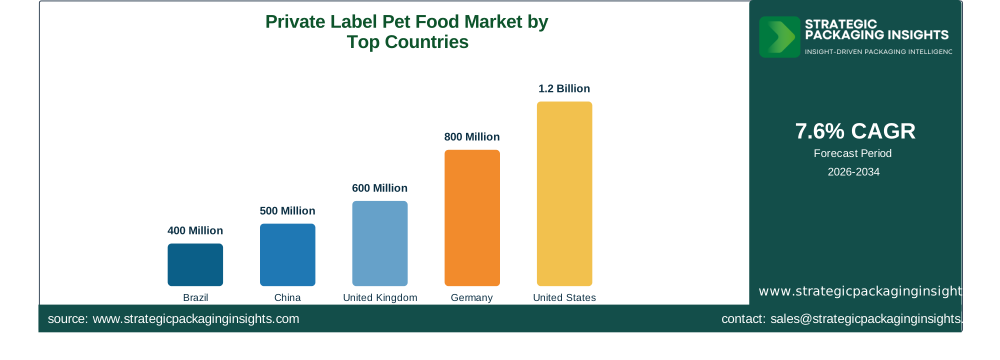
Germany is another key market for private label pet food, with a market size of around $800 million and a CAGR of 5%. The demand in Germany is fueled by the growing awareness of pet health and nutrition, leading consumers to seek high-quality pet food options. Private label brands in Germany are capitalizing on this trend by offering premium products that cater to specific dietary needs, such as grain-free and hypoallergenic options. The presence of established private label manufacturers, such as Deuerer and C&D Foods, also contributes to the market's growth.
In the United Kingdom, the private label pet food market is valued at approximately $600 million, with a CAGR of 4%. The market is driven by the increasing preference for premium pet food products and the growing trend of pet humanization. Private label brands in the UK are focusing on innovation and product differentiation to capture market share from established brands. The rise of online sales channels is also playing a significant role in the market's growth, as consumers increasingly turn to e-commerce platforms for their pet food purchases.
China is emerging as a significant market for private label pet food, with a market size of around $500 million and a CAGR of 8%. The rapid urbanization and rising disposable incomes in China are driving the growth of the pet food market, as more consumers are willing to spend on high-quality pet food products. Private label brands in China are leveraging the growing demand for premium and natural pet food options to expand their market presence. Additionally, the increasing popularity of e-commerce platforms in China is providing private label brands with new opportunities to reach a wider audience.
Brazil is also a notable market for private label pet food, with a market size of approximately $400 million and a CAGR of 7%. The growth in Brazil is driven by the rising pet ownership rates and the increasing awareness of pet health and nutrition. Private label brands in Brazil are focusing on offering affordable yet high-quality pet food products to cater to the growing demand. The expansion of distribution networks and partnerships with local retailers are also contributing to the market's growth.
Private Label Pet Food Market Segments Insights

Product Type Analysis
The Private Label Pet Food market is segmented by product type into dry pet food, wet pet food, and treats. Dry pet food holds a significant share of the market due to its convenience, longer shelf life, and cost-effectiveness. Consumers prefer dry pet food for its ease of storage and feeding, making it a popular choice among pet owners. The demand for dry pet food is further driven by the increasing trend of pet humanization, where pet owners are seeking high-quality, nutritious options for their pets. Private label brands are capitalizing on this trend by offering a wide range of dry pet food products that cater to different dietary needs and preferences.
Wet pet food, on the other hand, is gaining popularity due to its palatability and higher moisture content, which is beneficial for pets' hydration. The demand for wet pet food is particularly strong among cat owners, as cats are known to have a lower thirst drive compared to dogs. Private label brands are focusing on developing premium wet pet food options that offer superior taste and nutritional benefits. Additionally, the trend of premiumization in the pet food industry is driving the demand for high-quality wet pet food products, providing private label brands with opportunities for growth.
Treats are another important segment in the Private Label Pet Food market, driven by the increasing trend of pet pampering and the growing demand for functional treats that offer health benefits. Pet owners are increasingly seeking treats that not only taste good but also provide nutritional value, such as dental health or joint support. Private label brands are responding to this demand by offering a variety of treats that cater to different health needs and preferences. The rise of e-commerce platforms is also contributing to the growth of the treats segment, as consumers can easily access a wide range of options online.
Pet Type Analysis
The Private Label Pet Food market is segmented by pet type into dogs, cats, and small pets. The dog segment holds the largest share of the market, driven by the high pet ownership rates and the increasing trend of pet humanization. Dog owners are more likely to invest in high-quality pet food products that offer nutritional benefits and cater to specific dietary needs. Private label brands are capitalizing on this trend by offering a wide range of dog food products, including dry, wet, and treats, that cater to different breeds and life stages.
The cat segment is also experiencing significant growth, driven by the increasing popularity of cats as pets and the growing awareness of their specific dietary needs. Cat owners are increasingly seeking high-quality pet food products that offer superior taste and nutritional benefits. Private label brands are focusing on developing premium cat food options that cater to different dietary preferences, such as grain-free or hypoallergenic formulas. The rise of e-commerce platforms is also contributing to the growth of the cat segment, as consumers can easily access a wide range of options online.
Small pets, such as rabbits, guinea pigs, and hamsters, represent a smaller but growing segment of the Private Label Pet Food market. The demand for small pet food is driven by the increasing trend of pet ownership and the growing awareness of the specific dietary needs of small pets. Private label brands are focusing on offering a variety of small pet food products that cater to different species and dietary preferences. The rise of online sales channels is also playing a significant role in the growth of the small pet segment, as consumers can easily access a wide range of options online.
Sales Channel Analysis
The Private Label Pet Food market is segmented by sales channel into supermarkets, pet specialty stores, online platforms, and club stores. Supermarkets hold a significant share of the market due to their wide reach and convenience for consumers. Private label brands are increasingly partnering with supermarkets to offer a wide range of pet food products that cater to different consumer preferences and dietary needs. The convenience and cost-effectiveness of private label pet food are appealing to consumers, further driving market growth.
Pet specialty stores are another important sales channel for private label pet food, offering a wide range of high-quality products that cater to specific dietary needs and preferences. These stores often have knowledgeable staff who can provide personalized recommendations to pet owners, making them a popular choice for consumers seeking premium pet food options. Private label brands are focusing on building strong relationships with pet specialty stores to expand their market presence and reach a wider audience.
Online platforms are becoming increasingly important for private label pet food distribution, offering consumers the convenience of shopping from home and access to a wide range of products. The rise of e-commerce platforms is providing private label brands with new opportunities to reach a wider audience and expand their market presence. Additionally, online sales channels allow private label brands to offer competitive pricing and promotions, further enhancing their appeal to cost-conscious consumers.
End Use Analysis
The Private Label Pet Food market is segmented by end use into retailers, private-label brands, and contract manufacturers. Retailers play a significant role in the market, offering a wide range of private label pet food products that cater to different consumer preferences and dietary needs. Private label brands are increasingly partnering with retailers to expand their market presence and reach a wider audience. The convenience and cost-effectiveness of private label pet food are appealing to consumers, further driving market growth.
Private-label brands are another important segment of the market, focusing on developing high-quality pet food products that offer superior taste and nutritional benefits. These brands are capitalizing on the growing demand for premium pet food options by offering a wide range of products that cater to different dietary needs and preferences. The rise of e-commerce platforms is also providing private-label brands with new opportunities to reach a wider audience and expand their market presence.
Contract manufacturers play a crucial role in the Private Label Pet Food market, partnering with retailers and private-label brands to produce high-quality pet food products that meet the demands of today's consumers. These manufacturers are focusing on innovation and product development to offer a wide range of options that cater to different dietary needs and preferences. The rise of online sales channels is also contributing to the growth of the contract manufacturing segment, as consumers can easily access a wide range of options online.
Private Label Pet Food Market Segments
The Private Label Pet Food market has been segmented on the basis ofBy Product Type
- Dry Pet Food
- Wet Pet Food
- Treats
By Pet Type
- Dogs
- Cats
- Small Pets
By Sales Channel
- Supermarkets
- Pet Specialty
- Online
- Club Stores
By End Use
- Retailers
- Private-Label Brands
- Contract Manufacturers
Region
- Asia Pacific
- North America
- Latin America
- Europe
- Middle East & Africa




