


Polywoven Bags Market Outlook
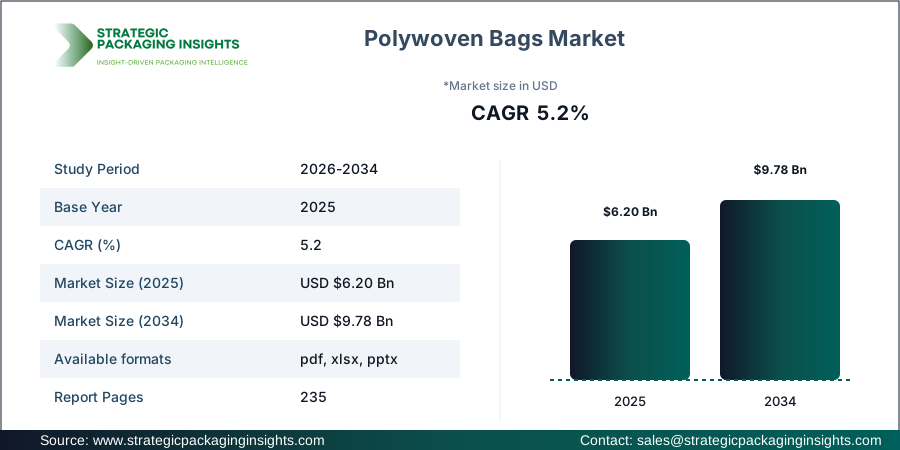
The Polywoven Bags market size was valued at USD 6.20 billion in 2025 and is anticipated to reach USD 9.78 billion by 2034, growing at a CAGR of 5.2% during the forecast period according to Strategic Packaging Insights. The market is witnessing robust growth driven by the increasing demand for durable and cost-effective packaging solutions across various industries. Companies like Mondi and LC Packaging are leading the charge in innovation, focusing on enhancing the strength and versatility of polywoven bags to cater to diverse applications. The agricultural sector, in particular, is a significant contributor to market demand, utilizing these bags for the storage and transportation of grains and fertilizers.
One of the most impactful drivers of the Polywoven Bags market is the rising awareness and implementation of sustainable packaging solutions. Governments and environmental bodies are increasingly advocating for eco-friendly packaging alternatives, which has led to a surge in demand for recyclable and reusable polywoven bags. This trend is supported by initiatives such as the European Union's directive on reducing plastic waste, which encourages the use of sustainable materials in packaging. Companies like Muscat Polymers and UFlex are investing in research and development to produce eco-friendly polywoven bags that meet regulatory standards while maintaining functionality and durability.
Report Scope
| Attributes | Details |
| Report Title | Polywoven Bags Market Size, Future Growth and Forecast 2034 |
| By Material Type | PP Woven, PE Woven, Laminated Woven Fabric |
| By Bag Type | Valve Bags, Open Mouth Bags, Gusseted Bags, Block Bottom Bags |
| By Application | Agriculture, Cement, Chemicals, Food Ingredients |
| By End Use | Agriculture, Construction, Chemicals, Food |
| Region | Asia Pacific, North America, Latin America, Europe, Middle East & Africa |
| Base Year | 2025 |
| Historic Period | 2018-2024 |
| Forecast Period | 2026-2034 |
| Number of Pages | 235 |
| Customization Available | Yes* |
Sustainability & Circular Economy Analysis
Sustainability initiatives are reshaping the Polywoven Bags market, with a strong emphasis on reducing environmental impact through innovative packaging solutions. The integration of recyclable materials and reusable packaging designs is becoming a standard practice among manufacturers. Companies are increasingly adopting lightweight packaging to minimize material usage and reduce carbon footprints. This shift is driven by consumer preferences for eco-friendly products and stringent packaging regulations aimed at waste reduction. As a result, businesses are investing in eco-friendly material innovations to enhance their competitive edge and align with environmental, social, and governance (ESG) initiatives.
The circular economy model is gaining traction in the packaging industry, influencing the design and manufacturing processes of polywoven bags. By focusing on waste reduction strategies and extended producer responsibility (EPR), companies are creating closed-loop systems that promote recycling and reuse. This approach not only supports regulatory compliance but also enhances long-term market competitiveness. Packaging manufacturers are leveraging these trends to optimize their supply chain strategies, ensuring efficient resource utilization and minimizing environmental impact. As a result, investment decisions are increasingly guided by sustainability considerations, driving growth in the polywoven bags market.
Consumer sustainability preferences are playing a pivotal role in shaping the future of the Polywoven Bags market. As awareness of environmental issues grows, consumers are demanding packaging solutions that align with their values. This shift is prompting companies to innovate and offer products that meet these expectations. The adoption of eco-friendly packaging is not only a response to consumer demand but also a strategic move to differentiate brands in a competitive market. By prioritizing sustainability, businesses can enhance their brand image, attract environmentally conscious consumers, and secure a loyal customer base.
Packaging Value Chain & Supply Chain Analysis
The packaging value chain for polywoven bags encompasses a complex ecosystem involving raw material sourcing, manufacturing, logistics, and distribution. Raw material availability, particularly polypropylene and polyethylene, plays a crucial role in determining production capabilities and cost efficiency. Packaging converters and manufacturers like Berry Global and Kanpur Plastipack are pivotal in transforming these materials into high-quality polywoven bags. Strategic partnerships with suppliers and logistics providers ensure a seamless flow of materials and products, enhancing supply chain resilience and market competitiveness.
Supply chain efficiency is a critical factor influencing the overall performance of the Polywoven Bags market. Companies are adopting advanced procurement strategies and inventory management practices to optimize their operations. Localization and global sourcing are key considerations, as they impact transportation costs and lead times. By leveraging technology and data analytics, businesses can enhance their supply chain visibility and responsiveness, ensuring timely delivery of products to retailers and end-users. This approach not only improves customer satisfaction but also strengthens brand loyalty and market position.
Recycling networks and sustainable practices are integral to the packaging value chain, promoting environmental responsibility and regulatory compliance. Companies are investing in recycling infrastructure and collaborating with stakeholders to create a circular economy for polywoven bags. This initiative supports waste reduction and resource conservation, aligning with global sustainability goals. By integrating recycling into their supply chain strategies, businesses can reduce their environmental impact and enhance their reputation as responsible corporate citizens. This commitment to sustainability is a key differentiator in the competitive packaging market, driving growth and innovation.
Opportunities & Threats
The Polywoven Bags market presents numerous opportunities for growth, driven by the increasing demand for sustainable packaging solutions. The agricultural sector, in particular, offers significant potential for expansion, as farmers seek durable and cost-effective packaging for their produce. The construction industry also presents opportunities, with polywoven bags being used for the transportation and storage of building materials. Companies can capitalize on these opportunities by developing innovative products that meet the specific needs of these industries. Additionally, the growing trend towards eco-friendly packaging provides an opportunity for businesses to differentiate themselves and capture a larger market share.
Emerging markets in Asia Pacific and Latin America offer promising growth prospects for the Polywoven Bags market. Rapid industrialization and urbanization in these regions are driving demand for packaging solutions across various sectors. Companies can leverage this trend by expanding their operations and establishing a strong presence in these markets. Strategic partnerships and collaborations with local distributors and retailers can enhance market penetration and increase brand visibility. Furthermore, advancements in technology and manufacturing processes provide opportunities for companies to improve product quality and reduce production costs, enhancing their competitive advantage.
Despite the opportunities, the Polywoven Bags market faces several threats that could hinder growth. Fluctuating raw material prices, particularly for polypropylene and polyethylene, pose a significant challenge for manufacturers. These price fluctuations can impact production costs and profit margins, making it difficult for companies to maintain competitive pricing. Additionally, stringent environmental regulations and compliance requirements can increase operational costs and limit market entry for new players. Companies must navigate these challenges by adopting sustainable practices and investing in research and development to create innovative, cost-effective solutions that meet regulatory standards.
Drivers & Challenges
The Polywoven Bags market is driven by several key factors, including the increasing demand for durable and versatile packaging solutions. The agricultural sector is a major driver, with polywoven bags being used extensively for the storage and transportation of grains, seeds, and fertilizers. The construction industry also contributes to market growth, as these bags are used for packaging cement, sand, and other building materials. Additionally, the growing awareness of environmental issues and the demand for sustainable packaging solutions are driving innovation and investment in the market. Companies are focusing on developing eco-friendly products that meet consumer preferences and regulatory requirements.
Technological advancements in manufacturing processes are another significant driver of the Polywoven Bags market. Innovations in material science and production techniques have led to the development of high-quality, cost-effective polywoven bags that offer superior strength and durability. These advancements have enabled manufacturers to meet the diverse needs of various industries, enhancing their competitive advantage. Furthermore, the increasing adoption of automation and digital technologies in production facilities is improving efficiency and reducing operational costs, driving market growth. Companies are leveraging these technologies to optimize their operations and deliver high-quality products to customers.
Despite the positive drivers, the Polywoven Bags market faces several challenges that could impact growth. One of the primary challenges is the fluctuating prices of raw materials, such as polypropylene and polyethylene. These price fluctuations can affect production costs and profit margins, making it difficult for companies to maintain competitive pricing. Additionally, stringent environmental regulations and compliance requirements pose a challenge for manufacturers, as they must invest in sustainable practices and technologies to meet these standards. Companies must navigate these challenges by adopting innovative solutions and strategic partnerships to ensure long-term success in the market.
Market Share Analysis
The competitive landscape of the Polywoven Bags market is characterized by the presence of several key players, each striving to enhance their market position through innovation and strategic partnerships. Companies like Mondi and LC Packaging are leading the market with their extensive product portfolios and strong distribution networks. These companies are focusing on expanding their global presence and investing in research and development to create innovative packaging solutions that meet the evolving needs of consumers. The market is also witnessing increased competition from regional players, who are leveraging their local expertise and cost advantages to capture market share.
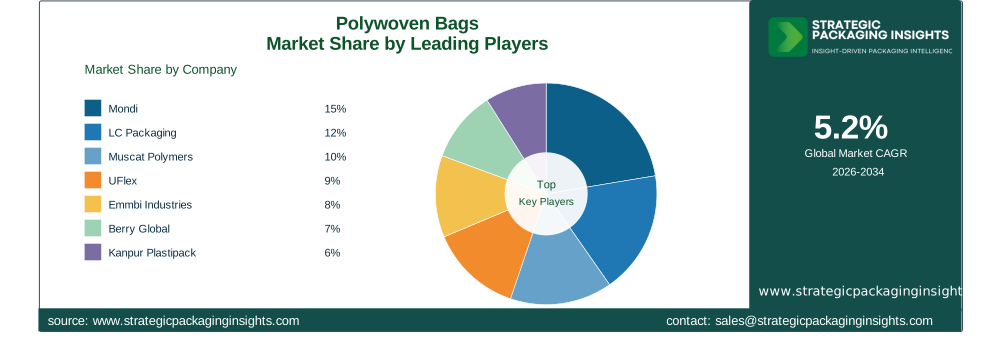
Mondi, a global leader in packaging and paper, is known for its innovative solutions and commitment to sustainability. The company offers a wide range of polywoven bags designed for various applications, including agriculture, construction, and chemicals. Mondi's focus on eco-friendly packaging and its extensive distribution network have helped it maintain a strong market position. LC Packaging, another major player, specializes in the production of high-quality polywoven bags for the agricultural and industrial sectors. The company's emphasis on quality and customer service has enabled it to build a loyal customer base and expand its market reach.
Muscat Polymers, a leading manufacturer of polywoven bags, is known for its advanced manufacturing capabilities and commitment to quality. The company offers a diverse range of products, including valve bags, open mouth bags, and gusseted bags, catering to various industries. Muscat Polymers' focus on innovation and sustainability has helped it establish a strong presence in the market. UFlex, a global packaging company, is renowned for its cutting-edge technology and innovative solutions. The company's polywoven bags are designed to meet the highest standards of quality and performance, making them a preferred choice for customers worldwide.
Emmbi Industries, a prominent player in the Polywoven Bags market, is known for its extensive product range and commitment to sustainability. The company offers a variety of polywoven bags for different applications, including agriculture, chemicals, and food. Emmbi Industries' focus on research and development has enabled it to create innovative products that meet the evolving needs of consumers. Berry Global, a leading provider of packaging solutions, is recognized for its high-quality polywoven bags and strong customer relationships. The company's emphasis on sustainability and innovation has helped it maintain a competitive edge in the market.
Key Highlights
- Market Size: The Polywoven Bags market was valued at USD 6.20 billion in 2025 and is projected to reach USD 9.78 billion by 2034.
- Growth Rate: The market is expected to grow at a CAGR of 5.2% during the forecast period.
- Leading Companies: Key players include Mondi, LC Packaging, Muscat Polymers, and UFlex.
- Material Type: PP Woven and PE Woven are the dominant material types.
- Application Segments: Agriculture and construction are major application areas driving demand.
- Regional Growth: Asia Pacific is expected to witness the highest growth rate.
- Sustainability Focus: Increasing demand for eco-friendly and recyclable packaging solutions.
Polywoven Bags Market Segments Insights

By Material Type Analysis
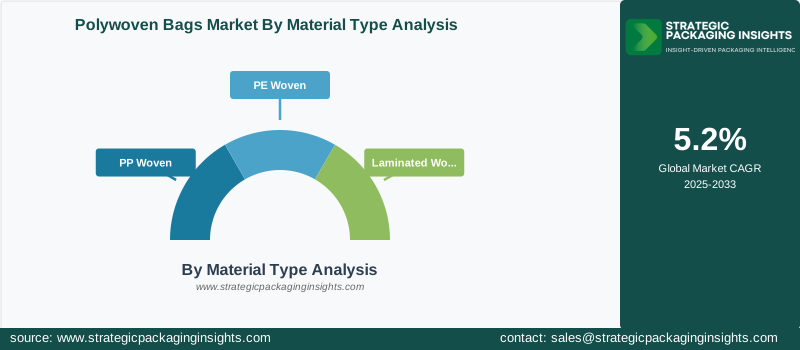
The Polywoven Bags market is segmented by material type into PP Woven, PE Woven, and Laminated Woven Fabric. PP Woven bags are the most widely used due to their durability, cost-effectiveness, and versatility. These bags are ideal for packaging agricultural products, cement, and chemicals, making them a preferred choice for various industries. The demand for PE Woven bags is also growing, driven by their lightweight nature and resistance to moisture. Laminated Woven Fabric bags offer additional protection and are used for packaging sensitive products that require extra care during transportation and storage.
Innovation in material technology is a key driver for this segment, with companies investing in research and development to enhance the performance and sustainability of their products. The focus on eco-friendly materials is gaining momentum, as manufacturers seek to reduce their environmental impact and comply with stringent regulations. The development of biodegradable and recyclable woven fabrics is a significant trend, offering opportunities for companies to differentiate themselves in the competitive market. As consumer preferences shift towards sustainable packaging, the demand for innovative material solutions is expected to rise.
By Bag Type Analysis
The Polywoven Bags market is categorized by bag type into Valve Bags, Open Mouth Bags, Gusseted Bags, and Block Bottom Bags. Valve Bags are popular in the construction and chemical industries due to their efficient filling and sealing capabilities. These bags are designed to prevent leakage and contamination, ensuring the safe transportation of materials. Open Mouth Bags are widely used in the agricultural sector for packaging grains and seeds, offering easy access and handling. Gusseted Bags provide additional space and stability, making them suitable for bulky products.
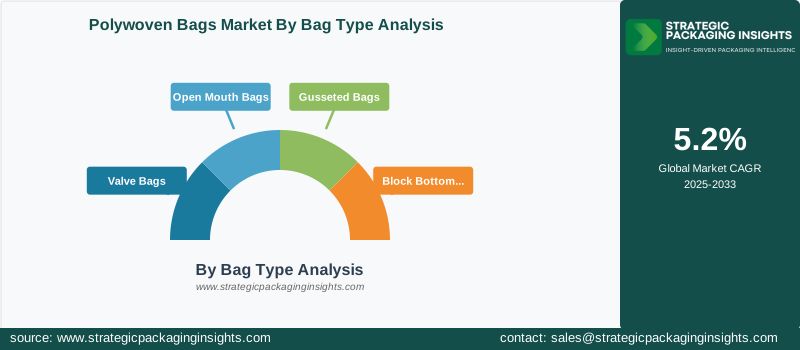
Block Bottom Bags are gaining traction due to their unique design, which allows them to stand upright and maintain their shape. This feature enhances storage efficiency and product presentation, making them a preferred choice for retail applications. The demand for customized bag solutions is increasing, as companies seek to meet the specific needs of their customers. Manufacturers are focusing on developing innovative designs and features to enhance the functionality and appeal of their products. The growing trend towards automation in packaging processes is also driving the demand for advanced bag types that offer ease of use and efficiency.
By Application Analysis
The Polywoven Bags market is segmented by application into Agriculture, Cement, Chemicals, and Food Ingredients. The agriculture sector is the largest application segment, driven by the need for durable and cost-effective packaging solutions for grains, seeds, and fertilizers. Polywoven bags are ideal for this sector due to their strength, moisture resistance, and ability to withstand harsh environmental conditions. The cement industry is another major application area, with polywoven bags being used for the packaging and transportation of cement and other construction materials.
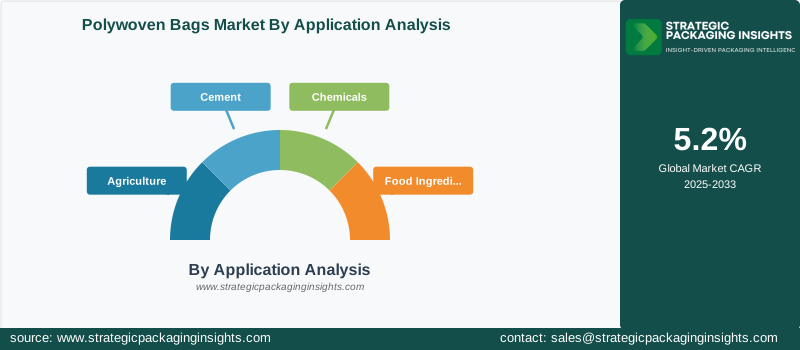
The chemicals sector is witnessing increased demand for polywoven bags, as they provide a safe and reliable packaging solution for hazardous materials. The food ingredients segment is also growing, driven by the need for hygienic and secure packaging for bulk food products. Companies are focusing on developing specialized bags that meet the specific requirements of each application, enhancing their market presence and competitiveness. The trend towards sustainable packaging is influencing the development of eco-friendly solutions that cater to the diverse needs of these industries.
By End Use Analysis
The Polywoven Bags market is segmented by end use into Agriculture, Construction, Chemicals, and Food. The agriculture sector is the largest end-use segment, with polywoven bags being used extensively for the storage and transportation of agricultural products. The construction industry is another significant end-use segment, driven by the demand for durable and cost-effective packaging solutions for building materials. The chemicals sector is also a major end-user, with polywoven bags providing a safe and reliable packaging solution for hazardous materials.
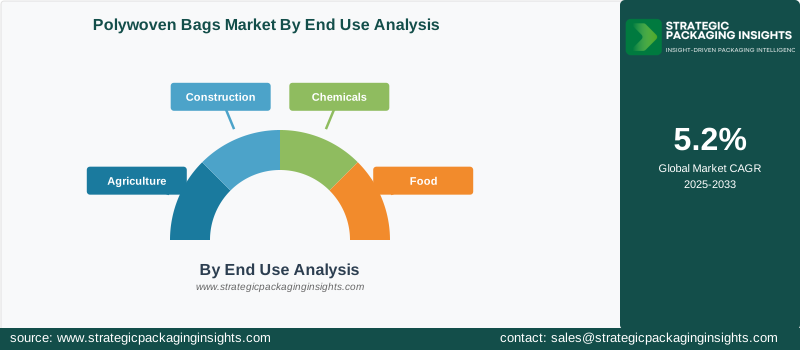
The food industry is witnessing increased demand for polywoven bags, as they offer hygienic and secure packaging for bulk food products. Companies are focusing on developing specialized bags that meet the specific requirements of each end-use segment, enhancing their market presence and competitiveness. The trend towards sustainable packaging is influencing the development of eco-friendly solutions that cater to the diverse needs of these industries. As consumer preferences shift towards sustainable packaging, the demand for innovative end-use solutions is expected to rise.
Polywoven Bags Market Segments
The Polywoven Bags market has been segmented on the basis ofBy Material Type
- PP Woven
- PE Woven
- Laminated Woven Fabric
By Bag Type
- Valve Bags
- Open Mouth Bags
- Gusseted Bags
- Block Bottom Bags
By Application
- Agriculture
- Cement
- Chemicals
- Food Ingredients
By End Use
- Agriculture
- Construction
- Chemicals
- Food
Region
- Asia Pacific
- North America
- Latin America
- Europe
- Middle East & Africa




