


Plastic Tumblers Market Outlook
The plastic tumblers market was valued at $1.64 billion in 2025 and is projected to reach $2.63 billion by 2034, growing at a CAGR of 5.4% during the forecast period 2026-2034. This growth is driven by increasing consumer preference for lightweight and durable drinkware solutions, particularly in the foodservice and hospitality sectors. The rising trend of outdoor dining and the growing popularity of casual dining experiences have further fueled the demand for plastic tumblers. Additionally, the market benefits from the versatility of plastic materials, which allow for a wide range of designs and customization options, appealing to both individual consumers and businesses looking for promotional items.
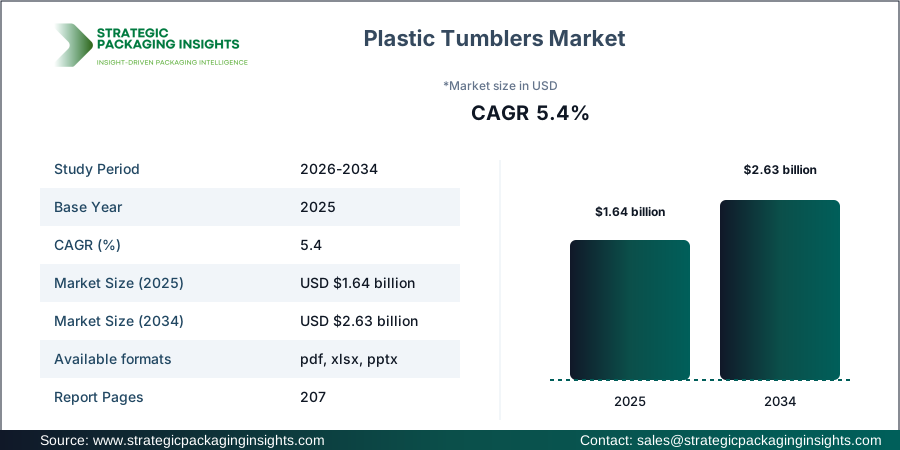
However, the market faces challenges due to environmental concerns associated with plastic waste. Regulatory pressures and increasing consumer awareness about sustainability are pushing manufacturers to innovate and develop eco-friendly alternatives. Despite these challenges, the market holds significant growth potential, particularly with advancements in biodegradable plastics and recycling technologies. The shift towards sustainable practices presents opportunities for companies to differentiate themselves and capture a larger market share by offering environmentally friendly products.
Report Scope
| Attributes | Details |
| Report Title | Plastic Tumblers Market Size, Future Growth and Forecast 2034 |
| Material | PP, PET, Acrylic |
| Type | Reusable, Disposable |
| Application | Beverage, Promotional, Foodservice |
| End Use | Household, HoReCa, Events |
| Region | Asia Pacific, North America, Latin America, Europe, Middle East & Africa |
| Base Year | 2025 |
| Historic Period | 2018-2024 |
| Forecast Period | 2026-2034 |
| Number of Pages | 207 |
| Customization Available | Yes* |
Opportunities & Threats
The plastic tumblers market presents numerous opportunities, particularly in the realm of product innovation and sustainability. As consumers become more environmentally conscious, there is a growing demand for eco-friendly and biodegradable plastic tumblers. Companies that invest in research and development to create sustainable alternatives can capitalize on this trend and gain a competitive edge. Additionally, the increasing popularity of personalized and customizable products offers opportunities for manufacturers to cater to niche markets and enhance customer engagement. The rise of e-commerce platforms also provides a significant opportunity for market expansion, allowing companies to reach a broader audience and increase their sales channels.
Another opportunity lies in the expanding foodservice industry, particularly in emerging markets. As disposable income levels rise and urbanization continues, there is a growing demand for convenient and affordable dining options, driving the need for plastic tumblers in restaurants, cafes, and fast-food chains. The trend of outdoor events and festivals also contributes to the demand for durable and lightweight drinkware solutions. Companies that can effectively tap into these markets and establish strong distribution networks will be well-positioned to capitalize on the growing demand for plastic tumblers.
Despite the opportunities, the plastic tumblers market faces several threats, primarily related to environmental concerns and regulatory pressures. The increasing focus on reducing plastic waste and promoting sustainability has led to stricter regulations on plastic products, which could impact the production and sales of plastic tumblers. Additionally, the growing popularity of alternative materials, such as glass and stainless steel, poses a threat to the market as consumers seek more sustainable options. Companies must navigate these challenges by investing in sustainable practices and developing innovative solutions to remain competitive in the market.
Drivers & Challenges
The plastic tumblers market is driven by several key factors, including the increasing demand for lightweight and durable drinkware solutions. Plastic tumblers offer a cost-effective alternative to traditional glassware, making them popular in the foodservice and hospitality sectors. The versatility of plastic materials allows for a wide range of designs and customization options, appealing to both individual consumers and businesses looking for promotional items. Additionally, the growing trend of outdoor dining and casual dining experiences has further fueled the demand for plastic tumblers, as they provide a convenient and practical solution for serving beverages in various settings.
Another significant driver is the rise of the foodservice industry, particularly in emerging markets. As disposable income levels increase and urbanization continues, there is a growing demand for convenient and affordable dining options, driving the need for plastic tumblers in restaurants, cafes, and fast-food chains. The trend of outdoor events and festivals also contributes to the demand for durable and lightweight drinkware solutions. Companies that can effectively tap into these markets and establish strong distribution networks will be well-positioned to capitalize on the growing demand for plastic tumblers.
However, the market faces challenges related to environmental concerns and regulatory pressures. The increasing focus on reducing plastic waste and promoting sustainability has led to stricter regulations on plastic products, which could impact the production and sales of plastic tumblers. Additionally, the growing popularity of alternative materials, such as glass and stainless steel, poses a threat to the market as consumers seek more sustainable options. Companies must navigate these challenges by investing in sustainable practices and developing innovative solutions to remain competitive in the market.
Market Share Analysis
The competitive landscape of the plastic tumblers market is characterized by the presence of several key players, each striving to capture a significant share of the market. Tupperware, a well-known brand in the household products sector, holds a substantial market share due to its strong brand recognition and extensive distribution network. Cambro and Carlisle are also prominent players, particularly in the foodservice industry, where their durable and high-quality products are highly sought after. Libbey, known for its glassware, has also ventured into the plastic tumblers market, leveraging its expertise in drinkware to offer innovative solutions.
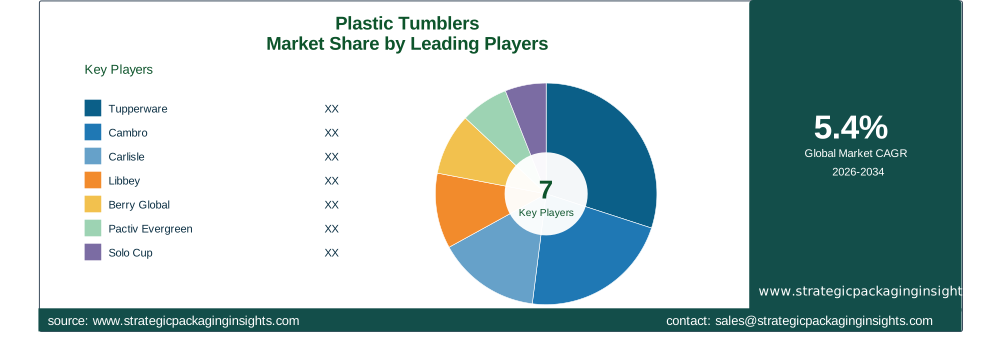
Berry Global and Pactiv Evergreen are major players in the packaging industry, and their entry into the plastic tumblers market has been marked by a focus on sustainability and eco-friendly products. Solo Cup, a subsidiary of Dart Container Corporation, is a leading manufacturer of disposable plastic products, including tumblers, and holds a significant market share due to its extensive product range and strong distribution channels. Soplast and Fineline are also key players, known for their innovative designs and customization options, catering to both individual consumers and businesses looking for promotional items.
Darnel, a company with a strong presence in Latin America, has been expanding its market share by offering a wide range of plastic tumblers that cater to the diverse needs of consumers in the region. The competitive landscape is further intensified by the presence of numerous regional and local players, each vying for a share of the growing market. Companies are increasingly focusing on product innovation, sustainability, and strategic partnerships to strengthen their market position and gain a competitive edge.
Key Highlights
- The plastic tumblers market is projected to grow at a CAGR of 5.4% from 2026 to 2034.
- Increasing demand for lightweight and durable drinkware solutions is driving market growth.
- Environmental concerns and regulatory pressures pose challenges to market expansion.
- Product innovation and sustainability are key focus areas for market players.
- The foodservice industry is a significant driver of demand for plastic tumblers.
- Emerging markets offer significant growth opportunities for market expansion.
- Companies are investing in eco-friendly alternatives to meet consumer demand.
- Customization and personalization trends are gaining traction in the market.
- Online sales channels are becoming increasingly important for market players.
- Strategic partnerships and collaborations are key strategies for market growth.
Top Countries Insights
In the United States, the plastic tumblers market is driven by the strong presence of the foodservice industry and the increasing popularity of outdoor dining experiences. The market size is estimated at $650 million, with a CAGR of 4%. The demand for lightweight and durable drinkware solutions is a key growth driver, along with the trend of customization and personalization. However, environmental concerns and regulatory pressures pose challenges to market expansion.
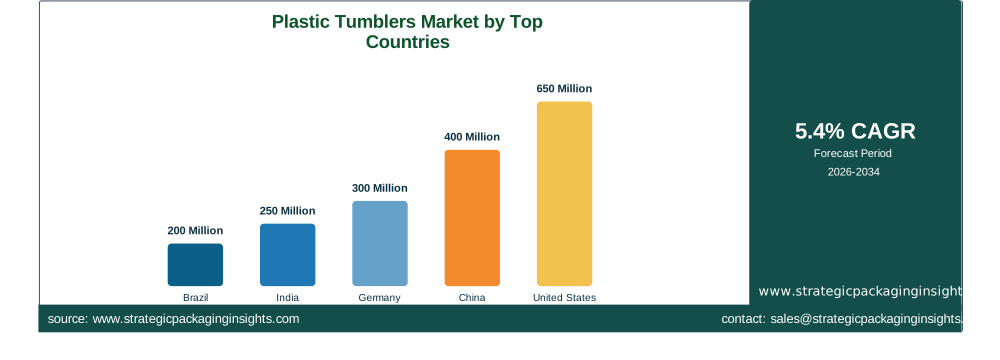
China, with its rapidly growing middle class and increasing disposable income levels, presents significant growth opportunities for the plastic tumblers market. The market size is estimated at $400 million, with a CAGR of 6%. The expanding foodservice industry and the trend of urbanization are key growth drivers, while the focus on sustainability and eco-friendly products presents both opportunities and challenges for market players.
In Germany, the market is driven by the strong presence of the hospitality industry and the increasing demand for convenient and affordable dining options. The market size is estimated at $300 million, with a CAGR of 5%. The trend of outdoor events and festivals contributes to the demand for plastic tumblers, while regulatory pressures and the popularity of alternative materials pose challenges to market growth.
India, with its large population and growing middle class, offers significant growth potential for the plastic tumblers market. The market size is estimated at $250 million, with a CAGR of 7%. The expanding foodservice industry and the trend of urbanization are key growth drivers, while the focus on sustainability and eco-friendly products presents both opportunities and challenges for market players.
In Brazil, the market is driven by the increasing demand for convenient and affordable dining options, particularly in urban areas. The market size is estimated at $200 million, with a CAGR of 5%. The trend of outdoor events and festivals contributes to the demand for plastic tumblers, while regulatory pressures and the popularity of alternative materials pose challenges to market growth.
Plastic Tumblers Market Segments Insights

Material Analysis
The plastic tumblers market is segmented by material into PP, PET, and acrylic. Polypropylene (PP) is widely used due to its durability and cost-effectiveness, making it a popular choice for both disposable and reusable tumblers. The material's resistance to chemicals and heat makes it suitable for various applications, including foodservice and household use. PET, known for its clarity and recyclability, is gaining traction as an eco-friendly alternative, particularly in the beverage industry. Acrylic, with its glass-like appearance and lightweight properties, is favored for promotional and high-end applications, offering a premium look without the fragility of glass.

The demand for eco-friendly materials is driving innovation in the market, with manufacturers exploring biodegradable and recyclable options to meet consumer preferences and regulatory requirements. The trend towards sustainability is expected to influence material choices, with companies investing in research and development to create environmentally friendly alternatives. The competition among materials is intense, with each offering unique advantages and catering to different consumer needs and preferences.
Type Analysis
The market is also segmented by type into reusable and disposable plastic tumblers. Reusable tumblers are gaining popularity due to their environmental benefits and cost savings over time. Consumers are increasingly opting for reusable options as part of their efforts to reduce plastic waste and promote sustainability. These tumblers are often made from durable materials like PP and acrylic, offering long-lasting performance and versatility for various applications.

Disposable tumblers, on the other hand, remain a staple in the foodservice industry, particularly for events and outdoor dining experiences where convenience is a priority. The demand for disposable options is driven by their affordability and ease of use, making them ideal for high-volume settings. However, the environmental impact of disposable plastics is a growing concern, prompting manufacturers to develop biodegradable and compostable alternatives to address consumer and regulatory demands.
Application Analysis
By application, the plastic tumblers market is segmented into beverage, promotional, and foodservice. The beverage segment is the largest, driven by the demand for lightweight and durable drinkware solutions in both household and commercial settings. Plastic tumblers are widely used for serving a variety of beverages, from water and soft drinks to cocktails and smoothies, offering a practical and cost-effective alternative to glassware.

The promotional segment is also significant, with companies leveraging plastic tumblers as marketing tools to enhance brand visibility and customer engagement. Customization and personalization trends are driving demand in this segment, with businesses seeking unique and eye-catching designs to stand out in a competitive market. The foodservice segment, encompassing restaurants, cafes, and catering services, relies heavily on plastic tumblers for their convenience and versatility, catering to the diverse needs of consumers in various dining environments.
End Use Analysis
The market is further segmented by end use into household, HoReCa (hotels, restaurants, and cafes), and events. The household segment is driven by the increasing demand for durable and affordable drinkware solutions for everyday use. Consumers are opting for plastic tumblers due to their practicality and ease of maintenance, making them a popular choice for families and individuals alike.

The HoReCa segment is a major driver of demand, with plastic tumblers offering a cost-effective and versatile solution for serving beverages in high-volume settings. The trend of outdoor dining and casual dining experiences has further fueled demand in this segment, as businesses seek durable and lightweight options to enhance customer experiences. The events segment, encompassing outdoor festivals, concerts, and parties, relies on plastic tumblers for their convenience and practicality, catering to the needs of large crowds and diverse beverage offerings.
Plastic Tumblers Market Segments
The Plastic Tumblers market has been segmented on the basis ofMaterial
- PP
- PET
- Acrylic
Type
- Reusable
- Disposable
Application
- Beverage
- Promotional
- Foodservice
End Use
- Household
- HoReCa
- Events
Region
- Asia Pacific
- North America
- Latin America
- Europe
- Middle East & Africa




