


Plastic Sleeve Market Outlook
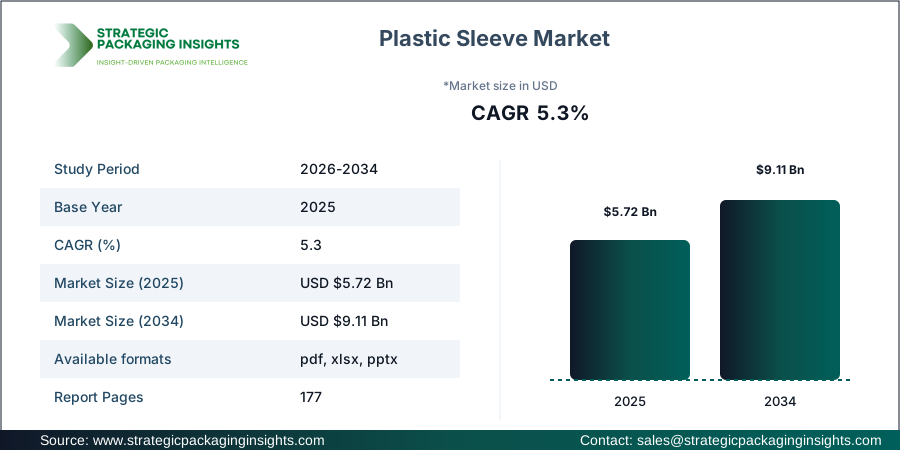
The Plastic Sleeve market size was valued at USD 5.72 billion in 2025 and is anticipated to reach USD 9.11 billion by 2034, growing at a CAGR of 5.3% during the forecast period according to Strategic Packaging Insights. The market is witnessing robust growth driven by increasing demand for versatile and durable packaging solutions across various industries. CCL Industries, a leading player in the market, is capitalizing on this trend by offering innovative sleeve solutions that cater to the evolving needs of consumers and businesses alike. The versatility of plastic sleeves in providing tamper-evident, protective, and decorative functions makes them an attractive choice for manufacturers looking to enhance product appeal and safety.
One of the most impactful drivers of the Plastic Sleeve market is the growing emphasis on sustainability and eco-friendly packaging solutions. According to recent reports, governments worldwide are implementing stringent regulations to reduce plastic waste, which is pushing manufacturers to adopt recyclable and biodegradable materials. Berry Global, for instance, is investing heavily in R&D to develop sustainable sleeve options that align with these regulatory requirements. This shift towards sustainability is not only helping companies comply with regulations but also enhancing their brand image and appeal to environmentally conscious consumers.
Report Scope
| Attributes | Details |
| Report Title | Plastic Sleeve Market Size, Future Growth and Forecast 2034 |
| By Material Type | PVC, PETG, OPS, PE |
| By Sleeve Type | Shrink Sleeves, Protective Sleeves, Tamper-Evident Sleeves, Insulating Sleeves |
| By Application | Bottles, Cans, Industrial Components, Retail Products |
| By End Use | Food & Beverage, FMCG, Industrial, Healthcare |
| Region | Asia Pacific, North America, Latin America, Europe, Middle East & Africa |
| Base Year | 2025 |
| Historic Period | 2018-2024 |
| Forecast Period | 2026-2034 |
| Number of Pages | 177 |
| Customization Available | Yes* |
Sustainability & Circular Economy Analysis
Sustainability initiatives are significantly reshaping the Plastic Sleeve market, with a strong focus on recyclable materials and eco-friendly innovations. Companies like Sleever International are pioneering the use of lightweight and biodegradable materials, which not only reduce the carbon footprint but also align with consumer preferences for sustainable packaging. The integration of circular economy practices is encouraging manufacturers to design sleeves that can be easily recycled, thus minimizing waste and promoting resource efficiency.
The influence of sustainability trends extends to packaging design and manufacturing processes. As companies strive to meet ESG goals, there is a noticeable shift towards using renewable resources and reducing energy consumption during production. This trend is driving investment decisions, as businesses prioritize eco-friendly technologies and materials to stay competitive. Regulatory compliance is also a key factor, with governments enforcing extended producer responsibility (EPR) policies that hold manufacturers accountable for the end-of-life management of their products.
Long-term market competitiveness is increasingly tied to a company's ability to innovate in sustainable packaging. As consumer preferences shift towards greener options, companies that fail to adapt may find themselves at a disadvantage. The adoption of waste reduction strategies and carbon footprint reduction initiatives is becoming a critical component of supply chain strategies, influencing everything from raw material sourcing to distribution. This focus on sustainability is not only beneficial for the environment but also enhances brand loyalty and market positioning.
Packaging Value Chain & Supply Chain Analysis
The packaging value chain for plastic sleeves is complex, involving multiple stakeholders from raw material suppliers to end-users. Raw material sourcing is a critical component, with companies like Klöckner Pentaplast ensuring a steady supply of high-quality polymers to maintain production efficiency. Packaging converters and manufacturers play a pivotal role in transforming these materials into finished products, utilizing advanced machinery and technology to meet diverse market demands.
Logistics and distribution channels are equally important in the supply chain ecosystem. Efficient transportation and inventory management are essential for maintaining supply chain resilience and meeting customer expectations. Companies like UFlex are leveraging strategic partnerships and global sourcing to enhance their distribution capabilities, ensuring timely delivery and reducing operational costs. Localization strategies are also gaining traction, as businesses seek to minimize risks associated with global supply chain disruptions.
Recycling networks are becoming increasingly integrated into the packaging value chain, driven by the need for sustainable practices. Brand owners and retailers are collaborating with recycling firms to ensure that plastic sleeves are collected and processed efficiently. This collaboration not only supports environmental goals but also enhances the overall market performance by reducing waste and promoting circularity. As a result, companies that invest in robust recycling and waste management systems are likely to gain a competitive edge in the market.
Opportunities & Threats
The Plastic Sleeve market presents numerous opportunities for growth, particularly in emerging economies where demand for packaged goods is rising. The expansion of the food and beverage industry in regions like Asia Pacific and Latin America is driving the need for innovative packaging solutions. Companies like Multi-Color Corporation are capitalizing on this trend by expanding their product offerings and entering new markets. Additionally, advancements in printing technology are enabling manufacturers to create visually appealing sleeves that enhance brand recognition and consumer engagement.
Another significant opportunity lies in the development of smart packaging solutions. As the Internet of Things (IoT) continues to evolve, there is potential for integrating smart features into plastic sleeves, such as QR codes and NFC tags, to provide consumers with interactive experiences. This innovation not only adds value to the product but also opens up new revenue streams for manufacturers. Companies that invest in R&D to explore these possibilities are likely to gain a competitive advantage in the market.
However, the market also faces threats, particularly from regulatory challenges and environmental concerns. Stringent regulations on plastic usage and waste management are compelling manufacturers to rethink their production processes and materials. Companies that fail to comply with these regulations risk facing penalties and losing market share. Additionally, the growing consumer preference for sustainable packaging alternatives poses a threat to traditional plastic sleeve products. To mitigate these risks, companies must invest in sustainable innovations and adapt to changing market dynamics.
Drivers & Challenges
One of the primary drivers of the Plastic Sleeve market is the increasing demand for convenient and attractive packaging solutions. The versatility of plastic sleeves in providing tamper-evident, protective, and decorative functions makes them an attractive choice for manufacturers looking to enhance product appeal and safety. Companies like Huhtamaki are leveraging this trend by offering a wide range of sleeve options that cater to various industries, from food and beverage to healthcare.
Technological advancements in printing and material science are also driving market growth. Innovations in digital printing technology are enabling manufacturers to produce high-quality, customized sleeves that meet the specific needs of brand owners. This capability not only enhances product differentiation but also allows for greater flexibility in design and production. As a result, companies that invest in cutting-edge technology are well-positioned to capture a larger share of the market.
Despite these drivers, the market faces several challenges, including fluctuating raw material prices and supply chain disruptions. The reliance on petroleum-based polymers makes the market vulnerable to price volatility, which can impact production costs and profitability. Additionally, global supply chain disruptions, such as those caused by the COVID-19 pandemic, have highlighted the need for greater resilience and flexibility in sourcing and logistics. Companies must adopt robust risk management strategies to navigate these challenges and maintain their competitive edge.
Market Share Analysis
The competitive landscape of the Plastic Sleeve market is characterized by the presence of several key players, each striving to capture a significant share of the market. CCL Industries, a leader in the industry, holds a substantial market share due to its extensive product portfolio and global reach. The company's focus on innovation and sustainability has enabled it to maintain a competitive edge and meet the evolving needs of its customers.
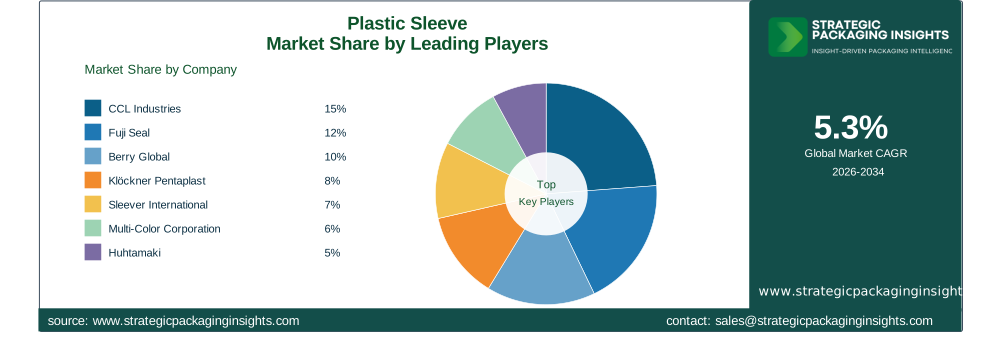
Fuji Seal is another major player, known for its advanced manufacturing capabilities and commitment to quality. The company's strategic partnerships and investments in R&D have positioned it as a leader in the development of innovative sleeve solutions. Berry Global, with its strong emphasis on sustainability, is also a prominent player in the market. The company's efforts to reduce its environmental impact and develop eco-friendly products have resonated well with consumers and regulators alike.
Klöckner Pentaplast and Sleever International are also key players in the market, each with a unique approach to product development and customer engagement. Klöckner Pentaplast's focus on high-performance materials and Sleever International's expertise in decorative sleeves have enabled them to capture significant market share. Multi-Color Corporation, Huhtamaki, and UFlex are other notable players, each contributing to the market's growth through their innovative solutions and strategic initiatives.
Brook + Whittle and Coveris round out the list of major players, with each company leveraging its strengths to compete in the market. Brook + Whittle's focus on sustainable packaging and Coveris's commitment to quality and customer service have helped them establish a strong presence in the industry. As the market continues to evolve, these companies are likely to play a crucial role in shaping its future direction.
Key Highlights
- Market Size: The Plastic Sleeve market was valued at USD 5.72 billion in 2025 and is projected to reach USD 9.11 billion by 2034.
- Growth Rate: The market is expected to grow at a CAGR of 5.3% during the forecast period.
- Leading Companies: Key players include CCL Industries, Fuji Seal, Berry Global, and Klöckner Pentaplast.
- Material Innovation: Increasing use of recyclable and biodegradable materials in sleeve production.
- Regional Growth: Asia Pacific is expected to witness significant growth due to rising demand for packaged goods.
- Technological Advancements: Innovations in digital printing and smart packaging solutions are driving market growth.
- Sustainability Focus: Companies are investing in eco-friendly packaging solutions to meet regulatory requirements and consumer preferences.
Plastic Sleeve Market Segments Insights
By Material Type Analysis
The Plastic Sleeve market is segmented by material type into PVC, PETG, OPS, and PE, each offering unique benefits and applications. PVC is widely used due to its durability and cost-effectiveness, making it a popular choice for various packaging needs. However, environmental concerns are driving a shift towards more sustainable materials like PETG and OPS, which offer similar benefits with a reduced environmental impact. Companies like Berry Global are investing in R&D to develop innovative materials that meet both performance and sustainability criteria.
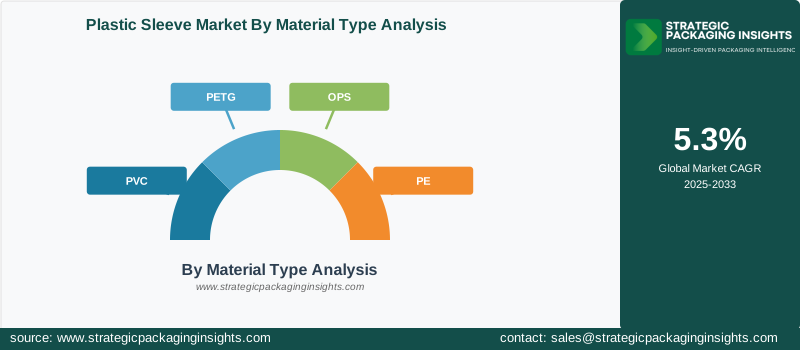
PETG is gaining traction due to its excellent clarity and recyclability, making it ideal for applications where product visibility is crucial. OPS, on the other hand, offers superior shrinkage properties, making it suitable for complex container shapes. PE is also being explored for its lightweight and flexible nature, which can reduce transportation costs and enhance product appeal. As consumer preferences shift towards eco-friendly options, manufacturers are likely to focus on developing materials that balance performance with environmental responsibility.
By Sleeve Type Analysis
The market is further segmented by sleeve type, including shrink sleeves, protective sleeves, tamper-evident sleeves, and insulating sleeves. Shrink sleeves are the most popular due to their ability to conform to various container shapes and provide 360-degree branding opportunities. Companies like Sleever International are leading the way in developing innovative shrink sleeve solutions that enhance product visibility and appeal.
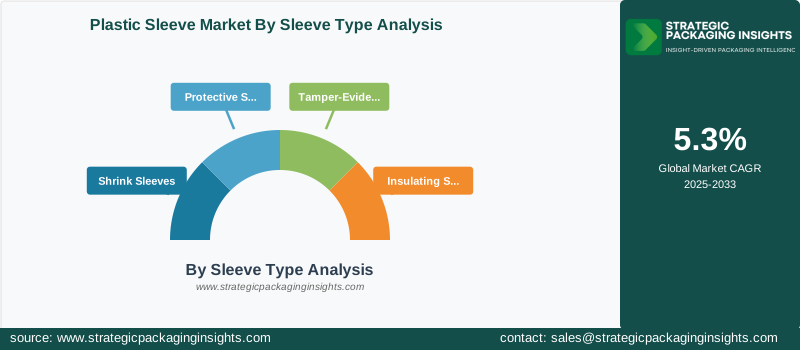
Protective sleeves are essential for safeguarding products during transportation and storage, making them a critical component of the packaging industry. Tamper-evident sleeves are increasingly in demand due to growing concerns about product safety and integrity. Insulating sleeves, while less common, offer unique benefits for temperature-sensitive products, providing an additional layer of protection. As the market evolves, manufacturers are likely to focus on developing sleeves that offer multiple functionalities, catering to the diverse needs of consumers and businesses.
By Application Analysis
Plastic sleeves are used across a wide range of applications, including bottles, cans, industrial components, and retail products. The demand for sleeves in the beverage industry is particularly high, as manufacturers seek to enhance product differentiation and consumer engagement. Companies like Multi-Color Corporation are capitalizing on this trend by offering customized sleeve solutions that cater to the specific needs of beverage brands.
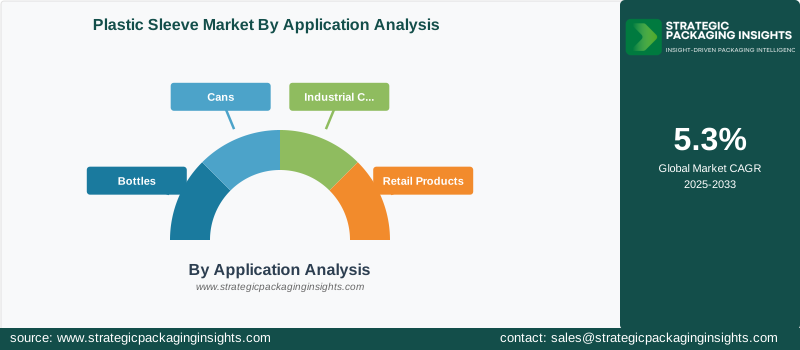
In the industrial sector, sleeves are used to protect components from damage and contamination, ensuring product integrity and safety. Retail products also benefit from the use of sleeves, as they provide an attractive and functional packaging solution that enhances shelf appeal. As consumer preferences continue to evolve, manufacturers are likely to explore new applications and innovations that meet the changing needs of the market.
By End Use Analysis
The Plastic Sleeve market is segmented by end use into food & beverage, FMCG, industrial, and healthcare sectors. The food & beverage industry is the largest end-user, driven by the need for attractive and functional packaging solutions that enhance product appeal and safety. Companies like Huhtamaki are leveraging this demand by offering a wide range of sleeve options that cater to various food and beverage applications.
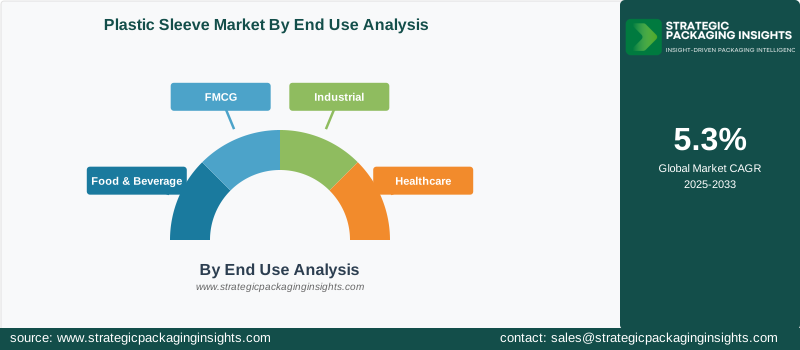
The FMCG sector is also a significant contributor to market growth, as manufacturers seek to differentiate their products and enhance brand recognition. In the industrial sector, sleeves are used to protect components and ensure product integrity, while the healthcare industry relies on sleeves for tamper-evident and protective packaging solutions. As the market continues to evolve, manufacturers are likely to focus on developing innovative sleeve solutions that cater to the diverse needs of these end-user industries.
Plastic Sleeve Market Segments
The Plastic Sleeve market has been segmented on the basis ofBy Material Type
- PVC
- PETG
- OPS
- PE
By Sleeve Type
- Shrink Sleeves
- Protective Sleeves
- Tamper-Evident Sleeves
- Insulating Sleeves
By Application
- Bottles
- Cans
- Industrial Components
- Retail Products
By End Use
- Food & Beverage
- FMCG
- Industrial
- Healthcare
Region
- Asia Pacific
- North America
- Latin America
- Europe
- Middle East & Africa




