


Plant Based Plastic Market Outlook
The plant-based plastic market was valued at $15.69 billion in 2025 and is projected to reach $38.24 billion by 2034, growing at a CAGR of 10.4% during the forecast period 2026-2034. This market is witnessing significant growth due to increasing consumer awareness about environmental sustainability and the rising demand for eco-friendly packaging solutions. The shift from conventional plastics to plant-based alternatives is driven by stringent government regulations aimed at reducing carbon footprints and promoting sustainable practices. The packaging industry, in particular, is a major contributor to the growth of this market, as companies seek to align with global sustainability goals and consumer preferences for biodegradable and compostable materials.
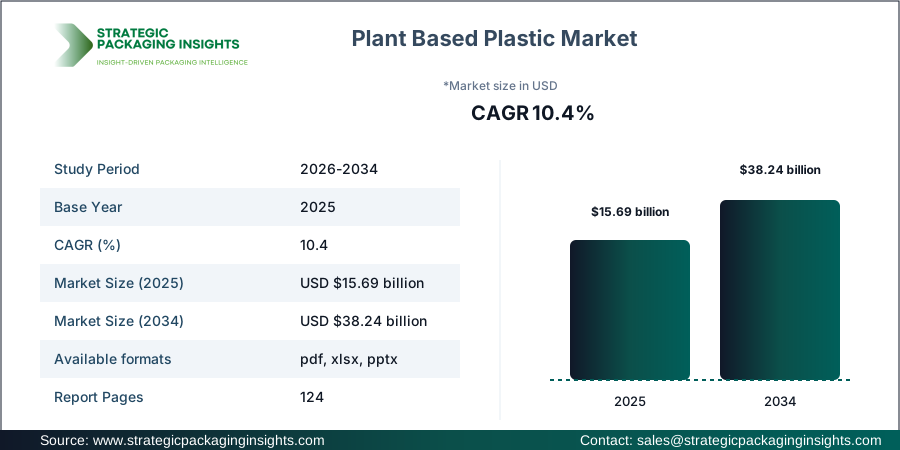
Despite the promising growth trajectory, the plant-based plastic market faces challenges such as high production costs and limited availability of raw materials. Regulatory hurdles and the need for technological advancements in production processes also pose significant restraints. However, the market holds immense growth potential, driven by innovations in material science and increasing investments in research and development. The potential for plant-based plastics to replace conventional plastics in various applications, including consumer goods, automotive, and textiles, presents lucrative opportunities for market players. As the industry evolves, collaborations and partnerships among key stakeholders will be crucial in overcoming challenges and driving market expansion.
Report Scope
| Attributes | Details |
| Report Title | Plant Based Plastic Market Size, Future Growth and Forecast 2034 |
| By Material Type | PLA, PHA, bio-PE, bio-PET |
| By Application | Packaging, Consumer Goods, Automotive, Textiles |
| By Processing Type | Injection Molding, Extrusion, Blow Molding |
| By End Use | FMCG, Foodservice, Retail, Industrial |
| Region | Asia Pacific, North America, Latin America, Europe, Middle East & Africa |
| Base Year | 2025 |
| Historic Period | 2018-2024 |
| Forecast Period | 2026-2034 |
| Number of Pages | 124 |
| Customization Available | Yes* |
Opportunities & Threats
The plant-based plastic market presents numerous opportunities, particularly in the packaging sector, where there is a growing demand for sustainable and biodegradable materials. As consumers become more environmentally conscious, companies are increasingly adopting plant-based plastics to meet these demands and enhance their brand image. The food and beverage industry, in particular, is a significant driver of this trend, as companies seek to reduce their environmental impact and comply with stringent regulations on plastic usage. Additionally, advancements in material science are leading to the development of new plant-based plastic formulations with improved properties, such as enhanced durability and flexibility, which are expanding their application scope across various industries.
Another opportunity lies in the automotive and consumer goods sectors, where plant-based plastics are being used to replace traditional materials in the production of interior components and packaging. The automotive industry is increasingly focusing on reducing vehicle weight to improve fuel efficiency, and plant-based plastics offer a viable solution due to their lightweight nature. Similarly, in the consumer goods sector, companies are leveraging plant-based plastics to create eco-friendly products that appeal to environmentally conscious consumers. The growing trend of circular economy practices is also driving the adoption of plant-based plastics, as companies seek to minimize waste and promote recycling and reuse.
However, the plant-based plastic market also faces several threats, including the high cost of production and competition from conventional plastics. The limited availability of raw materials, such as corn and sugarcane, which are used to produce plant-based plastics, can lead to supply chain disruptions and price volatility. Additionally, the market is subject to regulatory challenges, as governments around the world implement policies to reduce plastic waste and promote sustainable practices. These regulations can vary significantly across regions, creating complexities for companies operating in multiple markets. Furthermore, the lack of consumer awareness and understanding of the benefits of plant-based plastics can hinder market growth, as consumers may be reluctant to pay a premium for these products.
Drivers & Challenges
One of the primary drivers of the plant-based plastic market is the increasing consumer demand for sustainable and eco-friendly products. As awareness of environmental issues grows, consumers are becoming more conscious of their purchasing decisions and are seeking products that align with their values. This shift in consumer behavior is prompting companies to adopt plant-based plastics as a means of differentiating themselves in the market and enhancing their brand reputation. Additionally, government regulations aimed at reducing plastic waste and promoting sustainability are driving the adoption of plant-based plastics across various industries, particularly in packaging and consumer goods.
Technological advancements in the production of plant-based plastics are also driving market growth. Innovations in material science are leading to the development of new formulations with improved properties, such as enhanced strength, flexibility, and biodegradability. These advancements are expanding the application scope of plant-based plastics and making them more competitive with conventional plastics. Furthermore, increasing investments in research and development are leading to cost reductions and improved production efficiencies, making plant-based plastics more accessible to a wider range of industries. The growing trend of circular economy practices is also driving the adoption of plant-based plastics, as companies seek to minimize waste and promote recycling and reuse.
Despite these drivers, the plant-based plastic market faces several challenges, including high production costs and limited availability of raw materials. The production of plant-based plastics is often more expensive than conventional plastics, which can limit their adoption, particularly in price-sensitive markets. Additionally, the availability of raw materials, such as corn and sugarcane, can be affected by factors such as climate change and agricultural practices, leading to supply chain disruptions and price volatility. The market is also subject to regulatory challenges, as governments around the world implement policies to reduce plastic waste and promote sustainable practices. These regulations can vary significantly across regions, creating complexities for companies operating in multiple markets. Furthermore, the lack of consumer awareness and understanding of the benefits of plant-based plastics can hinder market growth, as consumers may be reluctant to pay a premium for these products.
Market Share Analysis
The competitive landscape of the plant-based plastic market is characterized by the presence of several key players, each striving to gain a significant share of the market through strategic initiatives such as mergers and acquisitions, partnerships, and product innovations. Companies like NatureWorks, Braskem, and BASF are leading the charge in the development and commercialization of plant-based plastics, leveraging their extensive research and development capabilities to create innovative products that meet the evolving needs of consumers and industries. These companies are also focusing on expanding their production capacities and geographical reach to capitalize on the growing demand for sustainable materials.
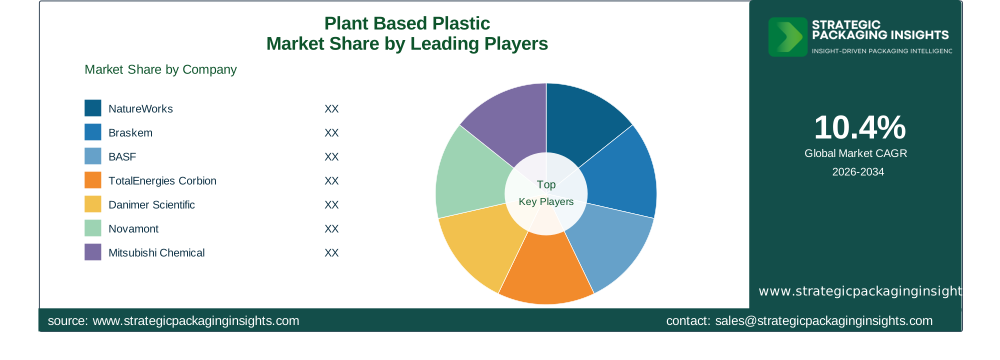
NatureWorks, a leading player in the plant-based plastic market, is known for its Ingeo brand of polylactic acid (PLA) biopolymers, which are used in a wide range of applications, including packaging, consumer goods, and textiles. The company has been at the forefront of innovation in the plant-based plastic industry, continuously developing new formulations and applications for its products. Braskem, another major player, is a leading producer of bio-based polyethylene (bio-PE), which is derived from sugarcane. The company has made significant investments in expanding its production capacity and is committed to promoting sustainable practices across its operations.
BASF, a global chemical company, is actively involved in the development of plant-based plastics through its ecovio and ecobras brands. The company is focused on creating high-performance biopolymers that offer enhanced biodegradability and compostability, making them suitable for a wide range of applications. TotalEnergies Corbion, a joint venture between TotalEnergies and Corbion, is another key player in the market, specializing in the production of PLA bioplastics. The company is committed to advancing the circular economy by developing sustainable solutions that reduce plastic waste and promote recycling.
Other notable companies in the plant-based plastic market include Danimer Scientific, Novamont, Mitsubishi Chemical, Kaneka, FKuR, and Biome Bioplastics. These companies are actively engaged in research and development activities to create innovative plant-based plastic products that meet the growing demand for sustainable materials. They are also focusing on expanding their market presence through strategic partnerships and collaborations with other industry players. As the market continues to evolve, these companies are expected to play a crucial role in driving the adoption of plant-based plastics and shaping the future of the industry.
Key Highlights
- The plant-based plastic market is projected to grow from $15.69 billion in 2025 to $38.24 billion by 2034, at a CAGR of 10.4%.
- Key drivers include increasing consumer demand for sustainable products and stringent government regulations on plastic usage.
- Challenges include high production costs and limited availability of raw materials.
- Technological advancements are leading to the development of new plant-based plastic formulations with improved properties.
- The packaging industry is a major contributor to market growth, driven by the demand for eco-friendly materials.
- Key players include NatureWorks, Braskem, BASF, TotalEnergies Corbion, and Danimer Scientific.
- Strategic initiatives such as mergers, acquisitions, and partnerships are shaping the competitive landscape.
- The automotive and consumer goods sectors present significant opportunities for plant-based plastics.
- Regulatory challenges and consumer awareness are key factors influencing market dynamics.
Top Countries Insights
In the United States, the plant-based plastic market is experiencing robust growth, driven by increasing consumer awareness and government initiatives promoting sustainable practices. The market size is currently valued at approximately $5 billion, with a CAGR of 12%. The U.S. government has implemented various policies to reduce plastic waste, encouraging companies to adopt plant-based alternatives. Additionally, the presence of key players such as NatureWorks and Danimer Scientific is contributing to market expansion through continuous innovation and product development.
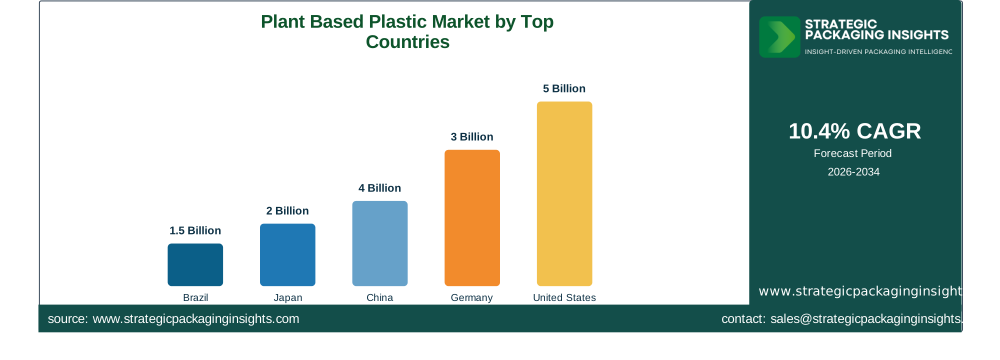
Germany is another significant market for plant-based plastics, with a current market size of around $3 billion and a CAGR of 10%. The country's strong focus on environmental sustainability and stringent regulations on plastic usage are driving the adoption of plant-based plastics across various industries. The packaging sector, in particular, is witnessing significant growth, as companies seek to comply with the European Union's directives on reducing plastic waste and promoting circular economy practices.
In China, the plant-based plastic market is rapidly expanding, with a market size of approximately $4 billion and a CAGR of 15%. The Chinese government's commitment to reducing plastic pollution and promoting sustainable development is a key driver of market growth. The country's large consumer base and increasing demand for eco-friendly products are also contributing to the adoption of plant-based plastics, particularly in the packaging and consumer goods sectors.
Japan is witnessing steady growth in the plant-based plastic market, with a current market size of about $2 billion and a CAGR of 9%. The country's focus on technological innovation and sustainable practices is driving the development and adoption of plant-based plastics. The automotive industry, in particular, is a significant contributor to market growth, as companies seek to reduce vehicle weight and improve fuel efficiency through the use of lightweight materials.
In Brazil, the plant-based plastic market is growing at a CAGR of 8%, with a market size of approximately $1.5 billion. The country's abundant availability of raw materials, such as sugarcane, is a key factor driving market growth. Additionally, the Brazilian government's initiatives to promote sustainable practices and reduce plastic waste are encouraging companies to adopt plant-based plastics across various industries, including packaging and consumer goods.
Plant Based Plastic Market Segments Insights

Material Type Analysis
The plant-based plastic market is segmented by material type into PLA, PHA, bio-PE, and bio-PET. Polylactic acid (PLA) is one of the most widely used plant-based plastics, known for its biodegradability and versatility in applications such as packaging, textiles, and consumer goods. The demand for PLA is driven by its favorable properties, including high strength and transparency, making it a preferred choice for manufacturers seeking sustainable alternatives to conventional plastics. Additionally, advancements in production technologies are enhancing the performance characteristics of PLA, further boosting its adoption across various industries.
Polyhydroxyalkanoates (PHA) are another significant segment within the plant-based plastic market, offering excellent biodegradability and compatibility with a wide range of applications. The demand for PHA is primarily driven by its use in packaging and agricultural films, where its compostability and environmental benefits are highly valued. Bio-based polyethylene (bio-PE) and bio-based polyethylene terephthalate (bio-PET) are also gaining traction in the market, particularly in the packaging sector. These materials offer similar properties to their conventional counterparts, making them suitable for a wide range of applications while reducing the environmental impact associated with traditional plastics.
Application Analysis
The application segment of the plant-based plastic market includes packaging, consumer goods, automotive, and textiles. The packaging industry is the largest application segment, driven by the increasing demand for sustainable and biodegradable materials. Plant-based plastics are being used in a variety of packaging applications, including food and beverage containers, bags, and films, as companies seek to reduce their environmental footprint and comply with regulatory requirements. The consumer goods sector is also witnessing significant growth, as manufacturers adopt plant-based plastics to create eco-friendly products that appeal to environmentally conscious consumers.
In the automotive industry, plant-based plastics are being used to replace traditional materials in the production of interior components and lightweight parts. The demand for plant-based plastics in this sector is driven by the need to improve fuel efficiency and reduce vehicle weight, as well as the growing focus on sustainability. The textiles industry is another key application area, where plant-based plastics are being used to create sustainable fibers and fabrics. The demand for plant-based textiles is driven by the increasing consumer preference for eco-friendly clothing and the growing trend of sustainable fashion.
Processing Type Analysis
The plant-based plastic market is segmented by processing type into injection molding, extrusion, and blow molding. Injection molding is one of the most widely used processing techniques for plant-based plastics, offering high precision and efficiency in the production of complex shapes and components. The demand for injection-molded plant-based plastics is driven by their use in a wide range of applications, including packaging, consumer goods, and automotive parts. Advancements in injection molding technologies are enhancing the performance characteristics of plant-based plastics, further boosting their adoption across various industries.
Extrusion is another significant processing technique used in the production of plant-based plastics, particularly in the packaging and construction sectors. The demand for extruded plant-based plastics is driven by their use in the production of films, sheets, and profiles, where their environmental benefits and versatility are highly valued. Blow molding is also gaining traction in the market, particularly in the production of bottles and containers. The demand for blow-molded plant-based plastics is driven by the increasing demand for sustainable packaging solutions and the growing focus on reducing plastic waste.
End Use Analysis
The end-use segment of the plant-based plastic market includes FMCG, foodservice, retail, and industrial applications. The fast-moving consumer goods (FMCG) sector is one of the largest end-use segments, driven by the increasing demand for sustainable packaging solutions and eco-friendly products. Plant-based plastics are being used in a variety of FMCG applications, including food and beverage packaging, personal care products, and household goods, as companies seek to reduce their environmental impact and enhance their brand image.
The foodservice industry is another significant end-use segment, where plant-based plastics are being used to create sustainable packaging solutions for takeout containers, cutlery, and straws. The demand for plant-based plastics in this sector is driven by the growing focus on reducing plastic waste and complying with regulatory requirements. The retail sector is also witnessing significant growth, as retailers adopt plant-based plastics to create eco-friendly packaging solutions that appeal to environmentally conscious consumers. The industrial sector is another key end-use area, where plant-based plastics are being used in the production of sustainable materials and components for various applications.
Plant Based Plastic Market Segments
The Plant Based Plastic market has been segmented on the basis ofBy Material Type
- PLA
- PHA
- bio-PE
- bio-PET
By Application
- Packaging
- Consumer Goods
- Automotive
- Textiles
By Processing Type
- Injection Molding
- Extrusion
- Blow Molding
By End Use
- FMCG
- Foodservice
- Retail
- Industrial
Region
- Asia Pacific
- North America
- Latin America
- Europe
- Middle East & Africa




