


Plant Based Meat Packaging Market Outlook
The Plant Based Meat Packaging market was valued at $2.54 billion in 2025 and is projected to reach $6.35 billion by 2034, growing at a CAGR of 10.7% during the forecast period 2026-2034. This market is witnessing significant growth due to the increasing consumer shift towards sustainable and eco-friendly packaging solutions. The demand for plant-based meat products is on the rise, driven by health-conscious consumers and the growing vegan population. This surge in demand is directly influencing the packaging market, as manufacturers seek innovative and sustainable packaging solutions to meet consumer expectations. The market is also benefiting from advancements in packaging technologies that enhance product shelf life and reduce environmental impact.
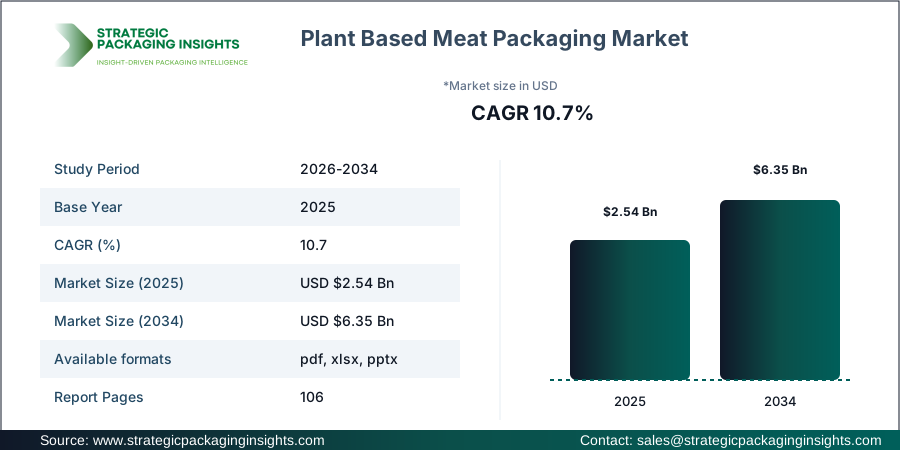
Despite the promising growth prospects, the Plant Based Meat Packaging market faces certain challenges. Regulatory constraints related to packaging materials and waste management are significant hurdles. Additionally, the high cost of sustainable packaging materials compared to conventional options poses a restraint for market growth. However, the potential for growth remains substantial, as companies continue to invest in research and development to create cost-effective and environmentally friendly packaging solutions. The market is also poised to benefit from increasing government initiatives promoting sustainable practices and the reduction of plastic waste.
Report Scope
| Attributes | Details |
| Report Title | Plant Based Meat Packaging Market Size, Future Growth and Forecast 2034 |
| By Packaging Type | Trays, Pouches, Films, Cartons |
| By Material Type | PET, PP, Paperboard, Compostable Films |
| By Application | Burger Patties, Sausages, Nuggets, Ready Meals |
| By End Use | Plant-Based Food Brands, Retailers, Foodservice |
| Region | Asia Pacific, North America, Latin America, Europe, Middle East & Africa |
| Base Year | 2025 |
| Historic Period | 2018-2024 |
| Forecast Period | 2026-2034 |
| Number of Pages | 106 |
| Customization Available | Yes* |
Opportunities & Threats
The Plant Based Meat Packaging market presents numerous opportunities for growth, primarily driven by the increasing consumer preference for sustainable and eco-friendly packaging solutions. As awareness about environmental issues grows, consumers are demanding packaging that aligns with their values, creating a significant opportunity for companies to innovate and offer sustainable alternatives. The rise in plant-based diets and the growing vegan population further fuel this demand, as these consumers are more likely to seek out products with environmentally friendly packaging. Additionally, advancements in packaging technologies, such as biodegradable and compostable materials, offer new avenues for market expansion, allowing companies to differentiate their products and capture a larger market share.
Another opportunity lies in the expansion of the plant-based meat market itself. As more consumers adopt plant-based diets for health and environmental reasons, the demand for plant-based meat products is expected to rise, driving the need for effective packaging solutions. This trend is particularly pronounced in regions like North America and Europe, where the plant-based movement is gaining significant traction. Companies that can offer innovative packaging solutions that enhance product shelf life and maintain quality will be well-positioned to capitalize on this growing demand.
However, the market also faces threats, particularly from regulatory challenges and the high cost of sustainable packaging materials. Stringent regulations regarding packaging waste and recycling can pose significant hurdles for companies, requiring them to invest in compliance and waste management solutions. Additionally, the cost of sustainable materials, such as biodegradable films and compostable packaging, is often higher than traditional options, which can impact profit margins. Companies must balance the need for sustainability with cost-effectiveness to remain competitive in the market.
Drivers & Challenges
One of the primary drivers of the Plant Based Meat Packaging market is the increasing consumer demand for sustainable and eco-friendly packaging solutions. As consumers become more environmentally conscious, they are seeking products that align with their values, including packaging that reduces environmental impact. This shift in consumer preferences is encouraging companies to innovate and develop packaging solutions that are both sustainable and functional. Additionally, the rise in plant-based diets and the growing vegan population are driving demand for plant-based meat products, further fueling the need for effective packaging solutions.
Technological advancements in packaging materials and processes are also driving market growth. Innovations such as biodegradable and compostable packaging materials are gaining traction, offering companies new opportunities to differentiate their products and meet consumer demand for sustainability. These advancements not only enhance the environmental profile of packaging but also improve product shelf life and quality, making them attractive options for manufacturers. Furthermore, government initiatives promoting sustainable practices and reducing plastic waste are providing additional impetus for market growth, encouraging companies to adopt eco-friendly packaging solutions.
Despite these drivers, the market faces several challenges, including regulatory constraints and the high cost of sustainable packaging materials. Stringent regulations regarding packaging waste and recycling can pose significant hurdles for companies, requiring them to invest in compliance and waste management solutions. Additionally, the cost of sustainable materials, such as biodegradable films and compostable packaging, is often higher than traditional options, which can impact profit margins. Companies must balance the need for sustainability with cost-effectiveness to remain competitive in the market. Furthermore, the lack of standardization in sustainable packaging materials can create confusion and hinder market growth, as companies navigate varying regulations and consumer expectations.
Market Share Analysis
The competitive landscape of the Plant Based Meat Packaging market is characterized by the presence of several key players who are actively engaged in developing innovative and sustainable packaging solutions. Companies such as Amcor, Sealed Air, Berry Global, Mondi, and Huhtamaki are leading the market, leveraging their extensive experience and technological expertise to offer a wide range of packaging options. These companies are focusing on research and development to create packaging solutions that not only meet consumer demand for sustainability but also enhance product shelf life and quality.
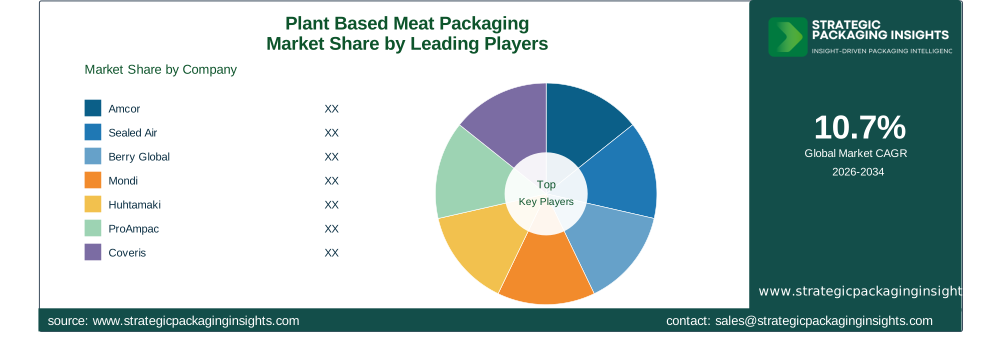
Amcor, a global leader in packaging solutions, holds a significant market share due to its extensive product portfolio and commitment to sustainability. The company is actively investing in research and development to create innovative packaging solutions that reduce environmental impact and meet consumer expectations. Similarly, Sealed Air is known for its advanced packaging technologies that enhance product protection and sustainability. The company's focus on innovation and sustainability has helped it capture a substantial share of the market.
Berry Global, another major player in the market, is recognized for its comprehensive range of packaging solutions that cater to various industries, including plant-based meat. The company's commitment to sustainability and innovation has enabled it to maintain a strong market position. Mondi, a leading packaging and paper company, is also making significant strides in the market with its focus on sustainable packaging solutions. The company's emphasis on reducing environmental impact and enhancing product quality has helped it gain a competitive edge.
Other notable companies in the market include Huhtamaki, ProAmpac, Coveris, Winpak, Graphic Packaging International, and Sonoco. These companies are actively investing in research and development to create innovative packaging solutions that meet the evolving needs of consumers and the market. Their focus on sustainability and innovation is driving market growth and helping them capture a significant share of the market. As the demand for plant-based meat products continues to rise, these companies are well-positioned to capitalize on the growing market opportunities.
Key Highlights
- The Plant Based Meat Packaging market is projected to grow at a CAGR of 10.7% from 2026 to 2034.
- Increasing consumer demand for sustainable and eco-friendly packaging solutions is driving market growth.
- Technological advancements in packaging materials, such as biodegradable and compostable options, are gaining traction.
- Regulatory constraints and the high cost of sustainable materials pose challenges for market growth.
- Key players in the market include Amcor, Sealed Air, Berry Global, Mondi, and Huhtamaki.
- North America and Europe are leading regions in terms of market demand and growth.
- Government initiatives promoting sustainable practices are providing additional impetus for market growth.
- The rise in plant-based diets and the growing vegan population are driving demand for plant-based meat products.
- Companies are focusing on research and development to create innovative and cost-effective packaging solutions.
- The market is characterized by intense competition among key players, driving innovation and sustainability efforts.
Top Countries Insights
In the Plant Based Meat Packaging market, the United States stands out as a leading country, with a market size of approximately $1.2 billion and a CAGR of 12%. The country's strong demand for plant-based products, driven by health-conscious consumers and a growing vegan population, is a significant growth driver. Additionally, the presence of major packaging companies and advancements in packaging technologies contribute to the market's expansion. However, regulatory challenges related to packaging waste and recycling remain a concern for companies operating in the U.S.
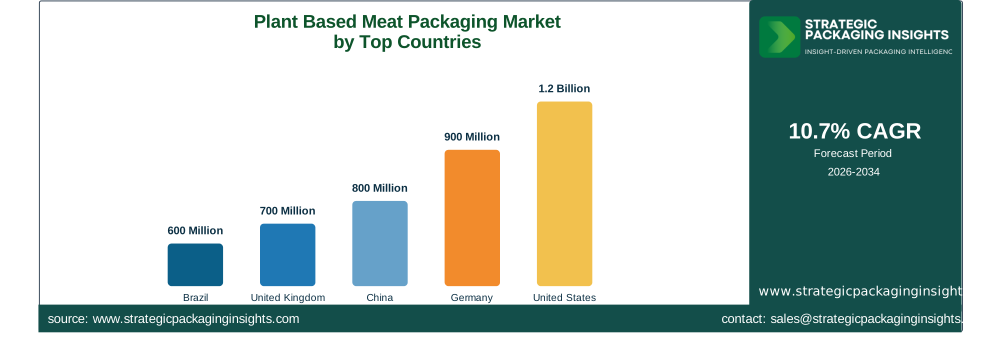
Germany is another key player in the market, with a market size of around $900 million and a CAGR of 10%. The country's emphasis on sustainability and eco-friendly practices is driving demand for innovative packaging solutions. Germany's strong regulatory framework and government initiatives promoting sustainable practices further support market growth. However, the high cost of sustainable materials poses a challenge for companies looking to balance sustainability with cost-effectiveness.
In the Asia Pacific region, China is emerging as a significant market, with a market size of approximately $800 million and a CAGR of 15%. The country's growing middle class and increasing awareness of environmental issues are driving demand for plant-based meat products and sustainable packaging solutions. However, the lack of standardization in packaging materials and varying regulations across regions pose challenges for market players.
The United Kingdom is also a notable market, with a market size of around $700 million and a CAGR of 9%. The country's strong consumer demand for plant-based products and sustainable packaging solutions is driving market growth. The presence of major packaging companies and advancements in packaging technologies further support the market's expansion. However, regulatory challenges related to packaging waste and recycling remain a concern for companies operating in the U.K.
In Latin America, Brazil is a key market, with a market size of approximately $600 million and a CAGR of 7%. The country's growing demand for plant-based products and increasing awareness of environmental issues are driving demand for sustainable packaging solutions. However, the high cost of sustainable materials and regulatory challenges related to packaging waste and recycling pose challenges for market players.
Plant Based Meat Packaging Market Segments Insights

Packaging Type Analysis
The Plant Based Meat Packaging market is segmented by packaging type into trays, pouches, films, and cartons. Trays are widely used due to their durability and ability to protect products during transportation. They are particularly popular for packaging burger patties and ready meals, where product integrity is crucial. Pouches, on the other hand, are gaining popularity due to their lightweight nature and convenience. They are often used for packaging sausages and nuggets, offering a flexible and cost-effective solution. Films are also a key segment, providing an excellent barrier against moisture and oxygen, thus extending product shelf life. Cartons, while less common, are used for premium products, offering a sustainable and visually appealing packaging option.
Trends in this segment are driven by consumer demand for convenience and sustainability. As consumers seek out products that are easy to store and transport, companies are innovating with packaging designs that enhance convenience without compromising on sustainability. The use of recyclable and biodegradable materials is becoming increasingly important, as companies strive to reduce their environmental impact. Competition in this segment is intense, with companies focusing on innovation and sustainability to differentiate their products and capture market share. Customer demand for transparency and eco-friendly packaging solutions is also influencing trends, as consumers become more conscious of the environmental impact of their purchasing decisions.
Material Type Analysis
The material type segment of the Plant Based Meat Packaging market includes PET, PP, paperboard, and compostable films. PET is a popular choice due to its strength and recyclability, making it suitable for a wide range of applications, including burger patties and ready meals. PP is also widely used, offering excellent moisture resistance and durability. Paperboard is favored for its sustainability and visual appeal, often used for premium products and brands looking to enhance their eco-friendly image. Compostable films are gaining traction as companies seek to reduce their environmental impact and meet consumer demand for sustainable packaging solutions.
Trends in this segment are driven by advancements in material technology and consumer demand for sustainability. Companies are investing in research and development to create materials that offer both functionality and environmental benefits. The use of biodegradable and compostable materials is becoming increasingly important, as companies strive to meet regulatory requirements and consumer expectations. Competition in this segment is fierce, with companies focusing on innovation and sustainability to differentiate their products and capture market share. Customer demand for transparency and eco-friendly packaging solutions is also influencing trends, as consumers become more conscious of the environmental impact of their purchasing decisions.
Application Analysis
The application segment of the Plant Based Meat Packaging market includes burger patties, sausages, nuggets, and ready meals. Burger patties are a significant segment, driven by the popularity of plant-based burgers and the need for packaging solutions that maintain product integrity and freshness. Sausages and nuggets are also key segments, with demand driven by the convenience and versatility of these products. Ready meals are gaining popularity as consumers seek out convenient and healthy meal options, driving demand for packaging solutions that enhance product shelf life and quality.
Trends in this segment are driven by consumer demand for convenience and sustainability. As consumers seek out products that are easy to store and transport, companies are innovating with packaging designs that enhance convenience without compromising on sustainability. The use of recyclable and biodegradable materials is becoming increasingly important, as companies strive to reduce their environmental impact. Competition in this segment is intense, with companies focusing on innovation and sustainability to differentiate their products and capture market share. Customer demand for transparency and eco-friendly packaging solutions is also influencing trends, as consumers become more conscious of the environmental impact of their purchasing decisions.
End Use Analysis
The end use segment of the Plant Based Meat Packaging market includes plant-based food brands, retailers, and foodservice. Plant-based food brands are a significant segment, driven by the growing demand for plant-based products and the need for packaging solutions that enhance product shelf life and quality. Retailers are also key players, with demand driven by the need for packaging solutions that enhance product visibility and appeal. Foodservice is gaining traction as consumers seek out convenient and healthy meal options, driving demand for packaging solutions that enhance product shelf life and quality.
Trends in this segment are driven by consumer demand for convenience and sustainability. As consumers seek out products that are easy to store and transport, companies are innovating with packaging designs that enhance convenience without compromising on sustainability. The use of recyclable and biodegradable materials is becoming increasingly important, as companies strive to reduce their environmental impact. Competition in this segment is intense, with companies focusing on innovation and sustainability to differentiate their products and capture market share. Customer demand for transparency and eco-friendly packaging solutions is also influencing trends, as consumers become more conscious of the environmental impact of their purchasing decisions.
Plant Based Meat Packaging Market Segments
The Plant Based Meat Packaging market has been segmented on the basis ofBy Packaging Type
- Trays
- Pouches
- Films
- Cartons
By Material Type
- PET
- PP
- Paperboard
- Compostable Films
By Application
- Burger Patties
- Sausages
- Nuggets
- Ready Meals
By End Use
- Plant-Based Food Brands
- Retailers
- Foodservice
Region
- Asia Pacific
- North America
- Latin America
- Europe
- Middle East & Africa




