


Pharmaceutical Tubes Market Outlook
The pharmaceutical tubes market was valued at $481.92 million in 2025 and is projected to reach $779.19 million by 2034, growing at a CAGR of 5.5% during the forecast period 2026-2034. This growth is driven by the increasing demand for convenient and safe packaging solutions in the pharmaceutical industry. The rise in chronic diseases and the aging population are leading to higher consumption of topical drugs and ointments, which in turn boosts the demand for pharmaceutical tubes. Additionally, advancements in tube materials and designs are enhancing the functionality and appeal of these packaging solutions, further propelling market growth.
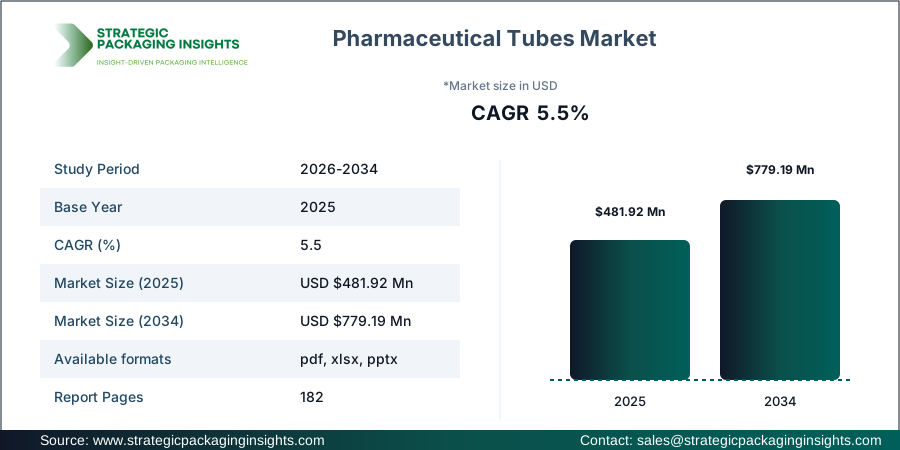
Despite the promising growth prospects, the pharmaceutical tubes market faces certain challenges. Regulatory constraints and stringent packaging standards can pose significant hurdles for manufacturers. Moreover, the high cost of raw materials and the need for specialized machinery for tube production can limit market expansion. However, the growing focus on sustainable and eco-friendly packaging solutions presents lucrative opportunities for market players. By investing in research and development, companies can innovate and offer biodegradable and recyclable tube options, aligning with the global shift towards sustainability.
Report Scope
| Attributes | Details |
| Report Title | Pharmaceutical Tubes Market Size, Future Growth and Forecast 2034 |
| Tube Type | Aluminum Tubes, Plastic Tubes, Laminate Tubes |
| Application | Topical Drugs, Ophthalmic Ointments, Oral Gels, Dermatology Creams |
| Closure Type | Screw Caps, Nozzle Caps, Tamper-Evident Caps |
| End Use | Pharmaceutical Companies, CDMOs, Hospitals, Pharmacies |
| Region | Asia Pacific, North America, Latin America, Europe, Middle East & Africa |
| Base Year | 2025 |
| Historic Period | 2018-2024 |
| Forecast Period | 2026-2034 |
| Number of Pages | 182 |
| Customization Available | Yes* |
Opportunities & Threats
The pharmaceutical tubes market is ripe with opportunities, particularly in the realm of sustainable packaging. As environmental concerns gain traction, there is a growing demand for eco-friendly packaging solutions. Companies that can innovate and offer biodegradable or recyclable tubes stand to gain a competitive edge. Additionally, the increasing prevalence of chronic diseases and the aging population are driving the demand for pharmaceutical products, thereby boosting the need for effective packaging solutions. The rise of personalized medicine and the growing trend of self-medication further amplify the demand for pharmaceutical tubes, as they offer convenience and ease of use for consumers.
Another significant opportunity lies in the expansion of emerging markets. As healthcare infrastructure improves in developing regions, the demand for pharmaceutical products and their packaging is expected to rise. Companies that can establish a strong presence in these markets can capitalize on the growing demand. Furthermore, advancements in tube manufacturing technologies, such as the development of multi-layered tubes and innovative closure systems, offer opportunities for differentiation and value addition. By leveraging these technological advancements, companies can enhance the functionality and appeal of their products, catering to the evolving needs of consumers.
However, the market is not without its threats. Regulatory challenges pose a significant barrier to entry for new players. Compliance with stringent packaging standards and regulations can be costly and time-consuming. Additionally, the volatility in raw material prices can impact profit margins for manufacturers. The competitive landscape is also intensifying, with numerous players vying for market share. Companies need to continuously innovate and differentiate their offerings to stay ahead of the competition. Moreover, the threat of counterfeit products and the need for tamper-evident packaging solutions add to the complexity of the market.
Drivers & Challenges
The pharmaceutical tubes market is primarily driven by the increasing demand for safe and convenient packaging solutions in the pharmaceutical industry. The rise in chronic diseases and the aging population are leading to higher consumption of topical drugs and ointments, which in turn boosts the demand for pharmaceutical tubes. Additionally, advancements in tube materials and designs are enhancing the functionality and appeal of these packaging solutions, further propelling market growth. The growing focus on patient safety and the need for tamper-evident packaging solutions are also driving the demand for pharmaceutical tubes.
Another key driver is the shift towards sustainable packaging solutions. As environmental concerns gain traction, there is a growing demand for eco-friendly packaging options. Companies that can innovate and offer biodegradable or recyclable tubes stand to gain a competitive edge. Furthermore, the rise of personalized medicine and the growing trend of self-medication are amplifying the demand for pharmaceutical tubes, as they offer convenience and ease of use for consumers. The expansion of emerging markets and improvements in healthcare infrastructure are also contributing to the growth of the pharmaceutical tubes market.
Despite the promising growth prospects, the pharmaceutical tubes market faces certain challenges. Regulatory constraints and stringent packaging standards can pose significant hurdles for manufacturers. Compliance with these regulations can be costly and time-consuming, particularly for new entrants. Additionally, the high cost of raw materials and the need for specialized machinery for tube production can limit market expansion. The competitive landscape is also intensifying, with numerous players vying for market share. Companies need to continuously innovate and differentiate their offerings to stay ahead of the competition. Moreover, the threat of counterfeit products and the need for tamper-evident packaging solutions add to the complexity of the market.
Market Share Analysis
The pharmaceutical tubes market is characterized by a competitive landscape with several key players vying for market share. Hoffmann Neopac, EPL Limited, Albea, Linhardt, Montebello Packaging, Tubopress, CCL Industries, Berry Global, Essel Propack, and Alltub Group are some of the prominent companies operating in this market. These companies are focusing on product innovation, strategic partnerships, and mergers and acquisitions to strengthen their market position. The competitive rivalry is intense, with players striving to offer differentiated products and expand their geographical presence.
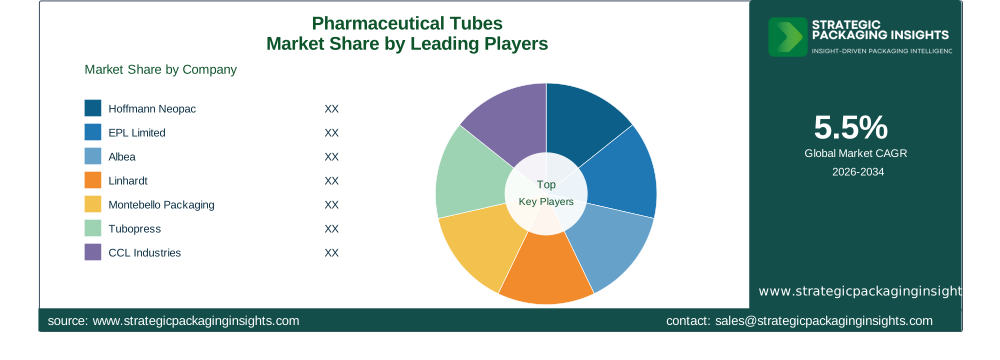
Hoffmann Neopac is a leading player in the pharmaceutical tubes market, known for its innovative packaging solutions. The company focuses on sustainability and offers a range of eco-friendly tube options. EPL Limited, another key player, is renowned for its advanced tube manufacturing technologies and strong customer base. Albea, with its extensive product portfolio and global presence, is a significant player in the market. The company emphasizes innovation and customer-centric solutions to maintain its competitive edge.
Linhardt and Montebello Packaging are also prominent players in the pharmaceutical tubes market. Linhardt is known for its high-quality aluminum tubes, while Montebello Packaging specializes in laminate and plastic tubes. Tubopress, CCL Industries, and Berry Global are other notable players, each with their unique strengths and market strategies. Essel Propack and Alltub Group are also key players, focusing on expanding their product offerings and enhancing their manufacturing capabilities to cater to the growing demand for pharmaceutical tubes.
Key Highlights
- The pharmaceutical tubes market is projected to grow at a CAGR of 5.5% from 2026 to 2034.
- Increasing demand for eco-friendly and sustainable packaging solutions is driving market growth.
- Advancements in tube manufacturing technologies are enhancing product functionality and appeal.
- The rise of personalized medicine and self-medication trends is boosting the demand for pharmaceutical tubes.
- Regulatory constraints and high raw material costs pose challenges for market players.
- Emerging markets offer significant growth opportunities for companies in the pharmaceutical tubes market.
- Key players are focusing on product innovation and strategic partnerships to strengthen their market position.
- The competitive landscape is characterized by intense rivalry and the need for continuous innovation.
- Companies are investing in research and development to offer biodegradable and recyclable tube options.
- The threat of counterfeit products and the need for tamper-evident packaging solutions add to market complexity.
Top Countries Insights
In the pharmaceutical tubes market, the United States stands out as a key player, with a market size of approximately $150 million and a CAGR of 4%. The country's advanced healthcare infrastructure and high demand for pharmaceutical products drive market growth. Additionally, the focus on sustainable packaging solutions and regulatory compliance further boosts the demand for pharmaceutical tubes in the U.S.
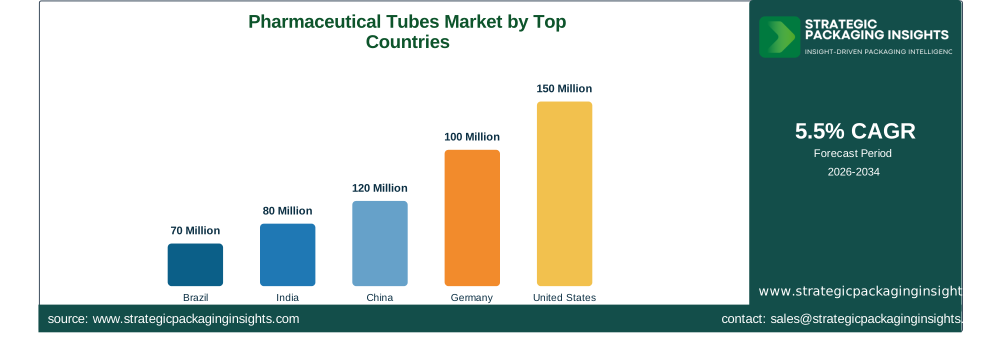
Germany is another significant market, with a market size of around $100 million and a CAGR of 5%. The country's strong pharmaceutical industry and emphasis on quality and innovation contribute to the growth of the pharmaceutical tubes market. The demand for eco-friendly packaging solutions and advancements in tube manufacturing technologies are key growth drivers in Germany.
China, with its rapidly growing pharmaceutical industry, is a major player in the pharmaceutical tubes market. The market size is estimated at $120 million, with a CAGR of 7%. The country's large population and increasing healthcare expenditure drive the demand for pharmaceutical products and their packaging. The focus on sustainable packaging solutions and government initiatives to improve healthcare infrastructure further boost market growth in China.
India, with a market size of approximately $80 million and a CAGR of 6%, is another key market for pharmaceutical tubes. The country's growing pharmaceutical industry and increasing demand for affordable healthcare solutions drive market growth. The emphasis on sustainable packaging and advancements in tube manufacturing technologies are also contributing to the growth of the pharmaceutical tubes market in India.
Brazil, with a market size of around $70 million and a CAGR of 5%, is a significant market for pharmaceutical tubes in Latin America. The country's expanding healthcare sector and increasing demand for pharmaceutical products drive market growth. The focus on sustainable packaging solutions and government initiatives to improve healthcare access further boost the demand for pharmaceutical tubes in Brazil.
Pharmaceutical Tubes Market Segments Insights

Tube Type Analysis
The pharmaceutical tubes market is segmented by tube type into aluminum tubes, plastic tubes, and laminate tubes. Aluminum tubes are favored for their excellent barrier properties, making them ideal for packaging sensitive pharmaceutical formulations. The demand for aluminum tubes is driven by their ability to protect contents from light, air, and moisture, ensuring product stability and shelf life. However, the high cost of aluminum and the environmental impact of its production are challenges that manufacturers face. To address these concerns, companies are investing in research and development to create more sustainable aluminum tube options.
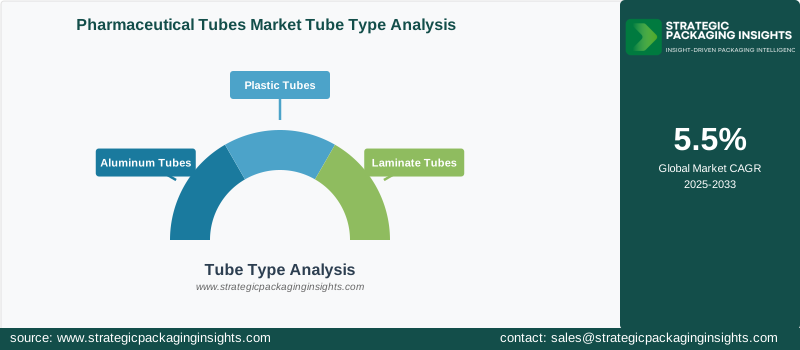
Plastic tubes, on the other hand, are gaining popularity due to their cost-effectiveness and versatility. They are lightweight, easy to handle, and can be customized in various shapes and sizes, making them suitable for a wide range of pharmaceutical applications. The demand for plastic tubes is further boosted by advancements in polymer technology, which enhance their barrier properties and recyclability. However, the environmental impact of plastic waste remains a significant challenge, prompting manufacturers to explore biodegradable and recyclable plastic tube options.
Laminate tubes combine the benefits of both aluminum and plastic tubes, offering excellent barrier properties and flexibility. They are increasingly used for packaging topical drugs and ointments, where product protection and ease of use are critical. The demand for laminate tubes is driven by their ability to provide a high-quality finish and printability, enhancing brand visibility and consumer appeal. However, the complexity of laminate tube production and the need for specialized machinery can pose challenges for manufacturers. Despite these challenges, the growing focus on sustainable packaging solutions presents opportunities for innovation and growth in the laminate tube segment.
Application Analysis
The pharmaceutical tubes market is segmented by application into topical drugs, ophthalmic ointments, oral gels, and dermatology creams. Topical drugs represent a significant segment, driven by the increasing prevalence of skin conditions and the growing demand for convenient and effective drug delivery systems. Pharmaceutical tubes offer a hygienic and user-friendly packaging solution for topical drugs, ensuring precise dosage and ease of application. The demand for topical drug packaging is further boosted by advancements in tube materials and designs, which enhance product stability and shelf life.

Ophthalmic ointments are another key application segment, where the demand for pharmaceutical tubes is driven by the need for sterile and tamper-evident packaging solutions. The rise in eye-related disorders and the aging population are contributing to the growth of this segment. Pharmaceutical tubes offer a convenient and safe packaging solution for ophthalmic ointments, ensuring product integrity and patient safety. The demand for ophthalmic ointment packaging is further supported by advancements in tube manufacturing technologies, which enhance product functionality and appeal.
Oral gels and dermatology creams are also significant application segments in the pharmaceutical tubes market. The demand for oral gel packaging is driven by the increasing prevalence of oral health issues and the growing trend of self-medication. Pharmaceutical tubes offer a convenient and hygienic packaging solution for oral gels, ensuring precise dosage and ease of use. Similarly, the demand for dermatology cream packaging is driven by the rising incidence of skin conditions and the growing demand for effective skincare solutions. Pharmaceutical tubes offer a user-friendly and aesthetically appealing packaging solution for dermatology creams, enhancing brand visibility and consumer appeal.
Closure Type Analysis
The pharmaceutical tubes market is segmented by closure type into screw caps, nozzle caps, and tamper-evident caps. Screw caps are widely used in the pharmaceutical industry due to their ease of use and ability to provide a secure seal. They are suitable for a wide range of pharmaceutical applications, ensuring product integrity and preventing contamination. The demand for screw caps is driven by their cost-effectiveness and versatility, making them a popular choice for pharmaceutical tube packaging.

Nozzle caps, on the other hand, are gaining popularity due to their ability to provide precise dosage and ease of application. They are particularly suitable for packaging topical drugs and ointments, where accurate dosage and user convenience are critical. The demand for nozzle caps is further boosted by advancements in cap design and materials, which enhance their functionality and appeal. However, the complexity of nozzle cap production and the need for specialized machinery can pose challenges for manufacturers.
Tamper-evident caps are increasingly used in the pharmaceutical industry to ensure product safety and prevent counterfeiting. They provide a visible indication of tampering, ensuring consumer confidence and product integrity. The demand for tamper-evident caps is driven by the growing focus on patient safety and regulatory compliance. However, the high cost of tamper-evident cap production and the need for specialized machinery can pose challenges for manufacturers. Despite these challenges, the growing focus on product safety and the need for secure packaging solutions present opportunities for innovation and growth in the tamper-evident cap segment.
End Use Analysis
The pharmaceutical tubes market is segmented by end use into pharmaceutical companies, CDMOs, hospitals, and pharmacies. Pharmaceutical companies represent a significant end-use segment, driven by the increasing demand for safe and convenient packaging solutions. Pharmaceutical tubes offer a hygienic and user-friendly packaging solution for a wide range of pharmaceutical products, ensuring product integrity and patient safety. The demand for pharmaceutical tube packaging is further boosted by advancements in tube materials and designs, which enhance product functionality and appeal.
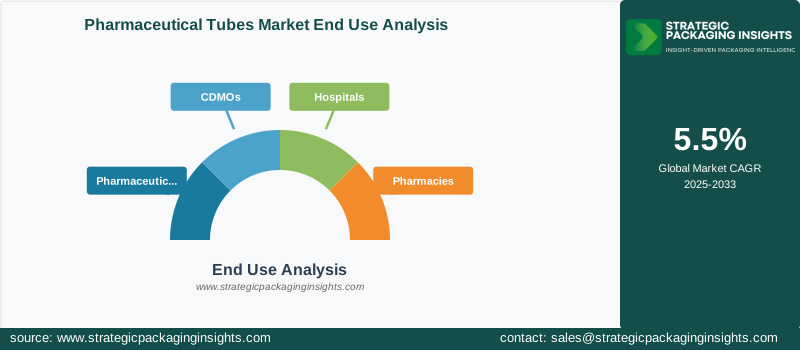
CDMOs (Contract Development and Manufacturing Organizations) are another key end-use segment, where the demand for pharmaceutical tubes is driven by the need for flexible and cost-effective packaging solutions. CDMOs play a critical role in the pharmaceutical supply chain, providing manufacturing and packaging services to pharmaceutical companies. The demand for CDMO packaging services is further supported by the growing trend of outsourcing in the pharmaceutical industry, where companies seek to reduce costs and focus on core competencies.
Hospitals and pharmacies are also significant end-use segments in the pharmaceutical tubes market. The demand for hospital and pharmacy packaging is driven by the need for safe and convenient drug delivery systems. Pharmaceutical tubes offer a hygienic and user-friendly packaging solution for a wide range of pharmaceutical products, ensuring precise dosage and ease of use. The demand for hospital and pharmacy packaging is further supported by advancements in tube materials and designs, which enhance product stability and shelf life.
Pharmaceutical Tubes Market Segments
The Pharmaceutical Tubes market has been segmented on the basis ofTube Type
- Aluminum Tubes
- Plastic Tubes
- Laminate Tubes
Application
- Topical Drugs
- Ophthalmic Ointments
- Oral Gels
- Dermatology Creams
Closure Type
- Screw Caps
- Nozzle Caps
- Tamper-Evident Caps
End Use
- Pharmaceutical Companies
- CDMOs
- Hospitals
- Pharmacies
Region
- Asia Pacific
- North America
- Latin America
- Europe
- Middle East & Africa




