


Perfume Bottle Market Outlook
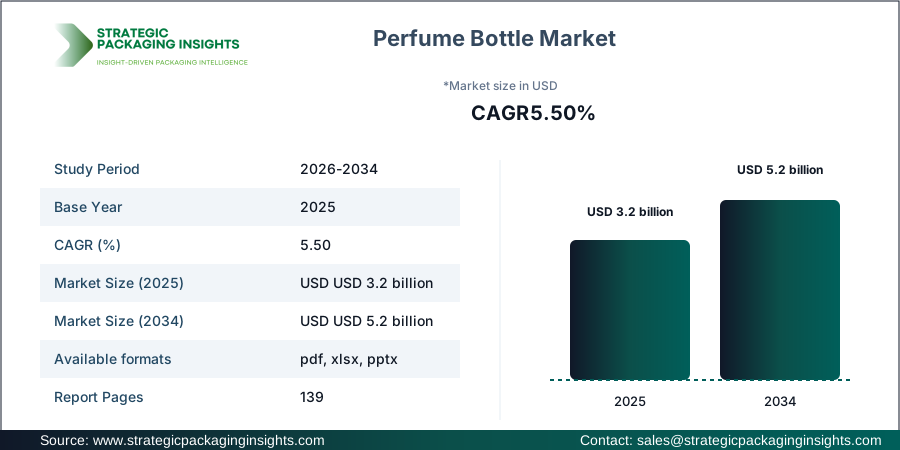
The Perfume Bottle market size was valued at USD 3.2 billion in 2025 and is anticipated to reach USD 5.2 billion by 2034, growing at a CAGR of 5.50% during the forecast period according to Strategic Packaging Insights. The market is witnessing a significant surge in demand driven by the increasing consumer inclination towards luxury and personalized fragrances. Brands like Verescence and Bormioli Luigi are at the forefront, innovating with unique designs and sustainable materials to capture the evolving consumer preferences. The rise in disposable income and the growing trend of gifting perfumes are further propelling the market growth, making it a lucrative segment for investors and manufacturers alike.
One of the most impactful drivers of the Perfume Bottle market is the growing emphasis on sustainability and eco-friendly packaging solutions. As consumers become more environmentally conscious, brands are compelled to adopt sustainable practices, such as using recyclable materials and reducing carbon footprints. According to recent reports, governments worldwide are implementing stringent regulations to curb plastic usage, which is pushing companies like Stoelzle Glass and Gerresheimer to innovate with glass and metal accents. This shift not only aligns with consumer preferences but also enhances brand image and loyalty, providing a competitive edge in the market.
Report Scope
| Attributes | Details |
| Report Title | Perfume Bottle Market Size, Future Growth and Forecast 2034 |
| By Material | Glass (Molded, Polished, Colored), Crystal, Plastic (Travel), Metal Accents |
| By Capacity | Below 30 ml, 30-50 ml, 50-100 ml, Above 100 ml |
| By Decoration | Lacquering & Coating, Hot Stamping, Screen Printing, Engraving & Embossing |
| By End Use | Prestige & Luxury Brands, Mass Market, Niche / Artisan Houses, Refillable Systems |
| By Region | North America (U.S., Canada, Mexico), Europe (Germany, UK, France, Italy, Spain, Rest of Europe), Asia Pacific (China, India, Japan, South Korea, Australia, Rest of Asia Pacific), Latin America (Brazil, Argentina, Rest of Latin America), Middle East & Africa (GCC Countries, South Africa, Rest of MEA) |
| Base Year | 2025 |
| Historic Period | 2018-2024 |
| Forecast Period | 2026-2034 |
| Number of Pages | 139 |
| Customization Available | Yes* |
Sustainability & Circular Economy Analysis
Sustainability initiatives are reshaping the Perfume Bottle market, with a strong focus on recyclable materials and eco-friendly innovations. Companies are increasingly adopting lightweight packaging to reduce material usage and transportation emissions. For instance, brands like Pochet Group are pioneering in using recycled glass, which significantly lowers the carbon footprint. These practices are not only environmentally beneficial but also economically viable, as they reduce production costs and enhance brand reputation among eco-conscious consumers.
The circular economy is gaining traction, encouraging brands to design for reuse and recyclability. Refillable systems are becoming popular, allowing consumers to refill their perfume bottles, thus minimizing waste. This trend is supported by extended producer responsibility (EPR) regulations, which hold manufacturers accountable for the entire lifecycle of their products. As a result, companies are investing in innovative packaging designs that facilitate easy recycling and reuse, thereby aligning with global sustainability goals.
Consumer preferences are increasingly leaning towards brands that demonstrate a commitment to sustainability. This shift is influencing investment decisions, as companies prioritize eco-friendly materials and waste reduction strategies. Packaging regulations are becoming more stringent, compelling manufacturers to comply with environmental standards. This regulatory landscape is driving innovation in packaging design and manufacturing processes, ensuring long-term market competitiveness and aligning with consumer expectations for sustainable products.
Packaging Value Chain & Supply Chain Analysis
The packaging value chain in the Perfume Bottle market is complex, involving multiple stakeholders from raw material suppliers to end consumers. Raw material sourcing is critical, with glass and metal being the primary materials used. Companies like Zignago Vetro and Heinz Glas are key players in sourcing high-quality materials that meet sustainability standards. Packaging converters and manufacturers play a pivotal role in transforming these materials into aesthetically pleasing and functional perfume bottles, ensuring that they meet brand specifications and consumer expectations.
Supply chain efficiency is paramount in maintaining market competitiveness. Strategic partnerships between manufacturers and logistics providers ensure timely delivery and distribution of products. Companies like SGB Packaging are optimizing their logistics and distribution channels to enhance supply chain resilience. Inventory management and procurement strategies are also crucial, as they help in maintaining a balance between supply and demand, reducing lead times, and minimizing costs.
Global sourcing and localization strategies are influencing the market dynamics, with companies expanding their operations to tap into emerging markets. The availability of raw materials and production capabilities in regions like Asia Pacific and Europe are driving growth, as these regions offer cost advantages and skilled labor. Recycling networks are becoming integral to the supply chain, as they facilitate the collection and processing of used materials, supporting the circular economy and reducing environmental impact.
Opportunities & Threats
The Perfume Bottle market presents numerous opportunities, particularly in the realm of sustainable packaging. As consumer awareness about environmental issues grows, there is a significant demand for eco-friendly and recyclable packaging solutions. Companies that invest in sustainable materials and innovative designs are likely to gain a competitive edge. The rise of e-commerce and online retail platforms also offers opportunities for brands to reach a wider audience and enhance their market presence. Additionally, the growing trend of personalized and niche fragrances provides opportunities for brands to cater to specific consumer preferences and expand their product offerings.
Emerging markets in Asia Pacific and Latin America present lucrative opportunities for growth, driven by increasing disposable incomes and changing consumer lifestyles. Brands that can effectively tap into these markets with tailored marketing strategies and localized product offerings are poised for success. The trend towards premiumization and luxury fragrances also offers opportunities for brands to differentiate themselves and capture a larger market share. Collaborations with fashion designers and celebrities can further enhance brand visibility and appeal to a broader consumer base.
However, the market is not without its threats. The high cost of raw materials, particularly glass and metal, can impact profit margins and pose a challenge for manufacturers. Additionally, stringent regulations on packaging materials and environmental compliance can increase operational costs and limit flexibility. The competitive landscape is also intense, with numerous players vying for market share. Brands must continuously innovate and adapt to changing consumer preferences to maintain their competitive position. Economic uncertainties and geopolitical tensions can also impact market stability and growth prospects.
Drivers & Challenges
The Perfume Bottle market is driven by several key factors, including the increasing demand for luxury and personalized fragrances. As consumers seek unique and high-quality products, brands are investing in innovative packaging designs and materials to differentiate themselves. The rise of e-commerce and online retail platforms has also contributed to market growth, providing consumers with easy access to a wide range of products. Additionally, the growing trend of gifting perfumes for special occasions is driving demand, as consumers seek aesthetically pleasing and premium packaging options.
Sustainability is a major driver in the market, with consumers increasingly prioritizing eco-friendly and recyclable packaging solutions. Brands that demonstrate a commitment to sustainability are likely to gain consumer trust and loyalty. The shift towards refillable systems and reusable packaging is also driving innovation, as brands seek to reduce waste and align with environmental goals. Technological advancements in packaging design and manufacturing processes are further enhancing product quality and efficiency, providing a competitive advantage for market players.
Despite the positive drivers, the market faces several challenges. The high cost of raw materials, particularly glass and metal, can impact profitability and limit growth potential. Additionally, stringent regulations on packaging materials and environmental compliance can increase operational costs and pose a challenge for manufacturers. The competitive landscape is also intense, with numerous players vying for market share. Brands must continuously innovate and adapt to changing consumer preferences to maintain their competitive position. Economic uncertainties and geopolitical tensions can also impact market stability and growth prospects.
Market Share Analysis
The Perfume Bottle market is characterized by a competitive landscape with several key players vying for market share. Companies like Verescence, Bormioli Luigi, and Stoelzle Glass are leading the market with their innovative designs and sustainable packaging solutions. These companies have established a strong presence in the market, leveraging their expertise in glass manufacturing and design to cater to the evolving consumer preferences. Their focus on sustainability and eco-friendly materials has further strengthened their market position, as consumers increasingly prioritize environmentally conscious brands.
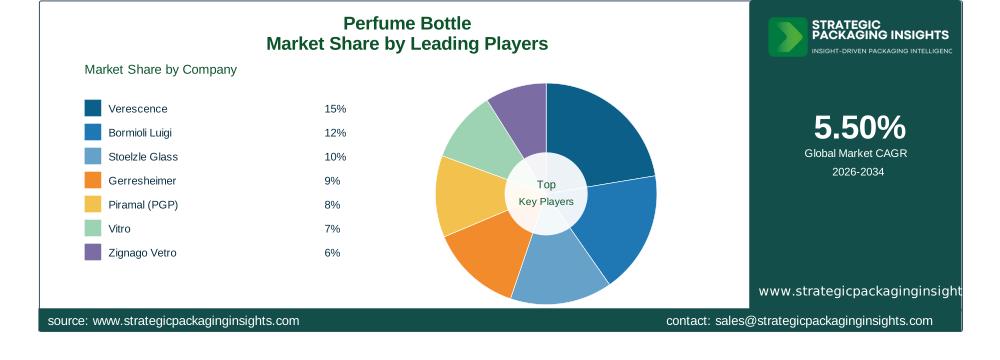
Gerresheimer and Piramal (PGP) are also prominent players in the market, known for their high-quality packaging solutions and extensive product portfolios. These companies have invested in advanced manufacturing technologies and R&D to enhance their product offerings and meet the diverse needs of consumers. Their strategic partnerships and collaborations with leading fragrance brands have further bolstered their market presence, enabling them to capture a significant share of the market.
Vitro and Zignago Vetro are key players in the market, known for their expertise in glass manufacturing and innovative packaging designs. These companies have a strong focus on sustainability, using recycled materials and eco-friendly production processes to reduce their environmental impact. Their commitment to quality and innovation has earned them a loyal customer base, as consumers increasingly seek premium and sustainable packaging solutions.
Heinz Glas and Pochet Group are also notable players in the market, offering a wide range of packaging solutions for luxury and mass-market brands. These companies have a strong global presence, with operations in key markets across Europe, Asia Pacific, and North America. Their focus on design and innovation has enabled them to capture a significant share of the market, as consumers seek unique and aesthetically pleasing packaging options. SGB Packaging is another key player, known for its expertise in packaging design and manufacturing, catering to the diverse needs of consumers and brands.
Key Highlights
- Market Size: The Perfume Bottle market was valued at USD 3.2 billion in 2025 and is projected to reach USD 5.2 billion by 2034.
- Growth Rate: The market is expected to grow at a CAGR of 5.50% during the forecast period.
- Leading Companies: Key players include Verescence, Bormioli Luigi, Stoelzle Glass, and Gerresheimer.
- Sustainability Focus: Increasing demand for eco-friendly and recyclable packaging solutions.
- Regional Insights: Asia Pacific and Europe are key growth regions, driven by rising disposable incomes and changing consumer lifestyles.
- Innovation Trends: Technological advancements in packaging design and manufacturing processes.
- Consumer Preferences: Growing trend of personalized and niche fragrances driving demand.
Perfume Bottle Market Segments Insights

By Material Analysis
The material segment of the Perfume Bottle market is dominated by glass, which is preferred for its aesthetic appeal and premium feel. Glass bottles, including molded, polished, and colored variants, are widely used by luxury and prestige brands to enhance the visual appeal of their products. Companies like Verescence and Bormioli Luigi are leading the market with their innovative glass designs and sustainable production processes. Crystal is another popular material, known for its clarity and elegance, often used by niche and artisan fragrance houses to create unique and high-end packaging solutions.
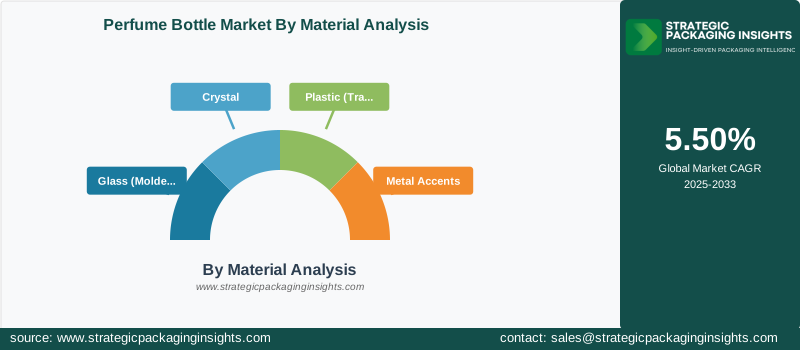
Plastic bottles, particularly travel-sized options, are gaining popularity due to their lightweight and durable nature. These bottles are favored by mass-market brands and consumers seeking convenient and portable packaging solutions. Metal accents are also used to add a touch of luxury and sophistication to perfume bottles, enhancing their overall appeal. The growing emphasis on sustainability is driving innovation in material selection, with companies exploring eco-friendly alternatives and recyclable materials to meet consumer demand for environmentally conscious packaging solutions.
By Capacity Analysis
The capacity segment of the Perfume Bottle market is diverse, catering to a wide range of consumer preferences and needs. Bottles with a capacity below 30 ml are popular among consumers seeking travel-friendly and portable options. These bottles are often used for sample sizes and promotional products, allowing consumers to try new fragrances without committing to a full-sized bottle. The 30-50 ml and 50-100 ml segments are the most popular, offering a balance between convenience and value. These sizes are favored by both luxury and mass-market brands, providing consumers with a variety of options to suit their preferences.
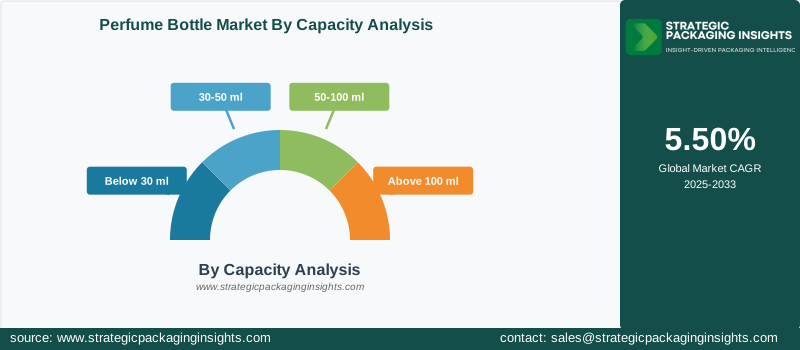
Bottles with a capacity above 100 ml are typically used for luxury and prestige fragrances, offering consumers a premium and long-lasting product. These bottles are often designed with intricate details and high-quality materials to enhance their visual appeal and reflect the brand's image. The growing trend of personalized and niche fragrances is driving demand for a wider range of bottle sizes, as consumers seek unique and customized packaging solutions. Brands are responding to this demand by offering a variety of sizes and designs to cater to diverse consumer preferences.
By Decoration Analysis
The decoration segment of the Perfume Bottle market is characterized by a wide range of techniques used to enhance the visual appeal and brand identity of the packaging. Lacquering and coating are popular methods used to add color and texture to glass bottles, creating a unique and eye-catching design. Companies like Stoelzle Glass and Gerresheimer are leading the market with their innovative decoration techniques, offering brands a variety of options to differentiate their products.
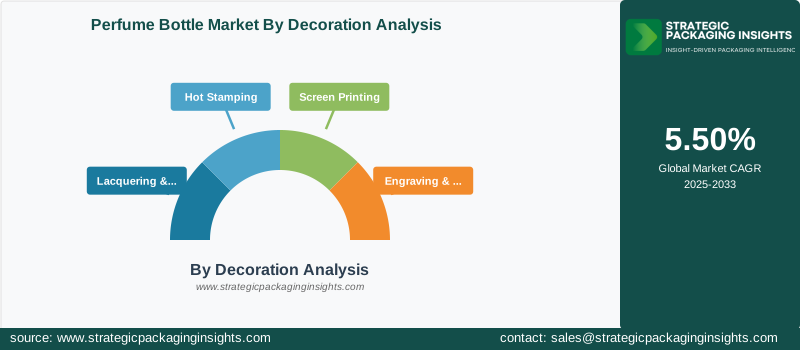
Hot stamping and screen printing are commonly used to add logos, text, and intricate designs to perfume bottles, enhancing their brand identity and consumer appeal. Engraving and embossing are also popular techniques, used to create a tactile and luxurious feel. These decoration methods are favored by luxury and prestige brands, as they add a touch of elegance and sophistication to the packaging. The growing emphasis on sustainability is driving innovation in decoration techniques, with companies exploring eco-friendly alternatives and reducing the use of harmful chemicals in the production process.
By End Use Analysis
The end-use segment of the Perfume Bottle market is diverse, catering to a wide range of consumer preferences and brand strategies. Prestige and luxury brands dominate the market, offering high-quality and aesthetically pleasing packaging solutions that reflect their brand image and appeal to discerning consumers. These brands often use premium materials and intricate designs to create a unique and luxurious product that stands out on the shelf.
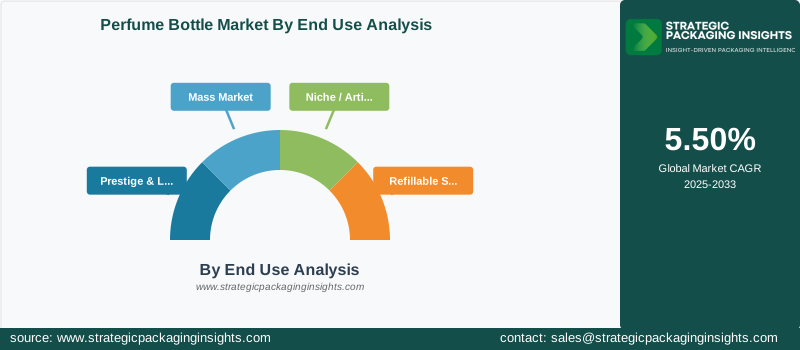
The mass market segment is characterized by affordable and accessible packaging solutions, catering to a wide range of consumers seeking value and convenience. Niche and artisan fragrance houses are gaining popularity, offering unique and personalized products that cater to specific consumer preferences. These brands often use innovative packaging designs and sustainable materials to differentiate themselves and appeal to eco-conscious consumers. Refillable systems are also gaining traction, offering consumers a convenient and sustainable option that reduces waste and aligns with environmental goals.
Perfume Bottle Market Segments
The Perfume Bottle market has been segmented on the basis ofBy Material
- Glass (Molded, Polished, Colored)
- Crystal
- Plastic (Travel)
- Metal Accents
By Capacity
- Below 30 ml
- 30-50 ml
- 50-100 ml
- Above 100 ml
By Decoration
- Lacquering & Coating
- Hot Stamping
- Screen Printing
- Engraving & Embossing
By End Use
- Prestige & Luxury Brands
- Mass Market
- Niche / Artisan Houses
- Refillable Systems
By Region
- North America (U.S., Canada, Mexico)
- Europe (Germany, UK, France, Italy, Spain, Rest of Europe)
- Asia Pacific (China, India, Japan, South Korea, Australia, Rest of Asia Pacific)
- Latin America (Brazil, Argentina, Rest of Latin America)
- Middle East & Africa (GCC Countries, South Africa, Rest of MEA)




