


Paper-Based Flexible Packaging Market Outlook
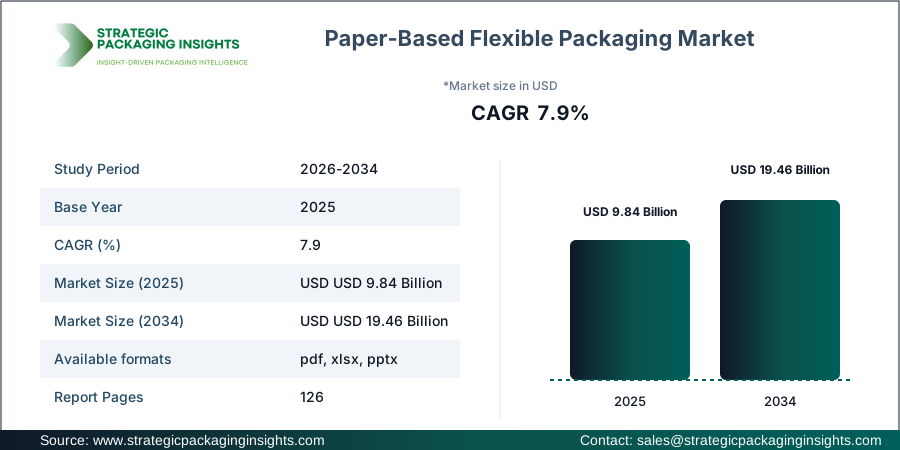
The Paper-Based Flexible Packaging market size was valued at USD 9.84 Billion in 2025 and is anticipated to reach USD 19.46 Billion by 2034, growing at a CAGR of 7.9% during the forecast period according to Strategic Packaging Insights. This growth is driven by increasing consumer demand for sustainable packaging solutions, as well as the rising awareness of environmental issues. Companies like Mondi plc and Amcor plc are leading the charge in developing innovative paper-based packaging solutions that cater to the needs of environmentally conscious consumers. The market is also benefiting from advancements in barrier technologies that enhance the functionality of paper-based packaging, making it a viable alternative to plastic.
One of the most impactful drivers of the Paper-Based Flexible Packaging market is the growing regulatory pressure to reduce plastic waste. Governments worldwide are implementing stringent regulations to curb plastic usage, which is propelling the demand for paper-based alternatives. For instance, the European Union's directive on single-use plastics is pushing manufacturers to adopt more sustainable packaging solutions. This regulatory landscape is encouraging companies like Huhtamaki Oyj and Billerud AB to invest in research and development to create high-performance paper-based packaging that meets both consumer and regulatory expectations.
Report Scope
| Attributes | Details |
| Report Title | Paper-Based Flexible Packaging Market Size, Future Growth and Forecast 2034 |
| By Product Type | Paper Pouches, Paper Bags, Paper Wraps, Paper Sachets, Paper Laminates |
| By Barrier Type | Water-Based Barrier, Bio-Based Barrier, Dispersion Coated, Wax Coated, Uncoated |
| By Application | Food & Beverage, Healthcare & Pharmaceuticals, Personal Care & Cosmetics, Home Care, Pet Food, Industrial Packaging |
| By End User | Food Manufacturers, Packaging Converters, Retail & E-Commerce, Consumer Goods Companies, Healthcare Companies |
| Region | Asia Pacific, North America, Latin America, Europe, Middle East & Africa |
| Base Year | 2025 |
| Historic Period | 2018-2024 |
| Forecast Period | 2026-2034 |
| Number of Pages | 126 |
| Customization Available | Yes* |
Sustainability & Circular Economy Analysis
Sustainability initiatives are significantly shaping the Paper-Based Flexible Packaging market. The shift towards recyclable materials and reusable packaging is becoming a cornerstone of the industry. Companies are increasingly focusing on lightweight packaging solutions that not only reduce material usage but also lower transportation costs and carbon emissions. This trend is evident in the efforts of companies like Stora Enso and UPM Specialty Papers, which are pioneering eco-friendly material innovations to meet consumer demand for sustainable products.
The circular economy is influencing packaging design and manufacturing processes, with a strong emphasis on waste reduction strategies. Extended Producer Responsibility (EPR) regulations are compelling manufacturers to take accountability for the entire lifecycle of their products, including post-consumer waste. This has led to increased investment in recycling networks and the development of biodegradable packaging solutions. As a result, companies are re-evaluating their supply chain strategies to ensure compliance with these regulations and to enhance their long-term market competitiveness.
Consumer preferences for sustainability are driving significant changes in the packaging industry. There is a growing demand for packaging that aligns with environmental, social, and governance (ESG) initiatives. This shift is prompting companies to adopt carbon footprint reduction strategies and to invest in sustainable packaging technologies. Packaging regulations are also playing a crucial role in shaping the market, as they dictate the materials and processes that can be used. Companies that can successfully navigate these regulatory landscapes and meet consumer expectations are likely to gain a competitive edge in the market.
Packaging Value Chain & Supply Chain Analysis
The packaging value chain is a complex ecosystem that involves multiple stakeholders, from raw material suppliers to end consumers. Raw material sourcing is a critical component, as the availability and cost of materials like paper and pulp can significantly impact production capabilities and pricing strategies. Companies like Smurfit Westrock and DS Smith are focusing on securing sustainable raw material sources to ensure a steady supply and to mitigate risks associated with material shortages.
Packaging converters and manufacturers play a pivotal role in transforming raw materials into finished products. The efficiency of these processes is crucial for maintaining competitive pricing and meeting delivery timelines. Strategic partnerships with packaging machinery providers and logistics companies are essential for optimizing production and distribution channels. Companies are increasingly investing in advanced machinery and automation technologies to enhance production efficiency and to reduce operational costs.
Supply chain resilience is becoming a top priority for companies in the Paper-Based Flexible Packaging market. The COVID-19 pandemic highlighted the vulnerabilities in global supply chains, prompting companies to explore localization and global sourcing strategies. Inventory management and procurement strategies are being re-evaluated to ensure flexibility and to minimize disruptions. Companies that can effectively manage their supply chains and adapt to changing market conditions are likely to maintain a competitive advantage in the industry.
Opportunities & Threats
The Paper-Based Flexible Packaging market presents numerous opportunities for growth and innovation. One of the key opportunities lies in the development of advanced barrier technologies that enhance the functionality of paper-based packaging. Companies that can create high-performance barriers that provide moisture resistance and extend shelf life are likely to capture a significant share of the market. Additionally, the increasing demand for personalized and customized packaging solutions offers opportunities for companies to differentiate themselves and to cater to niche markets.
Another opportunity is the expansion of the market in emerging economies. As consumer awareness of environmental issues grows in regions like Asia Pacific and Latin America, there is a rising demand for sustainable packaging solutions. Companies that can establish a strong presence in these regions and offer cost-effective, eco-friendly packaging options are likely to experience substantial growth. Furthermore, the integration of digital technologies in packaging, such as QR codes and smart labels, presents opportunities for enhancing consumer engagement and for providing value-added services.
Despite the opportunities, the market also faces several threats. One of the primary challenges is the competition from alternative packaging materials, such as bioplastics and compostable plastics. These materials offer similar sustainability benefits and are gaining traction in the market. Additionally, fluctuations in raw material prices and supply chain disruptions pose significant risks to market stability. Companies must navigate these challenges by investing in research and development and by building resilient supply chains to maintain their competitive edge.
Drivers & Challenges
The Paper-Based Flexible Packaging market is driven by several key factors. The increasing consumer demand for sustainable and eco-friendly packaging solutions is a major driver. As consumers become more environmentally conscious, they are seeking packaging options that align with their values. This trend is encouraging companies to innovate and to develop packaging solutions that reduce environmental impact. Additionally, the regulatory landscape is driving the adoption of paper-based packaging, as governments implement policies to reduce plastic waste and to promote sustainability.
Technological advancements are also driving the market. Innovations in barrier technologies and printing techniques are enhancing the functionality and aesthetics of paper-based packaging. Companies are investing in research and development to create packaging solutions that offer superior performance and that meet the evolving needs of consumers. Furthermore, the rise of e-commerce is driving demand for flexible packaging solutions that provide convenience and protection during shipping.
However, the market faces several challenges. One of the primary challenges is the cost of production, as paper-based packaging can be more expensive to produce than plastic alternatives. Companies must find ways to optimize production processes and to reduce costs to remain competitive. Additionally, the market is challenged by the need to balance sustainability with functionality. While consumers demand eco-friendly packaging, they also expect packaging to provide adequate protection and to preserve product quality. Companies must navigate these challenges to meet consumer expectations and to maintain market share.
Market Share Analysis
The Paper-Based Flexible Packaging market is characterized by a competitive landscape with several key players vying for market share. Companies like Mondi plc and Amcor plc are leading the market with their innovative packaging solutions and strong global presence. These companies have established themselves as leaders in the industry by investing in research and development and by expanding their product portfolios to meet the diverse needs of consumers.
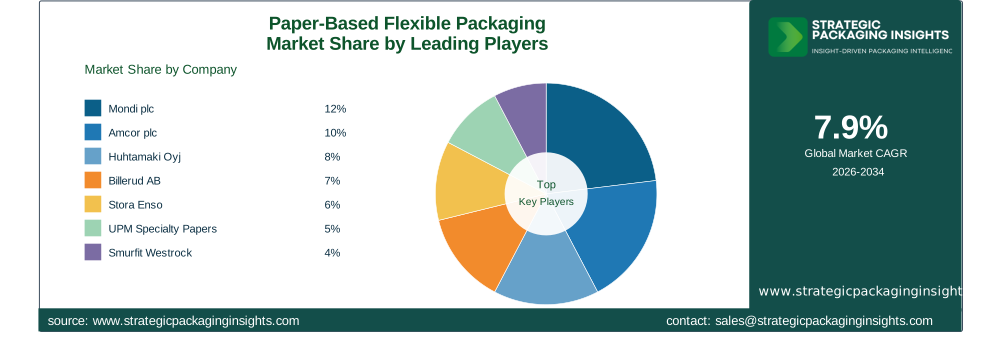
Huhtamaki Oyj and Billerud AB are also significant players in the market, known for their commitment to sustainability and for their advanced packaging technologies. These companies have a strong focus on developing eco-friendly packaging solutions that align with consumer preferences and regulatory requirements. Their strategic partnerships and collaborations with other industry players have enabled them to enhance their market position and to expand their reach.
Stora Enso and UPM Specialty Papers are recognized for their innovative material solutions and for their efforts to promote sustainability in the packaging industry. These companies are investing in new technologies and in sustainable raw materials to create packaging solutions that meet the highest environmental standards. Their focus on sustainability and innovation has positioned them as leaders in the market.
Other notable companies in the market include Smurfit Westrock, DS Smith, Koehler Paper, and Sappi Limited. These companies are known for their strong market presence and for their ability to deliver high-quality packaging solutions. Their extensive distribution networks and strategic partnerships have enabled them to maintain a competitive edge in the market. Overall, the competitive landscape of the Paper-Based Flexible Packaging market is dynamic, with companies continuously striving to innovate and to meet the evolving needs of consumers.
Key Highlights
- Market Size: USD 9.84 Billion in 2025, projected to reach USD 19.46 Billion by 2034.
- Growth Rate: CAGR of 7.9% during the forecast period.
- Leading Companies: Mondi plc, Amcor plc, Huhtamaki Oyj, Billerud AB, Stora Enso.
- Growing Segments: Paper Pouches and Paper Bags.
- Key Regions: Asia Pacific and North America are leading growth.
- Regulatory Impact: Stringent regulations driving demand for sustainable packaging.
- Technological Advancements: Innovations in barrier technologies enhancing market potential.
Paper-Based Flexible Packaging Market Segments Insights

By Product Type Analysis
The Paper-Based Flexible Packaging market is segmented by product type, including Paper Pouches, Paper Bags, Paper Wraps, Paper Sachets, and Paper Laminates. Among these, Paper Pouches and Paper Bags are experiencing significant growth due to their versatility and eco-friendly nature. These products are widely used in the food and beverage industry, where there is a strong demand for sustainable packaging solutions. Companies are focusing on developing innovative designs and features to enhance the functionality and appeal of these products. The increasing consumer preference for convenient and lightweight packaging is driving the demand for paper pouches and bags.
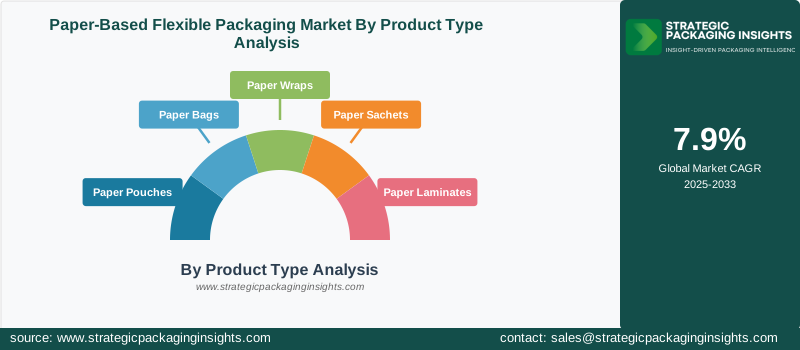
Paper Wraps and Paper Sachets are also gaining traction in the market, particularly in the personal care and cosmetics industry. These products offer excellent barrier properties and are ideal for packaging sensitive products. The growing awareness of environmental issues is encouraging companies to adopt paper-based packaging solutions that reduce plastic waste. Paper Laminates, on the other hand, are used in a variety of applications, including industrial packaging and healthcare. The demand for high-performance laminates that provide superior protection and durability is driving innovation in this segment.
By Barrier Type Analysis
The market is also segmented by barrier type, including Water-Based Barrier, Bio-Based Barrier, Dispersion Coated, Wax Coated, and Uncoated. Water-Based Barriers are gaining popularity due to their eco-friendly properties and their ability to provide effective moisture resistance. These barriers are widely used in the food and beverage industry, where product freshness and shelf life are critical. Bio-Based Barriers are also gaining traction, as they offer a sustainable alternative to traditional barrier materials. Companies are investing in research and development to create bio-based solutions that meet the performance requirements of various applications.
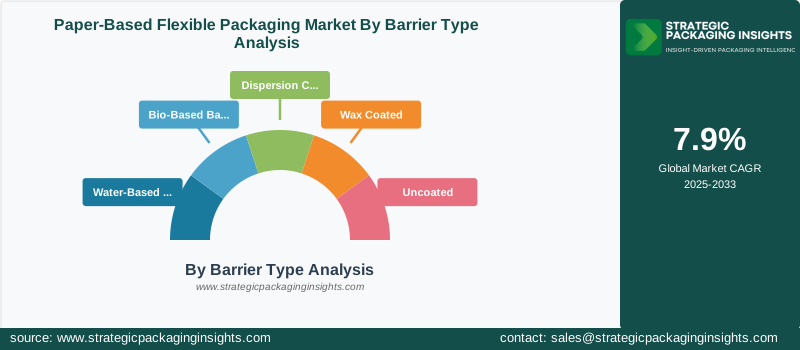
Dispersion Coated and Wax Coated barriers are used in applications where additional protection is needed. These barriers provide excellent grease and moisture resistance, making them ideal for packaging oily or greasy products. Uncoated paper is used in applications where barrier properties are not a primary concern. The demand for uncoated paper is driven by its cost-effectiveness and its suitability for applications where minimal protection is required. Overall, the barrier type segment is characterized by a strong focus on sustainability and innovation, with companies striving to develop high-performance solutions that meet the evolving needs of consumers.
By Application Analysis
The Paper-Based Flexible Packaging market is segmented by application, including Food & Beverage, Healthcare & Pharmaceuticals, Personal Care & Cosmetics, Home Care, Pet Food, and Industrial Packaging. The Food & Beverage segment is the largest application segment, driven by the increasing demand for sustainable packaging solutions in the food industry. Companies are focusing on developing packaging solutions that preserve product freshness and extend shelf life. The Healthcare & Pharmaceuticals segment is also experiencing growth, as paper-based packaging offers a sustainable alternative to plastic packaging in the healthcare industry.
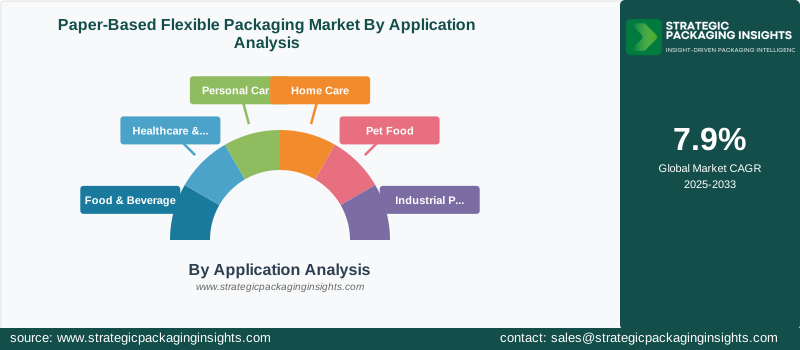
The Personal Care & Cosmetics segment is characterized by a strong demand for eco-friendly packaging solutions that align with consumer preferences for sustainable products. Companies are investing in innovative designs and materials to create packaging solutions that enhance the appeal of personal care products. The Home Care and Pet Food segments are also experiencing growth, driven by the increasing consumer awareness of environmental issues and the demand for sustainable packaging solutions. The Industrial Packaging segment is characterized by a demand for high-performance packaging solutions that provide superior protection and durability.
By End User Analysis
The market is segmented by end user, including Food Manufacturers, Packaging Converters, Retail & E-Commerce, Consumer Goods Companies, and Healthcare Companies. Food Manufacturers are the largest end user segment, driven by the increasing demand for sustainable packaging solutions in the food industry. Packaging Converters play a critical role in transforming raw materials into finished products, and their ability to innovate and to develop high-performance packaging solutions is crucial for meeting the needs of end users.
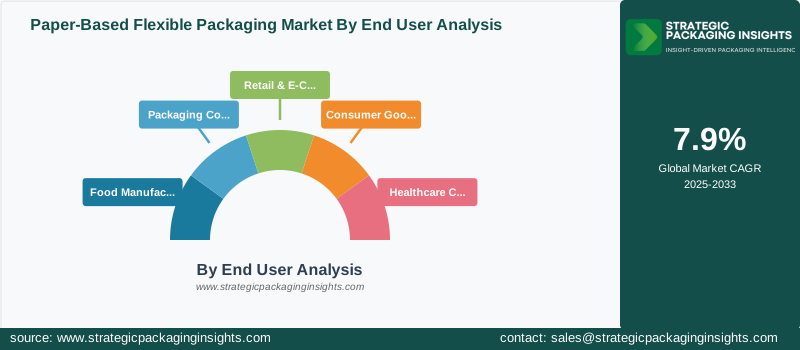
Retail & E-Commerce companies are also significant end users, as they require packaging solutions that provide convenience and protection during shipping. The demand for flexible packaging solutions that enhance the consumer experience is driving innovation in this segment. Consumer Goods Companies and Healthcare Companies are also key end users, as they require packaging solutions that align with their sustainability goals and that meet regulatory requirements. Overall, the end user segment is characterized by a strong focus on sustainability and innovation, with companies striving to develop packaging solutions that meet the evolving needs of consumers.
Paper-Based Flexible Packaging Market Segments
The Paper-Based Flexible Packaging market has been segmented on the basis ofBy Product Type
- Paper Pouches
- Paper Bags
- Paper Wraps
- Paper Sachets
- Paper Laminates
By Barrier Type
- Water-Based Barrier
- Bio-Based Barrier
- Dispersion Coated
- Wax Coated
- Uncoated
By Application
- Food & Beverage
- Healthcare & Pharmaceuticals
- Personal Care & Cosmetics
- Home Care
- Pet Food
- Industrial Packaging
By End User
- Food Manufacturers
- Packaging Converters
- Retail & E-Commerce
- Consumer Goods Companies
- Healthcare Companies
Region
- Asia Pacific
- North America
- Latin America
- Europe
- Middle East & Africa




