


Packaging Resins Market Outlook
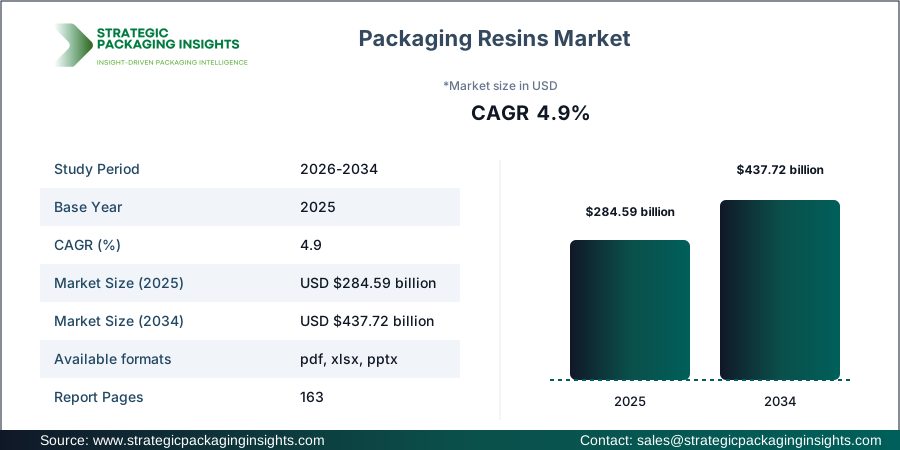
The Packaging Resins market was valued at $284.59 billion in 2025 and is projected to reach $437.72 billion by 2034, growing at a CAGR of 4.9% during the forecast period 2026-2034. This growth is driven by the increasing demand for sustainable and lightweight packaging solutions across various industries such as food, beverage, and personal care. The shift towards eco-friendly packaging materials and the rising consumer awareness regarding environmental issues are further propelling the market. Additionally, advancements in resin technologies and the development of bio-based and recycled resins are expected to offer lucrative opportunities for market players.
Report Scope
| Attributes | Details |
| Report Title | Packaging Resins Market Size, Future Growth and Forecast 2034 |
| By Resin Type | PE, PP, PET, PVC, PS |
| By Application | Bottles, Films, Trays, Closures |
| By End Use | Food, Beverage, Pharma, Personal Care |
| By Polymer Form | Virgin, Recycled, Bio-based |
| Region | Asia Pacific, North America, Latin America, Europe, Middle East & Africa |
| Base Year | 2025 |
| Historic Period | 2018-2024 |
| Forecast Period | 2026-2034 |
| Number of Pages | 163 |
| Customization Available | Yes* |
Opportunities & Threats
The Packaging Resins market presents significant opportunities, particularly in the development of bio-based and recycled resins. As consumers and industries alike become more environmentally conscious, the demand for sustainable packaging solutions is on the rise. This trend is encouraging manufacturers to innovate and produce resins that are not only effective but also environmentally friendly. The increasing adoption of recycled resins in packaging applications is expected to reduce the dependency on virgin materials, thereby lowering production costs and environmental impact. Furthermore, the growing e-commerce sector is driving the demand for packaging resins, as more products require durable and protective packaging during transit.
Another opportunity lies in the expansion of the food and beverage industry, which is a major consumer of packaging resins. The need for safe, hygienic, and convenient packaging solutions is driving the demand for high-quality resins that can preserve the freshness and extend the shelf life of products. Innovations in resin formulations that enhance barrier properties and improve recyclability are likely to gain traction in the market. Additionally, the increasing focus on reducing food waste through better packaging solutions is expected to boost the demand for advanced packaging resins.
However, the Packaging Resins market faces certain threats, primarily from stringent environmental regulations and the volatility of raw material prices. Governments worldwide are implementing strict regulations to curb plastic waste, which could impact the production and use of certain resins. The fluctuating prices of raw materials, such as crude oil, which is a key input for resin production, can also pose challenges for manufacturers. These factors may lead to increased production costs and affect the profitability of market players.
Drivers & Challenges
The primary drivers of the Packaging Resins market include the growing demand for lightweight and durable packaging solutions. As industries seek to reduce transportation costs and improve product safety, the need for high-performance resins that offer strength and flexibility is increasing. The rise in consumer preference for convenient and easy-to-use packaging is also driving the demand for innovative resin solutions. Additionally, the increasing focus on sustainability and the circular economy is encouraging the development of bio-based and recycled resins, which are gaining popularity among manufacturers and consumers alike.
Technological advancements in resin production and processing are further propelling the market. Innovations in polymerization techniques and the development of new resin grades with enhanced properties are enabling manufacturers to meet the evolving demands of various end-use industries. The integration of digital technologies in packaging, such as smart packaging solutions, is also creating new opportunities for resin manufacturers to offer value-added products that enhance consumer engagement and product traceability.
Despite these drivers, the Packaging Resins market faces several challenges. One of the major challenges is the environmental impact of plastic waste, which has led to increased scrutiny and regulatory pressures on the industry. Manufacturers are required to comply with stringent regulations regarding the use and disposal of plastic resins, which can increase operational costs. Additionally, the competition from alternative packaging materials, such as paper and glass, poses a threat to the growth of the resin market. These materials are often perceived as more sustainable, which can influence consumer preferences and impact resin demand.
Market Share Analysis
The competitive landscape of the Packaging Resins market is characterized by the presence of several key players who dominate the market. Companies such as Dow, ExxonMobil, SABIC, LyondellBasell, and Ineos hold significant market shares due to their extensive product portfolios and strong distribution networks. These companies are continuously investing in research and development to innovate and expand their product offerings, thereby maintaining their competitive edge. The market is also witnessing strategic collaborations and partnerships among key players to enhance their market presence and cater to the growing demand for sustainable packaging solutions.
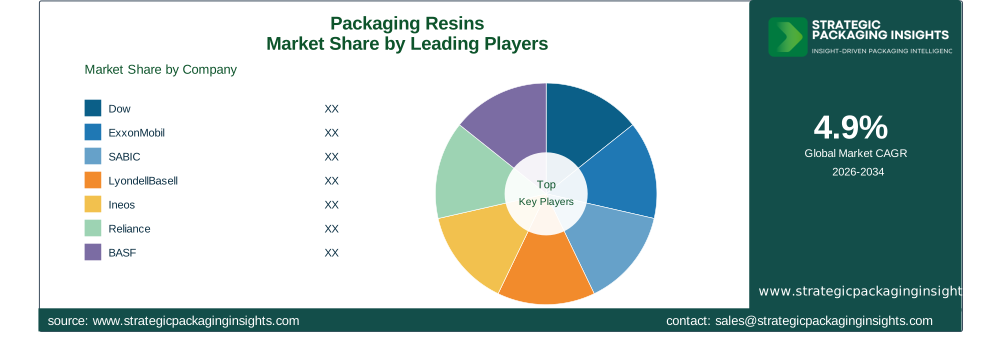
Dow, a leading player in the market, is known for its comprehensive range of packaging resins that cater to various applications. The company focuses on developing innovative solutions that meet the evolving needs of its customers while adhering to environmental regulations. ExxonMobil, another major player, offers a wide array of resins that are used in diverse packaging applications. The company's strong focus on sustainability and its commitment to reducing the environmental impact of its products have positioned it as a key player in the market.
SABIC, a global leader in the chemical industry, is actively involved in the production of high-performance packaging resins. The company's extensive research and development capabilities enable it to offer advanced resin solutions that meet the stringent requirements of various end-use industries. LyondellBasell, known for its innovative polymer solutions, is a prominent player in the packaging resins market. The company's focus on sustainability and its efforts to develop bio-based and recycled resins have strengthened its position in the market.
Ineos, Reliance, BASF, LG Chem, TotalEnergies, and Braskem are other notable players in the market. These companies are leveraging their technological expertise and global presence to expand their market share. They are also investing in capacity expansions and strategic acquisitions to enhance their product offerings and cater to the growing demand for packaging resins. The competitive landscape is expected to remain dynamic, with companies focusing on innovation and sustainability to gain a competitive advantage.
Key Highlights
- The Packaging Resins market is projected to grow from $284.59 billion in 2025 to $437.72 billion by 2034, at a CAGR of 4.9%.
- Increasing demand for sustainable and lightweight packaging solutions is driving market growth.
- Bio-based and recycled resins are gaining popularity due to environmental concerns.
- The food and beverage industry is a major consumer of packaging resins.
- Technological advancements in resin production are enhancing product performance.
- Stringent environmental regulations pose challenges to market growth.
- Key players are focusing on innovation and sustainability to maintain their competitive edge.
- The Asia Pacific region is expected to witness significant growth due to rising industrialization and urbanization.
- Strategic collaborations and partnerships are common among market players to expand their market presence.
Top Countries Insights
In the Packaging Resins market, the United States stands out as a key player, with a market size of approximately $65 billion and a CAGR of 5%. The country's robust manufacturing sector and the presence of major packaging companies drive the demand for high-quality resins. The increasing focus on sustainable packaging solutions and the adoption of advanced technologies are further propelling market growth. However, stringent environmental regulations and the need for compliance with recycling mandates pose challenges for manufacturers.
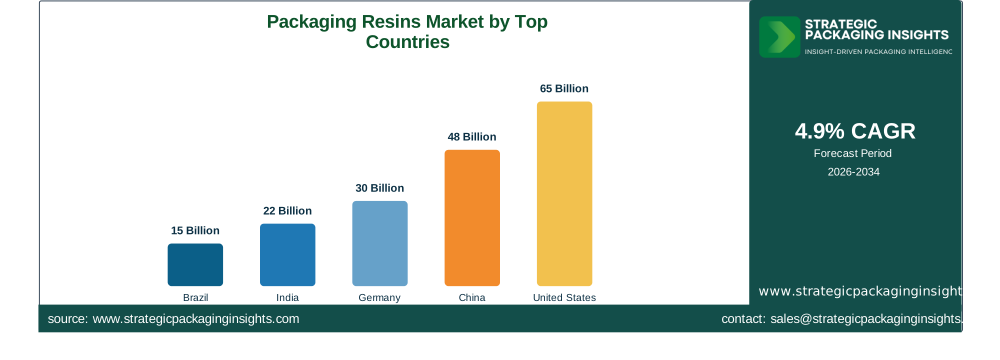
China, with a market size of around $48 billion and a CAGR of 6%, is another significant player in the Packaging Resins market. The country's rapid industrialization and urbanization have led to increased demand for packaging materials. The government's initiatives to promote sustainable packaging and reduce plastic waste are driving the adoption of bio-based and recycled resins. However, the volatility of raw material prices and the need for technological advancements in resin production are challenges that the market faces.
Germany, with a market size of approximately $30 billion and a CAGR of 4%, is a leading market in Europe. The country's strong focus on sustainability and innovation in packaging solutions is driving the demand for advanced resins. The presence of major chemical companies and the emphasis on research and development contribute to market growth. However, the stringent environmental regulations and the competition from alternative packaging materials pose challenges for the market.
India, with a market size of around $22 billion and a CAGR of 7%, is witnessing significant growth in the Packaging Resins market. The country's expanding food and beverage industry and the increasing demand for convenient packaging solutions are driving market growth. The government's initiatives to promote sustainable packaging and reduce plastic waste are encouraging the adoption of bio-based and recycled resins. However, the lack of infrastructure for recycling and the need for technological advancements in resin production are challenges that the market faces.
Brazil, with a market size of approximately $15 billion and a CAGR of 5%, is a key market in Latin America. The country's growing consumer goods industry and the increasing demand for packaging materials are driving market growth. The focus on sustainability and the adoption of advanced packaging solutions are further propelling the market. However, the volatility of raw material prices and the need for compliance with environmental regulations pose challenges for manufacturers.
Packaging Resins Market Segments Insights

Resin Type Analysis
The Resin Type segment in the Packaging Resins market is categorized into PE, PP, PET, PVC, and PS. Polyethylene (PE) is the most widely used resin type due to its versatility and cost-effectiveness. It is extensively used in the production of films, bags, and containers, making it a preferred choice for various packaging applications. The demand for PE is driven by its excellent barrier properties, lightweight nature, and recyclability. Polypropylene (PP) is another popular resin type known for its high strength and resistance to chemicals. It is commonly used in the production of rigid packaging solutions such as bottles and closures. The increasing demand for durable and lightweight packaging materials is driving the growth of the PP segment.
Polyethylene terephthalate (PET) is gaining traction in the market due to its excellent clarity, strength, and recyclability. It is widely used in the production of bottles and containers for beverages and personal care products. The growing demand for sustainable packaging solutions and the increasing focus on recycling are driving the adoption of PET resins. Polyvinyl chloride (PVC) and polystyrene (PS) are also used in various packaging applications, although their usage is declining due to environmental concerns and regulatory pressures. The development of bio-based and recycled resins is expected to offer new growth opportunities for the Resin Type segment.
Application Analysis
The Application segment in the Packaging Resins market includes bottles, films, trays, and closures. Bottles are one of the largest application segments, driven by the demand for beverage and personal care packaging. The need for lightweight, durable, and recyclable bottles is driving the demand for high-performance resins such as PET and PP. Films are another significant application segment, used extensively in food packaging due to their excellent barrier properties and flexibility. The increasing demand for convenient and easy-to-use packaging solutions is driving the growth of the films segment.
Trays and closures are also important application segments in the Packaging Resins market. Trays are widely used in the food industry for packaging fresh produce, ready-to-eat meals, and baked goods. The demand for trays is driven by the need for hygienic and convenient packaging solutions that preserve the freshness of products. Closures are used in various packaging applications, including bottles and containers, to ensure product safety and prevent leakage. The increasing demand for tamper-evident and child-resistant closures is driving the growth of this segment.
End Use Analysis
The End Use segment in the Packaging Resins market is categorized into food, beverage, pharma, and personal care. The food industry is one of the largest consumers of packaging resins, driven by the need for safe, hygienic, and convenient packaging solutions. The demand for high-performance resins that offer excellent barrier properties and extend the shelf life of products is driving the growth of this segment. The beverage industry is another major consumer of packaging resins, with the demand for lightweight and recyclable bottles driving the adoption of PET and PP resins.
The pharmaceutical industry is also a significant consumer of packaging resins, with the need for safe and secure packaging solutions driving the demand for high-quality resins. The increasing focus on patient safety and the need for tamper-evident packaging solutions are driving the growth of this segment. The personal care industry is witnessing significant growth in the demand for packaging resins, driven by the need for attractive and convenient packaging solutions. The increasing focus on sustainability and the adoption of bio-based and recycled resins are expected to drive the growth of this segment.
Polymer Form Analysis
The Polymer Form segment in the Packaging Resins market includes virgin, recycled, and bio-based resins. Virgin resins are the most widely used form, known for their purity and consistency. They are extensively used in various packaging applications due to their excellent performance and reliability. However, the increasing focus on sustainability and the need to reduce plastic waste are driving the demand for recycled resins. Recycled resins are gaining popularity due to their environmental benefits and cost-effectiveness. The development of advanced recycling technologies is expected to enhance the quality and performance of recycled resins, driving their adoption in the market.
Bio-based resins are also gaining traction in the market, driven by the increasing demand for sustainable packaging solutions. These resins are derived from renewable sources and offer environmental benefits such as reduced carbon footprint and biodegradability. The development of bio-based resins with enhanced properties and performance is expected to offer new growth opportunities for the Polymer Form segment. The increasing focus on the circular economy and the adoption of sustainable packaging practices are expected to drive the growth of this segment.
Packaging Resins Market Segments
The Packaging Resins market has been segmented on the basis ofBy Resin Type
- PE
- PP
- PET
- PVC
- PS
By Application
- Bottles
- Films
- Trays
- Closures
By End Use
- Food
- Beverage
- Pharma
- Personal Care
By Polymer Form
- Virgin
- Recycled
- Bio-based
Region
- Asia Pacific
- North America
- Latin America
- Europe
- Middle East & Africa




