


Packaging Carbon Footprint Measurement Tools Market Outlook
The Packaging Carbon Footprint Measurement Tools market size was valued at USD 512.0 Million in 2025 and is anticipated to reach USD 2.04 Billion by 2034, growing at a CAGR of 16.7% during the forecast period according to Strategic Packaging Insights. This significant growth is driven by the increasing demand for sustainable packaging solutions across various industries. Companies like SAP and Sphera are leading the charge by providing innovative tools that help businesses measure and reduce their carbon footprint. The market is witnessing a surge in demand as more companies prioritize sustainability and seek to comply with stringent environmental regulations.
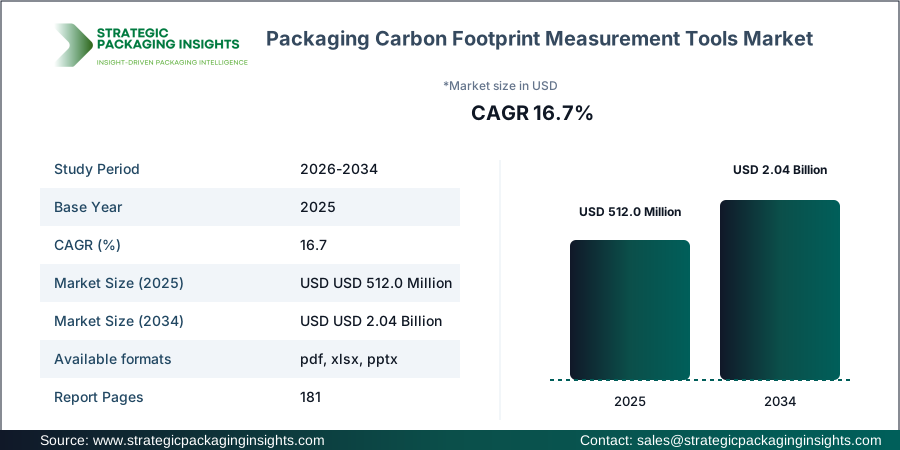
One of the most impactful drivers of this market is the growing emphasis on environmental sustainability and regulatory compliance. Governments worldwide are implementing stricter regulations to curb carbon emissions, which is compelling companies to adopt carbon footprint measurement tools. For instance, the European Union's Green Deal aims to make Europe climate-neutral by 2050, which has accelerated the adoption of these tools. Companies like Ecochain and Makersite are at the forefront, offering comprehensive solutions that enable businesses to track and manage their carbon emissions effectively. This regulatory push, coupled with increasing consumer awareness about environmental issues, is expected to drive the market's growth significantly.
Report Scope
| Attributes | Details |
| Report Title | Packaging Carbon Footprint Measurement Tools Market Size, Future Growth and Forecast 2034 |
| By Deployment | Cloud-Based, On-Premises, Hybrid |
| By Functionality | Carbon Footprint Assessment, Life Cycle Assessment (LCA), Packaging Emissions Analytics, Scope 3 Emissions Management, Sustainability Reporting, Compliance Management |
| By Packaging Material | Plastic Packaging, Paper & Paperboard Packaging, Glass Packaging, Metal Packaging, Flexible Packaging |
| By End User | Food & Beverage, Personal Care & Cosmetics, Healthcare & Pharmaceuticals, Consumer Goods, Industrial Packaging, Retail & E-commerce |
| Region | Asia Pacific, North America, Latin America, Europe, Middle East & Africa |
| Base Year | 2025 |
| Historic Period | 2018-2024 |
| Forecast Period | 2026-2034 |
| Number of Pages | 181 |
| Customization Available | Yes* |
Sustainability & Circular Economy Analysis
Sustainability initiatives and circular economy practices are profoundly influencing the packaging market, driving the adoption of carbon footprint measurement tools. As companies strive to reduce their environmental impact, the use of recyclable materials and reusable packaging is becoming more prevalent. This shift is not only reducing waste but also lowering the carbon footprint associated with packaging production and disposal. Companies are investing in eco-friendly material innovations, such as biodegradable plastics and lightweight packaging, to meet consumer demand for sustainable products. These trends are reshaping packaging design and manufacturing processes, making sustainability a key consideration in investment decisions.
The integration of sustainability into supply chain strategies is also gaining momentum, with companies adopting waste reduction strategies and ESG initiatives to enhance their market competitiveness. Carbon footprint measurement tools are playing a crucial role in this transformation by providing the data needed to make informed decisions about packaging materials and processes. As a result, companies are better equipped to comply with packaging regulations and extended producer responsibility (EPR) requirements, which are becoming increasingly stringent worldwide. This focus on sustainability is not only helping companies reduce their environmental impact but also enhancing their brand reputation and customer loyalty.
Moreover, consumer preferences for sustainable packaging are driving companies to adopt carbon footprint measurement tools to meet these expectations. As consumers become more environmentally conscious, they are demanding transparency and accountability from brands regarding their sustainability practices. This shift is prompting companies to invest in tools that provide accurate and reliable data on their carbon emissions, enabling them to communicate their sustainability efforts effectively. In turn, this is fostering a more competitive market environment, where companies that prioritize sustainability are gaining a competitive edge.
Packaging Value Chain & Supply Chain Analysis
The packaging value chain is a complex ecosystem that involves multiple stakeholders, including raw material suppliers, packaging converters, manufacturers, and logistics providers. The efficiency of this value chain is crucial for the overall performance of the packaging market. Raw material sourcing plays a significant role in determining the carbon footprint of packaging products. Companies are increasingly focusing on sustainable procurement strategies to ensure the availability of eco-friendly materials. This shift is driving the demand for carbon footprint measurement tools, which help companies assess the environmental impact of their raw material choices and optimize their supply chain operations.
Packaging converters and manufacturers are also leveraging carbon footprint measurement tools to enhance their production capabilities and reduce emissions. By integrating these tools into their operations, companies can identify areas for improvement and implement strategies to minimize their carbon footprint. This not only helps companies comply with environmental regulations but also enhances their competitiveness in the market. Strategic partnerships and collaborations are becoming more common as companies seek to share resources and expertise to achieve their sustainability goals. These partnerships are facilitating the development of innovative packaging solutions that meet the evolving needs of consumers and regulators.
Logistics and distribution channels are another critical component of the packaging value chain. Efficient transportation and inventory management are essential for reducing the carbon footprint associated with packaging distribution. Companies are adopting localization strategies to minimize transportation distances and reduce emissions. Carbon footprint measurement tools provide valuable insights into the environmental impact of logistics operations, enabling companies to make data-driven decisions that enhance supply chain resilience. As a result, companies are better positioned to meet the growing demand for sustainable packaging solutions while maintaining their market competitiveness.
Opportunities & Threats
The Packaging Carbon Footprint Measurement Tools market presents numerous opportunities for growth and innovation. One of the most significant opportunities lies in the increasing demand for sustainable packaging solutions across various industries. As companies strive to reduce their environmental impact, they are investing in tools that help them measure and manage their carbon emissions. This trend is creating a lucrative market for providers of carbon footprint measurement tools, such as SAP and Sphera, who are offering innovative solutions to meet the evolving needs of businesses. Additionally, the growing emphasis on regulatory compliance is driving the adoption of these tools, as companies seek to align with environmental standards and avoid potential penalties.
Another opportunity in the market is the rising consumer awareness and demand for transparency regarding sustainability practices. Consumers are increasingly seeking products that are environmentally friendly and are willing to pay a premium for brands that demonstrate a commitment to sustainability. This shift in consumer preferences is prompting companies to invest in carbon footprint measurement tools to provide accurate and reliable data on their sustainability efforts. By leveraging these tools, companies can enhance their brand reputation and gain a competitive edge in the market. Furthermore, the integration of advanced technologies, such as artificial intelligence and machine learning, into carbon footprint measurement tools is opening new avenues for innovation and efficiency.
Despite the numerous opportunities, the market also faces certain threats that could hinder its growth. One of the primary challenges is the high cost associated with implementing carbon footprint measurement tools. Small and medium-sized enterprises (SMEs) may find it difficult to invest in these tools due to budget constraints, limiting their ability to adopt sustainable practices. Additionally, the lack of standardized methodologies for measuring carbon emissions can create inconsistencies and inaccuracies in data reporting, undermining the effectiveness of these tools. Companies must navigate these challenges by developing cost-effective solutions and advocating for industry-wide standards to ensure the reliability and accuracy of carbon footprint measurements.
Drivers & Challenges
The Packaging Carbon Footprint Measurement Tools market is driven by several key factors that are shaping its growth trajectory. One of the primary drivers is the increasing regulatory pressure to reduce carbon emissions and promote sustainability. Governments worldwide are implementing stringent environmental regulations, compelling companies to adopt carbon footprint measurement tools to comply with these standards. This regulatory push is creating a favorable environment for market growth, as companies seek to align with environmental policies and avoid potential penalties. Additionally, the growing consumer demand for sustainable packaging solutions is driving companies to invest in tools that help them measure and manage their carbon emissions effectively.
Another significant driver of the market is the rising awareness of the environmental impact of packaging materials. Companies are increasingly recognizing the need to reduce their carbon footprint and are investing in tools that provide accurate data on their emissions. This trend is being fueled by the growing emphasis on corporate social responsibility (CSR) and the need to enhance brand reputation. By adopting carbon footprint measurement tools, companies can demonstrate their commitment to sustainability and gain a competitive edge in the market. Furthermore, the integration of advanced technologies, such as artificial intelligence and machine learning, into these tools is enhancing their capabilities and driving market growth.
Despite the positive drivers, the market also faces several challenges that could impede its growth. One of the primary challenges is the high cost associated with implementing carbon footprint measurement tools. Many companies, particularly small and medium-sized enterprises (SMEs), may find it difficult to invest in these tools due to budget constraints. Additionally, the lack of standardized methodologies for measuring carbon emissions can create inconsistencies and inaccuracies in data reporting, undermining the effectiveness of these tools. Companies must address these challenges by developing cost-effective solutions and advocating for industry-wide standards to ensure the reliability and accuracy of carbon footprint measurements.
Market Share Analysis
The competitive landscape of the Packaging Carbon Footprint Measurement Tools market is characterized by the presence of several key players who are driving innovation and growth. Companies like SAP, Sphera, and Specright are leading the market with their comprehensive solutions that enable businesses to measure and manage their carbon emissions effectively. These companies are leveraging their expertise and technological capabilities to offer innovative tools that meet the evolving needs of businesses across various industries. The market is also witnessing the entry of new players, such as Ecochain and Makersite, who are bringing fresh perspectives and solutions to the table.
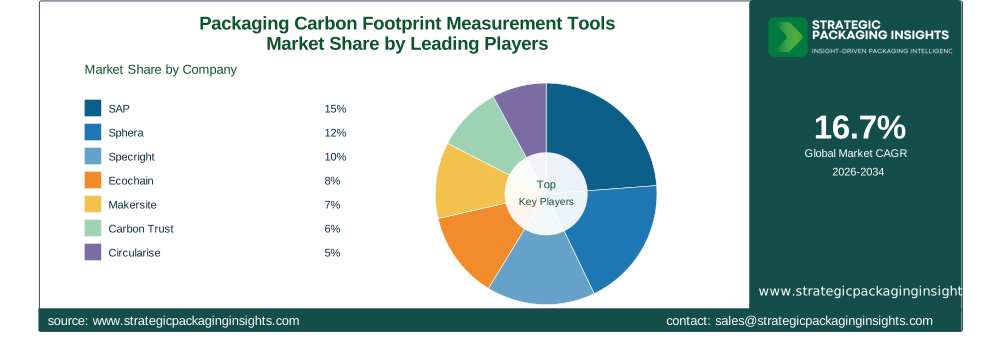
SAP is a prominent player in the market, offering a range of carbon footprint measurement tools that help companies track and manage their emissions. The company's solutions are widely used across various industries, including food and beverage, healthcare, and consumer goods. Sphera is another key player, known for its comprehensive sustainability solutions that enable companies to assess their environmental impact and comply with regulatory requirements. The company's tools are designed to provide accurate and reliable data on carbon emissions, helping businesses make informed decisions about their sustainability practices.
Specright is a leading provider of specification management software that helps companies optimize their packaging processes and reduce their carbon footprint. The company's solutions are designed to streamline packaging operations and enhance supply chain efficiency, making it a valuable partner for businesses seeking to improve their sustainability performance. Ecochain is another notable player, offering a range of tools that enable companies to measure and manage their carbon emissions across the entire value chain. The company's solutions are widely used by businesses in the food and beverage, healthcare, and consumer goods industries.
Makersite is a rising star in the market, known for its innovative solutions that combine data analytics and sustainability insights to help companies reduce their environmental impact. The company's tools are designed to provide a holistic view of a company's carbon footprint, enabling businesses to identify areas for improvement and implement effective sustainability strategies. Carbon Trust is another key player, offering a range of services that help companies measure and manage their carbon emissions. The company's expertise in sustainability and carbon management makes it a valuable partner for businesses seeking to enhance their environmental performance.
Key Highlights
- The Packaging Carbon Footprint Measurement Tools market is projected to grow from USD 512.0 Million in 2025 to USD 2.04 Billion by 2034.
- Key players include SAP, Sphera, Specright, and Ecochain, driving innovation and growth in the market.
- Cloud-Based deployment is gaining traction due to its scalability and cost-effectiveness.
- Life Cycle Assessment (LCA) functionality is in high demand for comprehensive sustainability analysis.
- Plastic Packaging remains a significant segment, but there is a growing shift towards eco-friendly materials.
- Food & Beverage and Healthcare industries are major end-users, driving demand for carbon footprint measurement tools.
- Asia Pacific is expected to witness the highest growth rate due to increasing regulatory pressure and consumer awareness.
Packaging Carbon Footprint Measurement Tools Market Segments Insights

By Deployment Analysis
The deployment segment of the Packaging Carbon Footprint Measurement Tools market is categorized into Cloud-Based, On-Premises, and Hybrid solutions. Cloud-Based deployment is gaining significant traction due to its scalability, flexibility, and cost-effectiveness. Companies are increasingly adopting cloud-based solutions to streamline their operations and enhance their sustainability performance. This trend is driven by the growing need for real-time data access and collaboration across different locations. On-Premises solutions, while still relevant, are witnessing a decline in demand as businesses shift towards more agile and efficient cloud-based models. Hybrid solutions, which combine the benefits of both cloud and on-premises deployments, are also gaining popularity among companies seeking a balanced approach to their sustainability initiatives.
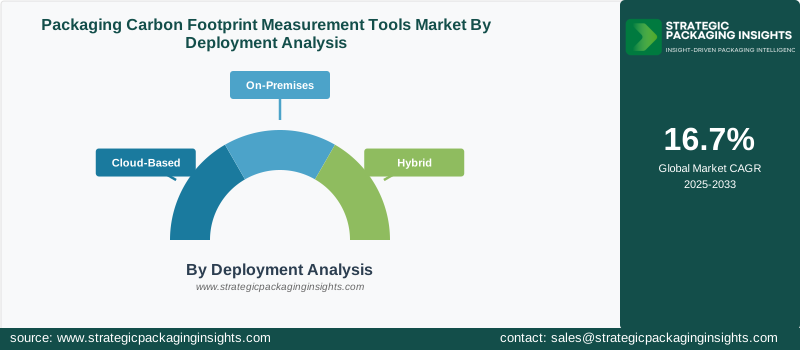
Cloud-Based solutions are particularly appealing to small and medium-sized enterprises (SMEs) that may lack the resources to invest in extensive on-premises infrastructure. These solutions offer a cost-effective way for SMEs to access advanced carbon footprint measurement tools and enhance their sustainability performance. Additionally, the integration of advanced technologies, such as artificial intelligence and machine learning, into cloud-based solutions is further driving their adoption. These technologies enable companies to gain deeper insights into their carbon emissions and implement effective strategies to reduce their environmental impact. As a result, the cloud-based deployment segment is expected to witness significant growth during the forecast period.
By Functionality Analysis
The functionality segment of the Packaging Carbon Footprint Measurement Tools market includes Carbon Footprint Assessment, Life Cycle Assessment (LCA), Packaging Emissions Analytics, Scope 3 Emissions Management, Sustainability Reporting, and Compliance Management. Life Cycle Assessment (LCA) is in high demand as companies seek comprehensive solutions to analyze the environmental impact of their packaging processes. LCA provides a holistic view of a product's environmental footprint, enabling companies to identify areas for improvement and implement effective sustainability strategies. This functionality is particularly valuable for companies in the food and beverage, healthcare, and consumer goods industries, where sustainability is a key consideration.
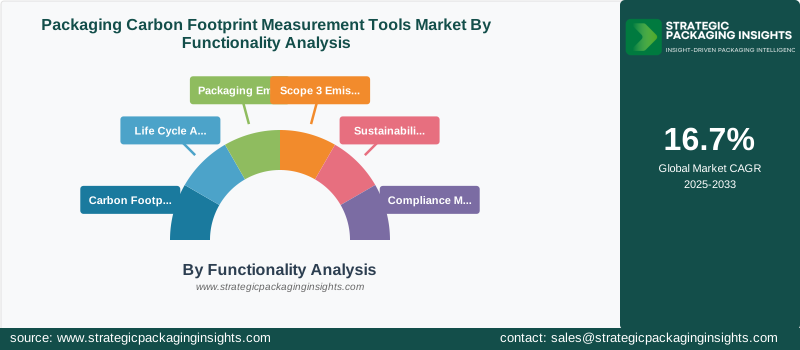
Carbon Footprint Assessment and Packaging Emissions Analytics are also gaining traction as companies prioritize transparency and accountability in their sustainability practices. These functionalities provide accurate and reliable data on carbon emissions, helping businesses make informed decisions about their packaging materials and processes. Scope 3 Emissions Management is becoming increasingly important as companies seek to address emissions across their entire value chain. This functionality enables businesses to track and manage emissions from indirect sources, such as transportation and supply chain operations. As a result, the functionality segment is expected to witness significant growth as companies continue to invest in comprehensive sustainability solutions.
By Packaging Material Analysis
The packaging material segment of the Packaging Carbon Footprint Measurement Tools market includes Plastic Packaging, Paper & Paperboard Packaging, Glass Packaging, Metal Packaging, and Flexible Packaging. Plastic Packaging remains a significant segment, but there is a growing shift towards eco-friendly materials as companies seek to reduce their environmental impact. Paper & Paperboard Packaging is gaining popularity due to its recyclability and biodegradability, making it an attractive option for companies looking to enhance their sustainability performance. Glass and Metal Packaging are also witnessing increased demand as businesses prioritize durability and recyclability in their packaging solutions.
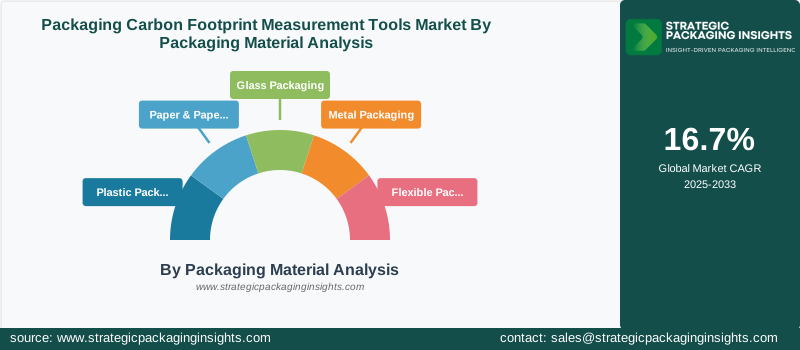
Flexible Packaging is emerging as a key segment due to its lightweight and resource-efficient properties. This type of packaging is particularly appealing to companies in the food and beverage and consumer goods industries, where sustainability and cost-effectiveness are critical considerations. The growing emphasis on reducing plastic waste and promoting circular economy practices is driving the demand for sustainable packaging materials. Companies are investing in carbon footprint measurement tools to assess the environmental impact of their packaging materials and make data-driven decisions that align with their sustainability goals. As a result, the packaging material segment is expected to witness significant growth during the forecast period.
By End User Analysis
The end-user segment of the Packaging Carbon Footprint Measurement Tools market includes Food & Beverage, Personal Care & Cosmetics, Healthcare & Pharmaceuticals, Consumer Goods, Industrial Packaging, and Retail & E-commerce. The Food & Beverage and Healthcare industries are major end-users, driving demand for carbon footprint measurement tools. These industries are under increasing pressure to reduce their environmental impact and comply with stringent regulatory requirements. Carbon footprint measurement tools provide valuable insights into the emissions associated with packaging processes, enabling companies to implement effective sustainability strategies.
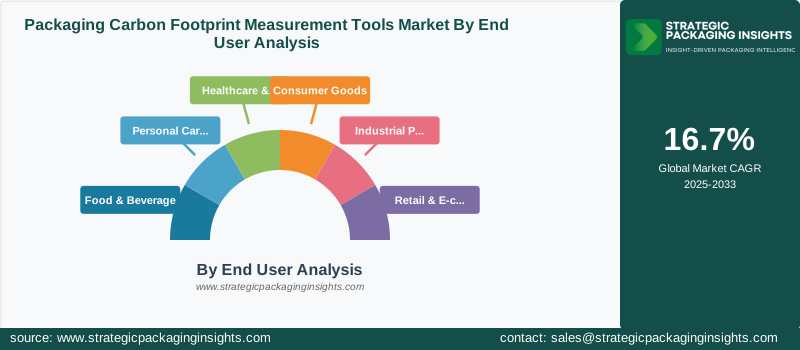
Personal Care & Cosmetics and Consumer Goods industries are also significant end-users, as companies in these sectors prioritize sustainability to enhance their brand reputation and meet consumer expectations. The Retail & E-commerce industry is witnessing growing demand for carbon footprint measurement tools as companies seek to optimize their packaging processes and reduce emissions associated with logistics and distribution. Industrial Packaging is another key segment, where companies are investing in tools to assess the environmental impact of their packaging materials and processes. As a result, the end-user segment is expected to witness significant growth as companies across various industries continue to prioritize sustainability.
Packaging Carbon Footprint Measurement Tools Market Segments
The Packaging Carbon Footprint Measurement Tools market has been segmented on the basis ofBy Deployment
- Cloud-Based
- On-Premises
- Hybrid
By Functionality
- Carbon Footprint Assessment
- Life Cycle Assessment (LCA)
- Packaging Emissions Analytics
- Scope 3 Emissions Management
- Sustainability Reporting
- Compliance Management
By Packaging Material
- Plastic Packaging
- Paper & Paperboard Packaging
- Glass Packaging
- Metal Packaging
- Flexible Packaging
By End User
- Food & Beverage
- Personal Care & Cosmetics
- Healthcare & Pharmaceuticals
- Consumer Goods
- Industrial Packaging
- Retail & E-commerce
Region
- Asia Pacific
- North America
- Latin America
- Europe
- Middle East & Africa




