


Nestable Drums Market Outlook
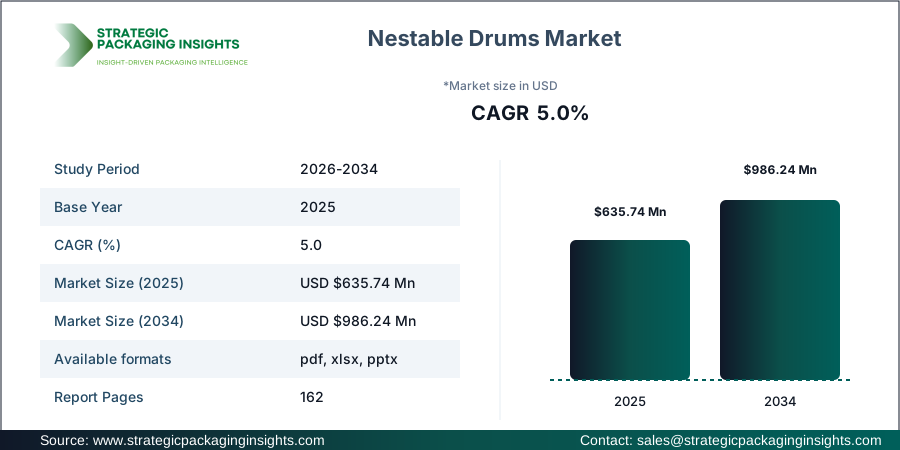
The Nestable Drums market size was valued at USD 635.74 million in 2025 and is anticipated to reach USD 986.24 million by 2034, growing at a CAGR of 5.0% during the forecast period according to Strategic Packaging Insights. Nestable drums, known for their space-saving design and efficiency in storage and transportation, are gaining traction across various industries. Companies like Mauser Packaging Solutions and Greif are leading the charge in innovation, focusing on enhancing the durability and versatility of these drums. The increasing demand for efficient packaging solutions in sectors such as chemicals and pharmaceuticals is a significant driver for this market. As industries continue to expand globally, the need for reliable and cost-effective packaging solutions like nestable drums is expected to rise, further propelling market growth.
One of the most impactful drivers of the Nestable Drums market is the growing emphasis on sustainability and eco-friendly packaging solutions. Governments and organizations worldwide are increasingly focusing on reducing plastic waste and promoting the use of recyclable materials. This trend is supported by initiatives such as the European Union's directive on single-use plastics, which encourages the use of sustainable packaging alternatives. Companies like Berry Global and Schutz are investing in research and development to create nestable drums made from recycled materials, aligning with these global sustainability goals. This shift towards environmentally friendly packaging is expected to drive innovation and growth in the nestable drums market, as businesses seek to meet regulatory requirements and consumer preferences for sustainable products.
Report Scope
| Attributes | Details |
| Report Title | Nestable Drums Market Size, Future Growth and Forecast 2034 |
| Material Type | HDPE, PP, Steel, Fiberboard |
| Capacity | Below 30 Liters, 30–100 Liters, Above 100 Liters |
| Application | Chemicals, Food Ingredients, Pharmaceuticals, Industrial Liquids |
| End Use | Chemicals, Food & Beverage, Healthcare, Industrial |
| Region | Asia Pacific, North America, Latin America, Europe, Middle East & Africa |
| Base Year | 2025 |
| Historic Period | 2018-2024 |
| Forecast Period | 2026-2034 |
| Number of Pages | 162 |
| Customization Available | Yes* |
Sustainability & Circular Economy Analysis
Sustainability initiatives are reshaping the packaging industry, with a strong focus on reducing environmental impact through innovative practices. In the nestable drums market, companies are increasingly adopting recyclable materials and reusable packaging solutions to align with circular economy principles. This shift is driven by consumer demand for eco-friendly products and stringent packaging regulations aimed at minimizing waste. As a result, manufacturers are investing in lightweight packaging designs and eco-friendly material innovations to enhance the sustainability of their products. These efforts not only reduce the carbon footprint of packaging but also improve the overall competitiveness of companies in the market.
The influence of sustainability trends extends to packaging design and manufacturing processes, where companies are prioritizing waste reduction strategies and extended producer responsibility (EPR) initiatives. By incorporating these practices, businesses can achieve greater regulatory compliance and enhance their brand reputation among environmentally conscious consumers. Additionally, the adoption of ESG (Environmental, Social, and Governance) initiatives is becoming a key factor in investment decisions, as investors increasingly prioritize companies with strong sustainability credentials. This trend is expected to drive further innovation and investment in the nestable drums market, as companies seek to differentiate themselves through sustainable practices.
Long-term market competitiveness in the nestable drums industry is closely tied to the ability of companies to adapt to evolving sustainability trends. As packaging regulations become more stringent and consumer preferences shift towards sustainable products, businesses must continuously innovate to meet these demands. This includes exploring new materials and technologies that reduce environmental impact while maintaining product quality and performance. By embracing sustainability and circular economy principles, companies can enhance their supply chain strategies, improve operational efficiency, and secure a competitive edge in the market.
Packaging Value Chain & Supply Chain Analysis
The packaging value chain for nestable drums involves a complex ecosystem of raw material sourcing, manufacturing, and distribution. Raw materials such as HDPE, PP, and steel are sourced from global suppliers, with manufacturers like Mauser Packaging Solutions and Greif playing a pivotal role in converting these materials into finished products. Packaging converters and machinery providers are essential in ensuring efficient production processes, while logistics and distribution channels facilitate the movement of products to end-users. The integration of recycling networks into the supply chain is becoming increasingly important, as companies strive to enhance sustainability and reduce waste.
Supply chain efficiency is a critical factor influencing the overall performance of the nestable drums market. Companies must navigate challenges related to raw material availability, transportation logistics, and production capabilities to maintain competitiveness. Strategic partnerships with suppliers and logistics providers can help mitigate these challenges, ensuring a steady supply of materials and timely delivery of products. Additionally, localization strategies are gaining traction, as businesses seek to reduce dependency on global sourcing and enhance supply chain resilience. By optimizing procurement strategies and inventory management, companies can improve operational efficiency and reduce costs.
In the nestable drums market, the role of brand owners and retailers is crucial in driving demand and shaping market trends. These stakeholders influence packaging design and innovation, as they seek to meet consumer preferences and regulatory requirements. Collaboration between manufacturers, brand owners, and retailers is essential in developing packaging solutions that align with market needs and sustainability goals. By fostering strong relationships across the value chain, companies can enhance their market position and capitalize on growth opportunities. As the industry continues to evolve, the ability to adapt to changing market dynamics and leverage supply chain efficiencies will be key to long-term success.
Opportunities & Threats
The nestable drums market presents several opportunities for growth, driven by increasing demand from various industries such as chemicals, pharmaceuticals, and food and beverage. As these sectors expand globally, the need for efficient and cost-effective packaging solutions is expected to rise. Companies can capitalize on this trend by developing innovative products that meet the specific needs of these industries, such as enhanced durability, chemical resistance, and ease of handling. Additionally, the growing emphasis on sustainability presents an opportunity for manufacturers to differentiate themselves by offering eco-friendly packaging solutions that align with consumer preferences and regulatory requirements.
Another significant opportunity in the nestable drums market lies in the adoption of advanced technologies and materials. Innovations such as smart packaging, which incorporates sensors and tracking capabilities, can enhance the functionality and value of nestable drums. By investing in research and development, companies can create products that offer added benefits to customers, such as improved supply chain visibility and enhanced product protection. Furthermore, the use of recycled materials and lightweight designs can help manufacturers reduce costs and improve sustainability, providing a competitive advantage in the market.
Despite the opportunities, the nestable drums market faces several threats that could impact growth. One of the primary challenges is the volatility of raw material prices, which can affect production costs and profit margins. Additionally, stringent packaging regulations and environmental standards pose a threat to companies that fail to comply with these requirements. To mitigate these risks, businesses must invest in sustainable practices and develop strategies to manage raw material costs effectively. By addressing these challenges, companies can position themselves for long-term success in the nestable drums market.
Drivers & Challenges
The nestable drums market is driven by several key factors, including the increasing demand for efficient and space-saving packaging solutions. As industries such as chemicals, pharmaceuticals, and food and beverage continue to grow, the need for reliable and cost-effective packaging options is becoming more pronounced. Nestable drums offer significant advantages in terms of storage and transportation efficiency, making them an attractive choice for businesses looking to optimize their supply chains. Additionally, the growing emphasis on sustainability and eco-friendly packaging solutions is driving innovation in the market, as companies seek to meet regulatory requirements and consumer preferences.
Another important driver of the nestable drums market is the rise of e-commerce and global trade. As businesses expand their operations and reach new markets, the demand for durable and versatile packaging solutions is increasing. Nestable drums provide a practical solution for transporting goods across long distances, offering protection and ease of handling. Furthermore, advancements in material technology and manufacturing processes are enabling companies to produce high-quality nestable drums that meet the specific needs of different industries. By leveraging these drivers, businesses can capitalize on growth opportunities and enhance their market position.
Despite the positive drivers, the nestable drums market faces several challenges that could impact growth. One of the primary challenges is the volatility of raw material prices, which can affect production costs and profit margins. Additionally, stringent packaging regulations and environmental standards pose a threat to companies that fail to comply with these requirements. To mitigate these risks, businesses must invest in sustainable practices and develop strategies to manage raw material costs effectively. By addressing these challenges, companies can position themselves for long-term success in the nestable drums market.
Market Share Analysis
The competitive landscape of the nestable drums market is characterized by the presence of several key players, each striving to enhance their market position through innovation and strategic partnerships. Companies like Mauser Packaging Solutions and Greif are leading the market with their extensive product portfolios and strong global presence. These companies are investing in research and development to create innovative packaging solutions that meet the evolving needs of their customers. Additionally, they are focusing on expanding their production capabilities and distribution networks to enhance their market reach.
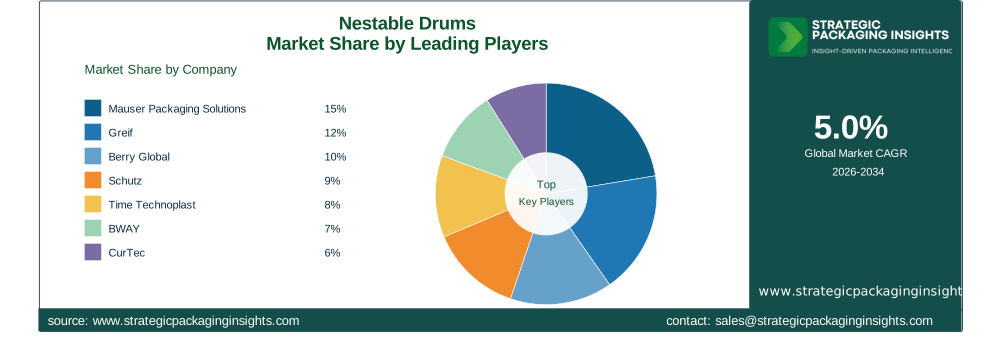
Berry Global and Schutz are also prominent players in the nestable drums market, known for their commitment to sustainability and eco-friendly packaging solutions. These companies are leveraging their expertise in material science and manufacturing processes to develop products that align with global sustainability goals. By adopting advanced technologies and sustainable practices, they are able to differentiate themselves in the market and attract environmentally conscious customers. Furthermore, their strong focus on customer service and quality assurance has helped them build a loyal customer base.
Time Technoplast and BWAY are other significant players in the market, known for their innovative product offerings and strong distribution networks. These companies are continuously exploring new materials and technologies to enhance the performance and functionality of their nestable drums. By collaborating with industry partners and investing in research and development, they are able to stay ahead of market trends and meet the diverse needs of their customers. Additionally, their strategic partnerships with suppliers and logistics providers enable them to optimize their supply chains and improve operational efficiency.
CurTec, Snyder Industries, Balmer Lawrie, and IPL Plastics are also key players in the nestable drums market, each with their unique strengths and capabilities. These companies are focusing on expanding their product portfolios and enhancing their production capabilities to meet the growing demand for nestable drums. By leveraging their expertise in packaging design and manufacturing, they are able to offer high-quality products that meet the specific needs of different industries. Furthermore, their strong focus on sustainability and innovation positions them well for future growth in the market.
Key Highlights
- Market Size: The nestable drums market was valued at USD 635.74 million in 2025 and is projected to reach USD 986.24 million by 2034.
- Growth Rate: The market is expected to grow at a CAGR of 5.0% during the forecast period.
- Leading Companies: Key players include Mauser Packaging Solutions, Greif, Berry Global, and Schutz.
- Material Type: HDPE and PP are the most commonly used materials in nestable drums.
- Application Segments: Chemicals and pharmaceuticals are the largest application segments.
- Regional Growth: Asia Pacific is expected to witness the highest growth rate during the forecast period.
- Sustainability Focus: Increasing emphasis on eco-friendly packaging solutions is driving market innovation.
Nestable Drums Market Segments Insights

Material Type Analysis
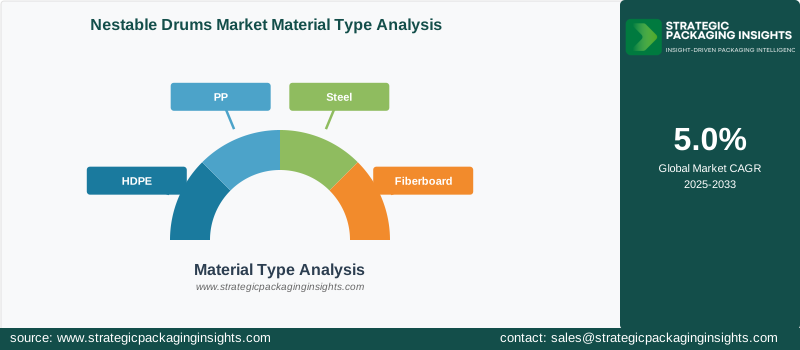
The material type segment of the nestable drums market is dominated by HDPE and PP, which are favored for their durability and chemical resistance. HDPE, known for its high strength-to-density ratio, is widely used in the production of nestable drums due to its ability to withstand harsh environmental conditions. PP, on the other hand, offers excellent resistance to chemicals and is lightweight, making it an ideal choice for industries such as pharmaceuticals and food ingredients. Steel and fiberboard are also used, albeit to a lesser extent, primarily in applications requiring additional strength and rigidity.
As sustainability becomes a key focus in the packaging industry, manufacturers are exploring the use of recycled materials and bio-based polymers in the production of nestable drums. This shift towards eco-friendly materials is driven by regulatory requirements and consumer demand for sustainable packaging solutions. Companies like Berry Global and Schutz are at the forefront of this trend, investing in research and development to create innovative products that meet these evolving needs. By adopting sustainable materials, manufacturers can enhance their market competitiveness and appeal to environmentally conscious customers.
Capacity Analysis
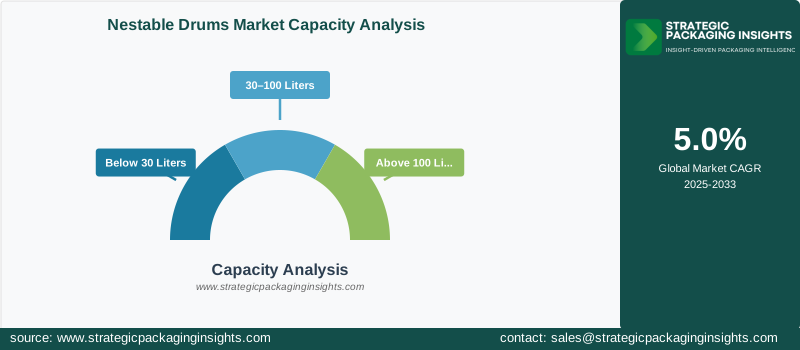
The capacity segment of the nestable drums market is categorized into below 30 liters, 30-100 liters, and above 100 liters. Drums with a capacity of 30-100 liters are the most popular, as they offer a balance between storage efficiency and ease of handling. These drums are widely used in industries such as chemicals and food ingredients, where moderate quantities of products need to be stored and transported. Drums with a capacity of below 30 liters are typically used for smaller quantities of high-value products, while those above 100 liters are used in industrial applications requiring bulk storage.
The demand for different capacity drums is influenced by factors such as industry requirements, product characteristics, and transportation logistics. As industries continue to expand globally, the need for versatile and efficient packaging solutions is expected to drive demand for nestable drums across all capacity segments. Manufacturers are focusing on developing innovative designs that optimize storage space and reduce transportation costs, thereby enhancing the overall value proposition of their products. By offering a wide range of capacity options, companies can cater to the diverse needs of their customers and capture a larger share of the market.
Application Analysis
The application segment of the nestable drums market is dominated by chemicals and pharmaceuticals, which account for the largest share of demand. These industries require packaging solutions that offer excellent chemical resistance and protection against contamination, making nestable drums an ideal choice. The food ingredients segment is also a significant contributor to market growth, driven by the need for hygienic and durable packaging solutions. Industrial liquids, including lubricants and cleaning agents, represent another important application segment, where the durability and versatility of nestable drums are highly valued.
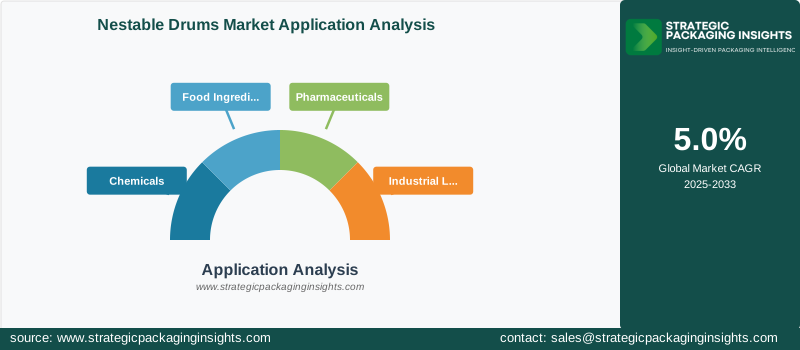
As the demand for efficient and reliable packaging solutions continues to grow, manufacturers are focusing on developing products that meet the specific needs of different application segments. This includes enhancing the chemical resistance and durability of nestable drums, as well as incorporating features such as tamper-evident seals and easy-to-use closures. By addressing the unique requirements of each application segment, companies can differentiate themselves in the market and capture a larger share of demand. Additionally, the growing emphasis on sustainability is driving innovation in the application segment, as businesses seek to offer eco-friendly packaging solutions that align with consumer preferences and regulatory requirements.
End Use Analysis
The end-use segment of the nestable drums market is characterized by the dominance of the chemicals and food & beverage industries, which account for the largest share of demand. These industries require packaging solutions that offer excellent protection against contamination and environmental factors, making nestable drums an ideal choice. The healthcare industry is also a significant contributor to market growth, driven by the need for hygienic and durable packaging solutions for pharmaceuticals and medical supplies. The industrial sector, including manufacturing and construction, represents another important end-use segment, where the durability and versatility of nestable drums are highly valued.
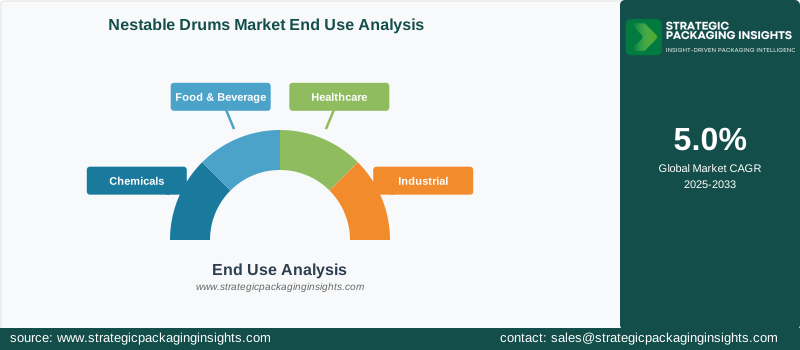
As the demand for efficient and reliable packaging solutions continues to grow, manufacturers are focusing on developing products that meet the specific needs of different end-use segments. This includes enhancing the chemical resistance and durability of nestable drums, as well as incorporating features such as tamper-evident seals and easy-to-use closures. By addressing the unique requirements of each end-use segment, companies can differentiate themselves in the market and capture a larger share of demand. Additionally, the growing emphasis on sustainability is driving innovation in the end-use segment, as businesses seek to offer eco-friendly packaging solutions that align with consumer preferences and regulatory requirements.
Nestable Drums Market Segments
The Nestable Drums market has been segmented on the basis ofMaterial Type
- HDPE
- PP
- Steel
- Fiberboard
Capacity
- Below 30 Liters
- 30–100 Liters
- Above 100 Liters
Application
- Chemicals
- Food Ingredients
- Pharmaceuticals
- Industrial Liquids
End Use
- Chemicals
- Food & Beverage
- Healthcare
- Industrial
Region
- Asia Pacific
- North America
- Latin America
- Europe
- Middle East & Africa




