


Needlecraft Patterns Market Outlook
The Needlecraft Patterns market size was valued at USD 35.84 billion in 2025 and is anticipated to reach USD 50.57 billion by 2034, growing at a CAGR of 3.9% during the forecast period according to Strategic Packaging Insights. The market is witnessing a surge in demand driven by the increasing popularity of DIY crafts and the growing interest in personalized home décor. Companies like DMC and Simplicity Creative Group are capitalizing on this trend by offering a wide range of patterns that cater to both beginners and experienced crafters. The rise of digital platforms has further fueled market growth, enabling easier access to a variety of patterns and tutorials.
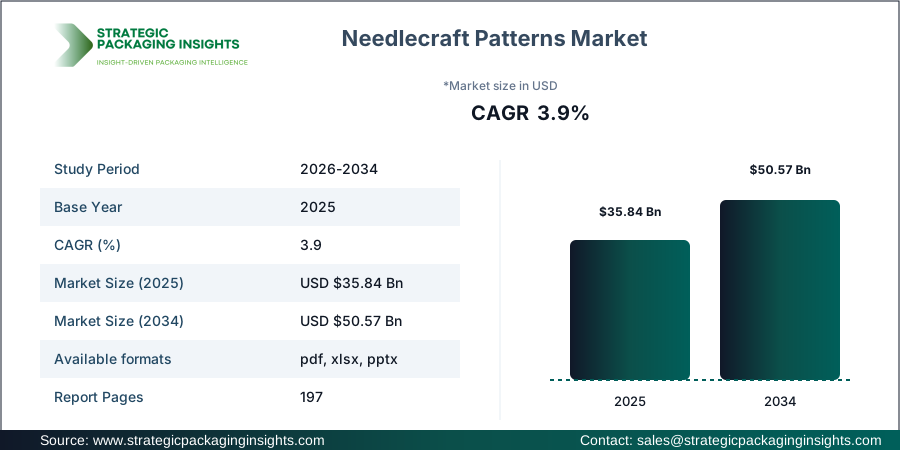
One of the most impactful drivers of the Needlecraft Patterns market is the increasing consumer inclination towards sustainable and handmade products. According to recent reports, there is a significant shift in consumer preferences towards eco-friendly and sustainable crafting materials, which is encouraging companies like Lion Brand Yarn and Coats Group to innovate in their product offerings. This trend is supported by the growing awareness of environmental issues and the desire for unique, handcrafted items that reflect personal style and creativity. As a result, the market is poised for steady growth, with companies investing in sustainable practices and materials to meet consumer demand.
Report Scope
| Attributes | Details |
| Report Title | Needlecraft Patterns Market Size, Future Growth and Forecast 2034 |
| Product Type | Embroidery Patterns, Knitting Patterns, Crochet Patterns, Quilting Patterns |
| Format | Printed Patterns, Digital Patterns, Kits |
| Distribution Channel | Online, Craft Stores, Specialty Retailers |
| End Use | Hobbyists, Designers, Craft Brands, Education |
| Region | Asia Pacific, North America, Latin America, Europe, Middle East & Africa |
| Base Year | 2025 |
| Historic Period | 2018-2024 |
| Forecast Period | 2026-2034 |
| Number of Pages | 197 |
| Customization Available | Yes* |
Sustainability & Circular Economy Analysis
Sustainability initiatives are increasingly shaping the Needlecraft Patterns market, as consumers and companies alike prioritize eco-friendly practices. The use of recyclable materials and the development of reusable packaging are becoming standard practices among leading brands. Companies like DMC and Anchor Crafts are investing in lightweight packaging solutions that reduce waste and minimize environmental impact. These efforts align with broader industry trends towards carbon footprint reduction and adherence to ESG initiatives, which are becoming critical factors in consumer purchasing decisions.
The influence of sustainability trends extends to packaging design and manufacturing processes, where eco-friendly material innovation is a key focus. Companies are exploring new materials that offer both durability and environmental benefits, such as biodegradable fibers and recycled content. This shift is not only driven by consumer demand but also by regulatory compliance requirements that emphasize waste reduction and extended producer responsibility (EPR). As a result, companies are re-evaluating their supply chain strategies to incorporate sustainable practices, which in turn enhances their long-term market competitiveness.
Investment decisions within the Needlecraft Patterns market are increasingly influenced by sustainability considerations. Companies are allocating resources towards research and development of eco-friendly products and processes, recognizing the potential for long-term cost savings and brand differentiation. This focus on sustainability is also impacting supply chain strategies, with an emphasis on localization and strategic partnerships that support sustainable sourcing and production. As the market continues to evolve, sustainability will remain a key driver of innovation and growth, offering opportunities for companies to differentiate themselves and capture market share.
Packaging Value Chain & Supply Chain Analysis
The packaging value chain in the Needlecraft Patterns market is a complex ecosystem that involves multiple stakeholders, from raw material suppliers to end consumers. Raw material sourcing is a critical component, with companies like Coats Group and KnitPro focusing on sustainable and high-quality materials to ensure product excellence. Packaging converters and manufacturers play a vital role in transforming these materials into finished products, with an emphasis on efficiency and innovation to meet consumer expectations.
Supply chain efficiency is paramount in the Needlecraft Patterns market, as it directly impacts production capabilities and market performance. Companies are investing in advanced packaging machinery and logistics solutions to streamline operations and reduce lead times. Strategic partnerships with logistics providers and distribution channels are essential for ensuring timely delivery and maintaining inventory levels. This focus on supply chain resilience is crucial for navigating market fluctuations and maintaining competitiveness in a dynamic industry landscape.
Global sourcing and localization strategies are increasingly important in the Needlecraft Patterns market, as companies seek to balance cost efficiency with sustainability goals. By optimizing procurement strategies and leveraging local resources, companies can enhance supply chain resilience and reduce their environmental impact. Recycling networks and waste reduction initiatives are also integral to the value chain, as companies strive to minimize waste and promote circular economy practices. These efforts not only support regulatory compliance but also enhance brand reputation and consumer trust.
Opportunities & Threats
The Needlecraft Patterns market presents numerous opportunities for growth, driven by the increasing popularity of DIY crafts and the rise of digital platforms. The shift towards online distribution channels offers significant potential for market expansion, as consumers seek convenient access to a wide range of patterns and tutorials. Companies like Herrschners and Leisure Arts are capitalizing on this trend by enhancing their online presence and offering digital patterns that cater to tech-savvy consumers. Additionally, the growing interest in personalized and handmade products presents opportunities for companies to differentiate themselves through unique and innovative offerings.
Another opportunity lies in the expanding consumer base, as needlecrafts gain popularity among younger generations and diverse demographics. Educational institutions and craft brands are increasingly incorporating needlecrafts into their curricula and product lines, creating new avenues for market growth. Companies can leverage this trend by developing targeted marketing strategies and collaborating with educational partners to reach new audiences. The emphasis on sustainability and eco-friendly practices also presents opportunities for companies to innovate and capture market share by offering sustainable products that align with consumer values.
Despite the promising opportunities, the Needlecraft Patterns market faces certain threats that could impact growth. One significant challenge is the increasing competition from alternative hobbies and leisure activities, which may divert consumer attention and spending. Additionally, fluctuations in raw material prices and supply chain disruptions pose risks to market stability and profitability. Companies must navigate these challenges by diversifying their product offerings and strengthening their supply chain resilience to mitigate potential impacts.
Drivers & Challenges
The Needlecraft Patterns market is driven by several key factors, including the growing consumer interest in DIY crafts and personalized home décor. The rise of social media platforms has played a significant role in promoting needlecrafts, as consumers share their creations and inspire others to explore this creative hobby. Companies like Dimensions and Design Works Crafts are leveraging these platforms to engage with consumers and showcase their products, driving market growth and brand awareness.
Technological advancements are also a major driver of the Needlecraft Patterns market, as digital platforms and tools enhance accessibility and convenience for consumers. The availability of digital patterns and online tutorials has democratized the craft, allowing individuals of all skill levels to participate and learn at their own pace. This trend is supported by the increasing adoption of e-commerce, which provides a seamless shopping experience and expands market reach. Companies are investing in digital solutions to enhance their product offerings and engage with a broader audience.
However, the market also faces challenges that could hinder growth, such as the need for continuous innovation and adaptation to changing consumer preferences. Companies must stay ahead of trends and anticipate shifts in demand to remain competitive. Additionally, the market is subject to regulatory pressures related to sustainability and environmental impact, which require companies to invest in eco-friendly practices and materials. Navigating these challenges requires strategic planning and investment in research and development to ensure long-term success.
Market Share Analysis
The Needlecraft Patterns market is characterized by a competitive landscape with several key players vying for market share. Companies like DMC and Simplicity Creative Group are leading the market with their extensive product portfolios and strong brand recognition. These companies have established themselves as industry leaders by offering a wide range of patterns and kits that cater to various consumer preferences and skill levels. Their focus on innovation and quality has enabled them to maintain a competitive edge in the market.
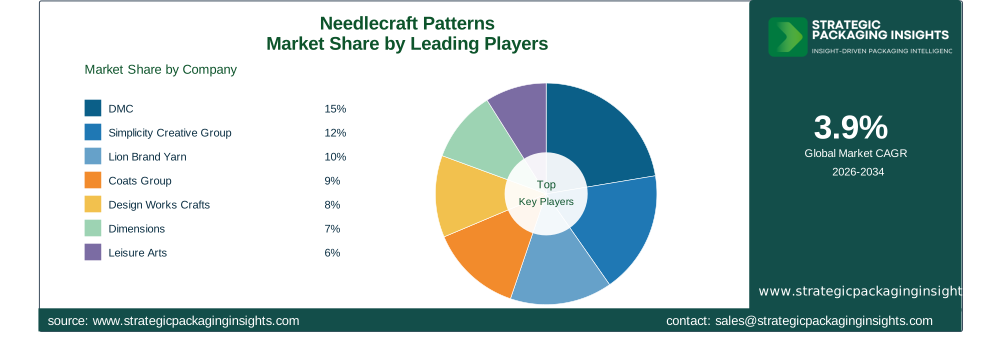
Lion Brand Yarn and Coats Group are also prominent players in the Needlecraft Patterns market, known for their high-quality yarns and comprehensive pattern collections. These companies have built strong reputations for their commitment to sustainability and eco-friendly practices, which resonate with environmentally conscious consumers. Their strategic partnerships and collaborations with designers and craft brands have further strengthened their market position and expanded their reach.
Design Works Crafts and Dimensions are recognized for their creative and diverse product offerings, which appeal to a broad range of consumers. These companies have successfully tapped into the growing demand for personalized and unique needlecraft projects, offering innovative designs and kits that inspire creativity. Their focus on customer engagement and community building has contributed to their success in the market, as they continue to attract new customers and retain loyal followers.
Other notable companies in the market include Leisure Arts, Herrschners, KnitPro, and Anchor Crafts, each with their own unique strengths and market strategies. Leisure Arts is known for its comprehensive range of instructional books and patterns, while Herrschners offers a wide selection of craft supplies and kits. KnitPro is recognized for its high-quality knitting needles and accessories, and Anchor Crafts is renowned for its premium embroidery threads and patterns. These companies continue to innovate and adapt to changing market trends, ensuring their continued relevance and competitiveness.
Key Highlights
- Market Size: The Needlecraft Patterns market was valued at USD 35.84 billion in 2025 and is projected to reach USD 50.57 billion by 2034.
- Growth Rate: The market is expected to grow at a CAGR of 3.9% during the forecast period.
- Product Segments: Embroidery Patterns, Knitting Patterns, Crochet Patterns, and Quilting Patterns are key product segments driving market growth.
- Format Innovation: The rise of digital patterns and kits is transforming the market landscape.
- Distribution Channels: Online platforms and specialty retailers are key distribution channels for market expansion.
- End-User Diversity: The market caters to hobbyists, designers, craft brands, and educational institutions.
- Regional Insights: Asia Pacific and North America are leading regions in terms of market growth and innovation.
Needlecraft Patterns Market Segments Insights

Product Type Analysis
The Needlecraft Patterns market is segmented by product type into Embroidery Patterns, Knitting Patterns, Crochet Patterns, and Quilting Patterns. Embroidery Patterns hold a significant share of the market, driven by the growing popularity of intricate and personalized designs. Companies like DMC and Anchor Crafts are leading this segment with their extensive range of embroidery threads and patterns that cater to both beginners and experienced crafters. The demand for Knitting Patterns is also on the rise, fueled by the increasing interest in handmade garments and accessories. Lion Brand Yarn and KnitPro are key players in this segment, offering high-quality yarns and innovative knitting tools that enhance the crafting experience.
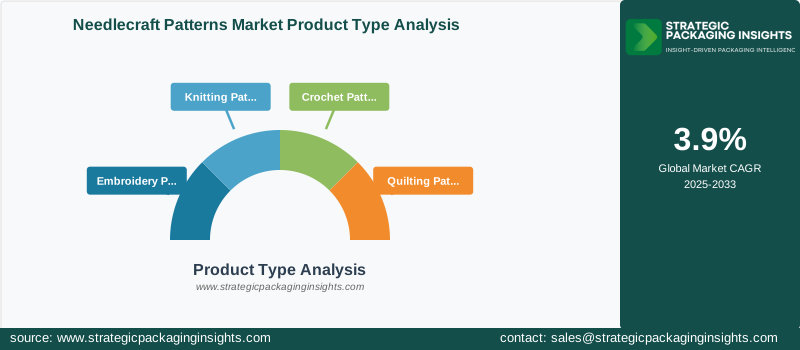
Crochet Patterns are gaining traction as consumers seek unique and creative projects that allow for self-expression. Companies like Coats Group and Leisure Arts are capitalizing on this trend by offering a diverse range of crochet patterns and kits that appeal to a wide audience. Quilting Patterns, while a smaller segment, continue to attract dedicated hobbyists and craft brands. The emphasis on sustainability and eco-friendly materials is influencing product development across all segments, with companies investing in sustainable fibers and packaging solutions to meet consumer demand.
Format Analysis
The Needlecraft Patterns market is also segmented by format into Printed Patterns, Digital Patterns, and Kits. Printed Patterns remain a popular choice among traditional crafters who appreciate the tactile experience of working with physical materials. Companies like Simplicity Creative Group and Dimensions offer a wide range of printed patterns that cater to various skill levels and project types. However, the rise of Digital Patterns is transforming the market, offering consumers the convenience of instant access and the ability to customize designs. This trend is supported by the increasing adoption of digital platforms and e-commerce, which provide a seamless shopping experience and expand market reach.
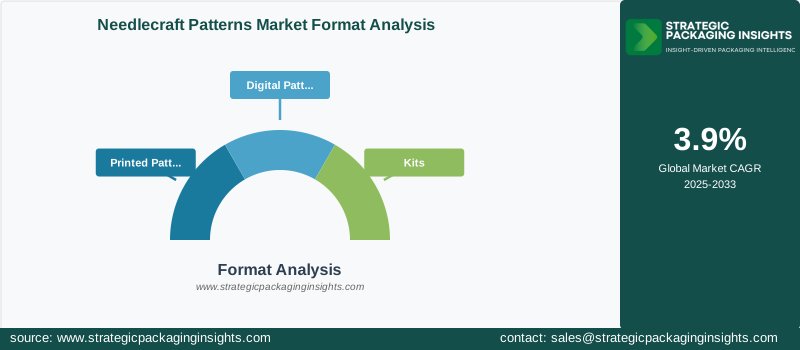
Kits are another important format segment, offering consumers a comprehensive package that includes all necessary materials and instructions for a specific project. Companies like Design Works Crafts and Herrschners are leading this segment with their innovative and diverse kit offerings that cater to both beginners and experienced crafters. The emphasis on convenience and ease of use is driving demand for kits, as consumers seek hassle-free crafting experiences that deliver professional results. As the market continues to evolve, companies are exploring new formats and delivery methods to enhance consumer engagement and satisfaction.
Distribution Channel Analysis
The Needlecraft Patterns market is segmented by distribution channel into Online, Craft Stores, and Specialty Retailers. Online platforms are emerging as a dominant distribution channel, driven by the increasing adoption of e-commerce and digital platforms. Companies like Herrschners and Leisure Arts are enhancing their online presence to reach a broader audience and offer a seamless shopping experience. The convenience of online shopping, coupled with the availability of a wide range of patterns and tutorials, is attracting tech-savvy consumers and driving market growth.
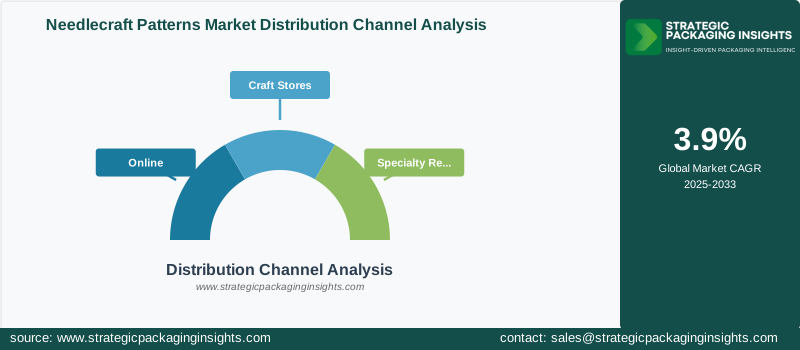
Craft Stores and Specialty Retailers remain important distribution channels, offering consumers the opportunity to explore and purchase products in a physical setting. These channels provide a tactile experience that appeals to traditional crafters and hobbyists who value the ability to see and feel materials before making a purchase. Companies are investing in strategic partnerships with retailers to enhance their market presence and reach new customers. As the market continues to evolve, the integration of online and offline channels will be key to capturing market share and meeting diverse consumer needs.
End Use Analysis
The Needlecraft Patterns market is segmented by end use into Hobbyists, Designers, Craft Brands, and Education. Hobbyists represent a significant portion of the market, driven by the growing interest in DIY crafts and personalized projects. Companies like DMC and Simplicity Creative Group are catering to this segment with a wide range of patterns and kits that inspire creativity and self-expression. Designers and Craft Brands are also important end users, seeking unique and innovative patterns that set their products apart in a competitive market.
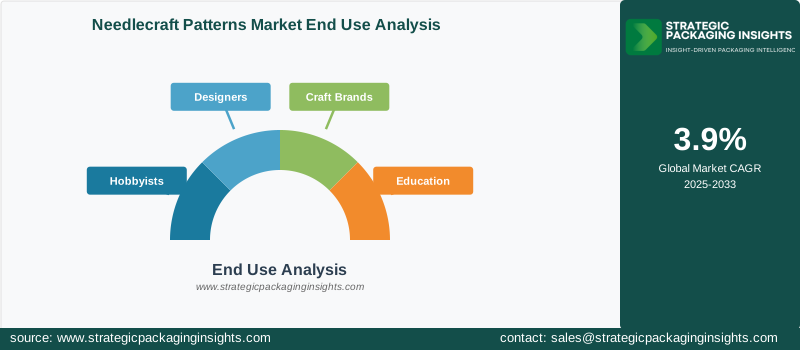
Educational institutions are increasingly incorporating needlecrafts into their curricula, recognizing the value of these skills in fostering creativity and problem-solving abilities. Companies are collaborating with educational partners to develop targeted programs and resources that support learning and skill development. The emphasis on sustainability and eco-friendly practices is influencing product development across all end-use segments, with companies investing in sustainable materials and packaging solutions to meet consumer demand. As the market continues to evolve, companies are exploring new opportunities to engage with diverse end users and capture market share.
Needlecraft Patterns Market Segments
The Needlecraft Patterns market has been segmented on the basis ofProduct Type
- Embroidery Patterns
- Knitting Patterns
- Crochet Patterns
- Quilting Patterns
Format
- Printed Patterns
- Digital Patterns
- Kits
Distribution Channel
- Online
- Craft Stores
- Specialty Retailers
End Use
- Hobbyists
- Designers
- Craft Brands
- Education
Region
- Asia Pacific
- North America
- Latin America
- Europe
- Middle East & Africa




