


Microwaveable Flexible Packaging Market Outlook
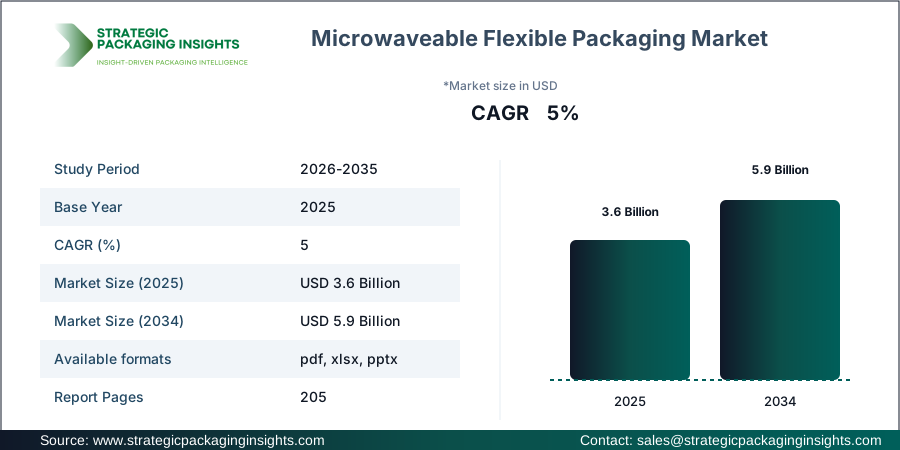
The Microwaveable Flexible Packaging market size was valued at USD $3.6 Billion in 2025 and is anticipated to reach USD $5.9 Billion by 2035, growing at a CAGR of 5.0% % during the forecast period according to Strategic Packaging Insights. The market is primarily driven by the increasing consumer preference for convenience foods and the growing demand for ready-to-eat meals. The rise in urbanization and changing lifestyles are further propelling the demand for microwaveable flexible packaging solutions, particularly in emerging economies.Report Scope
| Attributes | Details |
| Report Title | Microwaveable Flexible Packaging Market Projected to Scale to 5.9 Billion by 2035, Assesses Strategic Packaging Insights |
| By Packaging Format | Microwaveable Pouches, Microwaveable Bags, Microwaveable Trays with Flexible Lidding, Microwaveable Bowls with Flexible Lidding, Microwaveable Sleeves, Microwaveable Wraps, Microwaveable Sachets |
| By Material | Polyethylene (PE), Polypropylene (PP), Polyethylene Terephthalate (PET), Polyamide (PA), Ethylene Vinyl Alcohol (EVOH), Paper-Based Materials, Other Materials |
| By Packaging Structure | Single-Layer, Multi-Layer, Coextruded, Laminated |
| By Microwave Technology | Conventional Microwave, Susceptor-Based Microwave Packaging, Steam-Venting Microwave Packaging, Self-Venting Microwave Packaging |
| By Application | Ready-to-Eat Meals, Frozen Foods, Popcorn, Rice and Pasta, Vegetables, Soups and Sauces, Meat and Poultry, Seafood, Bakery Products, Snacks |
| By End Use Industry | Food and Beverage, Retail Food, Foodservice, Institutional Catering, Convenience Food, Other Industries |
| By Closure Type | Heat Seal, Zipper, Easy-Open Seal, Resealable Closure, Peelable Seal |
| By Barrier Type | Standard Barrier, Oxygen Barrier, Moisture Barrier, High Barrier |
| By Region | North America, Europe, Asia-Pacific, Latin America, Middle East and Africa |
| Base Year | 2025 |
| Historic Period | 2018-2024 |
| Forecast Period | 2026-2035 |
| Number of Pages | 205 |
| Customization Available | Yes* |
Market Trends Analysis
The microwaveable flexible packaging market is witnessing a shift towards sustainable materials, with manufacturers increasingly adopting recyclable and biodegradable substrates. This trend is driven by consumer demand for eco-friendly packaging and regulatory pressures to reduce plastic waste. Companies are investing in research and development to create innovative packaging solutions that meet these sustainability goals while maintaining functionality and performance. Additionally, the integration of smart packaging technologies, such as QR codes and NFC tags, is enhancing consumer engagement and providing valuable product information.
Another significant trend is the growing adoption of advanced barrier technologies to extend the shelf life of packaged foods. High-barrier films are being developed to protect contents from moisture, oxygen, and other environmental factors, ensuring product freshness and quality. This trend is particularly important for the frozen foods and ready-to-eat meals segments, where maintaining product integrity is crucial. The demand for high-barrier packaging is expected to drive innovation and competition among manufacturers, leading to the development of new materials and technologies.
Industry Transformation Analysis
The microwaveable flexible packaging industry is undergoing significant transformation, with advancements in manufacturing processes and materials science. The shift towards automation and digitalization is enhancing operational efficiency and reducing production costs. Manufacturers are adopting state-of-the-art equipment for film extrusion, printing, and lamination, enabling them to produce high-quality packaging solutions at scale. This transformation is also facilitating the customization of packaging designs to meet specific consumer preferences and brand requirements.
Furthermore, the industry is experiencing a consolidation trend, with larger players acquiring smaller companies to expand their product portfolios and geographic reach. This consolidation is driven by the need to achieve economies of scale and strengthen market position. As a result, the competitive landscape is becoming more concentrated, with a few key players dominating the market. This trend is expected to continue, with strategic mergers and acquisitions shaping the future of the microwaveable flexible packaging industry.
Trends & Disruptions Impacting Customers' Customers
Downstream customers, such as food and beverage manufacturers, are increasingly focusing on sustainability and convenience, driving demand for microwaveable flexible packaging. Consumers are seeking packaging solutions that are not only functional but also environmentally friendly. This shift in consumer preferences is prompting manufacturers to adopt recyclable and biodegradable materials, as well as innovative packaging designs that enhance convenience, such as easy-open seals and resealable closures. Additionally, the rise of e-commerce and online food delivery services is influencing packaging requirements, with a growing emphasis on durability and tamper-evidence.
These changes in downstream customer behavior are impacting product demand and innovation in the microwaveable flexible packaging market. Manufacturers are investing in research and development to create packaging solutions that meet evolving consumer needs, such as improved barrier properties and enhanced shelf life. The focus on sustainability is also driving the adoption of mono-material structures and the integration of post-consumer recycled (PCR) content. These trends are creating new market opportunities and influencing supplier requirements, as companies seek to differentiate themselves through innovative and sustainable packaging solutions.
Microwaveable Flexible Packaging Market Ecosystem
The microwaveable flexible packaging market ecosystem involves a complex interplay of raw material suppliers, film producers, converters, and end-users. Raw materials, such as polyethylene and polypropylene, are sourced from chemical manufacturers and processed into films through extrusion and coextrusion techniques. These films are then converted into various packaging formats, such as pouches and trays, through printing, laminating, and forming processes. The filled packaging is distributed through retail and foodservice channels, reaching consumers who demand convenience and quality.
Value creation in this ecosystem is driven by innovation in materials and technologies, enabling manufacturers to offer differentiated products that meet consumer needs. Supply-chain dependencies, such as the availability of high-quality raw materials and efficient logistics, play a crucial role in ensuring timely delivery and cost-effectiveness. As the market evolves, companies are focusing on enhancing operational efficiency and sustainability, with an emphasis on reducing waste and improving recyclability.
Analyst Perspective
Analyst Perspective: The microwaveable flexible packaging market is poised for significant growth, driven by consumer demand for convenience and sustainability. The shift towards eco-friendly materials and advanced barrier technologies is reshaping the industry landscape.
Companies are investing in research and development to create innovative packaging solutions that meet evolving consumer needs. The focus on sustainability is driving the adoption of recyclable and biodegradable materials, as well as the integration of smart packaging technologies.
Market participants should monitor regulatory developments and consumer trends to capitalize on growth opportunities. The emphasis on sustainability and convenience is expected to drive innovation and competition, with companies seeking to differentiate themselves through unique packaging solutions.
Opportunities & Threats
The microwaveable flexible packaging market presents significant opportunities for growth, driven by the increasing demand for convenience foods and ready-to-eat meals. The rise in urbanization and changing consumer lifestyles are fueling the demand for microwaveable packaging solutions that offer convenience and ease of use. Additionally, the growing focus on sustainability is creating opportunities for manufacturers to develop eco-friendly packaging materials and designs that meet consumer expectations and regulatory requirements.
Technological advancements in packaging materials and manufacturing processes are also creating opportunities for innovation and differentiation. The development of high-barrier films and smart packaging technologies is enabling manufacturers to offer products that enhance shelf life and provide valuable product information. These innovations are expected to drive market growth and create new opportunities for companies to expand their product portfolios and reach new customer segments.
However, the market also faces several threats, including raw material price volatility and regulatory challenges. The fluctuating prices of polymers and other raw materials can impact production costs and profitability for manufacturers. Additionally, stringent regulations related to food safety and packaging waste management can pose challenges for companies operating in the market. Compliance with these regulations requires significant investment in research and development, as well as changes in manufacturing processes and materials.
Competition from alternative packaging solutions, such as rigid containers and glass packaging, also poses a threat to the microwaveable flexible packaging market. These alternatives offer different benefits, such as durability and recyclability, which can appeal to certain consumer segments. To remain competitive, manufacturers must focus on innovation and differentiation, offering unique packaging solutions that meet consumer needs and preferences.
Drivers & Challenges
The microwaveable flexible packaging market is driven by several key factors, including the increasing demand for convenience foods and the growing popularity of ready-to-eat meals. Consumers are seeking packaging solutions that offer convenience, ease of use, and extended shelf life, driving demand for microwaveable flexible packaging. Additionally, the rise in urbanization and changing consumer lifestyles are contributing to the growth of the market, as more people seek convenient meal options that fit their busy schedules.
Another significant driver is the growing focus on sustainability and eco-friendly packaging solutions. Consumers are increasingly aware of the environmental impact of packaging waste and are demanding products that are recyclable and biodegradable. This trend is prompting manufacturers to invest in research and development to create innovative packaging materials and designs that meet these sustainability goals. The adoption of mono-material structures and the integration of post-consumer recycled (PCR) content are key strategies being employed by companies to address these consumer demands.
Despite these drivers, the market faces several challenges, including raw material price volatility and regulatory compliance. The fluctuating prices of polymers and other raw materials can impact production costs and profitability for manufacturers. Additionally, compliance with stringent regulations related to food safety and packaging waste management requires significant investment in research and development, as well as changes in manufacturing processes and materials. These challenges can pose barriers to entry for new players and impact the competitiveness of existing companies in the market.
Packaging Market Economics
The economics of microwaveable flexible packaging are influenced by several factors, including raw material costs, conversion costs, and energy expenses. The prices of polymers, such as polyethylene and polypropylene, play a significant role in determining the overall cost of packaging production. Fluctuations in raw material prices can impact the profitability of manufacturers, making cost management a critical aspect of the business.
Conversion costs, including printing, lamination, and forming, also contribute to the overall economics of microwaveable flexible packaging. Advances in manufacturing technologies and automation are helping to reduce these costs, enabling manufacturers to produce high-quality packaging solutions at competitive prices. Energy costs, particularly for film extrusion and lamination processes, are another important consideration, as they can impact the overall cost structure and profitability of packaging production.
Packaging Value Chain & Cost Analysis
The value chain for microwaveable flexible packaging involves several key stages, including resin synthesis, film extrusion, converting, and distribution. Resin synthesis involves the production of polymers and additives, which are then used in the extrusion process to create films for packaging. Film extrusion is a critical stage in the value chain, as it determines the quality and performance of the final packaging product.
Converting involves printing, laminating, and forming the films into various packaging formats, such as pouches and trays. This stage is crucial for adding value to the packaging by enhancing its functionality and aesthetic appeal. Distribution involves the logistics and supply chain management of the packaged goods, ensuring timely delivery to retailers and consumers. The efficiency of the value chain is influenced by factors such as capacity utilization, resin supply, and logistics management, which can impact the overall cost and competitiveness of the packaging solutions.
Unit Economics & Substrate Cost Analysis
The unit economics of microwaveable flexible packaging are determined by several factors, including raw material costs, energy expenses, and conversion costs. Raw material costs, particularly for polymers such as polyethylene and polypropylene, are a significant component of the overall cost structure. Fluctuations in raw material prices can impact the profitability of manufacturers, making cost management a critical aspect of the business.
Energy expenses, particularly for film extrusion and lamination processes, are another important consideration, as they can impact the overall cost structure and profitability of packaging production. Conversion costs, including printing, lamination, and forming, also contribute to the overall economics of microwaveable flexible packaging. Advances in manufacturing technologies and automation are helping to reduce these costs, enabling manufacturers to produce high-quality packaging solutions at competitive prices.
Packaging Regulatory & Sustainability Analysis
The regulatory landscape for microwaveable flexible packaging is shaped by several key factors, including food safety regulations, packaging waste management, and sustainability initiatives. Compliance with food safety regulations is critical for manufacturers, as it ensures the safety and quality of packaged foods. These regulations are enforced by government agencies such as the FDA and EFSA, which set standards for materials and processes used in packaging production.
Packaging waste management is another important regulatory consideration, as governments around the world are implementing measures to reduce plastic waste and promote recycling. Initiatives such as extended producer responsibility (EPR) and packaging taxes are being introduced to encourage manufacturers to adopt sustainable packaging solutions. These regulations are driving the adoption of recyclable and biodegradable materials, as well as the integration of post-consumer recycled (PCR) content in packaging designs.
Strategic Mergers, Acquisitions & Capacity Expansions
Recent strategic developments in the microwaveable flexible packaging market include mergers, acquisitions, and capacity expansions by key players. Companies are pursuing these strategies to expand their product portfolios, enhance their geographic reach, and strengthen their market position. For example, Amcor plc has been actively acquiring companies to expand its capabilities in flexible packaging, while Mondi Group has been investing in capacity expansions to meet growing demand.
These strategic developments are driven by the need to achieve economies of scale and enhance competitiveness in the market. By acquiring complementary businesses and expanding production capacities, companies can offer a wider range of products and services to their customers. These strategies are expected to shape the future of the microwaveable flexible packaging market, with companies seeking to differentiate themselves through innovation and sustainability.
Strategic Action Directives
Brand Packaging Engineers & Sustainability Directors: Focus on material selection and recyclability to meet consumer demand for eco-friendly packaging. Consider integrating PCR content and mono-material structures to enhance sustainability.
Converter Operations & Extrusion Leads: Optimize line speed and tooling to improve operational efficiency. Address PCR variability and capacity utilization to enhance production capabilities and reduce costs.
Procurement & Material Sourcing Managers: Diversify supplier base and secure resin contracts to mitigate raw material price volatility. Consider price indexing and PCR contracts to manage costs effectively.
Investors: Monitor capacity expansions and strategic mergers to identify growth opportunities. Evaluate market concentration and technology advancements to assess potential investment risks and rewards.
Market Share Analysis
The microwaveable flexible packaging market is characterized by a competitive landscape with several key players dominating the industry. Companies such as Amcor plc, Mondi Group, and Sealed Air Corporation hold significant market shares, driven by their extensive product portfolios and global presence. These companies are investing in research and development to create innovative packaging solutions that meet evolving consumer needs and regulatory requirements.
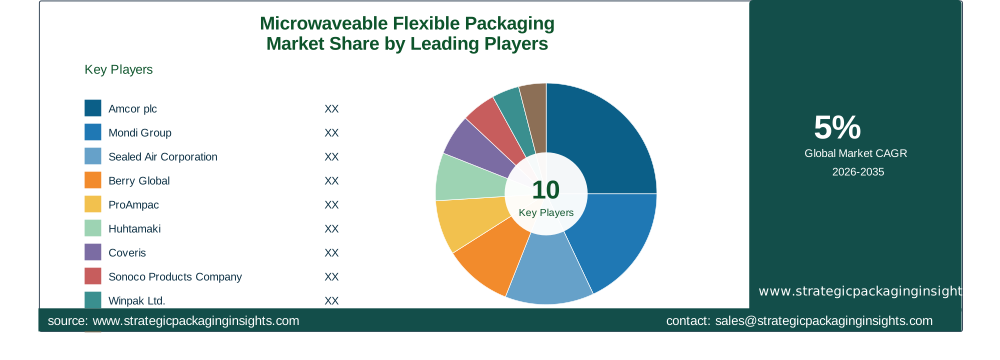
Amcor plc is a leading player in the market, offering a wide range of flexible packaging solutions for various applications. The company has a strong focus on sustainability, with initiatives aimed at reducing plastic waste and promoting recyclability. Mondi Group is another major player, known for its innovative packaging designs and commitment to sustainability. The company has been expanding its production capacities to meet growing demand and enhance its market position.
Sealed Air Corporation is a key competitor in the market, offering advanced packaging solutions that enhance product protection and shelf life. The company is focused on developing high-barrier films and smart packaging technologies to meet consumer demands for convenience and sustainability. Other notable players in the market include Berry Global, ProAmpac, and Huhtamaki, each with their own unique strengths and capabilities.
The competitive landscape is shaped by factors such as product innovation, sustainability initiatives, and strategic mergers and acquisitions. Companies are investing in research and development to create differentiated products that meet consumer needs and regulatory requirements. The focus on sustainability is driving the adoption of recyclable and biodegradable materials, as well as the integration of smart packaging technologies.
Key Highlights
- Largest Region: North America
- Fastest-Growing Region: Asia Pacific
- Largest Segment: Ready-to-Eat Meals
- Fastest-Growing Segment: Frozen Foods
- Base-year market size: USD 3.6 Billion
- Forecast-year market size: USD 5.9 Billion
- CAGR: 5.0%
- Important application: Ready-to-Eat Meals
- Major end-use industry: Food and Beverage
- Major market driver: Increasing demand for convenience foods
Regional Insights
The global microwaveable flexible packaging market is segmented into five major regions: North America, Europe, Asia Pacific, Latin America, and the Middle East & Africa. North America is the largest market, driven by the high demand for convenience foods and ready-to-eat meals. The region is characterized by a well-established food and beverage industry and a strong focus on sustainability and innovation.
North America
North America is the largest market for microwaveable flexible packaging, driven by the high demand for convenience foods and ready-to-eat meals. The region is characterized by a well-established food and beverage industry and a strong focus on sustainability and innovation. The presence of key players such as Amcor plc and Sealed Air Corporation further strengthens the market position in this region.
The demand for microwaveable flexible packaging in North America is driven by changing consumer lifestyles and preferences, with a growing emphasis on convenience and sustainability. The region is also witnessing increased adoption of advanced packaging technologies, such as smart packaging and high-barrier films, to enhance product protection and shelf life.
Europe
Europe is a significant market for microwaveable flexible packaging, characterized by a strong focus on sustainability and regulatory compliance. The region is home to several key players, including Mondi Group and Constantia Flexibles, which are investing in research and development to create innovative packaging solutions that meet consumer demands and regulatory requirements.
The demand for microwaveable flexible packaging in Europe is driven by the increasing popularity of convenience foods and ready-to-eat meals. The region is also witnessing a shift towards eco-friendly packaging materials and designs, with a growing emphasis on recyclability and biodegradability. This trend is expected to drive market growth and create new opportunities for manufacturers.
Asia Pacific
Asia Pacific is the fastest-growing region for microwaveable flexible packaging, driven by rapid urbanization and changing consumer lifestyles. The region is characterized by a growing demand for convenience foods and ready-to-eat meals, as well as a strong focus on sustainability and innovation. The presence of key players such as Berry Global and Huhtamaki further strengthens the market position in this region.
The demand for microwaveable flexible packaging in Asia Pacific is driven by the increasing popularity of convenience foods and ready-to-eat meals. The region is also witnessing a shift towards eco-friendly packaging materials and designs, with a growing emphasis on recyclability and biodegradability. This trend is expected to drive market growth and create new opportunities for manufacturers.
Latin America
Latin America is a growing market for microwaveable flexible packaging, driven by the increasing demand for convenience foods and ready-to-eat meals. The region is characterized by a growing food and beverage industry and a strong focus on sustainability and innovation. The presence of key players such as ProAmpac and Winpak Ltd. further strengthens the market position in this region.
The demand for microwaveable flexible packaging in Latin America is driven by changing consumer lifestyles and preferences, with a growing emphasis on convenience and sustainability. The region is also witnessing increased adoption of advanced packaging technologies, such as smart packaging and high-barrier films, to enhance product protection and shelf life.
Middle East & Africa
The Middle East & Africa is a developing market for microwaveable flexible packaging, characterized by a growing demand for convenience foods and ready-to-eat meals. The region is witnessing increased investment in the food and beverage industry, as well as a strong focus on sustainability and innovation. The presence of key players such as Pactiv Evergreen and Graphic Packaging International further strengthens the market position in this region.
The demand for microwaveable flexible packaging in the Middle East & Africa is driven by changing consumer lifestyles and preferences, with a growing emphasis on convenience and sustainability. The region is also witnessing increased adoption of advanced packaging technologies, such as smart packaging and high-barrier films, to enhance product protection and shelf life.
Microwaveable Flexible Packaging Market Segments Insights

By Packaging Format Analysis
The microwaveable flexible packaging market is segmented by packaging format, including microwaveable pouches, bags, trays with flexible lidding, bowls with flexible lidding, sleeves, wraps, and sachets. Microwaveable pouches are the most popular format, driven by their convenience and versatility. These pouches are widely used for ready-to-eat meals and frozen foods, offering excellent barrier properties and ease of use.
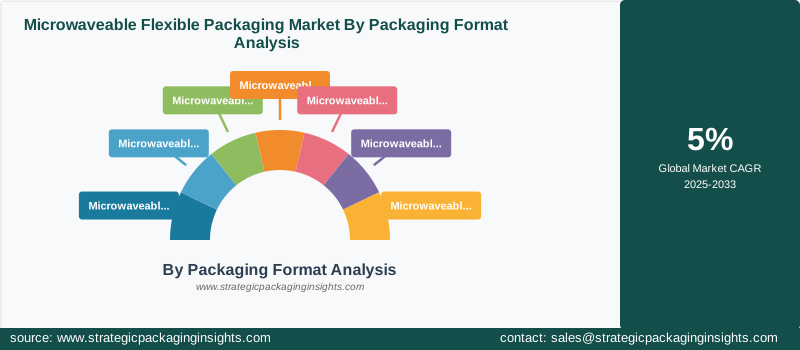
Microwaveable bags and trays with flexible lidding are also gaining popularity, particularly in the frozen foods and ready-to-eat meals segments. These formats offer enhanced product protection and shelf life, making them ideal for preserving the quality and freshness of packaged foods. The demand for microwaveable trays and bowls is driven by the growing popularity of single-serve meals and portion-controlled packaging.
By Material Analysis
The microwaveable flexible packaging market is segmented by material, including polyethylene (PE), polypropylene (PP), polyethylene terephthalate (PET), polyamide (PA), ethylene vinyl alcohol (EVOH), paper-based materials, and other materials. Polyethylene is the most widely used material, offering excellent barrier properties and flexibility. It is commonly used in the production of microwaveable pouches and bags.
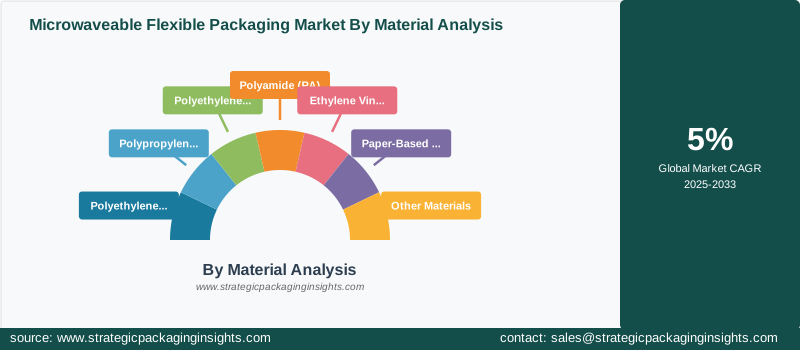
Polypropylene and polyethylene terephthalate are also popular materials, known for their durability and heat resistance. These materials are used in the production of microwaveable trays and bowls, offering enhanced product protection and shelf life. The demand for paper-based materials is driven by the growing focus on sustainability and eco-friendly packaging solutions.
By Packaging Structure Analysis
The microwaveable flexible packaging market is segmented by packaging structure, including single-layer, multi-layer, coextruded, and laminated structures. Multi-layer structures are the most popular, offering enhanced barrier properties and product protection. These structures are commonly used in the production of microwaveable pouches and bags, providing excellent moisture and oxygen barriers.
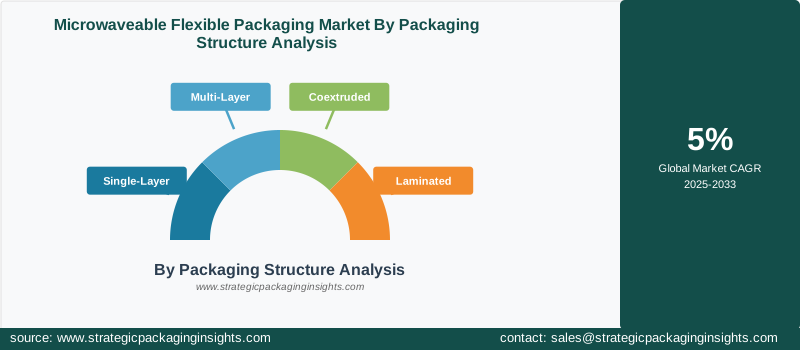
Coextruded and laminated structures are also gaining popularity, particularly in the frozen foods and ready-to-eat meals segments. These structures offer enhanced product protection and shelf life, making them ideal for preserving the quality and freshness of packaged foods. The demand for single-layer structures is driven by the growing focus on sustainability and cost-effectiveness.
By Microwave Technology Analysis
The microwaveable flexible packaging market is segmented by microwave technology, including conventional microwave, susceptor-based microwave packaging, steam-venting microwave packaging, and self-venting microwave packaging. Conventional microwave packaging is the most widely used technology, offering convenience and ease of use. It is commonly used in the production of microwaveable pouches and bags.
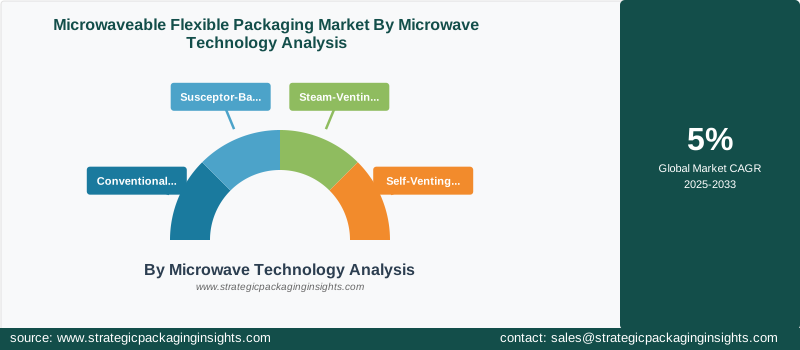
Susceptor-based microwave packaging is gaining popularity, particularly in the popcorn and snack segments. This technology enhances the cooking process by providing even heat distribution and improved product quality. Steam-venting and self-venting microwave packaging are also gaining traction, offering enhanced product protection and shelf life.
By Application Analysis
The microwaveable flexible packaging market is segmented by application, including ready-to-eat meals, frozen foods, popcorn, rice and pasta, vegetables, soups and sauces, meat and poultry, seafood, bakery products, and snacks. Ready-to-eat meals and frozen foods are the largest application segments, driven by the increasing demand for convenience foods and the growing popularity of single-serve meals.
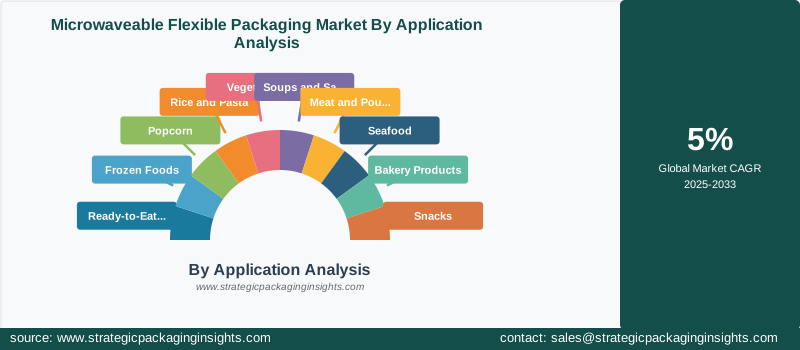
The demand for microwaveable flexible packaging in the popcorn and snack segments is driven by the growing popularity of on-the-go snacking and the increasing focus on portion-controlled packaging. The demand for microwaveable packaging in the rice and pasta, vegetables, and soups and sauces segments is driven by the growing popularity of healthy and nutritious meal options.
By End Use Industry Analysis
The microwaveable flexible packaging market is segmented by end-use industry, including food and beverage, retail food, foodservice, institutional catering, convenience food, and other industries. The food and beverage industry is the largest end-use industry, driven by the increasing demand for convenience foods and ready-to-eat meals.
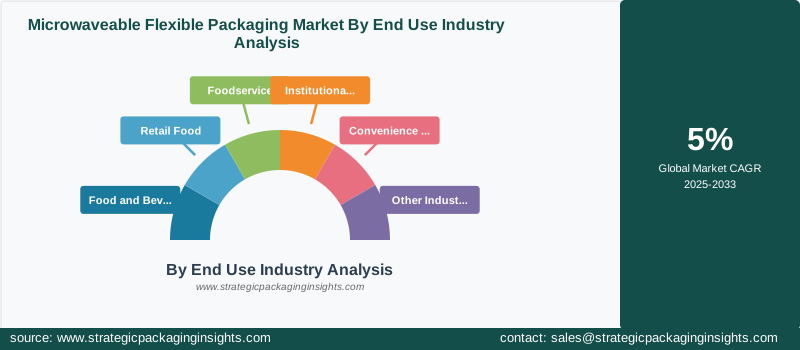
The demand for microwaveable flexible packaging in the retail food and foodservice segments is driven by the growing popularity of single-serve meals and portion-controlled packaging. The demand for microwaveable packaging in the institutional catering and convenience food segments is driven by the increasing focus on sustainability and eco-friendly packaging solutions.
By Closure Type Analysis
The microwaveable flexible packaging market is segmented by closure type, including heat seal, zipper, easy-open seal, resealable closure, and peelable seal. Heat seal is the most widely used closure type, offering excellent product protection and shelf life. It is commonly used in the production of microwaveable pouches and bags.
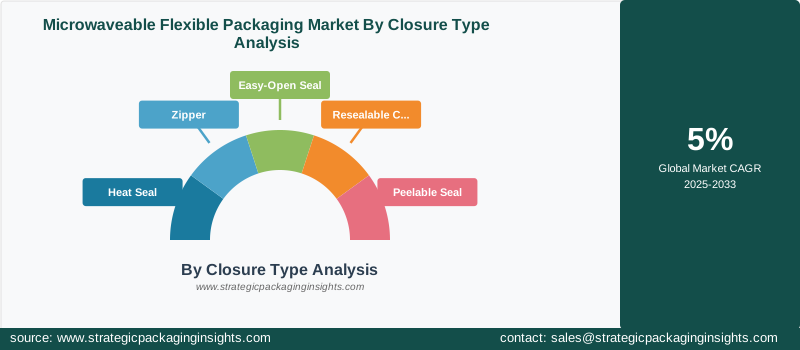
Zipper and easy-open seal closures are gaining popularity, particularly in the ready-to-eat meals and frozen foods segments. These closures offer enhanced convenience and ease of use, making them ideal for on-the-go snacking and portion-controlled packaging. The demand for resealable and peelable seal closures is driven by the growing focus on sustainability and cost-effectiveness.
By Barrier Type Analysis
The microwaveable flexible packaging market is segmented by barrier type, including standard barrier, oxygen barrier, moisture barrier, and high barrier. High barrier packaging is the most popular, offering enhanced product protection and shelf life. It is commonly used in the production of microwaveable pouches and bags, providing excellent moisture and oxygen barriers.
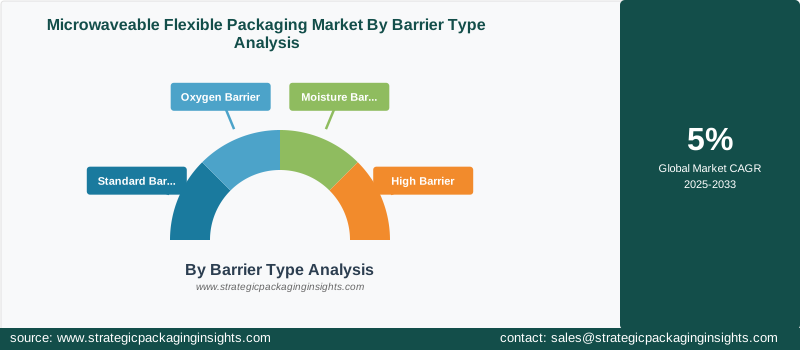
Oxygen and moisture barrier packaging are also gaining popularity, particularly in the frozen foods and ready-to-eat meals segments. These barriers offer enhanced product protection and shelf life, making them ideal for preserving the quality and freshness of packaged foods. The demand for standard barrier packaging is driven by the growing focus on sustainability and cost-effectiveness.
Microwaveable Flexible Packaging Market Segments
The Microwaveable Flexible Packaging market has been segmented on the basis ofBy Packaging Format
- Microwaveable Pouches
- Microwaveable Bags
- Microwaveable Trays with Flexible Lidding
- Microwaveable Bowls with Flexible Lidding
- Microwaveable Sleeves
- Microwaveable Wraps
- Microwaveable Sachets
By Material
- Polyethylene (PE)
- Polypropylene (PP)
- Polyethylene Terephthalate (PET)
- Polyamide (PA)
- Ethylene Vinyl Alcohol (EVOH)
- Paper-Based Materials
- Other Materials
By Packaging Structure
- Single-Layer
- Multi-Layer
- Coextruded
- Laminated
By Microwave Technology
- Conventional Microwave
- Susceptor-Based Microwave Packaging
- Steam-Venting Microwave Packaging
- Self-Venting Microwave Packaging
By Application
- Ready-to-Eat Meals
- Frozen Foods
- Popcorn
- Rice and Pasta
- Vegetables
- Soups and Sauces
- Meat and Poultry
- Seafood
- Bakery Products
- Snacks
By End Use Industry
- Food and Beverage
- Retail Food
- Foodservice
- Institutional Catering
- Convenience Food
- Other Industries
By Closure Type
- Heat Seal
- Zipper
- Easy-Open Seal
- Resealable Closure
- Peelable Seal
By Barrier Type
- Standard Barrier
- Oxygen Barrier
- Moisture Barrier
- High Barrier
By Region
- North America
- Europe
- Asia-Pacific
- Latin America
- Middle East and Africa




