


Metallized Film Market Outlook
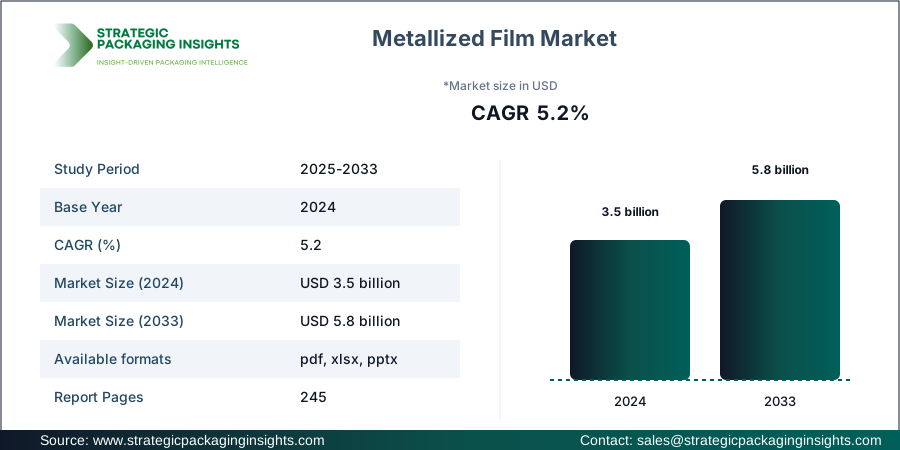
The metallized film market was valued at $3.5 billion in 2024 and is projected to reach $5.8 billion by 2033, growing at a CAGR of 5.2% during the forecast period 2025-2033. Metallized films, known for their reflective properties and barrier capabilities, are increasingly being adopted across various industries such as packaging, electronics, and insulation. The demand for these films is primarily driven by the packaging sector, which seeks enhanced shelf life and aesthetic appeal for products. The growing trend towards sustainable and recyclable packaging solutions is also propelling the market forward, as metallized films offer a viable alternative to traditional packaging materials. Additionally, advancements in metallization technology are enabling the production of films with superior performance characteristics, further boosting their adoption.
However, the market faces certain challenges that could restrain its growth. The high cost of raw materials and the complex manufacturing processes involved in producing metallized films can act as significant barriers. Moreover, stringent environmental regulations regarding the disposal and recycling of metallized films pose a challenge to market players. Despite these challenges, the market holds substantial growth potential, driven by the increasing demand for lightweight and cost-effective packaging solutions. The ongoing research and development activities aimed at improving the recyclability and performance of metallized films are expected to create new opportunities for market growth in the coming years.
Report Scope
| Attributes | Details |
| Report Title | Metallized Film Market Size, Future Growth and Forecast 2033 |
| Material | Polypropylene, Polyethylene Terephthalate, Others |
| Application | Packaging, Decorative, Insulation, Electronics, Others |
| End-User | Food & Beverage, Personal Care, Pharmaceuticals, Electronics, Others |
| Region | Asia Pacific, North America, Latin America, Europe, Middle East & Africa |
| Base Year | 2024 |
| Historic Period | 2017-2023 |
| Forecast Period | 2025-2033 |
| Number of Pages | 245 |
| Customization Available | Yes* |
Opportunities & Threats
The metallized film market presents numerous opportunities, particularly in the realm of sustainable packaging. As consumers and regulatory bodies push for eco-friendly solutions, metallized films offer a promising alternative due to their lightweight nature and potential for recyclability. Companies investing in the development of biodegradable metallized films stand to gain a competitive edge, as these products align with the growing demand for sustainable packaging. Additionally, the expansion of e-commerce and the subsequent rise in demand for protective packaging solutions provide a fertile ground for the growth of metallized films. The ability of these films to enhance product shelf life and maintain quality during transit makes them an attractive choice for online retailers.
Another significant opportunity lies in the electronics industry, where metallized films are used for insulation and as a component in flexible electronics. The increasing adoption of smart devices and the trend towards miniaturization in electronics are driving the demand for high-performance materials like metallized films. Companies that can innovate and offer films with enhanced electrical and thermal properties are likely to capture a larger share of this burgeoning market. Furthermore, the decorative applications of metallized films in the automotive and interior design sectors present additional avenues for growth, as consumers seek aesthetically pleasing and functional materials.
Despite these opportunities, the metallized film market is not without its threats. The volatility in raw material prices, particularly for polymers and metals, can significantly impact production costs and profit margins. Additionally, the market faces competition from alternative materials such as aluminum foil and other barrier films, which may offer similar benefits at a lower cost. The regulatory landscape also poses a threat, as stringent environmental regulations regarding the use and disposal of metallized films could limit their adoption. Companies must navigate these challenges by investing in sustainable practices and developing innovative solutions to remain competitive.
Drivers & Challenges
One of the primary drivers of the metallized film market is the increasing demand for high-barrier packaging solutions. As consumers become more health-conscious and seek products with longer shelf lives, manufacturers are turning to metallized films for their superior barrier properties against moisture, oxygen, and light. This demand is particularly strong in the food and beverage industry, where maintaining product freshness and quality is paramount. Additionally, the aesthetic appeal of metallized films, which can enhance the visual appeal of packaging, is driving their adoption in the personal care and cosmetics sectors.
Technological advancements in metallization processes are also driving market growth. Innovations such as vacuum metallization and sputtering techniques have enabled the production of films with improved performance characteristics, such as enhanced adhesion and durability. These advancements are expanding the application scope of metallized films beyond traditional packaging, into areas such as electronics and insulation. The growing trend towards miniaturization in electronics is further fueling demand for metallized films, as they offer the necessary electrical and thermal properties required for modern electronic devices.
However, the market faces several challenges that could hinder its growth. The high cost of raw materials, particularly polymers and metals, can significantly impact production costs and profit margins. Additionally, the complex manufacturing processes involved in producing metallized films require significant capital investment and technical expertise, which can be a barrier for new entrants. The market also faces competition from alternative materials such as aluminum foil and other barrier films, which may offer similar benefits at a lower cost. Companies must navigate these challenges by investing in sustainable practices and developing innovative solutions to remain competitive.
Market Share Analysis
The metallized film market is characterized by a competitive landscape with several key players vying for market share. The market is dominated by a few large companies, but there is also a significant presence of small and medium-sized enterprises that contribute to the market's dynamism. The competitive landscape is shaped by factors such as product innovation, technological advancements, and strategic partnerships. Companies are increasingly focusing on expanding their product portfolios and enhancing their production capabilities to gain a competitive edge. The market is also witnessing a trend towards consolidation, with mergers and acquisitions being a common strategy among players seeking to strengthen their market position.
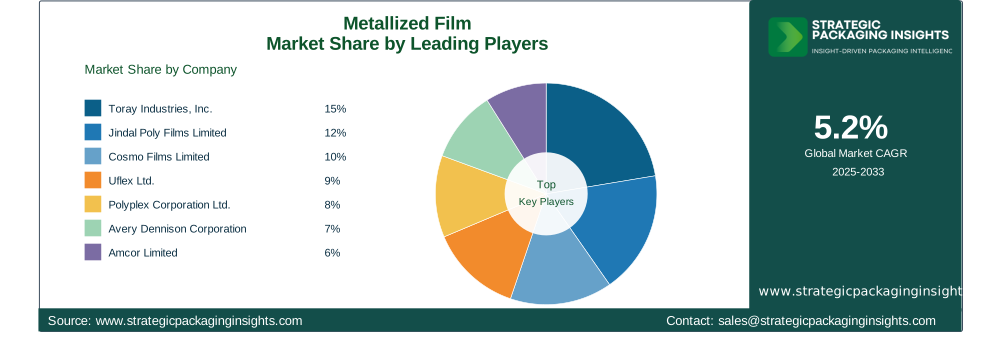
Among the major players in the metallized film market, Toray Industries, Inc. holds a significant share due to its extensive product portfolio and strong global presence. The company is known for its innovative metallized film solutions that cater to various industries, including packaging, electronics, and automotive. Another key player, Jindal Poly Films Limited, has established itself as a leader in the market through its focus on sustainability and technological advancements. The company's commitment to developing eco-friendly metallized films has positioned it as a preferred choice among environmentally conscious consumers.
Cosmo Films Limited is another prominent player in the metallized film market, known for its high-quality products and strong distribution network. The company's focus on research and development has enabled it to offer a wide range of metallized films with enhanced performance characteristics. Similarly, Uflex Ltd. has carved a niche for itself in the market by offering customized metallized film solutions that cater to the specific needs of its clients. The company's emphasis on innovation and customer satisfaction has helped it maintain a strong market presence.
Other notable players in the metallized film market include Polyplex Corporation Ltd., Avery Dennison Corporation, and Amcor Limited. These companies have established themselves as key players through their focus on product innovation and strategic partnerships. The competitive landscape is further enriched by the presence of regional players who cater to specific markets and offer localized solutions. Overall, the metallized film market is characterized by intense competition, with companies striving to differentiate themselves through innovation and customer-centric strategies.
Key Highlights
- The metallized film market is projected to grow at a CAGR of 5.2% from 2025 to 2033.
- Packaging remains the largest application segment, driven by demand for high-barrier solutions.
- Technological advancements in metallization processes are expanding application scope.
- Asia Pacific is the fastest-growing region, with significant demand from the electronics sector.
- Environmental regulations pose a challenge, driving innovation in sustainable solutions.
- Major players are focusing on product innovation and strategic partnerships.
- The market is witnessing a trend towards consolidation through mergers and acquisitions.
- Decorative applications in automotive and interior design present growth opportunities.
- Raw material price volatility remains a significant challenge for market players.
- Companies are investing in R&D to develop biodegradable metallized films.
Top Countries Insights
In the metallized film market, the United States holds a significant share, with a market size of approximately $1.2 billion and a CAGR of 4%. The country's demand is driven by the packaging and electronics industries, with a strong focus on sustainable solutions. The presence of major players and advanced manufacturing capabilities further bolster the market. However, stringent environmental regulations pose a challenge, prompting companies to innovate and develop eco-friendly products.
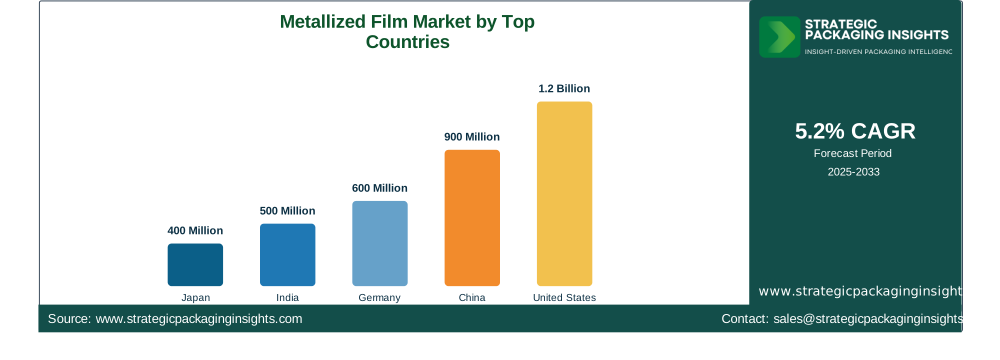
China is the fastest-growing market for metallized films, with a CAGR of 7% and a market size of $900 million. The country's rapid industrialization and expanding electronics sector are key growth drivers. Additionally, the government's focus on sustainable development and the increasing demand for high-barrier packaging solutions contribute to market growth. However, competition from local manufacturers and regulatory challenges remain significant hurdles.
Germany, with a market size of $600 million and a CAGR of 5%, is a key player in the European metallized film market. The country's strong automotive and packaging industries drive demand for metallized films, particularly for decorative and high-barrier applications. The emphasis on sustainability and innovation in manufacturing processes further supports market growth. However, the market faces challenges from stringent environmental regulations and competition from alternative materials.
India, with a market size of $500 million and a CAGR of 6%, is emerging as a significant player in the metallized film market. The country's growing packaging and electronics industries, coupled with increasing consumer awareness of sustainable solutions, drive demand. Government initiatives promoting manufacturing and innovation further support market growth. However, the market faces challenges from raw material price volatility and competition from local manufacturers.
Japan, with a market size of $400 million and a CAGR of 3%, is a mature market for metallized films. The country's advanced electronics industry and focus on high-quality packaging solutions drive demand. The emphasis on innovation and sustainability in manufacturing processes further supports market growth. However, the market faces challenges from an aging population and competition from alternative materials.
Metallized Film Market Segments Insights

Material Analysis
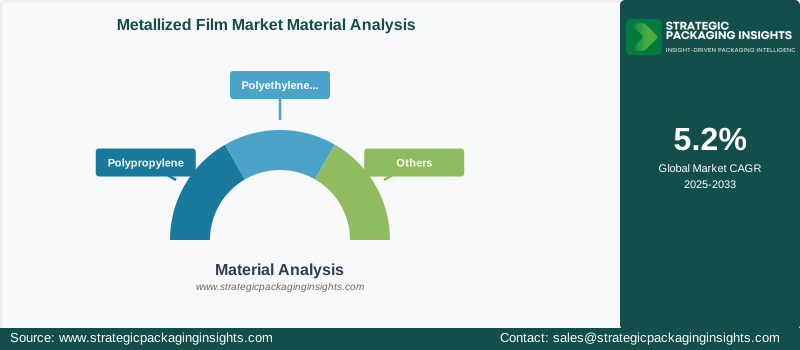
The metallized film market is segmented by material into polypropylene, polyethylene terephthalate (PET), and others. Polypropylene is the most widely used material due to its excellent barrier properties and cost-effectiveness. The demand for polypropylene metallized films is driven by the packaging industry, where they are used to enhance product shelf life and maintain quality. The growing trend towards sustainable packaging solutions is also boosting the demand for polypropylene films, as they are lightweight and recyclable. Polyethylene terephthalate (PET) is another popular material, known for its superior strength and clarity. PET metallized films are widely used in the food and beverage industry, where they provide excellent barrier properties and enhance the visual appeal of packaging. The demand for PET films is also driven by the electronics industry, where they are used for insulation and as a component in flexible electronics.
Application Analysis
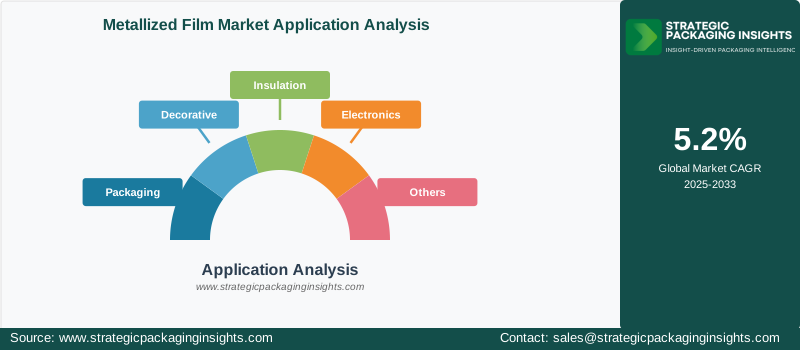
The metallized film market is segmented by application into packaging, decorative, insulation, electronics, and others. Packaging is the largest application segment, driven by the demand for high-barrier solutions that enhance product shelf life and maintain quality. The growing trend towards sustainable packaging solutions is also boosting the demand for metallized films, as they offer a viable alternative to traditional materials. Decorative applications are another significant segment, where metallized films are used to enhance the aesthetic appeal of products in the automotive and interior design industries. The demand for decorative films is driven by consumer preferences for visually appealing and functional materials. Insulation is another key application segment, where metallized films are used for their excellent thermal and electrical properties. The demand for insulation films is driven by the electronics industry, where they are used in the production of smart devices and flexible electronics.
End-User Analysis
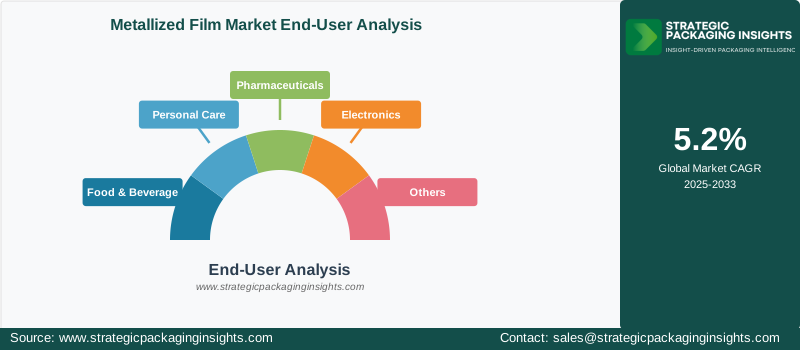
The metallized film market is segmented by end-user into food & beverage, personal care, pharmaceuticals, electronics, and others. The food & beverage industry is the largest end-user segment, driven by the demand for high-barrier packaging solutions that enhance product shelf life and maintain quality. The growing trend towards sustainable packaging solutions is also boosting the demand for metallized films in this industry. The personal care industry is another significant end-user segment, where metallized films are used to enhance the visual appeal of packaging and protect products from external factors. The demand for metallized films in the personal care industry is driven by consumer preferences for aesthetically pleasing and functional packaging. The electronics industry is another key end-user segment, where metallized films are used for insulation and as a component in flexible electronics. The demand for metallized films in the electronics industry is driven by the increasing adoption of smart devices and the trend towards miniaturization.
Region Analysis
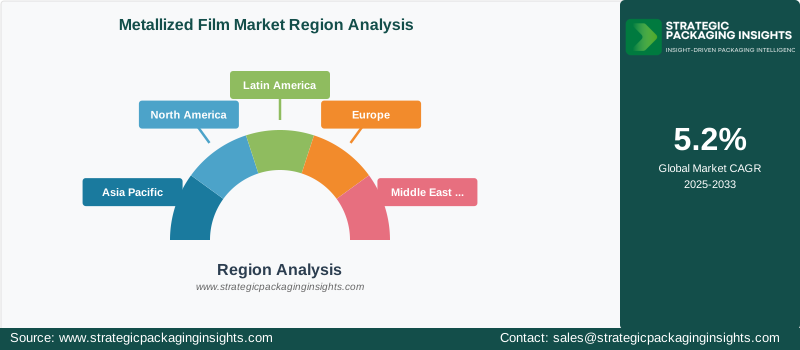
The metallized film market is segmented by region into Asia Pacific, North America, Latin America, Europe, and Middle East & Africa. Asia Pacific is the fastest-growing region, driven by the demand from the electronics and packaging industries. The region's rapid industrialization and expanding consumer base are key growth drivers. North America is another significant market, driven by the demand for sustainable packaging solutions and the presence of major players. The region's advanced manufacturing capabilities and focus on innovation further support market growth. Europe is a mature market, driven by the demand from the automotive and packaging industries. The region's emphasis on sustainability and innovation in manufacturing processes further supports market growth. Latin America and Middle East & Africa are emerging markets, driven by the demand for high-barrier packaging solutions and the expanding consumer base.
Metallized Film Market Segments
The Metallized Film market has been segmented on the basis ofMaterial
- Polypropylene
- Polyethylene Terephthalate
- Others
Application
- Packaging
- Decorative
- Insulation
- Electronics
- Others
End-User
- Food & Beverage
- Personal Care
- Pharmaceuticals
- Electronics
- Others
Region
- Asia Pacific
- North America
- Latin America
- Europe
- Middle East & Africa




