


Medical Liners Market Outlook
The Medical Liners market was valued at $3.19 billion in 2025 and is projected to reach $5.66 billion by 2034, growing at a CAGR of 6.6% during the forecast period 2026-2034. This growth is driven by the increasing demand for advanced medical packaging solutions that ensure sterility and safety of medical devices and pharmaceuticals. The market is witnessing a surge in demand due to the rising prevalence of chronic diseases, which necessitates the use of medical liners in various healthcare settings. Additionally, the growing focus on infection control and the need for efficient waste management in hospitals and clinics are further propelling the market growth. The adoption of innovative materials and technologies in the production of medical liners is also contributing to the expansion of the market.
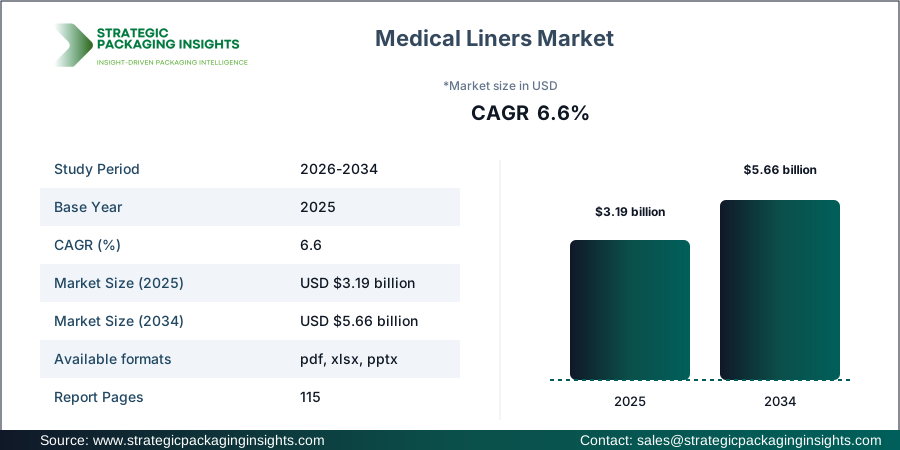
However, the market faces certain challenges that could hinder its growth. Regulatory constraints and stringent compliance requirements for medical packaging materials pose significant barriers for market players. The high cost of raw materials and the complexity involved in the manufacturing process of medical liners are also restraining factors. Despite these challenges, the market holds immense potential for growth, driven by the increasing investments in healthcare infrastructure and the rising demand for personalized medical solutions. The ongoing advancements in material science and the development of eco-friendly and biodegradable liners are expected to create lucrative opportunities for market players in the coming years.
Report Scope
| Attributes | Details |
| Report Title | Medical Liners Market Size, Future Growth and Forecast 2034 |
| By Material Type | Polyethylene, Polypropylene, Polyester, Medical-Grade Films |
| By Product Type | Tray Liners, Pouch Liners, Sterile Liners, Absorbent Liners |
| By Application | Medical Device Packaging, Surgical Kits, Diagnostics, Pharma Packaging |
| By End Use | Hospitals, Medical Device Companies, Pharma Companies, Clinics |
| Region | Asia Pacific, North America, Latin America, Europe, Middle East & Africa |
| Base Year | 2025 |
| Historic Period | 2018-2024 |
| Forecast Period | 2026-2034 |
| Number of Pages | 115 |
| Customization Available | Yes* |
Opportunities & Threats
The Medical Liners market presents numerous opportunities for growth, primarily driven by the increasing demand for advanced medical packaging solutions. The rising prevalence of chronic diseases and the growing aging population are leading to an increased need for medical devices and pharmaceuticals, thereby boosting the demand for medical liners. Additionally, the ongoing advancements in material science and the development of eco-friendly and biodegradable liners are creating new avenues for market players. The increasing focus on infection control and the need for efficient waste management in healthcare settings are further propelling the market growth. The adoption of innovative materials and technologies in the production of medical liners is also contributing to the expansion of the market.
Another significant opportunity lies in the growing investments in healthcare infrastructure, particularly in emerging economies. The rising healthcare expenditure and the increasing number of hospitals and clinics are driving the demand for medical liners. Moreover, the trend towards personalized medical solutions and the increasing adoption of home healthcare services are expected to create lucrative opportunities for market players. The development of smart and intelligent packaging solutions that enhance patient safety and improve the efficiency of healthcare delivery is also anticipated to drive market growth.
Despite the promising opportunities, the Medical Liners market faces certain threats that could hinder its growth. Regulatory constraints and stringent compliance requirements for medical packaging materials pose significant barriers for market players. The high cost of raw materials and the complexity involved in the manufacturing process of medical liners are also restraining factors. Additionally, the increasing competition from low-cost manufacturers in developing countries is putting pressure on established players to innovate and reduce costs. The volatility in raw material prices and the potential environmental impact of non-biodegradable liners are further challenges that need to be addressed by market participants.
Drivers & Challenges
The primary drivers of the Medical Liners market include the increasing demand for advanced medical packaging solutions and the rising prevalence of chronic diseases. The growing aging population and the increasing number of surgical procedures are leading to a higher demand for medical devices and pharmaceuticals, thereby boosting the demand for medical liners. The focus on infection control and the need for efficient waste management in healthcare settings are further propelling the market growth. The adoption of innovative materials and technologies in the production of medical liners is also contributing to the expansion of the market. Additionally, the development of eco-friendly and biodegradable liners is creating new opportunities for market players.
Another significant driver is the growing investments in healthcare infrastructure, particularly in emerging economies. The rising healthcare expenditure and the increasing number of hospitals and clinics are driving the demand for medical liners. Moreover, the trend towards personalized medical solutions and the increasing adoption of home healthcare services are expected to create lucrative opportunities for market players. The development of smart and intelligent packaging solutions that enhance patient safety and improve the efficiency of healthcare delivery is also anticipated to drive market growth.
However, the Medical Liners market faces several challenges that could hinder its growth. Regulatory constraints and stringent compliance requirements for medical packaging materials pose significant barriers for market players. The high cost of raw materials and the complexity involved in the manufacturing process of medical liners are also restraining factors. Additionally, the increasing competition from low-cost manufacturers in developing countries is putting pressure on established players to innovate and reduce costs. The volatility in raw material prices and the potential environmental impact of non-biodegradable liners are further challenges that need to be addressed by market participants.
Market Share Analysis
The competitive landscape of the Medical Liners market is characterized by the presence of several key players, each striving to gain a significant share of the market. The market is highly competitive, with companies focusing on product innovation, strategic partnerships, and mergers and acquisitions to strengthen their market position. DuPont, a leading player in the market, is known for its advanced material solutions and has a significant market share due to its strong product portfolio and extensive distribution network. 3M, another major player, is renowned for its innovative medical packaging solutions and has a substantial market presence globally.
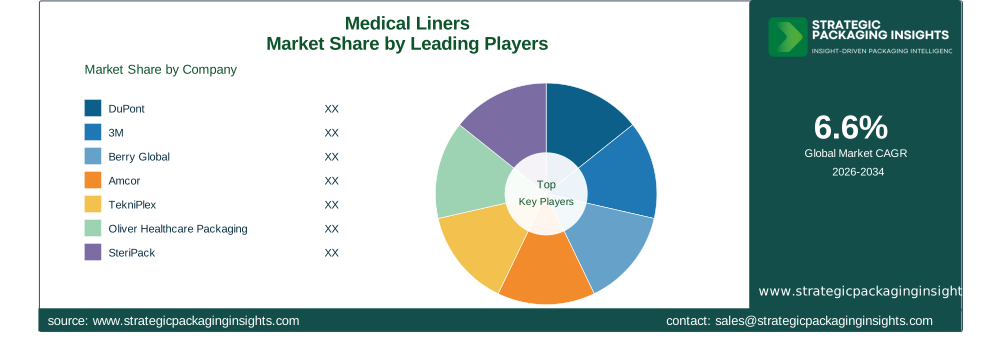
Berry Global is a prominent player in the Medical Liners market, offering a wide range of packaging solutions for the healthcare industry. The company's focus on sustainability and eco-friendly products has helped it gain a competitive edge in the market. Amcor, a global leader in packaging solutions, has a strong market presence due to its extensive product offerings and strategic acquisitions. TekniPlex is known for its innovative medical packaging solutions and has a significant market share due to its focus on product development and customer-centric approach.
Oliver Healthcare Packaging is a key player in the Medical Liners market, offering a comprehensive range of sterile barrier packaging solutions. The company's focus on quality and innovation has helped it establish a strong market presence. SteriPack, a leading provider of medical packaging solutions, is known for its customized packaging solutions and has a significant market share due to its focus on customer satisfaction and product quality. Nelipak Healthcare Packaging is a prominent player in the market, offering a wide range of thermoformed packaging solutions for the healthcare industry.
Wipak, a leading provider of flexible packaging solutions, has a strong market presence due to its focus on sustainability and innovation. The company's extensive product portfolio and strategic partnerships have helped it gain a competitive edge in the market. UFP Technologies, a key player in the Medical Liners market, is known for its innovative packaging solutions and has a significant market share due to its focus on product development and customer-centric approach. The competitive landscape of the Medical Liners market is expected to remain dynamic, with companies focusing on innovation and strategic collaborations to gain a competitive advantage.
Key Highlights
- The Medical Liners market is projected to grow at a CAGR of 6.6% from 2026 to 2034.
- Increasing demand for advanced medical packaging solutions is driving market growth.
- Regulatory constraints and high raw material costs are key challenges for market players.
- DuPont, 3M, and Berry Global are leading players in the Medical Liners market.
- Eco-friendly and biodegradable liners are gaining traction in the market.
- Growing investments in healthcare infrastructure are creating new opportunities.
- Asia Pacific is expected to witness significant growth during the forecast period.
Top Countries Insights
In the Medical Liners market, the United States holds a significant share, with a market size of approximately $1.2 billion and a CAGR of 5%. The country's advanced healthcare infrastructure and high healthcare expenditure are key drivers of market growth. The increasing prevalence of chronic diseases and the rising demand for medical devices and pharmaceuticals are further propelling the market. However, stringent regulatory requirements and high raw material costs pose challenges for market players.
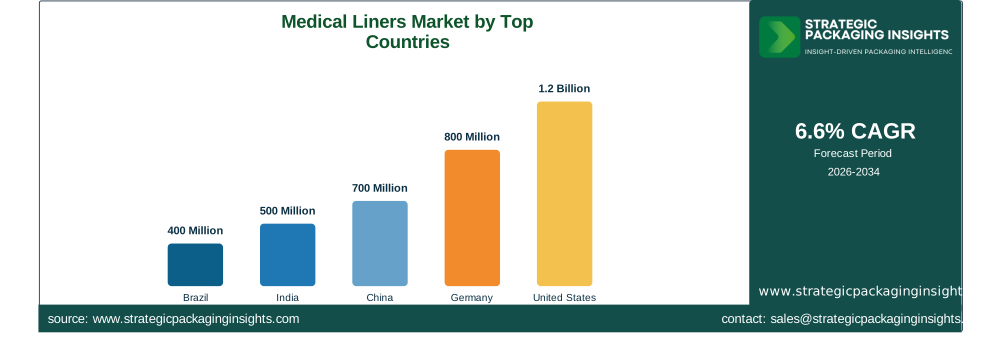
Germany is another prominent market for medical liners, with a market size of around $800 million and a CAGR of 4%. The country's strong healthcare system and focus on innovation in medical packaging solutions are driving market growth. The increasing demand for eco-friendly and biodegradable liners is also contributing to the market expansion. However, the high cost of raw materials and regulatory constraints are challenges that need to be addressed.
China is expected to witness significant growth in the Medical Liners market, with a market size of approximately $700 million and a CAGR of 8%. The country's growing healthcare infrastructure and increasing healthcare expenditure are key drivers of market growth. The rising prevalence of chronic diseases and the increasing demand for medical devices and pharmaceuticals are further propelling the market. However, the presence of low-cost manufacturers and regulatory challenges pose threats to market players.
India is another emerging market for medical liners, with a market size of around $500 million and a CAGR of 9%. The country's growing healthcare infrastructure and increasing healthcare expenditure are driving market growth. The rising demand for advanced medical packaging solutions and the increasing focus on infection control are further propelling the market. However, regulatory constraints and high raw material costs are challenges that need to be addressed.
Brazil is also witnessing growth in the Medical Liners market, with a market size of approximately $400 million and a CAGR of 6%. The country's growing healthcare infrastructure and increasing healthcare expenditure are key drivers of market growth. The rising demand for medical devices and pharmaceuticals and the increasing focus on infection control are further propelling the market. However, regulatory constraints and high raw material costs pose challenges for market players.
Medical Liners Market Segments Insights

Material Type Analysis
The Medical Liners market is segmented by material type into Polyethylene, Polypropylene, Polyester, and Medical-Grade Films. Polyethylene is the most widely used material due to its excellent barrier properties and cost-effectiveness. The demand for polyethylene liners is driven by their widespread use in medical device packaging and pharma packaging. Polypropylene is gaining traction due to its superior strength and chemical resistance, making it ideal for sterile and absorbent liners. Polyester is preferred for its durability and clarity, which are essential for diagnostic applications. Medical-grade films are increasingly being used due to their high-performance characteristics and compliance with stringent regulatory standards.
The market for medical-grade films is expected to witness significant growth due to the increasing demand for advanced packaging solutions that ensure sterility and safety. The development of eco-friendly and biodegradable films is also contributing to the growth of this segment. The adoption of innovative materials and technologies in the production of medical liners is further propelling the market. The focus on sustainability and the need for efficient waste management in healthcare settings are driving the demand for eco-friendly materials. The increasing investments in research and development to enhance the performance and functionality of medical liners are expected to create new opportunities for market players.
Product Type Analysis
The Medical Liners market is segmented by product type into Tray Liners, Pouch Liners, Sterile Liners, and Absorbent Liners. Tray liners are widely used in surgical kits and medical device packaging due to their excellent barrier properties and ease of use. The demand for tray liners is driven by the increasing number of surgical procedures and the growing focus on infection control. Pouch liners are gaining popularity due to their versatility and ability to provide a sterile barrier for a wide range of medical devices and pharmaceuticals. Sterile liners are essential for maintaining sterility and preventing contamination, making them a critical component in medical packaging.
Absorbent liners are increasingly being used in healthcare settings due to their ability to manage fluids and prevent leakage. The demand for absorbent liners is driven by the increasing prevalence of chronic diseases and the rising number of surgical procedures. The development of innovative absorbent materials and technologies is further propelling the market. The focus on patient safety and the need for efficient waste management in healthcare settings are driving the demand for advanced product types. The increasing investments in research and development to enhance the performance and functionality of medical liners are expected to create new opportunities for market players.
Application Analysis
The Medical Liners market is segmented by application into Medical Device Packaging, Surgical Kits, Diagnostics, and Pharma Packaging. Medical device packaging is the largest application segment, driven by the increasing demand for advanced packaging solutions that ensure sterility and safety. The rising prevalence of chronic diseases and the growing aging population are leading to an increased need for medical devices, thereby boosting the demand for medical liners. Surgical kits are another significant application segment, driven by the increasing number of surgical procedures and the growing focus on infection control.
Diagnostics is an emerging application segment, driven by the increasing demand for advanced diagnostic solutions and the growing focus on early disease detection. The development of innovative diagnostic technologies and the increasing adoption of point-of-care testing are further propelling the market. Pharma packaging is also witnessing significant growth, driven by the increasing demand for pharmaceuticals and the need for efficient packaging solutions that ensure product safety and integrity. The focus on patient safety and the need for efficient waste management in healthcare settings are driving the demand for advanced application solutions.
End Use Analysis
The Medical Liners market is segmented by end use into Hospitals, Medical Device Companies, Pharma Companies, and Clinics. Hospitals are the largest end-use segment, driven by the increasing number of surgical procedures and the growing focus on infection control. The rising prevalence of chronic diseases and the growing aging population are leading to an increased need for medical devices and pharmaceuticals, thereby boosting the demand for medical liners. Medical device companies are another significant end-use segment, driven by the increasing demand for advanced packaging solutions that ensure sterility and safety.
Pharma companies are witnessing significant growth, driven by the increasing demand for pharmaceuticals and the need for efficient packaging solutions that ensure product safety and integrity. Clinics are also emerging as a significant end-use segment, driven by the increasing adoption of home healthcare services and the growing focus on personalized medical solutions. The focus on patient safety and the need for efficient waste management in healthcare settings are driving the demand for advanced end-use solutions. The increasing investments in healthcare infrastructure and the rising healthcare expenditure are expected to create new opportunities for market players.
Medical Liners Market Segments
The Medical Liners market has been segmented on the basis ofBy Material Type
- Polyethylene
- Polypropylene
- Polyester
- Medical-Grade Films
By Product Type
- Tray Liners
- Pouch Liners
- Sterile Liners
- Absorbent Liners
By Application
- Medical Device Packaging
- Surgical Kits
- Diagnostics
- Pharma Packaging
By End Use
- Hospitals
- Medical Device Companies
- Pharma Companies
- Clinics
Region
- Asia Pacific
- North America
- Latin America
- Europe
- Middle East & Africa




