


Medical Device Sterile Barrier Systems Market Outlook
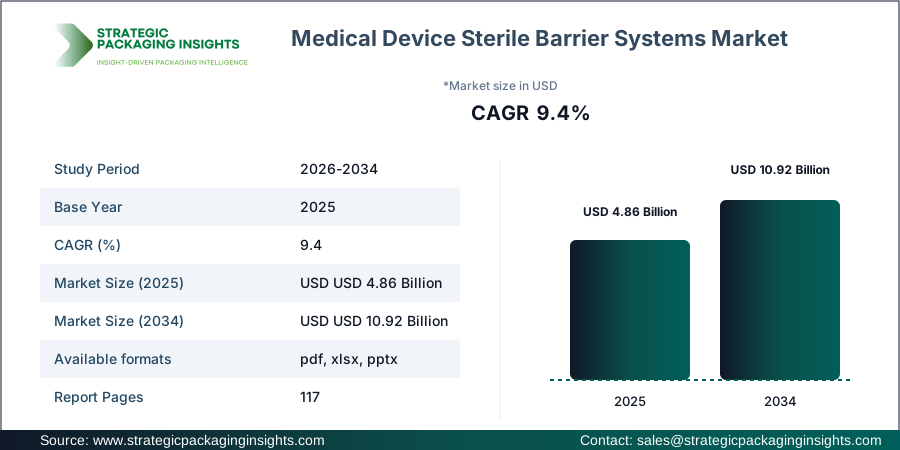
The Medical Device Sterile Barrier Systems market size was valued at USD 4.86 Billion in 2025 and is anticipated to reach USD 10.92 Billion by 2034, growing at a CAGR of 9.4% during the forecast period according to Strategic Packaging Insights. This market is witnessing significant growth due to the increasing demand for advanced healthcare solutions and the rising prevalence of hospital-acquired infections. Companies like Amcor plc and DuPont are at the forefront, driving innovation in sterile packaging solutions that ensure the safety and efficacy of medical devices. The market's expansion is further fueled by technological advancements in sterilization methods and the growing emphasis on patient safety.
One of the most impactful drivers of the Medical Device Sterile Barrier Systems market is the stringent regulatory standards imposed by health authorities worldwide. These regulations mandate the use of sterile barrier systems to prevent contamination and ensure the sterility of medical devices. According to the World Health Organization, the implementation of such standards is crucial in reducing infection rates and improving patient outcomes. Companies like Berry Global and Oliver Healthcare Packaging are investing heavily in research and development to comply with these regulations and offer innovative solutions that meet the highest safety standards.
Report Scope
| Attributes | Details |
| Report Title | Medical Device Sterile Barrier Systems Market Size, Future Growth and Forecast 2034 |
| By Product Type | Sterile Pouches, Sterile Bags, Thermoformed Trays, Lidding Films, Sterile Wraps, Header Bags |
| By Material | Tyvek, Medical Paper, Polyethylene, Polypropylene, PET, Multi-Layer Barrier Films |
| By Sterilization Method | Ethylene Oxide (EtO), Gamma Radiation, Steam Sterilization, Electron Beam Sterilization, Hydrogen Peroxide Plasma |
| By End User | Medical Device Manufacturers, Hospitals, Contract Sterilization Providers, Ambulatory Surgical Centers, Diagnostic Equipment Manufacturers |
| Region | Asia Pacific, North America, Latin America, Europe, Middle East & Africa |
| Base Year | 2025 |
| Historic Period | 2018-2024 |
| Forecast Period | 2026-2034 |
| Number of Pages | 117 |
| Customization Available | Yes* |
Sustainability & Circular Economy Analysis
Sustainability initiatives are increasingly shaping the Medical Device Sterile Barrier Systems market, as companies strive to reduce their environmental impact. The adoption of recyclable materials and eco-friendly innovations is becoming a priority for manufacturers. For instance, the use of Tyvek and medical paper, which are both recyclable, is gaining traction. These materials not only meet the stringent requirements for sterility but also align with the growing consumer preference for sustainable products. Companies are also exploring lightweight packaging solutions to minimize material usage and reduce carbon footprints.
The circular economy is influencing packaging design and manufacturing processes, encouraging companies to adopt waste reduction strategies and extended producer responsibility (EPR) programs. By implementing these practices, manufacturers can enhance their supply chain efficiency and regulatory compliance. ESG initiatives are also driving investment decisions, as stakeholders increasingly prioritize sustainability in their portfolios. This shift is prompting companies to innovate and develop packaging solutions that are not only effective but also environmentally responsible.
As sustainability trends continue to evolve, they are expected to have a lasting impact on the market's competitiveness. Companies that embrace these trends are likely to gain a competitive edge by meeting the demands of environmentally conscious consumers and complying with stringent packaging regulations. This focus on sustainability is also fostering collaboration across the value chain, as manufacturers, brand owners, and retailers work together to develop sustainable packaging solutions that meet the needs of the healthcare industry.
Packaging Value Chain & Supply Chain Analysis
The packaging value chain for Medical Device Sterile Barrier Systems is complex, involving multiple stakeholders from raw material suppliers to end-users. Raw material sourcing is a critical component, as the availability and quality of materials like Tyvek, polyethylene, and polypropylene directly impact the production process. Packaging converters and manufacturers play a pivotal role in transforming these materials into sterile barrier systems that meet the stringent requirements of the healthcare industry. Companies like Wipak Group and TekniPlex Healthcare are key players in this space, leveraging advanced technologies to enhance production capabilities and ensure product quality.
Logistics and distribution channels are essential for ensuring the timely delivery of sterile barrier systems to medical device manufacturers, hospitals, and other end-users. Efficient transportation and inventory management strategies are crucial for maintaining supply chain resilience and minimizing disruptions. Strategic partnerships and collaborations with logistics providers can enhance supply chain efficiency and enable companies to meet the growing demand for sterile packaging solutions. Localization and global sourcing strategies are also important considerations, as companies seek to optimize their supply chains and reduce costs.
Recycling networks and procurement strategies are becoming increasingly important as companies strive to enhance their sustainability efforts. By implementing recycling programs and sourcing materials from sustainable suppliers, manufacturers can reduce their environmental impact and improve their market competitiveness. These efforts are supported by advancements in packaging machinery and technologies, which enable companies to produce high-quality sterile barrier systems more efficiently. As the market continues to evolve, companies that prioritize supply chain optimization and sustainability are likely to achieve long-term success.
Opportunities & Threats
The Medical Device Sterile Barrier Systems market presents numerous opportunities for growth, driven by the increasing demand for advanced healthcare solutions and the rising prevalence of hospital-acquired infections. The growing emphasis on patient safety and the implementation of stringent regulatory standards are creating a favorable environment for market expansion. Companies that invest in research and development to innovate and offer cutting-edge sterile packaging solutions are well-positioned to capitalize on these opportunities. The adoption of new sterilization methods and materials, such as hydrogen peroxide plasma and multi-layer barrier films, is also expected to drive market growth.
Another significant opportunity lies in the expansion of healthcare infrastructure in emerging markets. As countries in Asia Pacific, Latin America, and the Middle East & Africa invest in healthcare facilities and services, the demand for sterile barrier systems is expected to increase. Companies that establish a strong presence in these regions and develop localized solutions to meet the specific needs of these markets are likely to gain a competitive advantage. Additionally, the growing trend towards outpatient care and the increasing number of ambulatory surgical centers present opportunities for companies to expand their customer base and increase sales.
Despite the numerous opportunities, the market also faces several threats that could hinder its growth. One of the primary challenges is the high cost of raw materials and production, which can impact profit margins and limit market expansion. Additionally, the stringent regulatory requirements and the need for continuous innovation to meet evolving standards can pose significant challenges for companies. The competitive landscape is also intensifying, with numerous players vying for market share. Companies that fail to differentiate themselves through innovation and quality may struggle to maintain their market position.
Drivers & Challenges
The primary drivers of the Medical Device Sterile Barrier Systems market include the increasing demand for advanced healthcare solutions and the rising prevalence of hospital-acquired infections. The growing emphasis on patient safety and the implementation of stringent regulatory standards are also driving market growth. Companies like Amcor plc and DuPont are investing heavily in research and development to innovate and offer cutting-edge sterile packaging solutions that meet the highest safety standards. The adoption of new sterilization methods and materials, such as hydrogen peroxide plasma and multi-layer barrier films, is also expected to drive market growth.
Another significant driver is the expansion of healthcare infrastructure in emerging markets. As countries in Asia Pacific, Latin America, and the Middle East & Africa invest in healthcare facilities and services, the demand for sterile barrier systems is expected to increase. Companies that establish a strong presence in these regions and develop localized solutions to meet the specific needs of these markets are likely to gain a competitive advantage. Additionally, the growing trend towards outpatient care and the increasing number of ambulatory surgical centers present opportunities for companies to expand their customer base and increase sales.
Despite the numerous drivers, the market also faces several challenges that could hinder its growth. One of the primary challenges is the high cost of raw materials and production, which can impact profit margins and limit market expansion. Additionally, the stringent regulatory requirements and the need for continuous innovation to meet evolving standards can pose significant challenges for companies. The competitive landscape is also intensifying, with numerous players vying for market share. Companies that fail to differentiate themselves through innovation and quality may struggle to maintain their market position.
Market Share Analysis
The competitive landscape of the Medical Device Sterile Barrier Systems market is characterized by the presence of several key players, each striving to gain a larger share of the market. Companies like Amcor plc, DuPont, and Berry Global are leading the market with their innovative solutions and strong global presence. These companies are investing heavily in research and development to enhance their product offerings and meet the evolving needs of the healthcare industry. The market is also witnessing increased competition from regional players who are focusing on providing cost-effective solutions to gain a competitive edge.
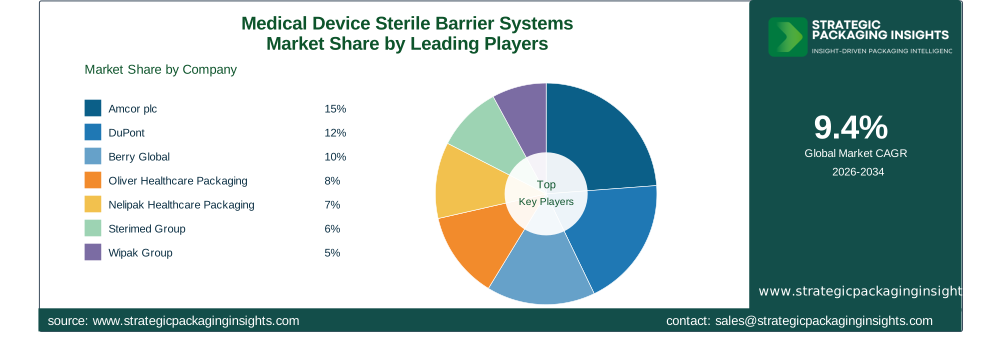
Amcor plc is a prominent player in the market, known for its comprehensive range of sterile packaging solutions. The company is committed to sustainability and innovation, continuously developing new products to meet the stringent requirements of the healthcare industry. DuPont, another key player, is renowned for its Tyvek material, which is widely used in sterile barrier systems due to its durability and protective properties. Berry Global is also a major player, offering a diverse portfolio of packaging solutions that cater to the needs of medical device manufacturers and healthcare providers.
Oliver Healthcare Packaging is a leading provider of sterile barrier systems, known for its high-quality products and customer-centric approach. The company focuses on delivering innovative solutions that enhance patient safety and improve healthcare outcomes. Nelipak Healthcare Packaging is another key player, specializing in custom-designed packaging solutions for the medical device industry. The company's expertise in thermoformed trays and lidding films has made it a preferred partner for many healthcare providers.
Other notable players in the market include Sterimed Group, Wipak Group, and TekniPlex Healthcare, each offering unique solutions to meet the diverse needs of the healthcare industry. These companies are leveraging their expertise and technological capabilities to develop advanced packaging solutions that ensure the sterility and safety of medical devices. The market is also witnessing increased collaboration among players, as companies seek to enhance their product offerings and expand their market reach.
Key Highlights
- Market Size: USD 4.86 Billion in 2025, projected to reach USD 10.92 Billion by 2034.
- Growth Rate: Forecasted CAGR of 9.4% during the forecast period.
- Leading Companies: Amcor plc, DuPont, Berry Global, Oliver Healthcare Packaging.
- Emerging Markets: Significant growth opportunities in Asia Pacific and Latin America.
- Innovative Materials: Increasing use of Tyvek and multi-layer barrier films.
- Regulatory Standards: Stringent regulations driving demand for sterile barrier systems.
- Sustainability Focus: Growing emphasis on eco-friendly and recyclable materials.
Medical Device Sterile Barrier Systems Market Segments Insights

By Product Type Analysis
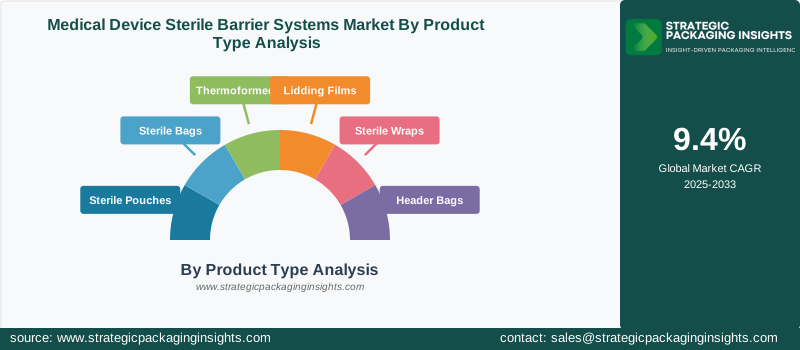
The Medical Device Sterile Barrier Systems market is segmented by product type, including sterile pouches, sterile bags, thermoformed trays, lidding films, sterile wraps, and header bags. Each product type serves a specific purpose in ensuring the sterility and safety of medical devices. Sterile pouches and bags are widely used for packaging small to medium-sized devices, offering convenience and ease of use. Thermoformed trays provide a secure and protective environment for delicate instruments, while lidding films and sterile wraps offer additional layers of protection against contamination.
The demand for these products is driven by the increasing need for advanced healthcare solutions and the rising prevalence of hospital-acquired infections. Companies like Amcor plc and Oliver Healthcare Packaging are leading the market with their innovative product offerings and strong focus on quality and safety. The market is also witnessing increased competition from regional players who are focusing on providing cost-effective solutions to gain a competitive edge. As the market continues to evolve, companies that prioritize innovation and quality are likely to achieve long-term success.
By Material Analysis
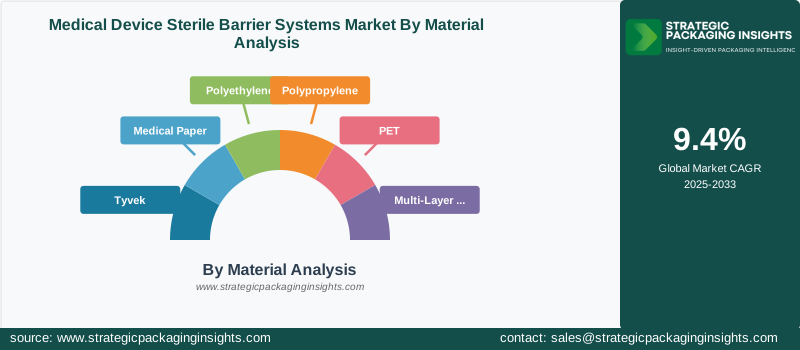
The material segment of the Medical Device Sterile Barrier Systems market includes Tyvek, medical paper, polyethylene, polypropylene, PET, and multi-layer barrier films. Each material offers unique properties that make it suitable for specific applications in sterile packaging. Tyvek is widely used due to its durability and protective properties, while medical paper is favored for its recyclability and eco-friendly nature. Polyethylene and polypropylene are popular choices for their flexibility and cost-effectiveness, while PET and multi-layer barrier films offer enhanced protection against contamination.
The choice of material is influenced by factors such as regulatory requirements, cost considerations, and environmental impact. Companies like DuPont and Berry Global are leading the market with their innovative material solutions that meet the stringent requirements of the healthcare industry. The market is also witnessing increased demand for sustainable materials, as companies strive to reduce their environmental impact and meet the growing consumer preference for eco-friendly products. As the market continues to evolve, companies that prioritize sustainability and innovation are likely to gain a competitive advantage.
By Sterilization Method Analysis
The sterilization method segment of the Medical Device Sterile Barrier Systems market includes ethylene oxide (EtO), gamma radiation, steam sterilization, electron beam sterilization, and hydrogen peroxide plasma. Each method offers unique advantages and is suitable for specific applications in sterile packaging. Ethylene oxide is widely used for its effectiveness in sterilizing complex devices, while gamma radiation and steam sterilization are favored for their reliability and cost-effectiveness. Electron beam sterilization offers a fast and efficient solution, while hydrogen peroxide plasma is gaining traction for its eco-friendly properties.
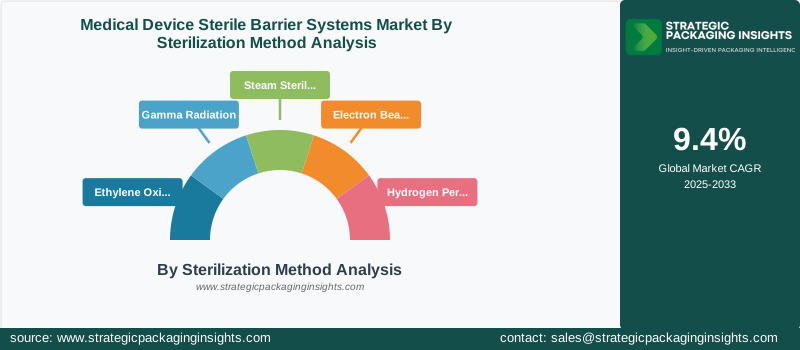
The choice of sterilization method is influenced by factors such as regulatory requirements, cost considerations, and environmental impact. Companies like Sterimed Group and Wipak Group are leading the market with their innovative sterilization solutions that meet the stringent requirements of the healthcare industry. The market is also witnessing increased demand for eco-friendly sterilization methods, as companies strive to reduce their environmental impact and meet the growing consumer preference for sustainable products. As the market continues to evolve, companies that prioritize innovation and sustainability are likely to gain a competitive advantage.
By End User Analysis
The end-user segment of the Medical Device Sterile Barrier Systems market includes medical device manufacturers, hospitals, contract sterilization providers, ambulatory surgical centers, and diagnostic equipment manufacturers. Each end-user group has specific requirements and preferences when it comes to sterile packaging solutions. Medical device manufacturers and hospitals are the primary consumers of sterile barrier systems, as they require reliable and effective solutions to ensure the safety and efficacy of their products.
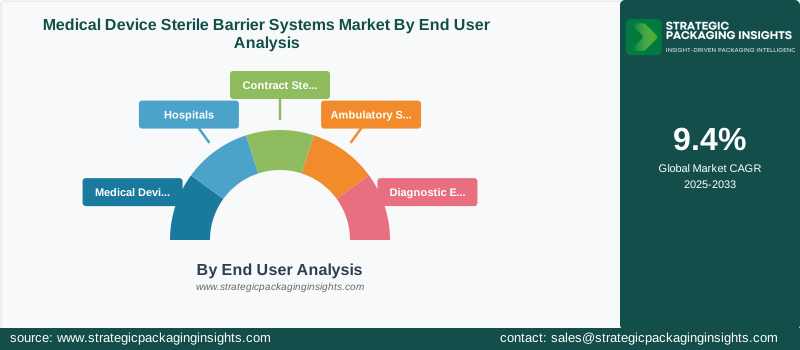
The demand for sterile barrier systems is driven by the increasing need for advanced healthcare solutions and the rising prevalence of hospital-acquired infections. Companies like Amcor plc and Oliver Healthcare Packaging are leading the market with their innovative product offerings and strong focus on quality and safety. The market is also witnessing increased competition from regional players who are focusing on providing cost-effective solutions to gain a competitive edge. As the market continues to evolve, companies that prioritize innovation and quality are likely to achieve long-term success.
Medical Device Sterile Barrier Systems Market Segments
The Medical Device Sterile Barrier Systems market has been segmented on the basis ofBy Product Type
- Sterile Pouches
- Sterile Bags
- Thermoformed Trays
- Lidding Films
- Sterile Wraps
- Header Bags
By Material
- Tyvek
- Medical Paper
- Polyethylene
- Polypropylene
- PET
- Multi-Layer Barrier Films
By Sterilization Method
- Ethylene Oxide (EtO)
- Gamma Radiation
- Steam Sterilization
- Electron Beam Sterilization
- Hydrogen Peroxide Plasma
By End User
- Medical Device Manufacturers
- Hospitals
- Contract Sterilization Providers
- Ambulatory Surgical Centers
- Diagnostic Equipment Manufacturers
Region
- Asia Pacific
- North America
- Latin America
- Europe
- Middle East & Africa




