


Meal Kit Delivery Insulated Liner Market Outlook
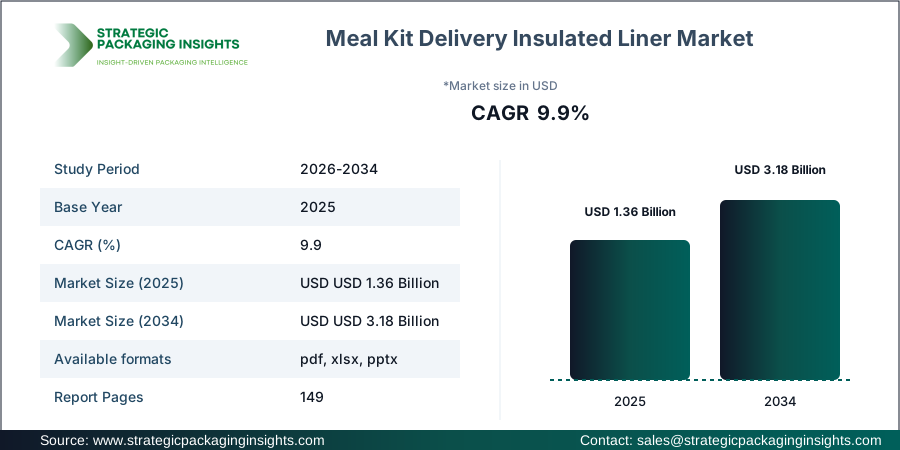
The Meal Kit Delivery Insulated Liner market size was valued at USD 1.36 Billion in 2025 and is anticipated to reach USD 3.18 Billion by 2034, growing at a CAGR of 9.9% during the forecast period according to Strategic Packaging Insights. The market is witnessing significant growth due to the increasing demand for meal kit delivery services, which has been further accelerated by the global shift towards convenient and home-delivered food solutions. Companies like Sealed Air Corporation and TemperPack are at the forefront, innovating with sustainable and efficient insulated packaging solutions to meet the rising consumer expectations for freshness and quality.
One of the most impactful drivers of this market is the growing consumer preference for eco-friendly packaging solutions. As environmental concerns become more prominent, consumers and businesses alike are seeking sustainable alternatives to traditional packaging. Government regulations and initiatives promoting the use of recyclable and biodegradable materials are further propelling this trend. Companies such as Ranpak Holdings and Nordic Cold Chain Solutions are investing heavily in research and development to create innovative, sustainable packaging solutions that not only meet regulatory standards but also appeal to environmentally conscious consumers.
Report Scope
| Attributes | Details |
| Report Title | Meal Kit Delivery Insulated Liner Market Size, Future Growth and Forecast 2034 |
| By Material | Recycled Paper Fiber, Expanded Polystyrene (EPS), Polyethylene Foam, Cotton Fiber, Wool Insulation, Bio-Based Insulation |
| By Product Type | Box Liners, Thermal Wraps, Reflective Bubble Liners, Flexible Insulated Liners, Custom Insulated Inserts |
| By Temperature Range | Chilled, Frozen, Multi-Temperature |
| By End User | Meal Kit Delivery Companies, Online Grocery Retailers, Food Delivery Platforms, Fresh Food Producers, Third-Party Logistics Providers |
| Region | Asia Pacific, North America, Latin America, Europe, Middle East & Africa |
| Base Year | 2025 |
| Historic Period | 2018-2024 |
| Forecast Period | 2026-2034 |
| Number of Pages | 149 |
| Customization Available | Yes* |
Sustainability & Circular Economy Analysis
Sustainability initiatives and circular economy practices are increasingly shaping the packaging market, particularly in the realm of meal kit delivery insulated liners. The shift towards recyclable materials and reusable packaging is becoming a cornerstone of industry strategies, as companies strive to reduce their carbon footprint and align with consumer sustainability preferences. Innovations in eco-friendly materials, such as bio-based insulation and recycled paper fiber, are gaining traction, offering viable alternatives to traditional packaging materials. These trends are influencing packaging design and manufacturing processes, prompting companies to invest in sustainable technologies and practices that enhance their market competitiveness.
The integration of waste reduction strategies and ESG initiatives is becoming a critical component of business operations within the packaging industry. Companies are adopting lightweight packaging solutions to minimize material usage and transportation costs, thereby reducing their overall environmental impact. Regulatory compliance is also a significant factor, with extended producer responsibility (EPR) policies encouraging manufacturers to take accountability for the entire lifecycle of their products. This regulatory landscape is driving innovation and investment in sustainable packaging solutions, as companies seek to meet both legal requirements and consumer expectations.
Long-term market competitiveness is increasingly linked to a company's ability to adapt to sustainability trends. As consumer demand for eco-friendly products grows, companies that prioritize sustainable practices are likely to gain a competitive edge. This shift is prompting a reevaluation of supply chain strategies, with a focus on sourcing sustainable materials and optimizing logistics to reduce emissions. The emphasis on sustainability is not only shaping investment decisions but also influencing brand reputation and consumer loyalty, making it a key consideration for packaging manufacturers, brand owners, and investors alike.
Packaging Value Chain & Supply Chain Analysis
The packaging value chain for meal kit delivery insulated liners is a complex ecosystem involving multiple stakeholders, from raw material suppliers to end consumers. Raw material sourcing is a critical component, with companies like Sealed Air Corporation and Sonoco ThermoSafe focusing on procuring sustainable materials to meet the growing demand for eco-friendly packaging. Packaging converters and manufacturers play a pivotal role in transforming these materials into functional insulated liners, utilizing advanced machinery and technologies to ensure product quality and efficiency.
Logistics and distribution channels are integral to the supply chain, ensuring that insulated liners reach their intended destinations in a timely and cost-effective manner. Strategic partnerships with logistics providers and third-party distributors are essential for optimizing transportation and reducing lead times. Inventory management and supply chain resilience are also key considerations, as companies strive to maintain a steady supply of materials and products amidst fluctuating market conditions. Localization and global sourcing strategies are being employed to enhance supply chain efficiency and mitigate risks associated with geopolitical uncertainties.
Overall market performance and business competitiveness are heavily influenced by supply chain dynamics. The availability of raw materials, production capabilities, and transportation infrastructure all play a role in determining a company's ability to meet market demand and maintain a competitive edge. Companies that invest in robust supply chain strategies and foster strong relationships with suppliers and distributors are better positioned to navigate challenges and capitalize on growth opportunities. This holistic approach to supply chain management is essential for sustaining long-term success in the meal kit delivery insulated liner market.
Opportunities & Threats
The meal kit delivery insulated liner market presents numerous opportunities for growth and innovation. One significant opportunity lies in the development of advanced insulation materials that offer superior thermal performance while being environmentally friendly. Companies that can successfully innovate in this area stand to gain a competitive advantage, as consumers increasingly prioritize sustainability in their purchasing decisions. Additionally, the expansion of online grocery retail and food delivery platforms is driving demand for insulated packaging solutions, creating new avenues for market growth.
Another opportunity is the potential for strategic partnerships and collaborations within the industry. By partnering with technology providers, logistics companies, and sustainability experts, packaging manufacturers can enhance their product offerings and improve operational efficiency. These collaborations can lead to the development of integrated solutions that address the diverse needs of end users, from meal kit delivery companies to third-party logistics providers. As the market continues to evolve, companies that leverage these partnerships are likely to achieve greater market penetration and customer satisfaction.
Despite the promising opportunities, the market also faces several threats that could hinder growth. One of the primary challenges is the volatility of raw material prices, which can impact production costs and profit margins. Additionally, stringent regulatory requirements related to packaging waste and environmental impact pose a significant threat to companies that fail to comply. The competitive landscape is also intensifying, with new entrants and existing players vying for market share. To mitigate these threats, companies must adopt proactive strategies, such as diversifying their material sources and investing in compliance initiatives.
Drivers & Challenges
The meal kit delivery insulated liner market is driven by several key factors, including the increasing demand for convenient and sustainable food delivery solutions. As consumers continue to embrace the convenience of meal kits and online grocery shopping, the need for effective insulated packaging solutions is growing. Companies like Woolcool Ltd. and EcoCool GmbH are capitalizing on this trend by offering innovative products that meet consumer expectations for freshness and quality. Additionally, advancements in packaging technology are enabling manufacturers to develop more efficient and cost-effective solutions, further driving market growth.
Another significant driver is the growing emphasis on sustainability and environmental responsibility. Consumers are becoming more conscious of the environmental impact of their purchasing decisions, leading to increased demand for eco-friendly packaging solutions. This shift is prompting companies to invest in sustainable materials and practices, such as bio-based insulation and recyclable packaging. Government regulations and initiatives promoting sustainability are also playing a crucial role in driving market growth, as companies strive to meet legal requirements and align with consumer preferences.
However, the market also faces several challenges that could impede growth. One of the primary challenges is the complexity of the supply chain, which involves multiple stakeholders and processes. Ensuring the availability of raw materials, managing logistics, and maintaining product quality are all critical considerations that require careful coordination and planning. Additionally, the competitive landscape is becoming increasingly crowded, with new entrants and established players vying for market share. To overcome these challenges, companies must adopt innovative strategies and leverage technology to enhance their operational efficiency and market competitiveness.
Market Share Analysis
The competitive landscape of the meal kit delivery insulated liner market is characterized by the presence of several key players, each vying for market dominance through innovation and strategic partnerships. Sealed Air Corporation is a prominent player, known for its advanced packaging solutions that cater to the diverse needs of the food delivery industry. The company's focus on sustainability and innovation has helped it maintain a strong market position. Similarly, TemperPack has carved a niche for itself by offering eco-friendly insulated packaging solutions that appeal to environmentally conscious consumers.
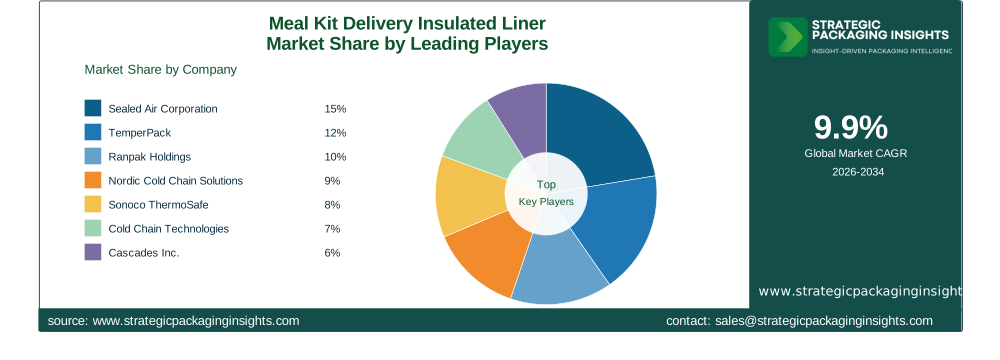
Ranpak Holdings is another major player in the market, renowned for its commitment to sustainability and innovation. The company's extensive product portfolio and strategic partnerships have enabled it to capture a significant share of the market. Nordic Cold Chain Solutions is also a key player, offering a range of insulated packaging solutions that cater to the specific needs of the meal kit delivery industry. The company's focus on quality and customer satisfaction has helped it build a loyal customer base.
Sonoco ThermoSafe is a leading provider of temperature-controlled packaging solutions, with a strong presence in the meal kit delivery insulated liner market. The company's innovative products and commitment to sustainability have helped it maintain a competitive edge. Cold Chain Technologies is another major player, known for its comprehensive range of insulated packaging solutions that cater to various industries, including food delivery. The company's focus on research and development has enabled it to stay ahead of the competition.
Cascades Inc. and DS Smith are also notable players in the market, offering a range of sustainable packaging solutions that cater to the needs of the food delivery industry. Pregis LLC and Woolcool Ltd. are known for their innovative products and commitment to sustainability, which have helped them capture a significant share of the market. EcoCool GmbH and Vericool Packaging are also key players, offering eco-friendly insulated packaging solutions that appeal to environmentally conscious consumers.
Key Highlights
- Market Size: USD 1.36 Billion in 2025, projected to reach USD 3.18 Billion by 2034.
- Growth Rate: Forecasted CAGR of 9.9% from 2026 to 2034.
- Leading Companies: Sealed Air Corporation, TemperPack, Ranpak Holdings, Nordic Cold Chain Solutions.
- Material Innovation: Bio-based insulation and recycled paper fiber gaining traction.
- Product Demand: High demand for box liners and thermal wraps.
- Regional Growth: Asia Pacific expected to witness significant growth.
- Sustainability Focus: Increasing emphasis on eco-friendly packaging solutions.
Meal Kit Delivery Insulated Liner Market Segments Insights

By Material Analysis
The material segment of the meal kit delivery insulated liner market is witnessing significant innovation, driven by the demand for sustainable and efficient packaging solutions. Recycled paper fiber and bio-based insulation materials are gaining popularity due to their eco-friendly properties and ability to reduce carbon footprints. Companies are investing in research and development to enhance the thermal performance and durability of these materials, catering to the growing consumer preference for sustainable packaging. Expanded polystyrene (EPS) and polyethylene foam continue to be widely used due to their cost-effectiveness and insulation capabilities, although their environmental impact remains a concern.
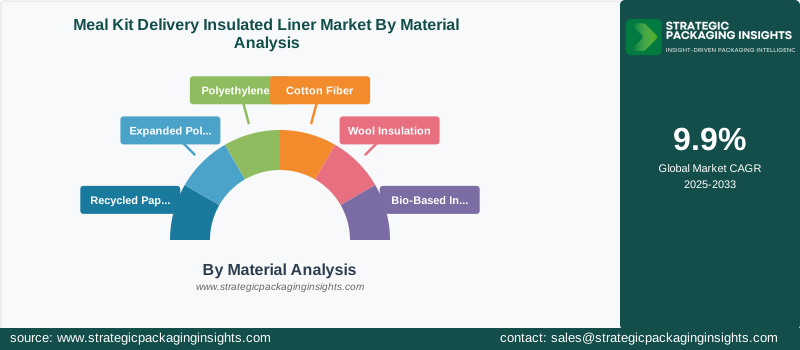
Cotton fiber and wool insulation are emerging as viable alternatives to traditional materials, offering superior thermal performance and biodegradability. These materials are particularly appealing to environmentally conscious consumers and businesses seeking to align with sustainability goals. The increasing focus on reducing packaging waste and complying with environmental regulations is driving the adoption of these innovative materials. As the market evolves, companies that prioritize material innovation and sustainability are likely to gain a competitive edge, attracting environmentally conscious consumers and enhancing their brand reputation.
By Product Type Analysis
The product type segment of the meal kit delivery insulated liner market is characterized by a diverse range of offerings, each designed to meet specific insulation and packaging needs. Box liners and thermal wraps are among the most popular products, providing effective insulation and protection for perishable goods during transit. Reflective bubble liners and flexible insulated liners are also gaining traction, offering lightweight and cost-effective solutions for temperature-sensitive shipments. Custom insulated inserts are becoming increasingly popular, allowing companies to tailor their packaging solutions to meet specific customer requirements and enhance product protection.
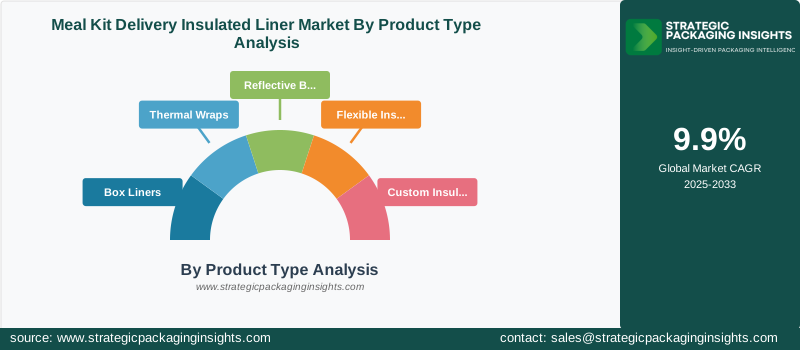
The demand for innovative and customizable packaging solutions is driving companies to invest in product development and expand their product portfolios. As consumer expectations for freshness and quality continue to rise, companies are focusing on enhancing the thermal performance and durability of their products. The growing emphasis on sustainability is also influencing product design, with companies seeking to incorporate eco-friendly materials and reduce packaging waste. As the market continues to evolve, companies that offer a diverse range of high-quality and sustainable products are likely to capture a significant share of the market.
By Temperature Range Analysis
The temperature range segment of the meal kit delivery insulated liner market is critical to ensuring the safe and efficient transportation of perishable goods. Chilled and frozen temperature ranges are the most common, catering to the diverse needs of the food delivery industry. Multi-temperature solutions are gaining popularity, offering flexibility and versatility for companies that handle a variety of temperature-sensitive products. The demand for reliable and efficient temperature control solutions is driving companies to invest in advanced insulation technologies and materials that enhance thermal performance and ensure product integrity.
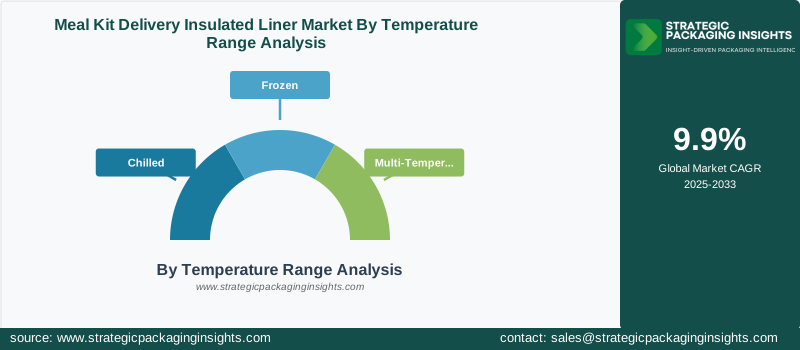
As consumer demand for fresh and high-quality food products continues to grow, companies are focusing on developing innovative temperature control solutions that meet the stringent requirements of the food delivery industry. The increasing emphasis on sustainability is also influencing the development of temperature control solutions, with companies seeking to incorporate eco-friendly materials and reduce energy consumption. As the market evolves, companies that offer reliable and sustainable temperature control solutions are likely to gain a competitive edge, attracting environmentally conscious consumers and enhancing their brand reputation.
By End User Analysis
The end user segment of the meal kit delivery insulated liner market is diverse, encompassing a wide range of industries and applications. Meal kit delivery companies and online grocery retailers are among the primary end users, driving demand for insulated packaging solutions that ensure the safe and efficient transportation of perishable goods. Food delivery platforms and fresh food producers are also significant end users, requiring reliable and effective insulation solutions to maintain product quality and freshness during transit. Third-party logistics providers play a crucial role in the supply chain, offering specialized services and solutions that cater to the unique needs of the food delivery industry.
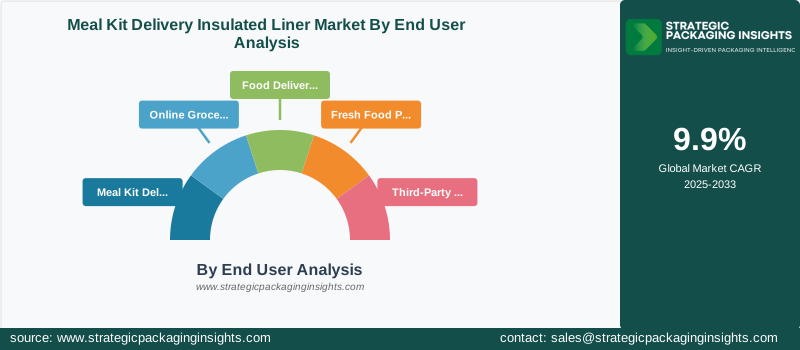
The growing demand for convenient and sustainable food delivery solutions is driving companies to invest in innovative packaging solutions that meet the diverse needs of end users. As consumer expectations for freshness and quality continue to rise, companies are focusing on enhancing the thermal performance and durability of their products. The increasing emphasis on sustainability is also influencing end user preferences, with companies seeking to align with environmentally conscious consumers and enhance their brand reputation. As the market continues to evolve, companies that offer high-quality and sustainable packaging solutions are likely to capture a significant share of the market.
Meal Kit Delivery Insulated Liner Market Segments
The Meal Kit Delivery Insulated Liner market has been segmented on the basis ofBy Material
- Recycled Paper Fiber
- Expanded Polystyrene (EPS)
- Polyethylene Foam
- Cotton Fiber
- Wool Insulation
- Bio-Based Insulation
By Product Type
- Box Liners
- Thermal Wraps
- Reflective Bubble Liners
- Flexible Insulated Liners
- Custom Insulated Inserts
By Temperature Range
- Chilled
- Frozen
- Multi-Temperature
By End User
- Meal Kit Delivery Companies
- Online Grocery Retailers
- Food Delivery Platforms
- Fresh Food Producers
- Third-Party Logistics Providers
Region
- Asia Pacific
- North America
- Latin America
- Europe
- Middle East & Africa




