


Makeup bag Market Outlook
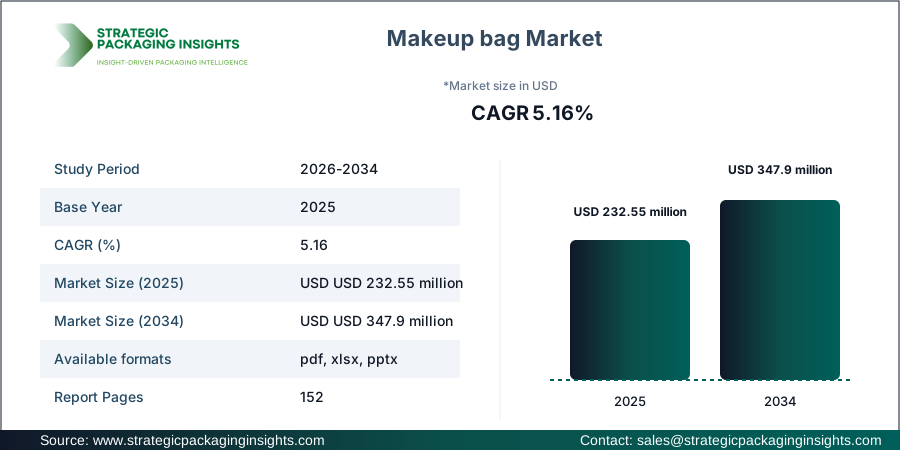
The makeup bag market size was valued at USD 232.55 million in 2025 and is anticipated to reach USD 347.9 million by 2034, growing at a CAGR of 5.16% during the forecast period according to Strategic Packaging Insights. The market is witnessing a surge in demand driven by the increasing consumer inclination towards organized and aesthetic storage solutions for cosmetics. Brands like L'Oréal S.A. and The Estée Lauder Companies Inc. are capitalizing on this trend by offering innovative and stylish makeup bags that cater to diverse consumer preferences. The rise in disposable income and the growing beauty industry are further propelling the market growth, as consumers are willing to invest in premium and luxury makeup bags that offer both functionality and style.
One of the most impactful drivers of the makeup bag market is the growing trend of personalization and customization. Consumers are increasingly seeking unique and personalized products that reflect their individual style and preferences. This trend is supported by advancements in manufacturing technologies that allow for greater customization options. According to a report by the U.S. Department of Commerce, the personalization trend is expected to continue to grow, driven by consumer demand for products that offer a personal touch. Brands like Sephora USA, Inc. and Mary Kay Inc. are leveraging this trend by offering customizable makeup bags that allow consumers to choose colors, patterns, and even add monograms or initials, enhancing the overall consumer experience and driving market growth.
Report Scope
| Attributes | Details |
| Report Title | Makeup bag Market Size, Future Growth and Forecast 2034 |
| Type | Pouches, Travel Makeup Bags, Train Cases, Vanity Cases, Brush Bags & Holders, Professional Makeup Cases |
| Material | Polyester, Nylon, PVC, Leather, PU (Vegan Leather), Canvas, Cotton, Recycled PET (rPET), Others |
| Closure Type | Zipper, Drawstring, Snap Button, Magnetic Closure, Others |
| Price Range | Economy, Mid-Range, Premium, Luxury |
| Distribution Channel | Online Retail, Supermarkets & Hypermarkets, Specialty Stores, Department Stores, Brand Stores, Others |
| End User | Personal, Professional Makeup Artists, Beauty Salons & Spas |
| Application | Travel, Daily Use, Professional Makeup, Gifting |
| Region | North America, Europe, Asia Pacific, Latin America, Middle East & Africa |
| Base Year | 2025 |
| Historic Period | 2018-2024 |
| Forecast Period | 2026-2034 |
| Number of Pages | 152 |
| Customization Available | Yes* |
Sustainability & Circular Economy Analysis
Sustainability initiatives are significantly influencing the makeup bag market, with a growing emphasis on eco-friendly materials and circular economy practices. Brands are increasingly adopting recyclable materials such as recycled PET (rPET) and organic cotton to reduce environmental impact. This shift towards sustainable materials is driven by consumer demand for eco-friendly products and regulatory pressures to minimize carbon footprints. As a result, companies are investing in research and development to innovate new materials and designs that align with sustainability goals, enhancing their market competitiveness.
The integration of circular economy principles is reshaping packaging design and manufacturing processes in the makeup bag market. Companies are focusing on creating durable and reusable packaging solutions that extend product life cycles and reduce waste. This approach not only aligns with environmental goals but also appeals to environmentally conscious consumers who prioritize sustainability in their purchasing decisions. As a result, brands are adopting strategies such as extended producer responsibility (EPR) to ensure the responsible disposal and recycling of products, further strengthening their commitment to sustainability.
Consumer preferences for sustainable products are driving investment decisions and supply chain strategies in the makeup bag market. Companies are increasingly prioritizing sustainable sourcing and production practices to meet consumer expectations and comply with packaging regulations. This shift towards sustainability is influencing long-term market competitiveness, as brands that successfully integrate eco-friendly practices are likely to gain a competitive edge. As sustainability becomes a key differentiator, companies are leveraging ESG initiatives to enhance brand reputation and attract environmentally conscious consumers, ultimately driving market growth.
Packaging Value Chain & Supply Chain Analysis
The makeup bag market's value chain encompasses a complex ecosystem of raw material sourcing, manufacturing, and distribution channels. Raw material availability, particularly for sustainable materials like recycled PET and organic cotton, plays a crucial role in shaping the market dynamics. Packaging converters and manufacturers are focusing on optimizing production capabilities to meet the growing demand for eco-friendly and customizable makeup bags. Strategic partnerships with suppliers and logistics providers are essential to ensure efficient supply chain operations and timely delivery of products to retailers and consumers.
Supply chain efficiency is a critical factor influencing the overall performance and competitiveness of the makeup bag market. Companies are adopting advanced inventory management and procurement strategies to enhance supply chain resilience and minimize disruptions. Localization and global sourcing are key considerations, as brands aim to balance cost-effectiveness with sustainability goals. By optimizing transportation and logistics networks, companies can reduce lead times and improve customer satisfaction, ultimately driving market growth.
Strategic partnerships and collaborations are vital for enhancing production capabilities and expanding market reach in the makeup bag industry. Brands are increasingly collaborating with packaging machinery manufacturers and recycling networks to develop innovative and sustainable packaging solutions. These partnerships enable companies to leverage technological advancements and streamline production processes, resulting in cost savings and improved product quality. As the market continues to evolve, companies that prioritize supply chain efficiency and strategic collaborations are likely to gain a competitive advantage and achieve long-term success.
Opportunities & Threats
The makeup bag market presents numerous opportunities for growth, driven by the increasing demand for personalized and customizable products. Brands that offer unique and innovative designs that cater to individual consumer preferences are likely to capture a significant market share. The rise of e-commerce platforms provides an opportunity for brands to reach a wider audience and expand their customer base. By leveraging digital marketing strategies and social media platforms, companies can effectively engage with consumers and drive sales. Additionally, the growing trend of sustainable and eco-friendly products presents an opportunity for brands to differentiate themselves and attract environmentally conscious consumers.
Another significant opportunity in the makeup bag market is the expansion into emerging markets. As disposable incomes rise and consumer awareness of beauty and personal care products increases, there is a growing demand for makeup bags in regions such as Asia Pacific and Latin America. Brands that strategically enter these markets and tailor their products to meet local consumer preferences are likely to experience substantial growth. Furthermore, the increasing popularity of travel and tourism presents an opportunity for brands to offer travel-friendly makeup bags that cater to the needs of frequent travelers.
Despite the growth opportunities, the makeup bag market faces several threats that could hinder its expansion. One of the primary challenges is the intense competition among brands, which can lead to price wars and reduced profit margins. Additionally, fluctuations in raw material prices, particularly for sustainable materials, can impact production costs and affect market profitability. Regulatory compliance and environmental regulations also pose a threat, as brands must adhere to strict guidelines to avoid penalties and maintain their market reputation. Companies that fail to address these challenges may struggle to maintain their market position and achieve long-term success.
Drivers & Challenges
The makeup bag market is driven by several key factors, including the growing beauty and personal care industry. As consumers increasingly invest in cosmetics and skincare products, the demand for organized and stylish storage solutions is rising. Brands like LVMH Moët Hennessy Louis Vuitton SE and Shiseido Company, Limited are capitalizing on this trend by offering a wide range of makeup bags that cater to diverse consumer needs. The rise of social media and beauty influencers is also driving market growth, as consumers seek to emulate the latest beauty trends and invest in high-quality makeup bags that enhance their beauty routines.
Another significant driver of the makeup bag market is the increasing focus on sustainability and eco-friendly products. Consumers are becoming more environmentally conscious and are seeking products that align with their values. Brands that prioritize sustainable materials and production practices are likely to gain a competitive edge and attract a loyal customer base. The growing trend of personalization and customization is also driving market growth, as consumers seek unique and personalized products that reflect their individual style and preferences. Companies that offer customizable options are likely to capture a significant market share and drive sales.
Despite the positive drivers, the makeup bag market faces several challenges that could impact its growth. One of the primary challenges is the fluctuating prices of raw materials, particularly for sustainable materials like recycled PET and organic cotton. These fluctuations can impact production costs and affect market profitability. Additionally, the intense competition among brands can lead to price wars and reduced profit margins. Regulatory compliance and environmental regulations also pose a challenge, as brands must adhere to strict guidelines to avoid penalties and maintain their market reputation. Companies that fail to address these challenges may struggle to maintain their market position and achieve long-term success.
Market Share Analysis
The makeup bag market is characterized by a highly competitive landscape, with several key players vying for market share. Companies like L'Oréal S.A., The Estée Lauder Companies Inc., and LVMH Moët Hennessy Louis Vuitton SE are leading the market with their extensive product portfolios and strong brand presence. These companies are leveraging their global reach and innovative product offerings to capture a significant share of the market. The competitive landscape is further intensified by the presence of other prominent players such as Shiseido Company, Limited, Sephora USA, Inc., and Mary Kay Inc., who are continuously expanding their product lines and enhancing their market presence.
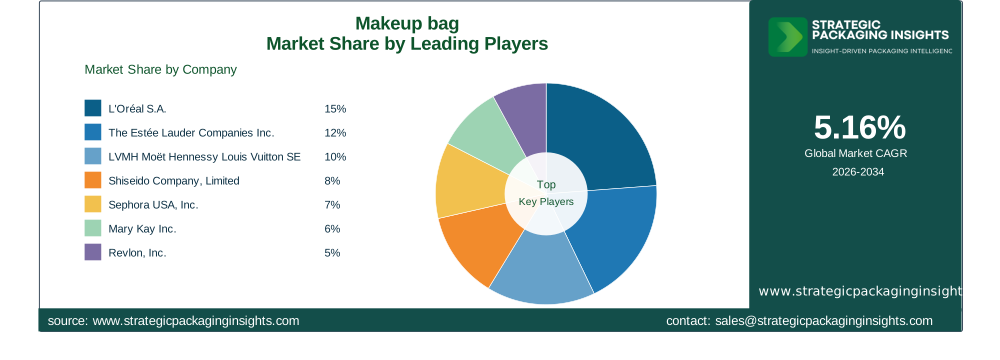
L'Oréal S.A. is a dominant player in the makeup bag market, known for its diverse range of products and strong brand reputation. The company is focusing on innovation and sustainability to maintain its competitive edge and drive market growth. The Estée Lauder Companies Inc. is another key player, offering a wide range of high-quality makeup bags that cater to various consumer preferences. The company's commitment to sustainability and eco-friendly practices is enhancing its market position and attracting environmentally conscious consumers.
LVMH Moët Hennessy Louis Vuitton SE is leveraging its luxury brand image and extensive distribution network to capture a significant share of the makeup bag market. The company's focus on premium and luxury products is appealing to high-end consumers who prioritize quality and style. Shiseido Company, Limited is also a prominent player, known for its innovative product offerings and strong market presence in Asia. The company's commitment to sustainability and eco-friendly practices is enhancing its market position and attracting environmentally conscious consumers.
Sephora USA, Inc. is a leading player in the makeup bag market, known for its extensive product range and strong brand presence. The company's focus on innovation and customer engagement is driving market growth and enhancing its competitive position. Mary Kay Inc. is another key player, offering a wide range of customizable makeup bags that cater to diverse consumer preferences. The company's commitment to sustainability and eco-friendly practices is enhancing its market position and attracting environmentally conscious consumers.
Key Highlights
- Market Size: The makeup bag market was valued at USD 232.55 million in 2025 and is projected to reach USD 347.9 million by 2034.
- Growth Rate: The market is expected to grow at a CAGR of 5.16% during the forecast period.
- Leading Brands: Key players include L'Oréal S.A., The Estée Lauder Companies Inc., and LVMH Moët Hennessy Louis Vuitton SE.
- Sustainability Trend: Increasing demand for eco-friendly and sustainable makeup bags.
- Customization Demand: Growing consumer preference for personalized and customizable products.
- Emerging Markets: Significant growth opportunities in Asia Pacific and Latin America.
- Distribution Channels: Online retail and specialty stores are key distribution channels.
Makeup bag Market Segments Insights

Type Analysis
The makeup bag market is segmented into various types, including pouches, travel makeup bags, train cases, vanity cases, brush bags & holders, and professional makeup cases. Each type caters to specific consumer needs and preferences, driving demand across different segments. Pouches and travel makeup bags are particularly popular among consumers who prioritize convenience and portability. These types are ideal for daily use and travel, offering compact and organized storage solutions for cosmetics. On the other hand, train cases and vanity cases are favored by professional makeup artists and beauty enthusiasts who require larger storage capacity and organization for their extensive makeup collections.
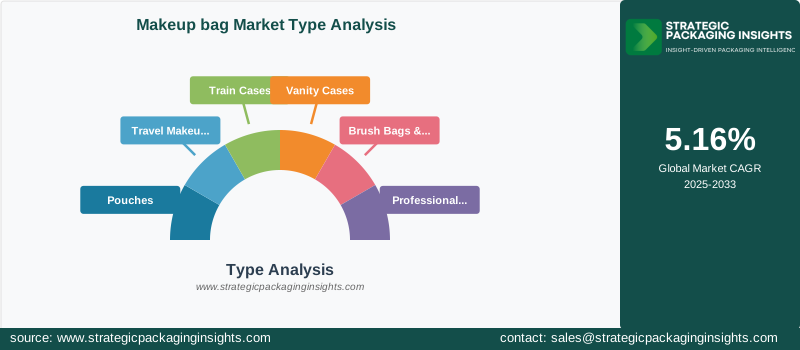
Brush bags & holders and professional makeup cases are gaining traction among consumers who seek specialized storage solutions for their makeup tools and accessories. These types offer dedicated compartments and features that cater to the needs of makeup professionals and enthusiasts. The growing trend of personalization and customization is also influencing the type segment, as consumers seek unique and personalized makeup bags that reflect their individual style. Brands are responding to this trend by offering customizable options, allowing consumers to choose colors, patterns, and even add monograms or initials to their makeup bags.
Material Analysis
The material segment of the makeup bag market includes polyester, nylon, PVC, leather, PU (vegan leather), canvas, cotton, recycled PET (rPET), and others. Each material offers distinct advantages and appeals to different consumer preferences. Polyester and nylon are popular choices for their durability and water-resistant properties, making them ideal for travel and daily use. PVC and leather are favored for their premium look and feel, appealing to consumers who prioritize style and luxury. PU (vegan leather) is gaining popularity among environmentally conscious consumers who seek cruelty-free and sustainable alternatives.
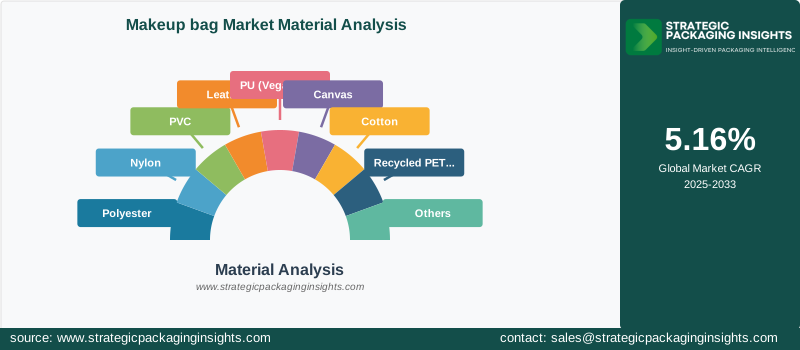
Canvas and cotton are preferred by consumers who value natural and eco-friendly materials. These materials offer a rustic and organic look, appealing to consumers who prioritize sustainability. Recycled PET (rPET) is gaining traction as a sustainable material choice, driven by the growing demand for eco-friendly products. Brands are increasingly adopting rPET to reduce their environmental impact and align with consumer preferences for sustainable products. The material segment is also influenced by advancements in material innovation, as brands invest in research and development to create new materials that offer enhanced functionality and sustainability.
Closure Type Analysis
The closure type segment of the makeup bag market includes zipper, drawstring, snap button, magnetic closure, and others. Zipper closures are the most popular choice, offering secure and easy access to the contents of the makeup bag. Zippers are favored for their durability and reliability, making them ideal for travel and daily use. Drawstring closures are gaining popularity among consumers who seek a more casual and relaxed look. These closures offer a unique and stylish alternative to traditional zipper closures, appealing to consumers who prioritize aesthetics.
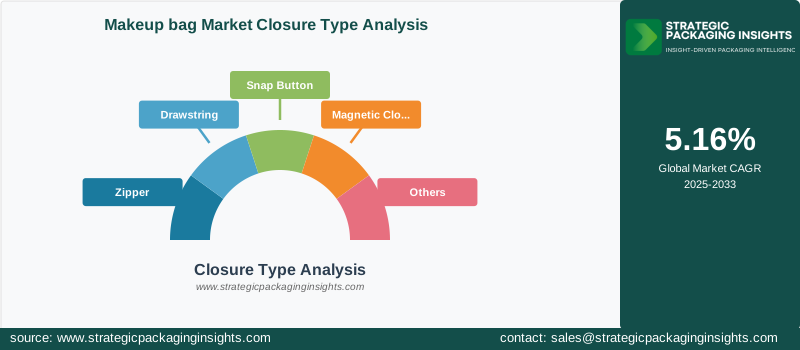
Snap button and magnetic closures are favored for their convenience and ease of use. These closures offer a sleek and modern look, appealing to consumers who prioritize style and functionality. The closure type segment is also influenced by the growing trend of personalization and customization, as consumers seek unique and personalized makeup bags that reflect their individual style. Brands are responding to this trend by offering customizable closure options, allowing consumers to choose their preferred closure type and design.
Makeup bag Market Segments
The Makeup bag market has been segmented on the basis ofType
- Pouches
- Travel Makeup Bags
- Train Cases
- Vanity Cases
- Brush Bags & Holders
- Professional Makeup Cases
Material
- Polyester
- Nylon
- PVC
- Leather
- PU (Vegan Leather)
- Canvas
- Cotton
- Recycled PET (rPET)
- Others
Closure Type
- Zipper
- Drawstring
- Snap Button
- Magnetic Closure
- Others
Price Range
- Economy
- Mid-Range
- Premium
- Luxury
Distribution Channel
- Online Retail
- Supermarkets & Hypermarkets
- Specialty Stores
- Department Stores
- Brand Stores
- Others
End User
- Personal
- Professional Makeup Artists
- Beauty Salons & Spas
Application
- Travel
- Daily Use
- Professional Makeup
- Gifting
Region
- North America
- Europe
- Asia Pacific
- Latin America
- Middle East & Africa




