


Make Up Products Packaging Market Outlook
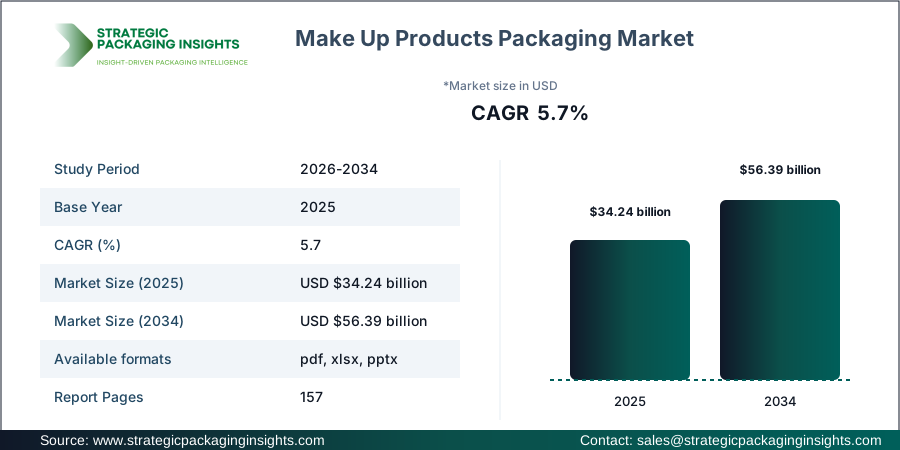
The Make Up Products Packaging market was valued at $34.24 billion in 2025 and is projected to reach $56.39 billion by 2034, growing at a CAGR of 5.7% during the forecast period 2026-2034. This market is experiencing robust growth driven by the increasing demand for innovative and sustainable packaging solutions in the beauty industry. The rise in consumer awareness regarding eco-friendly packaging and the growing trend of premiumization in cosmetics are significant factors contributing to the market's expansion. Additionally, the surge in e-commerce and online retailing has further propelled the demand for attractive and durable packaging solutions, as brands strive to enhance the unboxing experience for consumers.
However, the market faces challenges such as stringent regulations regarding packaging waste and environmental concerns. The increasing pressure from regulatory bodies to reduce plastic usage and promote recycling is pushing manufacturers to innovate and adopt sustainable materials. Despite these challenges, the market holds immense growth potential due to the continuous advancements in packaging technologies and the rising popularity of personalized and customizable packaging solutions. The shift towards digital printing and smart packaging is expected to create new opportunities for market players, enabling them to offer unique and engaging packaging designs that resonate with consumers.
Report Scope
| Attributes | Details |
| Report Title | Make Up Products Packaging Market Size, Future Growth and Forecast 2034 |
| Product Type | Lipstick, Compact, Mascara, Foundation |
| Material | Plastic, Glass, Metal |
| Packaging Type | Jar, Tube, Bottle, Stick |
| End Use | Mass Market, Premium, Luxury |
| Region | Asia Pacific, North America, Latin America, Europe, Middle East & Africa |
| Base Year | 2025 |
| Historic Period | 2018-2024 |
| Forecast Period | 2026-2034 |
| Number of Pages | 157 |
| Customization Available | Yes* |
Opportunities & Threats
The Make Up Products Packaging market presents numerous opportunities for growth, primarily driven by the increasing consumer preference for sustainable and eco-friendly packaging solutions. As environmental concerns continue to rise, consumers are becoming more conscious of the impact of packaging waste on the environment. This shift in consumer behavior is encouraging manufacturers to invest in biodegradable and recyclable materials, opening up new avenues for innovation and product development. Additionally, the growing trend of premiumization in the cosmetics industry is driving the demand for high-quality, aesthetically pleasing packaging that enhances the overall brand image and consumer experience.
Another significant opportunity lies in the rapid expansion of the e-commerce sector, which has transformed the way consumers purchase beauty products. With the increasing popularity of online shopping, brands are focusing on creating visually appealing and durable packaging that can withstand the rigors of shipping while providing an exceptional unboxing experience. This trend is expected to drive the demand for innovative packaging solutions that not only protect the product but also serve as a marketing tool to attract and retain customers. Furthermore, the rise of social media and influencer marketing has amplified the importance of packaging design, as consumers are more likely to share their purchases online, further boosting brand visibility and recognition.
Despite the promising opportunities, the Make Up Products Packaging market faces several threats, including the stringent regulations imposed by governments and environmental agencies to curb plastic usage and promote recycling. These regulations are compelling manufacturers to rethink their packaging strategies and invest in sustainable alternatives, which can be costly and time-consuming. Additionally, the fluctuating prices of raw materials, such as plastic and metal, pose a significant challenge for manufacturers, impacting their profit margins and overall competitiveness. The intense competition among market players, coupled with the ever-changing consumer preferences, further adds to the complexity of navigating this dynamic market landscape.
Drivers & Challenges
One of the primary drivers of the Make Up Products Packaging market is the increasing consumer demand for innovative and aesthetically pleasing packaging solutions. As consumers become more discerning and brand-conscious, the packaging of beauty products plays a crucial role in influencing their purchasing decisions. Brands are investing heavily in research and development to create unique and eye-catching packaging designs that not only protect the product but also enhance its appeal and perceived value. The growing trend of premiumization in the cosmetics industry is further fueling this demand, as consumers are willing to pay a premium for products that offer a luxurious and sophisticated packaging experience.
Another significant driver is the rising awareness and demand for sustainable packaging solutions. With the increasing focus on environmental conservation and reducing carbon footprints, consumers are actively seeking products that align with their eco-friendly values. This shift in consumer behavior is prompting manufacturers to explore alternative materials, such as biodegradable plastics, glass, and metal, to create sustainable packaging solutions that minimize environmental impact. The adoption of digital printing and smart packaging technologies is also gaining traction, enabling brands to offer personalized and interactive packaging experiences that resonate with consumers and enhance brand loyalty.
However, the Make Up Products Packaging market faces several challenges, including the stringent regulations and standards imposed by governments and environmental agencies. These regulations are aimed at reducing packaging waste and promoting recycling, compelling manufacturers to adopt sustainable practices and materials. The fluctuating prices of raw materials, such as plastic and metal, also pose a significant challenge for manufacturers, impacting their production costs and profit margins. Additionally, the intense competition among market players, coupled with the rapidly changing consumer preferences, requires companies to continuously innovate and adapt to stay ahead in this dynamic market landscape.
Market Share Analysis
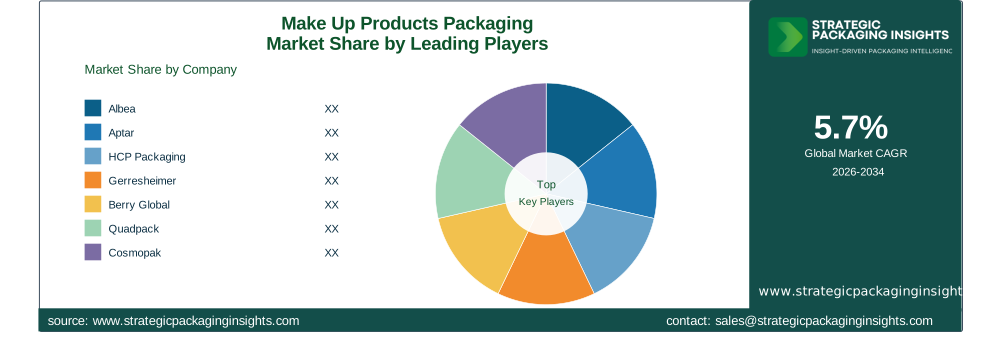
The Make Up Products Packaging market is characterized by a highly competitive landscape, with several key players vying for market share. Companies such as Albea, Aptar, HCP Packaging, Gerresheimer, Berry Global, Quadpack, Cosmopak, Nampak, Silgan, and Libo Cosmetics are some of the prominent players in this market. These companies are focusing on strategic initiatives, such as mergers and acquisitions, partnerships, and collaborations, to expand their product portfolios and strengthen their market presence. Additionally, they are investing in research and development to innovate and offer sustainable and aesthetically appealing packaging solutions that cater to the evolving consumer preferences.
Albea, a leading player in the Make Up Products Packaging market, is known for its extensive range of packaging solutions, including tubes, lipsticks, mascaras, and compacts. The company is committed to sustainability and has been actively working towards reducing its environmental footprint by adopting eco-friendly materials and processes. Aptar, another key player, specializes in dispensing systems and is renowned for its innovative packaging solutions that enhance the functionality and user experience of beauty products. The company's focus on sustainability and digital transformation has enabled it to maintain a competitive edge in the market.
HCP Packaging is a prominent player in the Make Up Products Packaging market, offering a wide range of packaging solutions for cosmetics and skincare products. The company's emphasis on design innovation and sustainability has helped it establish a strong foothold in the market. Gerresheimer, a global leader in glass and plastic packaging, is known for its high-quality and sustainable packaging solutions for the beauty industry. The company's commitment to innovation and customer-centric approach has enabled it to cater to the diverse needs of its clients and maintain a competitive position in the market.
Berry Global, a leading provider of plastic packaging solutions, is actively focusing on sustainability and innovation to meet the growing demand for eco-friendly packaging in the beauty industry. The company's extensive product portfolio and global presence have enabled it to cater to a wide range of customers and maintain a strong market position. Quadpack, a specialist in the design and manufacture of packaging solutions for the beauty industry, is known for its innovative and sustainable packaging designs that enhance the brand image and consumer experience. The company's focus on customization and collaboration with clients has helped it build a loyal customer base and expand its market reach.
Key Highlights
- The Make Up Products Packaging market is projected to grow from $34.24 billion in 2025 to $56.39 billion by 2034, at a CAGR of 5.7%.
- Increasing consumer demand for sustainable and eco-friendly packaging solutions is driving market growth.
- The rise of e-commerce and online retailing is boosting the demand for innovative and durable packaging solutions.
- Stringent regulations regarding packaging waste and environmental concerns pose challenges for market players.
- Advancements in packaging technologies, such as digital printing and smart packaging, are creating new opportunities for innovation.
- The growing trend of premiumization in the cosmetics industry is driving the demand for high-quality and aesthetically pleasing packaging.
- Key players in the market include Albea, Aptar, HCP Packaging, Gerresheimer, Berry Global, Quadpack, Cosmopak, Nampak, Silgan, and Libo Cosmetics.
Top Countries Insights
In the Make Up Products Packaging market, the United States stands out as a key player, with a market size of approximately $12 billion and a CAGR of 6%. The country's robust beauty industry, coupled with the increasing demand for sustainable packaging solutions, is driving market growth. The presence of major cosmetic brands and a strong focus on innovation and sustainability are significant growth drivers. However, the market faces challenges such as stringent regulations regarding packaging waste and environmental concerns.
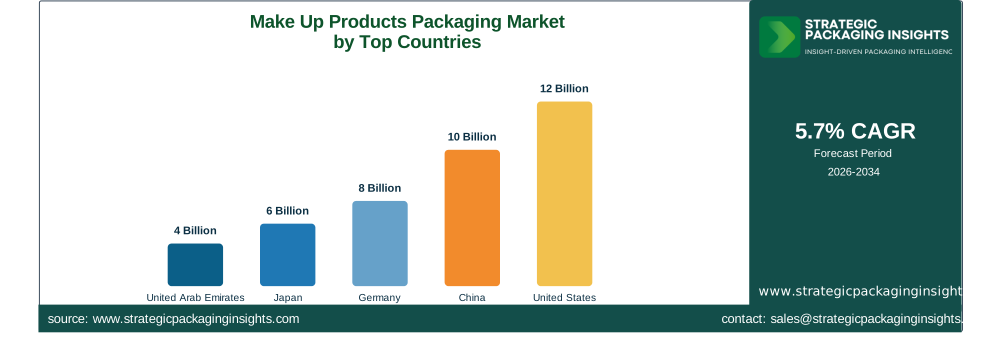
China is another prominent market, with a market size of around $10 billion and a CAGR of 8%. The country's rapidly growing middle class and increasing consumer spending on beauty products are driving the demand for innovative and aesthetically pleasing packaging solutions. The rise of e-commerce and online retailing is further boosting market growth, as brands focus on creating visually appealing packaging to enhance the consumer experience. However, the market faces challenges such as fluctuating raw material prices and intense competition among market players.
In Europe, Germany is a key market, with a market size of approximately $8 billion and a CAGR of 5%. The country's strong focus on sustainability and environmental conservation is driving the demand for eco-friendly packaging solutions. The presence of major cosmetic brands and a well-established beauty industry are significant growth drivers. However, the market faces challenges such as stringent regulations and the need for continuous innovation to meet changing consumer preferences.
Japan is another important market, with a market size of around $6 billion and a CAGR of 4%. The country's aging population and increasing demand for anti-aging and skincare products are driving the demand for innovative packaging solutions. The rise of premiumization in the cosmetics industry is further boosting market growth, as consumers seek high-quality and aesthetically pleasing packaging. However, the market faces challenges such as intense competition and the need for continuous innovation to stay ahead in the dynamic market landscape.
In the Middle East & Africa, the United Arab Emirates is a key market, with a market size of approximately $4 billion and a CAGR of 7%. The country's growing beauty industry and increasing consumer demand for premium and luxury packaging solutions are driving market growth. The rise of e-commerce and online retailing is further boosting market growth, as brands focus on creating visually appealing packaging to enhance the consumer experience. However, the market faces challenges such as fluctuating raw material prices and intense competition among market players.
Make Up Products Packaging Market Segments Insights

Product Type Analysis
The product type segment in the Make Up Products Packaging market is diverse, encompassing various categories such as lipstick, compact, mascara, and foundation. Each of these product types has unique packaging requirements, driven by consumer preferences and product functionality. Lipstick packaging, for instance, is evolving with the demand for innovative designs that offer convenience and ease of use. The trend towards refillable and sustainable lipstick packaging is gaining traction, as consumers become more environmentally conscious. Similarly, compact packaging is witnessing advancements in design and materials, with a focus on portability and durability.
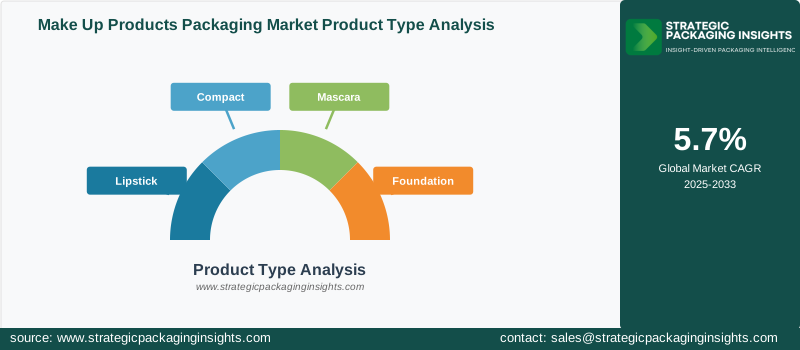
Mascara packaging is another critical segment, where innovation is driven by the need for precision and ease of application. The demand for unique applicator designs and sustainable materials is shaping the future of mascara packaging. Foundation packaging, on the other hand, is evolving with the trend towards airless pumps and customizable packaging solutions that cater to diverse consumer needs. The growing trend of premiumization in the cosmetics industry is further driving the demand for high-quality and aesthetically pleasing packaging across all product types, as consumers seek products that offer a luxurious and sophisticated experience.
Material Analysis
The material segment in the Make Up Products Packaging market includes plastic, glass, and metal, each offering distinct advantages and challenges. Plastic remains the most widely used material due to its versatility, lightweight nature, and cost-effectiveness. However, the increasing environmental concerns and regulatory pressures are driving manufacturers to explore sustainable alternatives, such as biodegradable plastics and recycled materials. Glass packaging, known for its premium appeal and recyclability, is gaining popularity in the luxury cosmetics segment, where brands seek to enhance their product's perceived value and sustainability credentials.
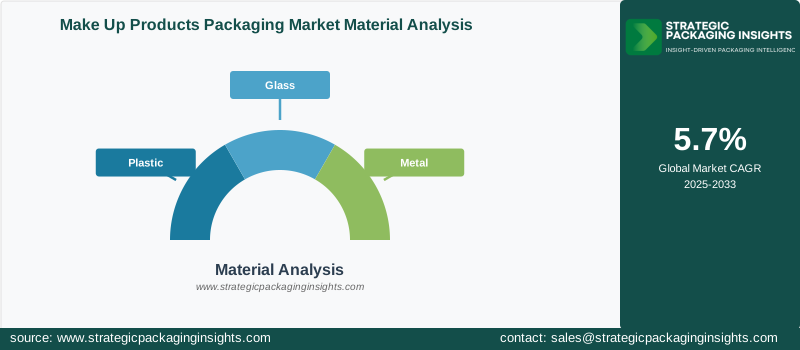
Metal packaging, particularly aluminum, is also witnessing growth due to its durability and recyclability. The trend towards eco-friendly packaging solutions is prompting manufacturers to invest in innovative materials and technologies that minimize environmental impact while maintaining product integrity and aesthetics. The adoption of digital printing and smart packaging technologies is further enhancing the appeal of these materials, enabling brands to offer personalized and interactive packaging experiences that resonate with consumers and enhance brand loyalty.
Packaging Type Analysis
The packaging type segment in the Make Up Products Packaging market includes jars, tubes, bottles, and sticks, each catering to specific product categories and consumer preferences. Jars are commonly used for creams and balms, offering a wide opening for easy access and application. The demand for sustainable and aesthetically pleasing jar designs is driving innovation in this segment, with a focus on materials and finishes that enhance the product's appeal and functionality. Tubes, on the other hand, are popular for products like lotions and gels, offering convenience and portability.
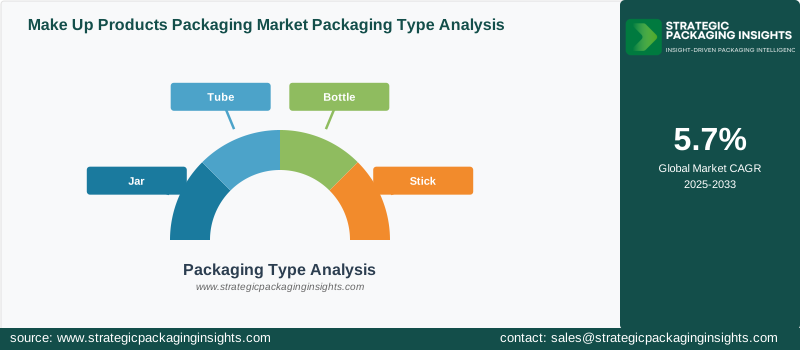
Bottles are widely used for liquid products, such as foundations and serums, where precision and ease of use are critical. The trend towards airless pump bottles is gaining traction, as they offer enhanced product protection and shelf life. Stick packaging, commonly used for products like lip balms and deodorants, is evolving with the demand for innovative designs that offer convenience and ease of use. The growing trend of premiumization in the cosmetics industry is further driving the demand for high-quality and aesthetically pleasing packaging across all packaging types, as consumers seek products that offer a luxurious and sophisticated experience.
End Use Analysis
The end-use segment in the Make Up Products Packaging market is categorized into mass market, premium, and luxury, each with distinct packaging requirements and consumer expectations. The mass market segment is driven by affordability and functionality, with a focus on cost-effective packaging solutions that offer convenience and ease of use. The demand for sustainable and recyclable materials is gaining traction in this segment, as consumers become more environmentally conscious. The premium segment, on the other hand, is characterized by a focus on quality and aesthetics, with brands investing in innovative designs and materials that enhance the product's appeal and perceived value.
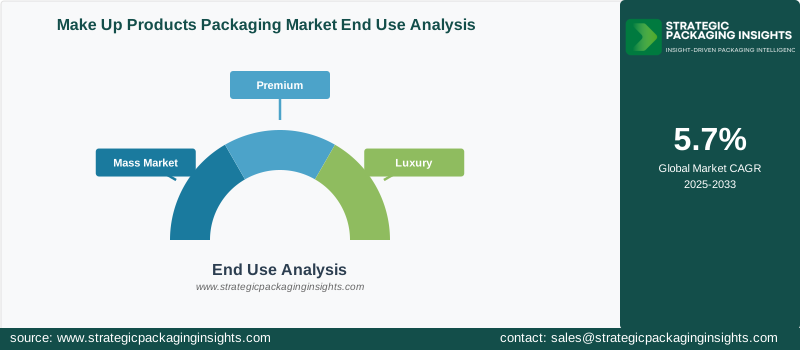
The luxury segment is driven by the demand for high-quality and aesthetically pleasing packaging that offers a luxurious and sophisticated experience. Brands in this segment are focusing on creating unique and personalized packaging solutions that resonate with consumers and enhance brand loyalty. The trend towards premiumization in the cosmetics industry is further driving the demand for innovative and sustainable packaging solutions across all end-use segments, as consumers seek products that align with their values and lifestyle preferences.
Make Up Products Packaging Market Segments
The Make Up Products Packaging market has been segmented on the basis ofProduct Type
- Lipstick
- Compact
- Mascara
- Foundation
Material
- Plastic
- Glass
- Metal
Packaging Type
- Jar
- Tube
- Bottle
- Stick
End Use
- Mass Market
- Premium
- Luxury
Region
- Asia Pacific
- North America
- Latin America
- Europe
- Middle East & Africa




