


Lotion Tubes Market Outlook
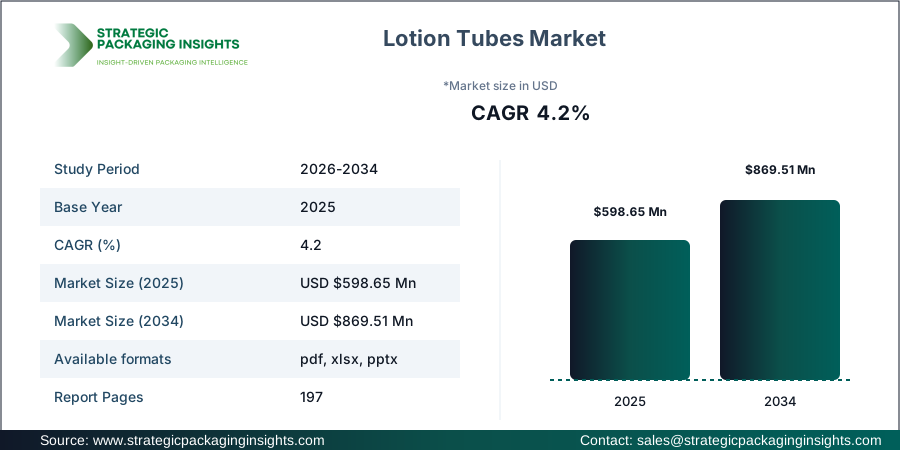
The Lotion Tubes market was valued at $598.65 million in 2025 and is projected to reach $869.51 million by 2034, growing at a CAGR of 4.2% during the forecast period 2026-2034. This growth is driven by increasing consumer demand for convenient and hygienic packaging solutions in the personal care and cosmetics industry. The rising awareness about skincare and personal grooming, coupled with the growing popularity of travel-sized products, is further propelling the demand for lotion tubes. Additionally, advancements in packaging technology and the introduction of eco-friendly materials are expected to enhance market growth.
Despite the promising growth prospects, the Lotion Tubes market faces certain challenges. Regulatory restrictions on plastic usage and the environmental impact of non-biodegradable materials pose significant restraints. However, the market holds potential for growth through the adoption of sustainable packaging solutions and the development of innovative tube designs that cater to consumer preferences. The increasing focus on reducing carbon footprints and the shift towards recyclable and biodegradable materials are expected to create lucrative opportunities for market players.
Report Scope
| Attributes | Details |
| Report Title | Lotion Tubes Market Size, Future Growth and Forecast 2034 |
| Product Type | Laminated Tubes, Extruded Tubes, Coextruded Tubes |
| Material Type | PE, PP, Aluminum Laminate, PCR Plastic |
| Application | Body Lotion, Skincare, Haircare, Pharma Creams |
| End Use | Cosmetics Brands, Healthcare, Contract Fillers |
| Region | Asia Pacific, North America, Latin America, Europe, Middle East & Africa |
| Base Year | 2025 |
| Historic Period | 2018-2024 |
| Forecast Period | 2026-2034 |
| Number of Pages | 197 |
| Customization Available | Yes* |
Opportunities & Threats
The Lotion Tubes market presents numerous opportunities for growth, primarily driven by the increasing demand for sustainable and eco-friendly packaging solutions. As consumers become more environmentally conscious, there is a growing preference for products that minimize environmental impact. This trend is encouraging manufacturers to invest in research and development to create innovative packaging solutions that are both functional and sustainable. The use of post-consumer recycled (PCR) plastics and biodegradable materials is gaining traction, offering significant growth potential for companies that can effectively integrate these materials into their product lines.
Another opportunity lies in the expanding e-commerce sector, which is driving the demand for convenient and durable packaging solutions. With the rise of online shopping, there is an increased need for packaging that can withstand the rigors of shipping while maintaining product integrity. Lotion tubes, with their lightweight and durable nature, are well-suited for this purpose. Companies that can offer customizable and aesthetically appealing packaging solutions are likely to gain a competitive edge in the market.
However, the market also faces threats from regulatory pressures and the increasing scrutiny on plastic usage. Governments worldwide are implementing stringent regulations to curb plastic pollution, which could impact the production and use of traditional plastic lotion tubes. Companies need to stay abreast of these regulatory changes and adapt their strategies accordingly to mitigate potential risks. Additionally, the volatility in raw material prices and the availability of alternative packaging solutions pose challenges to market growth.
Drivers & Challenges
The primary driver of the Lotion Tubes market is the growing consumer preference for convenient and hygienic packaging solutions. Lotion tubes offer ease of use, portability, and protection against contamination, making them a popular choice among consumers. The increasing focus on personal grooming and skincare, particularly among millennials and Gen Z, is further fueling the demand for lotion tubes. Additionally, the rise in disposable income and changing lifestyles are contributing to the growth of the personal care and cosmetics industry, thereby driving the demand for lotion tubes.
Technological advancements in packaging are also playing a crucial role in driving market growth. Innovations such as airless tubes, which prevent product oxidation and contamination, are gaining popularity. The development of eco-friendly materials and sustainable packaging solutions is another significant driver, as companies strive to meet consumer demand for environmentally responsible products. The integration of smart packaging technologies, such as QR codes and augmented reality, is also enhancing consumer engagement and brand loyalty.
Despite these drivers, the Lotion Tubes market faces several challenges. One of the primary challenges is the environmental impact of plastic waste, which has led to increased regulatory scrutiny and consumer backlash. Companies are under pressure to develop sustainable packaging solutions that minimize environmental impact. Additionally, the market is highly competitive, with numerous players vying for market share. This competition can lead to price wars and margin pressures, making it challenging for companies to maintain profitability. Furthermore, fluctuations in raw material prices and supply chain disruptions can impact production costs and availability, posing additional challenges to market growth.
Market Share Analysis
The Lotion Tubes market is characterized by a competitive landscape with several key players vying for market share. Companies such as EPL Limited, Albéa, Berry Global, Hoffmann Neopac, and CCL Industries are prominent players in the market, each holding a significant share. These companies are focusing on product innovation, strategic partnerships, and mergers and acquisitions to strengthen their market position and expand their product offerings. The competitive landscape is further intensified by the presence of regional players and new entrants, who are leveraging technological advancements and sustainable packaging solutions to gain a foothold in the market.
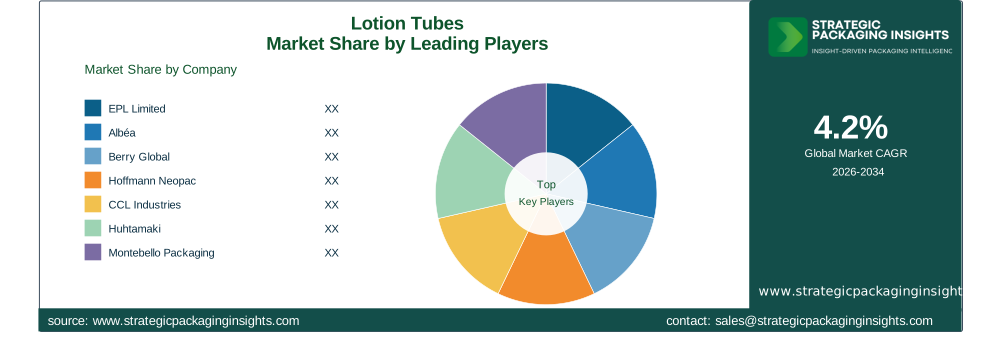
EPL Limited is a leading player in the Lotion Tubes market, known for its innovative packaging solutions and extensive product portfolio. The company has a strong presence in both developed and emerging markets, offering a wide range of tube packaging solutions for various applications. Albéa, another major player, is recognized for its focus on sustainability and eco-friendly packaging solutions. The company has made significant investments in research and development to create innovative and sustainable packaging solutions that cater to consumer preferences.
Berry Global is a key player in the market, offering a diverse range of packaging solutions for the personal care and cosmetics industry. The company is known for its focus on innovation and sustainability, with a strong emphasis on developing eco-friendly packaging solutions. Hoffmann Neopac is another prominent player, specializing in high-quality tube packaging solutions for the pharmaceutical and personal care industries. The company is committed to sustainability and has introduced several eco-friendly packaging solutions to meet the growing demand for sustainable products.
CCL Industries is a leading provider of specialty packaging solutions, with a strong focus on innovation and sustainability. The company offers a wide range of tube packaging solutions for various applications, including personal care, cosmetics, and pharmaceuticals. Huhtamaki, Montebello Packaging, Tubopress, VisiPak, and Essel Propack are other notable players in the market, each contributing to the competitive landscape with their unique product offerings and strategic initiatives.
Key Highlights
- The Lotion Tubes market is projected to grow at a CAGR of 4.2% from 2026 to 2034.
- Increasing demand for sustainable and eco-friendly packaging solutions is driving market growth.
- Technological advancements in packaging, such as airless tubes, are gaining popularity.
- The rise of e-commerce is boosting the demand for durable and convenient packaging solutions.
- Regulatory pressures on plastic usage pose challenges to market growth.
- Key players are focusing on product innovation and strategic partnerships to strengthen their market position.
- The market is characterized by intense competition, with numerous players vying for market share.
- Consumer preference for convenient and hygienic packaging solutions is a major driver of market growth.
- Fluctuations in raw material prices and supply chain disruptions pose challenges to market growth.
- The integration of smart packaging technologies is enhancing consumer engagement and brand loyalty.
Top Countries Insights
In the Lotion Tubes market, the United States holds a significant share, driven by the high demand for personal care and cosmetics products. The market in the U.S. is characterized by a strong focus on innovation and sustainability, with companies investing in eco-friendly packaging solutions to meet consumer preferences. The presence of major market players and the growing popularity of online shopping are further contributing to market growth. The U.S. market is expected to grow at a CAGR of 5%, with a market size of $1.2 billion.
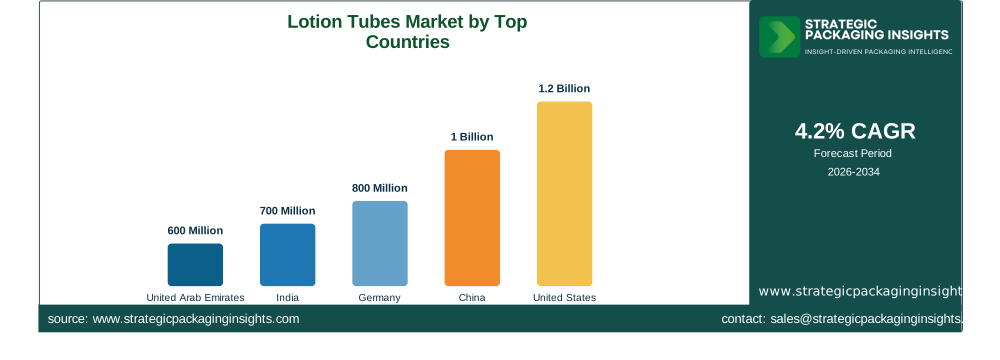
China is another key market for lotion tubes, driven by the increasing demand for skincare and personal grooming products. The growing middle-class population and rising disposable income are contributing to the growth of the personal care industry in China. The market is characterized by a strong focus on product innovation and the use of sustainable materials. The Chinese market is expected to grow at a CAGR of 6%, with a market size of $1 billion.
In Europe, Germany is a leading market for lotion tubes, driven by the high demand for premium skincare and cosmetics products. The market is characterized by a strong focus on sustainability and the use of eco-friendly materials. The presence of major market players and the growing popularity of organic and natural products are contributing to market growth. The German market is expected to grow at a CAGR of 4%, with a market size of $800 million.
India is emerging as a key market for lotion tubes, driven by the increasing demand for personal care and grooming products. The growing middle-class population and rising disposable income are contributing to the growth of the personal care industry in India. The market is characterized by a strong focus on product innovation and the use of sustainable materials. The Indian market is expected to grow at a CAGR of 7%, with a market size of $700 million.
In the Middle East & Africa, the United Arab Emirates is a significant market for lotion tubes, driven by the high demand for premium skincare and cosmetics products. The market is characterized by a strong focus on innovation and the use of eco-friendly materials. The presence of major market players and the growing popularity of online shopping are contributing to market growth. The UAE market is expected to grow at a CAGR of 5%, with a market size of $600 million.
Lotion Tubes Market Segments Insights

Product Type Analysis
The Lotion Tubes market is segmented by product type into laminated tubes, extruded tubes, and coextruded tubes. Laminated tubes are gaining popularity due to their excellent barrier properties and aesthetic appeal. These tubes are widely used in the cosmetics and personal care industry for packaging lotions, creams, and gels. The demand for laminated tubes is driven by their ability to protect the product from external factors such as light, air, and moisture, thereby extending the shelf life of the product. Additionally, the availability of a wide range of decorative options makes laminated tubes a preferred choice for premium products.
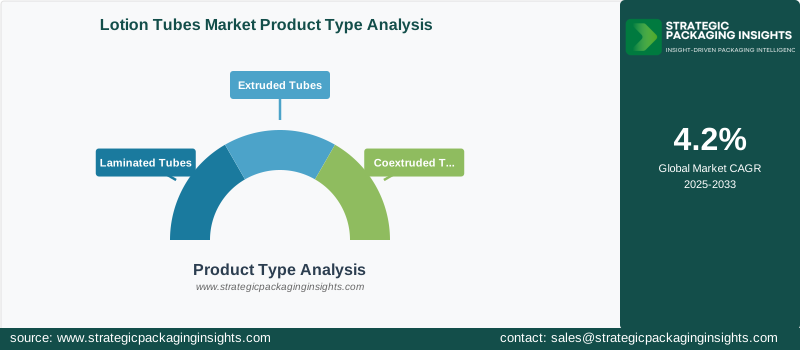
Extruded tubes are another significant segment, known for their durability and flexibility. These tubes are commonly used for packaging products that require precise dispensing, such as pharmaceutical creams and ointments. The demand for extruded tubes is driven by their cost-effectiveness and ease of production. Coextruded tubes, on the other hand, offer a combination of barrier properties and flexibility, making them suitable for a wide range of applications. The growing demand for innovative and sustainable packaging solutions is expected to drive the growth of the coextruded tubes segment.
Material Type Analysis
The Lotion Tubes market is segmented by material type into PE, PP, aluminum laminate, and PCR plastic. PE (polyethylene) is the most commonly used material for lotion tubes, known for its flexibility, durability, and cost-effectiveness. The demand for PE tubes is driven by their versatility and ability to be easily molded into various shapes and sizes. PP (polypropylene) is another popular material, known for its high resistance to chemicals and moisture. The demand for PP tubes is driven by their suitability for packaging products that require a high level of protection.
Aluminum laminate tubes are gaining popularity due to their excellent barrier properties and ability to protect the product from external factors such as light, air, and moisture. These tubes are commonly used for packaging premium products that require a high level of protection. PCR (post-consumer recycled) plastic is an emerging material in the lotion tubes market, driven by the growing demand for sustainable and eco-friendly packaging solutions. The use of PCR plastic is expected to increase as companies strive to meet consumer demand for environmentally responsible products.
Application Analysis
The Lotion Tubes market is segmented by application into body lotion, skincare, haircare, and pharma creams. The body lotion segment holds a significant share of the market, driven by the increasing demand for moisturizing and nourishing products. The growing awareness about skincare and personal grooming is contributing to the growth of this segment. Skincare is another major segment, driven by the rising demand for anti-aging and sun protection products. The growing popularity of organic and natural skincare products is further propelling the demand for lotion tubes in this segment.
The haircare segment is also witnessing significant growth, driven by the increasing demand for hair treatment and styling products. The growing focus on hair health and the rising popularity of natural and organic haircare products are contributing to the growth of this segment. Pharma creams are another important segment, driven by the increasing demand for topical medications and treatments. The growing prevalence of skin conditions and the rising demand for effective and convenient treatment options are driving the demand for lotion tubes in this segment.
End Use Analysis
The Lotion Tubes market is segmented by end use into cosmetics brands, healthcare, and contract fillers. Cosmetics brands hold a significant share of the market, driven by the increasing demand for innovative and aesthetically appealing packaging solutions. The growing focus on brand differentiation and consumer engagement is contributing to the growth of this segment. Healthcare is another major segment, driven by the increasing demand for convenient and hygienic packaging solutions for pharmaceutical and medical products.
Contract fillers are also witnessing significant growth, driven by the increasing demand for outsourcing packaging and filling services. The growing focus on cost-effectiveness and efficiency is contributing to the growth of this segment. The demand for contract fillers is driven by their ability to provide customized and flexible packaging solutions that cater to the specific needs of different industries. The growing trend of outsourcing packaging services is expected to drive the growth of the contract fillers segment in the coming years.
Lotion Tubes Market Segments
The Lotion Tubes market has been segmented on the basis ofProduct Type
- Laminated Tubes
- Extruded Tubes
- Coextruded Tubes
Material Type
- PE
- PP
- Aluminum Laminate
- PCR Plastic
Application
- Body Lotion
- Skincare
- Haircare
- Pharma Creams
End Use
- Cosmetics Brands
- Healthcare
- Contract Fillers
Region
- Asia Pacific
- North America
- Latin America
- Europe
- Middle East & Africa




